A perennial challenge faced by all big or small, developed or developing economies is achieving sustainable economic growth that boosts standards of living and financial stability. Globalization has been the road that brought economies to that destination.
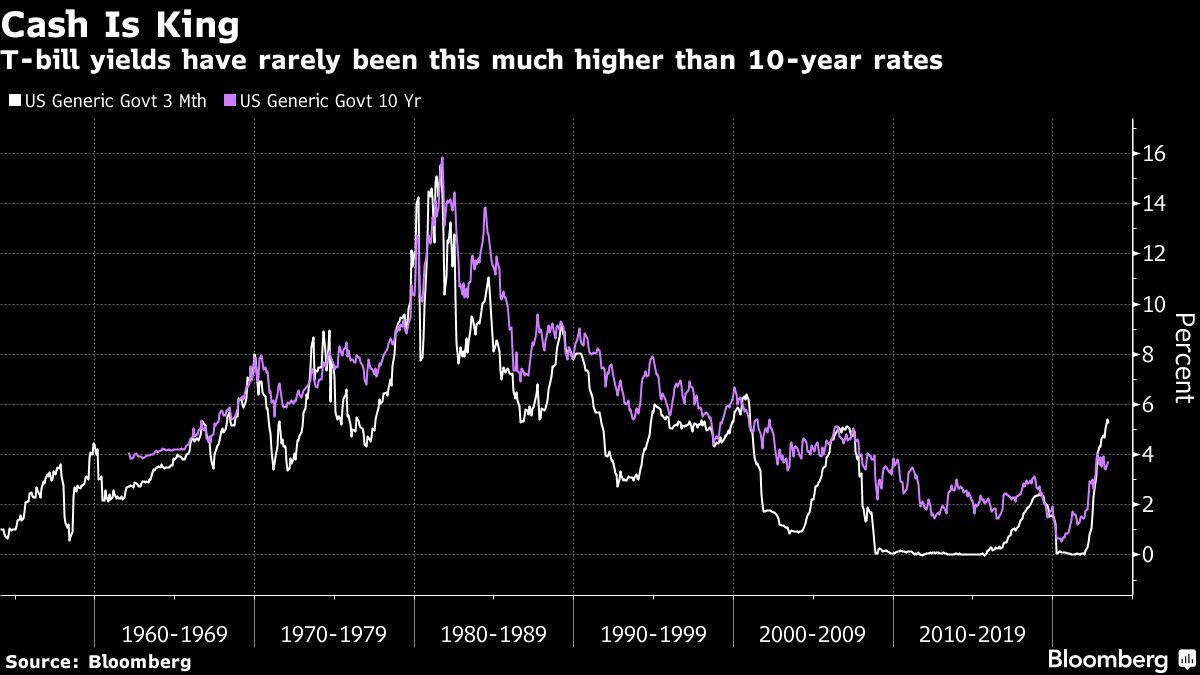
According to the ICI, assets in money markets have ballooned to $5.3 trillion—the equivalent of the world’s 5th largest economy. And with so much cash sitting on the sidelines, a fundamental question persists. Are investors being compensated to wait? Find out why sitting in cash could be a risky proposition as inflation and economic growth show signs of slowing.
Don’t miss an in-depth conversation with fixed income experts from VettaFi and AllianceBernstein, who will share insights on how to position portfolios amid a challenging market environment.
Topics will include:
In the upcoming webcast, Innovator ETFs and VettaFi will outline a new suite of Barrier ETF products and how they can protect and enhance portfolios.
Don't let geography hold you back from achieving success in a lucrative niche.
William Eigen isn’t about to apologize for his bond fund’s performance this year. Yes, his $8.7 billion JPMorgan Strategic Income Opportunities Fund is trailing about 60% of its peers after trouncing nearly every one of them last year.
There’s not much you can do about rising college costs, but there are a few tax breaks you can use to help offset the expenses.
We like both John Deere and Caterpillar. Both are A-rated companies with solid balance sheets, similar market caps, and similar long-term debt-to-capital ratios.
Franklin Equity Group Portfolio Managers Blair Schmicker and Daniel Scher reflect on the ever-evolving landscape of the commercial real estate, and the answer to that question might surprise you.
VettaFi’s Lara Crigger offers perspective on two of the year’s most noteworthy ETF stories. Northern Trust’s Michael Natale presents the firm’s base case on equities and fixed income. Teucrium’s Sal Gilbertie spotlights several ETFs including their recently launched AiLA Long/Short Base Metals Strategy ETF (OAIB), which leverages artificial intelligence.
A key question advisors will face from clients is whether a recession is likely and if so, what to do about it. The widespread pessimism among consumers and investors adds another layer of complexity to portfolio management.
While the 60/40 approach may rapidly become obsolete, the debate over its value has bolstered the teaching of MPT and stressed the benefit of extensive diversification as the most efficient portfolio construction methodology.
The risks for bond investors from next week’s Federal Reserve meeting go well beyond whether officials decide to raise interest rates again.
Emerging-market bulls are still upbeat on the asset class, even after China’s highly-touted reopening rally fizzled and proved Wall Street’s early 2023 optimism to be misplaced.
Asset managers looking to replicate the success of JPMorgan’s biggest actively-managed exchange-traded funds will likely have to do it without the same market tailwind the ETFs enjoyed.
Despite high volatility in the bond market during the first half of the year, what's surprising is how much didn't change.
Copper is currently trading around $8,300 a ton, down approximately 26% from its all-time high of nearly $11,300, set in October 2021. According to Citigroup, the metal could top out at $15,000 a ton by 2025, a jump that would “make oil’s 2008 bull run look like child’s play.”
In a difficult year such as 2023, rebalancing between asset classes that are declining may seem a futile exercise. But rebalancing, even in down markets, remains vital to keeping a portfolio within the right risk/reward ratio and is a key element of the value that an advisor can provide to their clients.
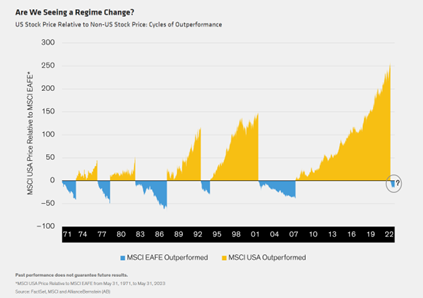
When it comes to their equity portfolios, US investors have historically exhibited a high degree of home-country bias. But in today’s fast-changing global market landscape, they may find that there are good reasons to rethink regional allocations to stocks.
Anne Walsh, Chief Investment Officer for Guggenheim Partners Investment Management, joins Bloomberg TV to discuss fixed-income market opportunities, managing climate change risk, and the Fed’s path forward.
As markets continue to respond to an uncertain macroeconomic environment, the current fundamentals in the municipal bond market are creating an investment opportunity to capture strong after-tax total returns according to Stephen Dover, Head of Franklin Templeton Institute.
I wrote this article in 2030 after I interviewed several retirees whose income plans were designed by ChatRET.
The UK has a complicated, punitive, badly constructed, and all-around dysfunctional tax system.
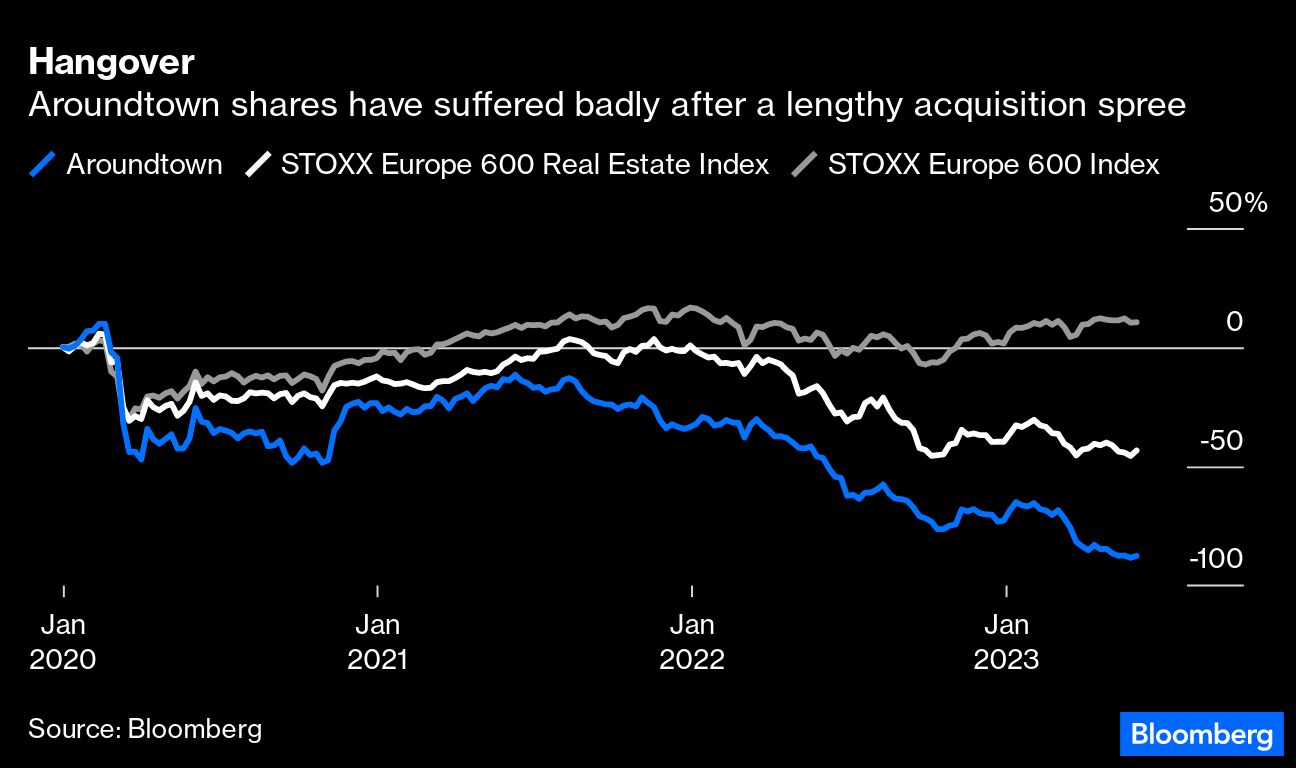
Spare a thought for the other AT1 crowd — not investors in Additional Tier 1 securities extinguished in Credit Suisse Group AG’s rescue, but shareholders in Aroundtown SA, the Frankfurt-listed property firm with the same stock-market ticker.
Having a reliable sales and marketing system that works automatically in the background, bringing in new, qualified leads every month instead of having to go on the hunt, allows you to prioritize your work in a meaningful way.
The debt ceiling crisis has been averted—but this short-term relief might come at the cost of greater future peril. Franklin Templeton Fixed Income CIO Sonal Desai analyzes the debt-ceiling resolution and delves into the potential longer-term risks that rising public debt poses to financial markets.
Value equities have faced years of tough sledding, outside a run of outperformance following “vaccine day” and the lift-off from zero rates. Broadly, this has left value stocks extraordinarily cheap relative to growth. However, looking closer, the cheapest 20% of stocks – what we call “deep value” – trades unusually cheap today despite offering surprisingly attractive fundamentals.
Andy Rothman provides a first-hand perspective from his first trip to Shanghai and Beijing since the start of COVID in 2019.
Transitioning into the post-COVID investment environment shifts the foundations of portfolio construction that investors relied on in recent decades. On full display in 2022, inflation and recession risk punished both bonds and stocks together to historic declines.
The first few years of the 2020s have seen a number of acute economic, financial, and geopolitical disruptions on a worldwide scale, and it will take time for the ultimate consequences of these shocks to be fully felt.
Despite market headwinds, investors remain bullish on real estate. As traditional sectors, like office and retail, continue to underperform, farmland presents an opportunity for investors seeking capital preservation and downside protection.
We have used the word “unprecedented” to talk about the economy during and after COVID. We have never before locked down economic activity, while printing trillions of new dollars to help finance trillions of extra government borrowing to pay people not to work.
Global bonds are slumping after two shock interest-rate hikes this week served traders a reality check that central banks are far from done fighting inflation.
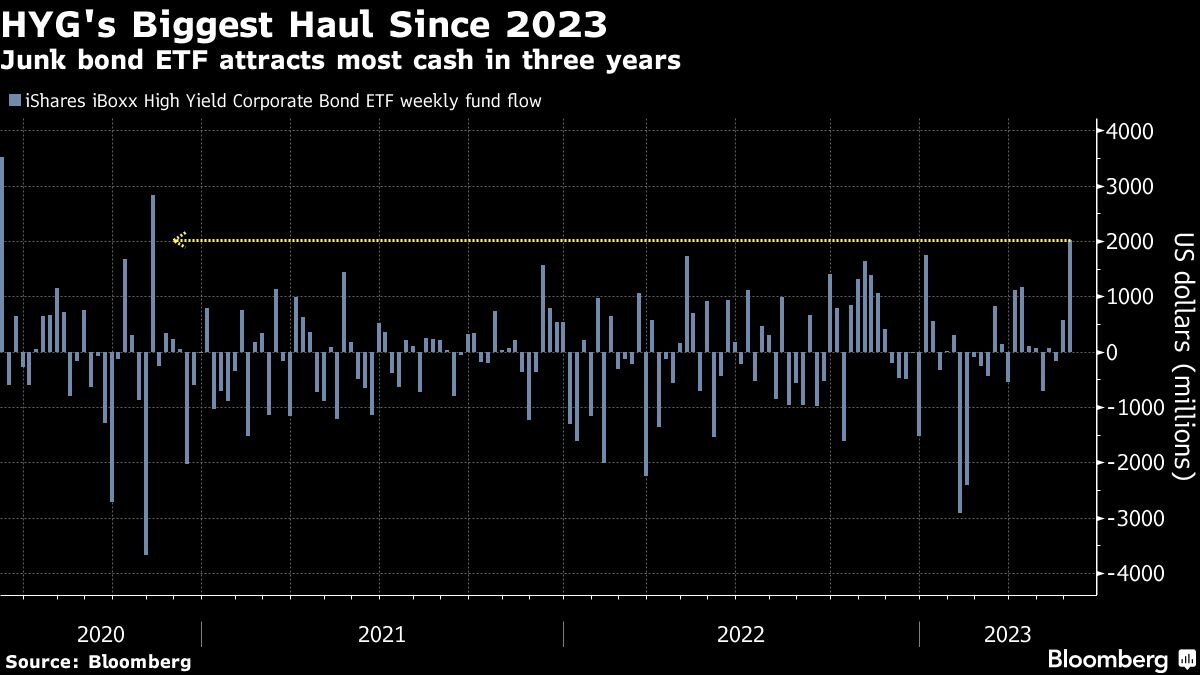
Investors are piling cash into the largest junk bond exchange-traded fund at the quickest pace in nearly three years amid a broad rebound in risk assets.
The collapse of Silicon Valley Bank will likely lead to tighter credit conditions as banks pull back from lending. Private credit managers are poised to fill the void that banks have left and can negotiate favorable terms, according to Franklin Templeton Institute’s Tony Davidow.
Real estate ETFs have become a popular investment option for investors who want to gain exposure to the real estate market without owning physical properties. However, with some experts predicting a real estate recession, advisors may be wondering if such funds remain a good option.
Zehrid Osmani, Head of Global Long-Term Unconstrained at Martin Currie, discusses the recent positive earnings reports from large U.S. banks and explains why their firm has no plans to invest in the banking sector.
Investors have had a lot to contend with thus far in 2023. Moderating economic growth, persistent inflation, volatile interest rates, falling profits, stress in the banking sector, war in Ukraine, and the debt ceiling debate all combined to weigh on sentiment.
Earlier this month, WealthManagement.com announced the finalists for its 2023 Industry Awards (the “Wealthies”). VettaFi is one of two firms to be recognized for outstanding achievement in research innovation. The Wealthies was the first award program of its kind to honor companies, organizations, and individuals supporting financial advisor success.
“Owning bonds is better than white-knuckling it in stocks in an economy that is going into a recession,” Jeffrey Gundlach said.
US corporate bond investors are getting a new artificial intelligence-powered tool aimed at helping them more easily make electronic trades with increased transparency in the notoriously opaque market.
The once-hot Wall Street trades of 2023 are all falling apart, in a fresh blow to market pros blindsided again and again ever since the pandemic broke out.
Chief Economist Eugenio J. Alemán discusses current economic conditions.
Top Silver Mining CEO: "On the demand side, it’s pretty phenomenal…"
We see the market’s focus returning to higher-for-longer rates and sticky inflation after a U.S. debt ceiling deal. We prefer an up-in-quality portfolio.
Fixed income indices have helped modernize fixed income markets by providing a method for standardization. Fixed income tradable indices go a step further by underlying tradable instruments like ETFs and swaps and thereby building a bridge to investor implementation and actionable insight. Learn how fixed income indices are playing a key role in the evolution of the credit ecosystem.
Exposure to MLPs and Midstream can help investors enhance their income generation and enjoy diversification benefits. Join the experts at VettaFi and SS&C ALPS Advisors for a webcast covering the terrific yield potential in energy infrastructure.
Wall Street has been caught by surprise by a rally in local emerging-market debt, an asset class that’s been largely abandoned by foreign investors after a decade of underperformance.
Too many advisors jump into surge poorly prepared to deliver massive value to their clients. Here are five common mistakes and how to avoid them.
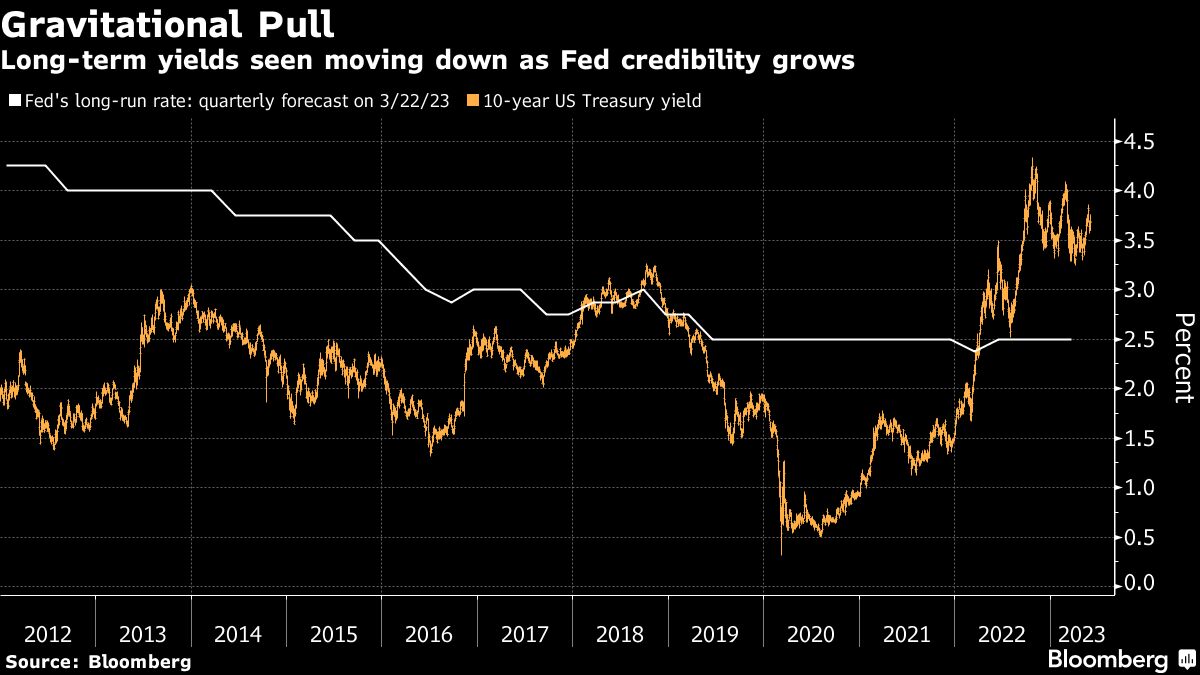
Two years after inflation surged, the Federal Reserve has made limited progress tamping it down. A coterie of investors in the bond market is betting not only that policymakers will win, but that they’re right in anticipating the era of low long-term interest rates will return.
Doug Drabik discusses fixed-income market conditions and offers insight for bond investors.