Meta Platforms Inc. is in talks to spend billions on Google’s AI chips, the Information reported, adding to a monthslong share rally as the search giant has made the case it can rival Nvidia Corp. as a leader in artificial intelligence technology.
Nvidia CEO Jensen Huang turned heads earlier this month when he told the Financial Times he believes China will win the artificial intelligence (AI) arms race due to the country’s expanding power capacity and lack of regulatory bottlenecks that slow things down here in the U.S.
Sun Life Financial Inc.’s newly unified asset-management division plans to hire about 20 senior executives as it looks to turn a collection of investment managers into a more coordinated global powerhouse.
We enter 2026 after a year of robust global stock gains on AI optimism, falling interest rates and a resilient world economy. Beneath this stability, however, lies a more fragile environment.
We examine valuations in historical context, how today’s market compare to the tech bubble of the 1990s and what’s driving stock gains now.
Every market needs speculation, but when it spreads into nearly every asset class, investors face a different kind of challenge. Sometimes the smartest move is the least exciting one.
The gains were erased after Federal Reserve officials hinted they were hesitant to cut rates, leading to broad market losses. This challenging environment reinforces the long-term need for investors to seek global diversification outside of the overvalued U.S. dollar and domestic assets.
Thirty-three nations, including new signatories Senegal and Rwanda, have now committed to a global pledge to triple nuclear power capacity by 2050. The World Nuclear Association suggests this ambitious target of installing about 1,200 gigawatts is achievable if governments fully implement their promises. However, other forecasts indicate meeting this goal will be challenging given current capacity projections.
As someone who’s been involved in capital markets his entire adult life, I can safely say that gold investors haven’t seen a period like this in decades. The third quarter of 2025 was nothing short of historic, and in many ways, I believe we’re witnessing the beginning of a new era for the yellow metal.
The “EM-ification” of developed markets has rewritten the investment playbook. Emerging markets are not the weak link in global equities — they may in fact be the stronger foundation. For long-term investors, it is time to reassess.
My first experience with a major economic/stock market bubble was the dot-com bubble of 1998-2000. Many investors forget that the Nasdaq and S&P 500 Index bubble that ended March 10, 2000, was the first bubble in a series of three bubbles.
Chinese equities have performed strongly this year amid a general re-rating driven by easing geopolitical tensions, continued government stimulus and the global AI-related buildout. Portfolio Managers Andrew Mattock, CFA, and Winnie Chwang explain the drivers of the rally and the opportunities and challenges ahead.
Consumers are in a sour mood over inflation and jobs as major retailers prepare to report earnings and offer their outlooks for the holiday shopping period.
Markets don’t sleep over the holidays, but they do slow down. Historical trading patterns show consistent liquidity shifts from late November through early January.
China’s collapsing investment is as unprecedented as it is hard to explain. A plunge estimated at more than 11% in October from a year earlier was the worst single-month performance since the initial Covid lockdowns at the start of 2020, official data showed on Friday.
For decades, these institutional allocators took roughly the same approach to managing the vast piles of cash under their control: They diversified by divvying up the money across asset classes — for example 40% in stocks, 40% bonds and 20% alternatives — then stuck with it by rebalancing now and again when things got out of whack.
For more than a century, New York City has stood as the beating heart of global capitalism. That’s why this month’s election of Zohran Mamdani, a self-described Democratic Socialist, as the city’s next mayor has sent shockwaves through America’s business and investing community.
In his new book, “Peak Human,” Johan Norberg, encourages us to learn about past golden ages and what made them golden. By understanding these culturally and economically special times in human history, and their rise and decline, we can shape our own future in better ways.
2025 has not been just a story of U.S. resilience. The Asia-Pacific (APAC) region has weathered storms and stayed firmly on course.
Even with the government shutdown casting a shadow over Washington D.C., equity markets have continued their upward march, fueled by a trifecta of positive surprises: cooler-than-expected inflation, another rate cut by the Federal Reserve (Fed) and easing trade tensions.
Often framed as rivals, private and liquid credit should instead be viewed as powerful complements for both issuers and investors. We believe these two markets are settling into a symbiotic coexistence, as the distinctions blur between the likes of direct lending and broadly syndicated loans.
Every innovation follows a lifecycle, from breakthrough to ubiquity to obsolescence. The Edison bulb once lit up the world, transforming how we lived and worked. But it was ultimately replaced by more efficient and sustainable alternatives.
Nothing says gold is hot quite like a story that big US banks are considering getting back into the business of holding other people’s bullion.
The Halloween week Fed meeting was more trick than treat for bonds with only a mild and temporary scare for stocks. As soon as Chair Powell signaled the next cut is “not a foregone conclusion – far from it!,” the Dow swooned before recovering about half the drop, while the 10-year drifted higher.
As global rate pressures ease and fundamentals strengthen across key economies, conditions appear increasingly favorable for EM local bonds and currencies.
Tucked into President Donald Trump’s trade deals formalizing higher tariffs on goods from Asia this week are provisions for a global economic frontier the US wants to stay free of protectionism: digital commerce.
The consumer sector was in sharpest focus during the conference. That wasn’t surprising, given the negative headlines surrounding fraud allegations at subprime auto financer Tricolor Auto Acceptance and its subsequent bankruptcy filing.
The politics of the government shutdown are about to get trickier. Today is Day 28 of the government shutdown. The Senate will be in session this week, but the House of Representatives remains in recess.
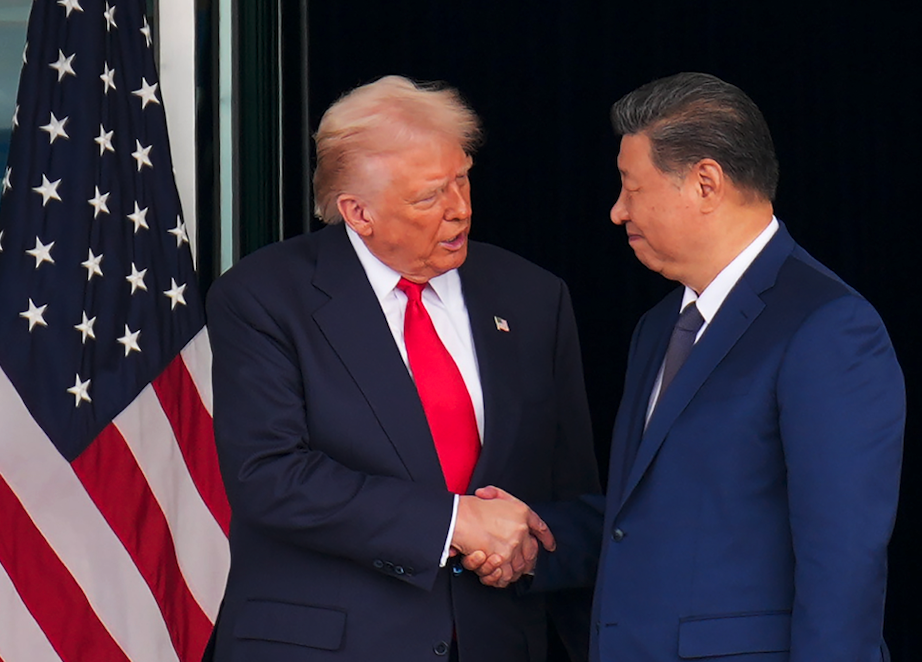
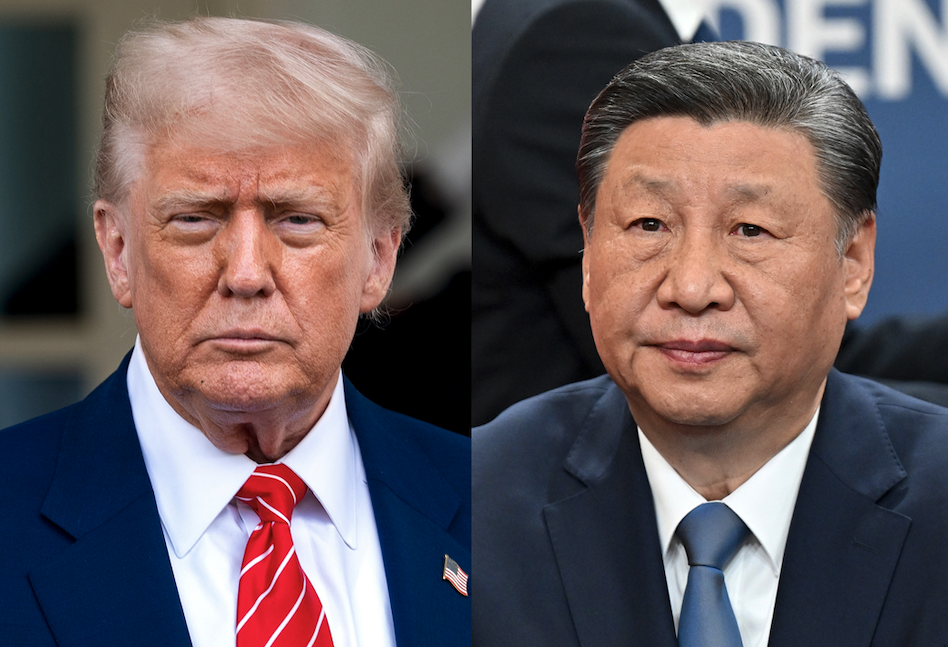
US President Donald Trump emerged from his meeting with Chinese leader Xi Jinping beaming, labeling the conversation “truly great.”
Treasuries fell the most in nearly five months after Federal Reserve Chair Jerome Powell cast doubt on a December interest-rate cut, even as a sagging labor market prompted policymakers to bring down borrowing costs Wednesday.
Investors plowed cash into exchange-traded funds that buy China stocks last week amid optimism that it was nearing a trade deal with the US ahead of an upcoming meeting between the two countries’ respective leaders.
Earlier this week, several of my friends texted me in frustration, letting me know that they couldn’t place trades on Coinbase or Robinhood. The culprit wasn’t market volatility or government regulation, but something far more mundane: a cloud outage.
This reviewer found Breakneck one of the most provocative and insightful national-level policy discussions he has come across: Despite its shortcomings, the general reader wishing to understand just why China seems to be overtaking the US, and what can be done about it, cannot do better.
A meeting Thursday between Presidents Donald Trump and Xi Jinping is set to be one of the key diplomatic events of the year, with the US-China economic relationship at stake following multiple rounds of escalating tensions and temporary truces.
Bold calls to “run to gold, silver, and bitcoin” make for strong headlines, but they oversimplify the reality of modern finance. As we’ve seen, money supply growth is not inherently a sign of debasement but reflects economic expansion. Far from being destructive, government deficits flow directly into private-sector savings and stabilize household balance sheets.
Not all low volatility strategies are created equal. The goal may be simple — smoother returns with less risk — but execution determines success. Portfolios built only on historical volatility can leave investors vulnerable.
A weakening greenback is being compounded by global de-dollarization and lower interest rates, creating an environment for emerging markets (EM) ETFs to prosper. In turn, more investors are flocking into EM equities, but for more targeted exposure, South Korea could present an intriguing alternative.
China is leveraging its position as the world’s largest creditor to help broaden usage of the yuan, offering overseas borrowers the chance to benefit from economically-depressed interest rates at home by ditching the dollar.
Earnings season gets underway this week, with reports from major banks providing the first look at corporate performance. The technology sector is expected to be the standout performer with over 20% projected earnings growth, driven by the ongoing "AI arms race".
Since the shutdown began, air traffic controllers and TSA agents have been working without pay. Many are calling in sick, leading to longer lines and more flight disruptions.
Monetary and fiscal policy are now decisively stimulative to the economy thanks to interest rate cuts and the passage of the One Big Beautiful Bill Act. This should provide a tailwind to investments.
The third quarter demonstrated the market’s ability to focus on powerful, long-term themes like technological productivity and monetary policy, even amidst significant short-term political noise. While large technology companies were once again a driver of headline returns, the positive performance across nearly all global asset classes rewarded a diversified approach.
We examine the broader implications of China’s threat to expand restrictions on rare-earth exports.
In just two years, India has gone from being the best-loved emerging market to the most sold, and now investors are bracing themselves for yet another quarter of disappointing corporate earnings.
Asset managers are looking to raise new private credit funds aimed at emerging markets to capitalize on an explosion of financing deals in the sector this year.
CIO Sean Taylor assesses a strong quarter for emerging markets which was driven by returns in North Asia and Latin America, and AI-related themes.
China’s sweeping new restrictions on rare earth exports mark its first major effort to police the global flow of critical minerals it dominates, using the same playbook that allows the US to wield power far beyond its shores.
Earnings season kicks into high gear this week, with the big banks unofficially firing the starting gun on Tuesday.
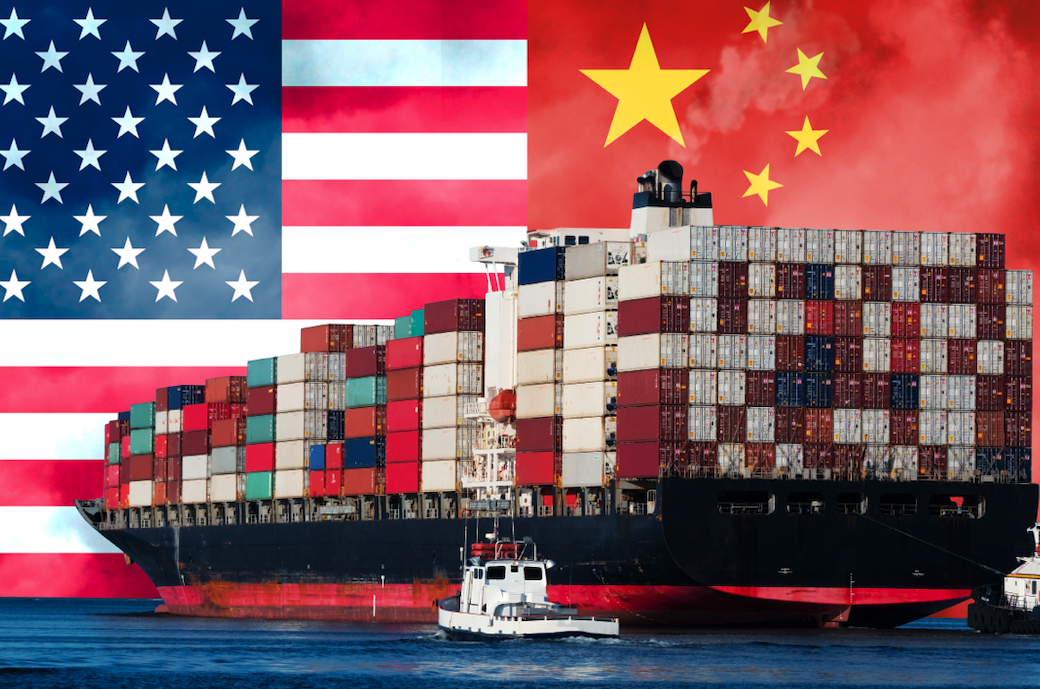
After joining the World Trade Organization (WTO) in 2001, China’s trade with Latin America grew an average of 31% a year for approximately the next decade. In 2024, bilateral trade between the two regions hit $518 billion, overtaking the U.S. as South America’s top trading partner.
Private equity secondaries transactions likely will surge to a record in 2025. Learn what’s driving institutional investors to use them.