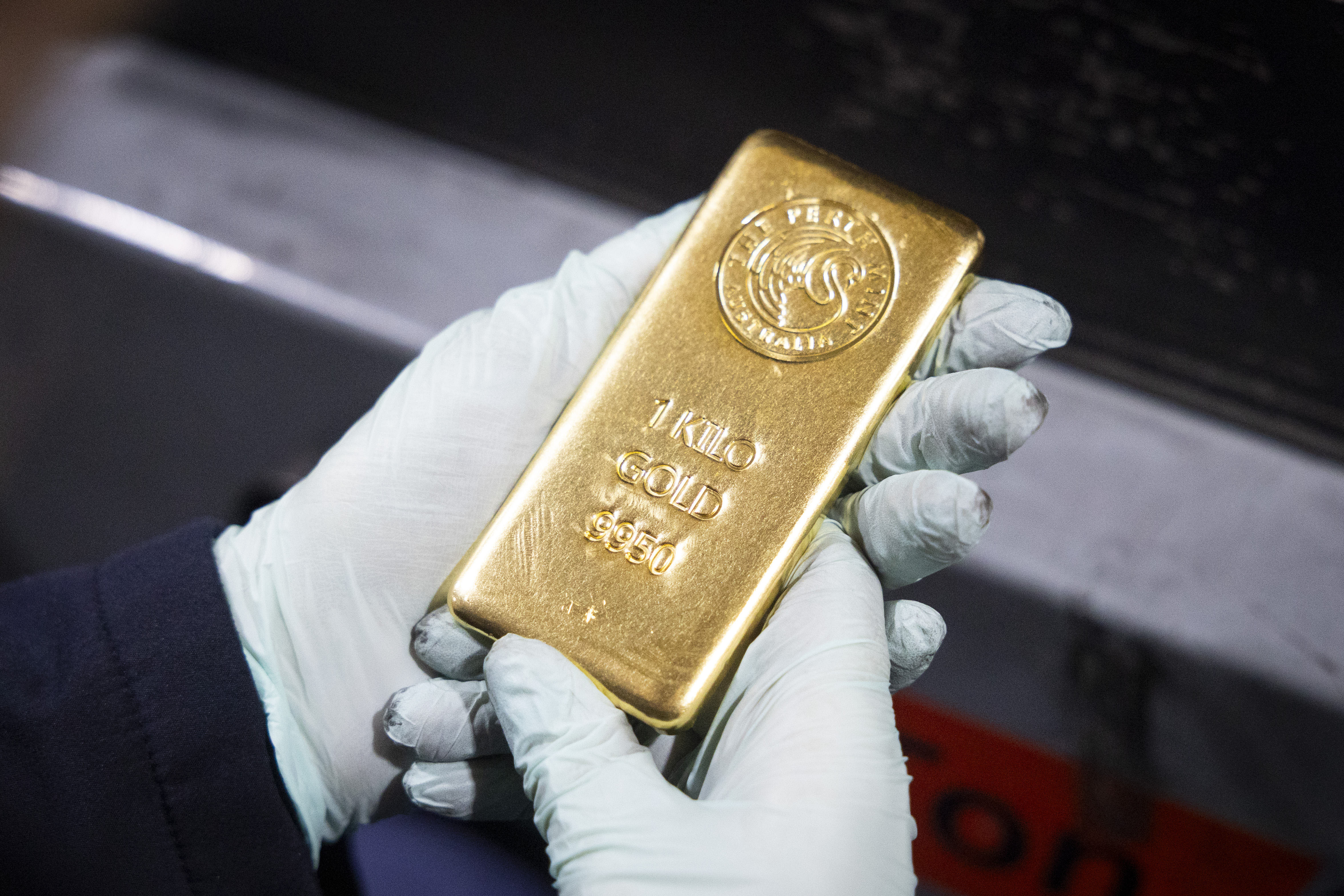
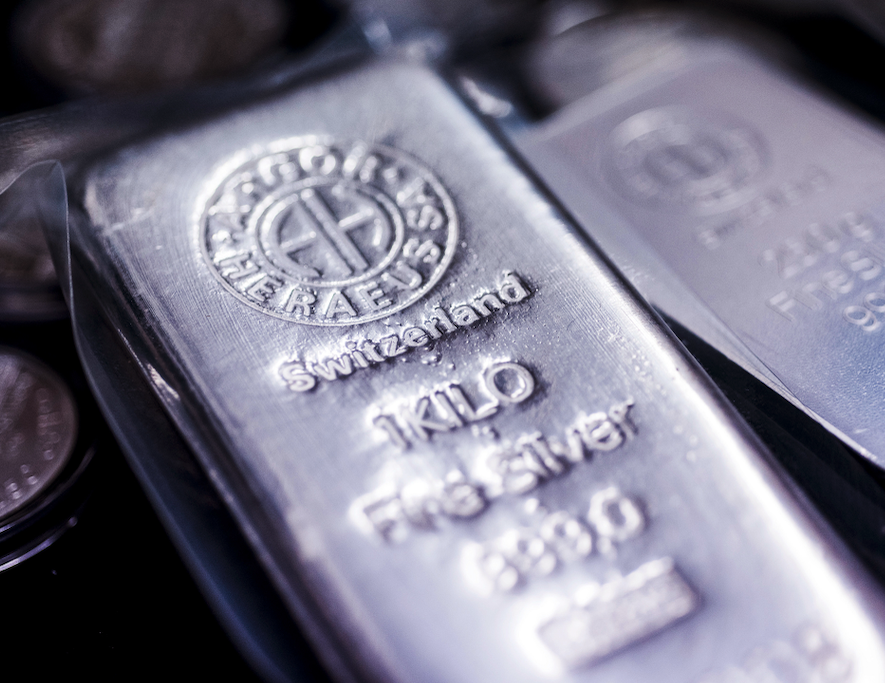
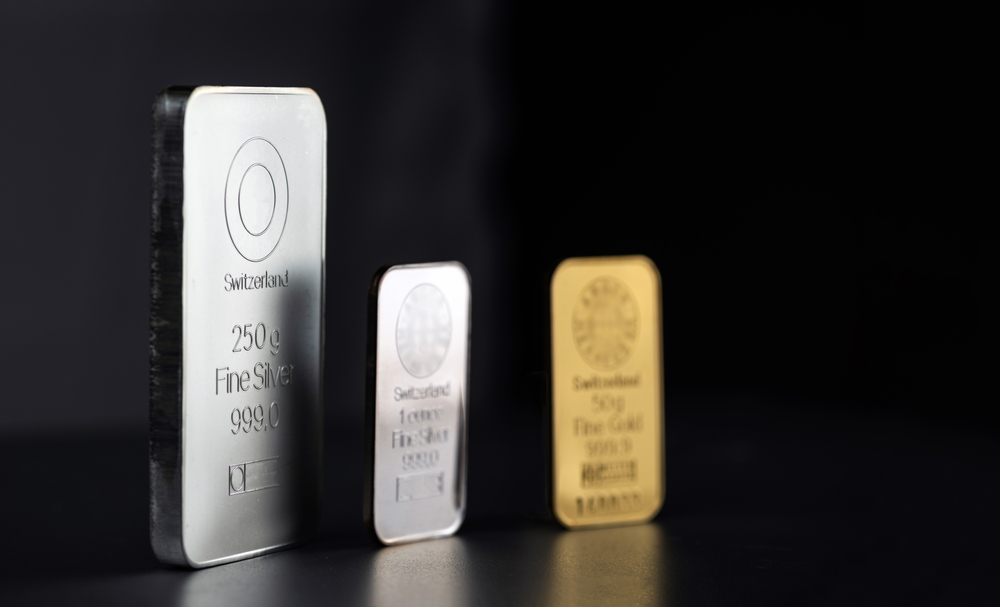
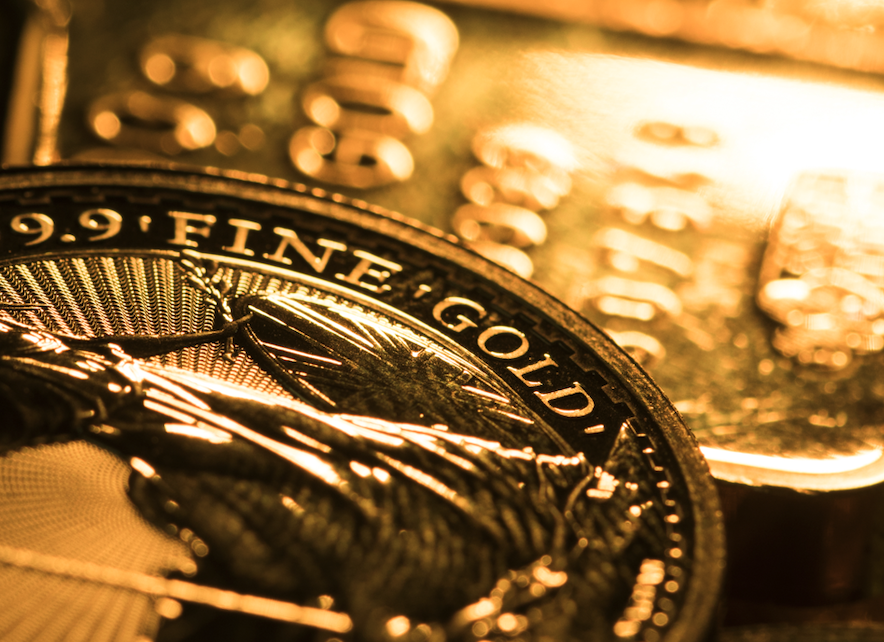
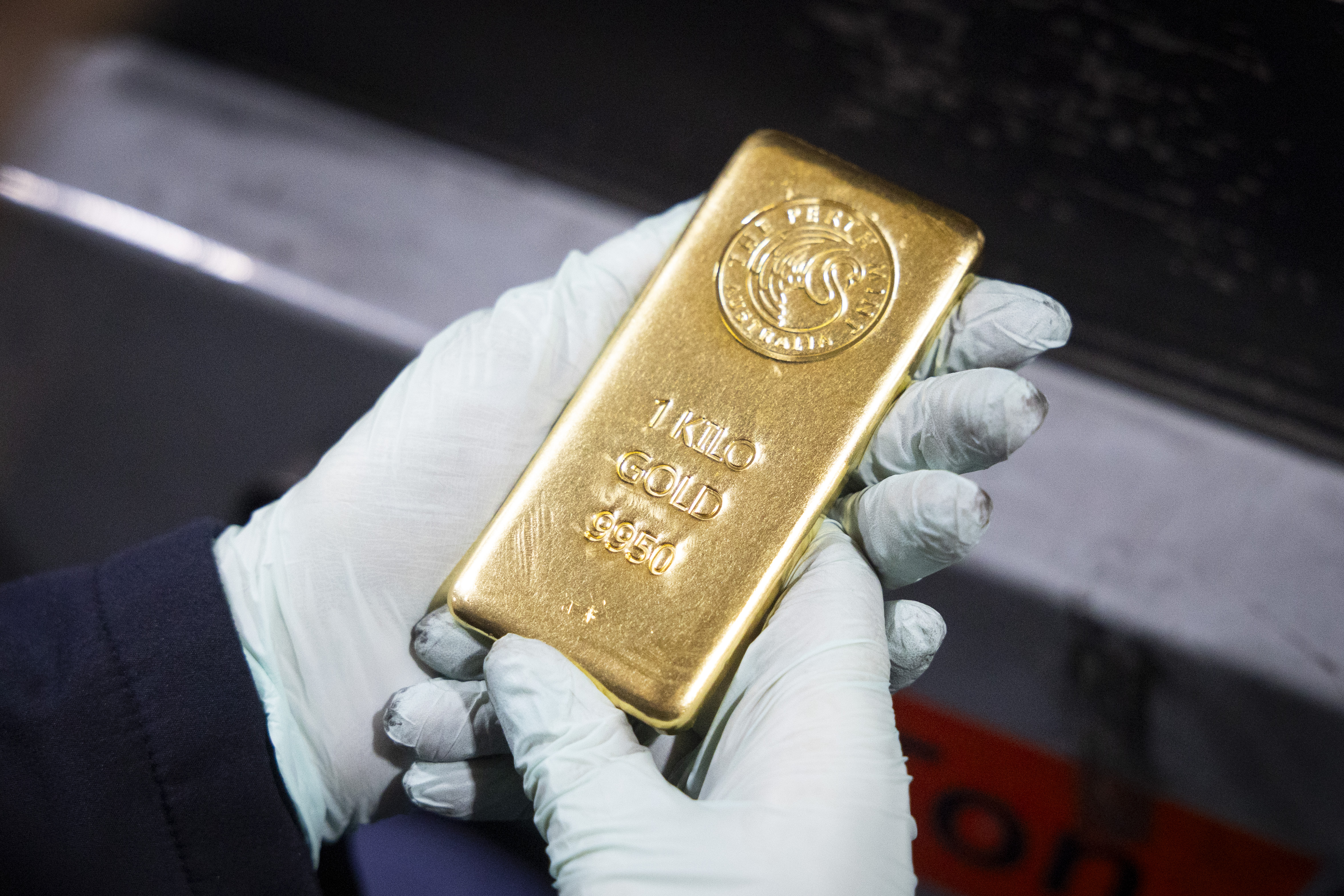
Gold surged to a record above $5,500 an ounce, extending a breakneck rally fueled by a weaker dollar and investor flight from sovereign bonds and currencies to a ninth day.
Coming into 2026, investors face a landscape shaped by persistent inflation, evolving US monetary policy and global uncertainty. At Parametric, our systematic and customized approach is designed to help clients navigate these complexities while preserving after-tax returns.
The US is coming off a period of remarkable equity-market dominance. Over 11 of the past 15 years, US equities outpaced their non-US peers—sometimes by sizeable margins. But last year, the pattern reversed dramatically.
Blackstone Inc. is planning to hire more people across Asia to tap growing opportunities in private markets, said Ed Huang, the firm’s head of Asia Pacific private wealth.
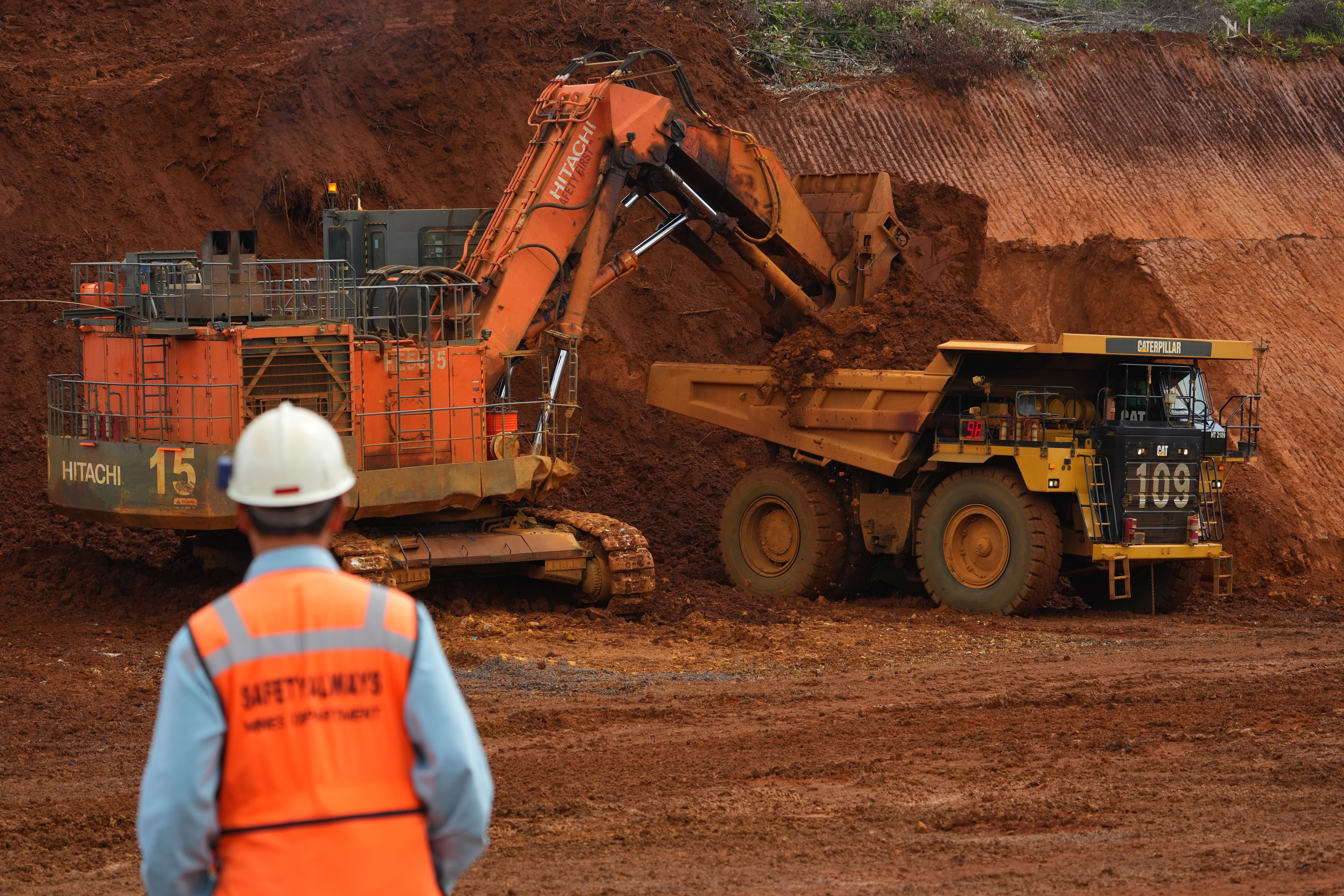
Mining stocks in Asia and Europe climbed with metals prices as investors rotated into hard assets, driven by a weakening dollar and growing unease over currencies, geopolitics and global fiscal risks.
By asking New York traders to confirm the price of the Japanese yen against the dollar on Friday, US authorities handed investors yet another reason to sell the greenback.
The Bank of Japan’s recent policy shift is sending shockwaves through global markets. Headlines this week highlight the dollar’s tumble against the yen and renewed chatter of an unwind to the massive yen carry trade, estimated at over $500 billion.
Investors are pouring cash into emerging-market funds at a record pace as momentum builds for a rotation out of US assets.
Greenland has reemerged as a center of geopolitical attention. Its location midway between Washington and Moscow, combined with its position along maritime routes linking the Arctic and Atlantic Oceans, has long made it a focal point for trade.
Seven hundred billion dollars. That’s the figure being floated as the potential price tag for acquiring Greenland, according to recent reporting. Call me skeptical, but I don’t think anyone’s cutting a $700 billion check anytime soon. For comparison’s sake, that’s more than half of the Defense Department’s entire 2024 budget.
The MSCI Emerging Markets index rallied more than 30% in U.S. dollar terms, easily outpacing the S&P 500 and other developed market benchmarks. And many are expecting that broader outperformance to continue in 2026 – thanks to a combination of macro developments, valuations and AI exposure.
EMs are entering 2026 from a position of renewed strength. A weakening U.S. dollar, improving fundamentals, and broadening country and sector leadership have created a favorable backdrop for investors—and we believe
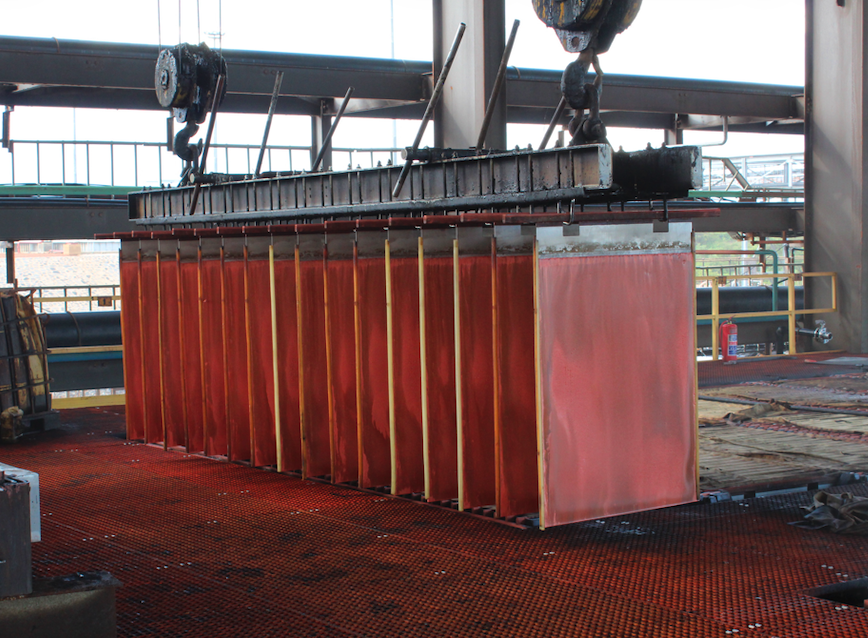
Metals extended their dramatic start to the year — with gold, silver, copper and tin all hitting record highs — as investors piled into the commodities as a red-hot alternative to more traditional assets.
The bullish AI narrative that dominated in 2025 is unlikely to continue overshadowing other lingering uncertainties, many of which reflect deeper structural shifts. Traditional factors underlying economic activity will be increasingly sidelined by national-security concerns, geopolitics, and domestic political machinations.
What happened in Venezuela last weekend may turn out to be the most consequential energy and geopolitical event of the decade. In a swift, coordinated operation that stunned the world, U.S. forces captured Venezuela’s longtime socialist dictator, Nicolás Maduro.
Looking ahead, we enter the new year with cautious optimism. Trade agreements have removed the most severe tail risks, but the underlying picture is mixed: inflation remains above target in the U.S., labor markets are softening, and central banks are no longer moving in unison. The key question for 2026 is whether the Fed can continue easing or whether persistent inflation forces a pause.
In 2025, the S&P 500 delivered double-digit returns for a third straight year. Heading into the fourth year of the bull market, Raymond James Chief Investment Officer Larry Adam identifies 10 themes to watch in 2026.
The probability of strong earnings and growth-friendly policies should make emerging markets attractive to investors in 2026, in the view of Templeton Global Investments.
Alaska Air Group Inc. is ordering 110 Boeing Co. aircraft, laying the groundwork for a global network with the largest investment in new planes in the airline’s history.
LPL Research reviews 2025 market predictions: key wins, misses, and lessons across equities, fixed income, and the U.S. economy.
Silver was the best-performing commodity last year, up an astounding 145%, but precious metals as a whole delivered solid returns. Gold, silver, platinum and palladium all responded positively to a number of factors, from rising geopolitical tensions to changes to global trade to the accelerating energy transition.
From an investment perspective, the financial ramifications operate on two levels — direct and indirect effects. The most direct effect is visible in the distressed debt market. Bonds issued by PDVSA, Venezuela’s state-run oil company, remain in technical default but had already begun a sharp rally in mid-December. Investors, anticipating an increased likelihood of regime change, have now seen that thesis validated.
In 2025, the prices of precious metals rose sharply, with silver prices recently surging past $80 per ounce. Of course, when precious metals rise, there is always the same group of commentators (mostly paid newsletter writers and physical metal dealers) to declare that a financial analysis is underway.
Now, as we turn the page to 2026, new challenges await: geopolitical tensions, lofty valuations, and an evolving macro backdrop. That’s why we’re excited to unveil our Ten Themes for 2026, inspired by Mission: Impossible, celebrating the 30th anniversary of its first movie this year.
Emerging-market stocks posted a strong start to 2026, following a $7.2 trillion annual rally, as Asia’s expanding role in artificial intelligence lifted Chinese technology shares to their biggest gains since September and pushed benchmarks in South Korea and Taiwan to record highs.
Trillions of dollars hang in the balance of two questions that dominated this year and loom perilously large over the next. “Will the artificial intelligence bubble burst?” and “Will China beat the US?”
As we pass the halfway mark of the 2020s, comparisons now abound between our current decade and the roaring 1920s. F. Scott Fitzgerald best captured the opulence of the Flapper Era in The Great Gatsby, “They were careless people, Tom and Daisy — they smashed up things and creatures and then retreated back into their money or their vast carelessness.”
South Korea has been the top performer in 2025 in emerging markets equities through December 15, generating a 70.9% return in U.S. dollar terms. It has outperformed peers as well as developed markets, including the U.S.
Planet-warming greenhouse gas emissions kept rising in 2025 and country pledges to cut them are nowhere near where they need to be to avoid catastrophic climate change, but there were silver linings too.
CIO Sean Taylor reviews a year of strong performance across key Emerging Markets and Asia and looks ahead to robust investment opportunities in 2026.
This week, President Donald Trump ordered a blockade of oil tankers entering and leaving Venezuela, dramatically escalating U.S. pressure on the Maduro regime.
Energy can be either an enabler or a constraint. The latter happens when our creativity gets out of sync with the energy we can apply to it. This is happening right now and will get worse as artificial intelligence data centers demand more power than we have available.
Macro Signposts highlights takeaways from the data analysis conducted by our team of economists and other experts.
Three years ago Mustafa Ismael launched Karcsham Co., a Kenya-based company that resells Starlink devices and manages subscriptions for thousands of customers across a dozen African and Latin American countries.
Gold and silver hovered near record highs, after slower-than-expected inflation in the US supported bets for more interest-rate cuts.
Market participants said the longer-term outlook for the sector remains upbeat as power demand is too high to be met by Big Oil alone. And the rally this year is far from overdone, with the clean-energy stock gauge remaining about 73% below its 2007 peak.
A generation ago, a single income could support a family, buy a house and pay for a vehicle or two in the driveway. Today, even two high earners are struggling to purchase a new home.
Our year ahead explores what could challenge the consensus outlook, how rate-cut expectations shape market behavior, and why quality, dividends, and broader opportunities may matter more than investors realize.
Around this time, most mutual fund and exchange-traded fund (ETF) providers release estimates of their upcoming distributions. We track and aggregate these early numbers to help you better prepare for what to expect.
Gold ETFs globally reported net inflows of gold for the sixth straight month, driven by a strong surge in Asian investment.
I’ve lived through several bubbles and read about others, and they’ve all hewed to this description. One might think the losses experienced when past bubbles popped would discourage the next one from forming. But that hasn’t happened yet, and I’m sure it never will.
A conventional data center uses between 5,000 and 15,000 tons of copper. A hyperscale data center, on the other hand—the kind being built to run artificial intelligence (AI)—can require up to 50,000 tons of copper per facility, according to the Copper Development Association.
While some corners of energy markets have looked pretty frothy of late, one segment has Wall Street betting it won’t get trapped in a bubble: grid tech stocks
Amidst geopolitical tensions, global defense has become one of the most persistent and outperforming investment themes in 2025, even in the absence of a major crisis. Investors are increasingly diversifying into international defense markets through new and existing ETFs, recognizing the exposure to rising non-U.S. military budgets and the resilience of long-term contracts.
Gold holdings in exchange-traded funds climbed to a month-end peak, a sign that investor inflows are continuing to add fuel to bullion’s scorching rally.
While the AI-driven rally in US mega-cap growth stocks grabbed attention in 2025, a very different story was unfolding far from Wall Street. Outside the US, from Europe to Japan, value stocks shed their perennial underdog status to stage a dramatic recovery—one that we think may just be getting started.
Kostas Bintas, the high-profile head of metals at Mercuria Energy Group Ltd., has renewed his bullish prediction for copper prices as he warned that a rush to ship metal to the US risks draining the rest of the world’s inventories.
The trade dispute with the U.S. is proving to be a 'full-blown blizzard' for Canada, threatening to freeze cross-border commerce in a deeply integrated relationship. Despite the majority of goods remaining duty-free, new tariffs—reaching 35% in key sectors—have caused a sharp decline in Canadian exports, pushing the nation toward recession.
Despite facing rising tariffs and trade barriers globally since the U.S.-China trade war began in 2017, Chinese exports have surprisingly continued to grow. Total annual exports have expanded by 58% since 2017, reaching a staggering $3.58 trillion, which is a performance far better than many analysts predicted given the severity of the trade conflict.
Wall Street’s macro traders are headed for their best year since 2009 as clients rushed to place bets on changing interest rate policies by central banks around the world.