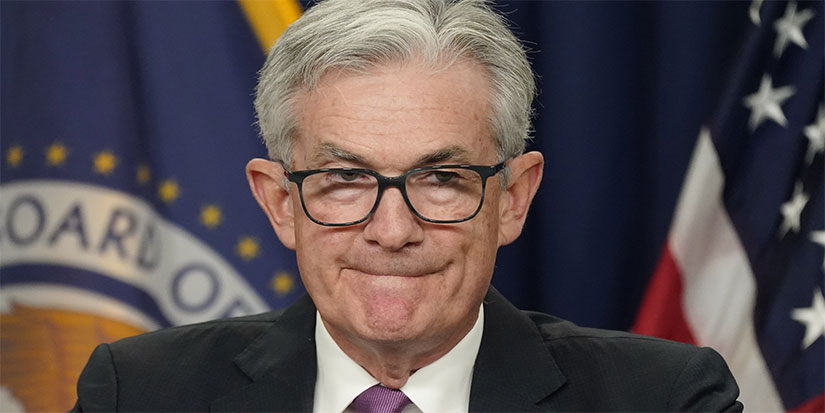
The Federal Reserve once again voted unanimously to raise rates by three-quarters of a percentage point - 75 basis points (bps) - today, bringing the target for the federal funds rate to 3.00 – 3.25%, and signaled expectations for continued hikes ahead.
Innovation was the market darling thematic for many years leading up to COVID.
Portfolio Manager Michael Oh, CFA, says attractively valued companies are growing in Asia unfettered by inflationary headwinds.
Direct indexing is the fastest growing segment of the asset management industry. In this interview, Brandon Thomas of Envestnet explains how direct indexing helps clients gain low-cost, tax-efficient exposure to asset classes, ESG and quantitative strategies.
Despite widespread use in institutional portfolios, alternative investments are not typically found in US defined contribution plans.
I wrote an article last month regarding the 10 things I got wrong about financial planning over my 20-year career. As it happens, I also got some things right and was happy when I was asked to write about them.
New research shows that portfolios that owned companies that provide climate solutions outperformed ones that owned firms with low carbon intensity. Before you adapt that approach, however, beware that this research relies on a small sample of data over a short time period.
Bull or bear, in stocks lately, the punishment has been the same. Swift and brutal.
Populations are aging, and the economic consequences will be substantial.
After countless delays, the Ethereum “Merge” finally took place this week, switching the blockchain protocol from proof-of-work (PoW) to proof-of-stake (PoS).
Over the years, I’ve explained at length why I’m not interested in forecasts, but I’ve never devoted a memo to explaining why making helpful macro forecasts is so difficult. So here it is.
Dividends and dividend-paying stocks are getting renewed attention in recent months.
If the consumer price index report for August that showed inflation remains much hotter than forecast was not enough of a shocker, then talk that the Federal Reserve needs to raise interest rates in even bigger chunks starting with its meeting next week surely is.
Yesterday’s inflation print was a big surprise—a bad one.
Opponents of passive, index-based investing frequently claim that large-cap stocks are overvalued, and a market-cap-weighted index unduly exposes investors to those mispriced securities. That is a false statement.
When the supply and demand for bonds normalize, bond investors will realize that economic, inflation and other factors warrant much lower yields.
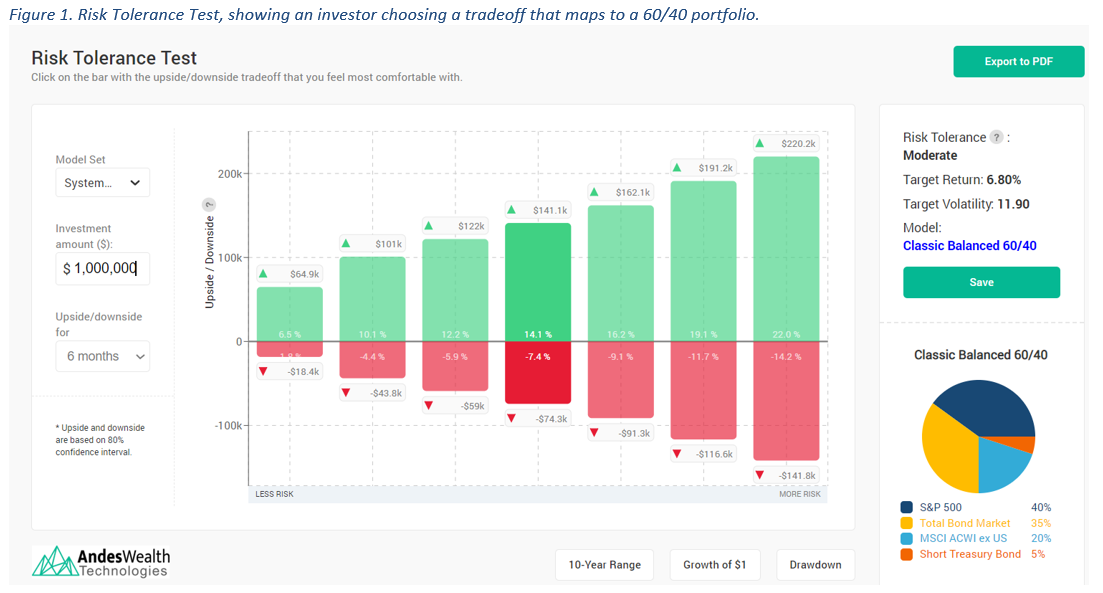
Investor risk tolerance drives portfolio decisions, yet many financial advisors are rightly concerned about the accuracy of risk tolerance assessments. Why is it so hard? How can we get it right?
“CPI Tuesday” doesn’t have the same ring as some other regular market dates, but there’s little denying that no single data release matters more these days than US consumer price inflation. Tuesday morning’s release on price rises in August will matter a lot.
Earning the coveted charter requires passing a notoriously difficult, three-part exam. But with a clear plan and supportive colleagues, it’s doable and rewarding.
Advisors won the last war – true professionals achieved victory by adopting fiduciary principles and providing comprehensive planning. But a new battlefront has emerged – what I call the “next argument” – and achieving victory will slow and painful.
ESG investing is growing rapidly in retail wealth management. But most of the large ESG ratings providers are focused on institutional asset managers, not retail wealth managers.
Today, about 1% of our vehicles are electric. What will happen in 2035 when many more EVs need to be charged, potentially during another heatwave?
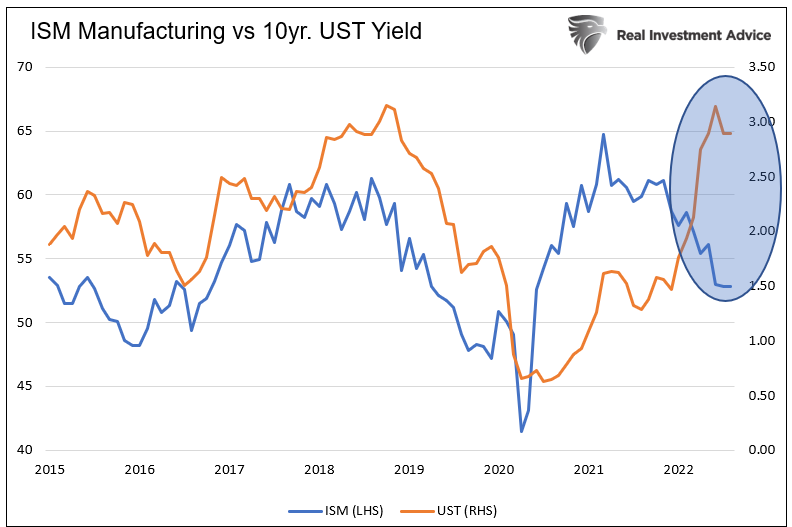
Many ask if Jerome Powell can emulate Volcker. We will certainly find out. But much has changed in 42 years. Does Powell even need to emulate Volcker? Here, some prominent economists disagree. Today we’ll talk about the issues.
Why is the first-term governor of Florida the most visible opponent of Wall Street's fastest-growing and best-performing business?
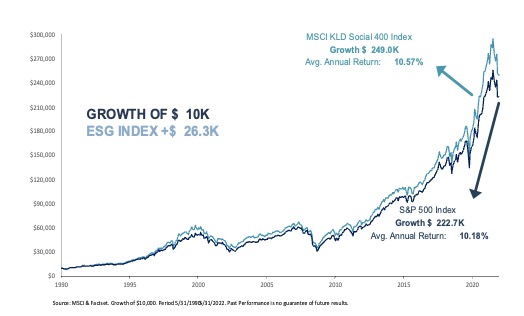
Some of the attacks on ESG in 2022 were merited.
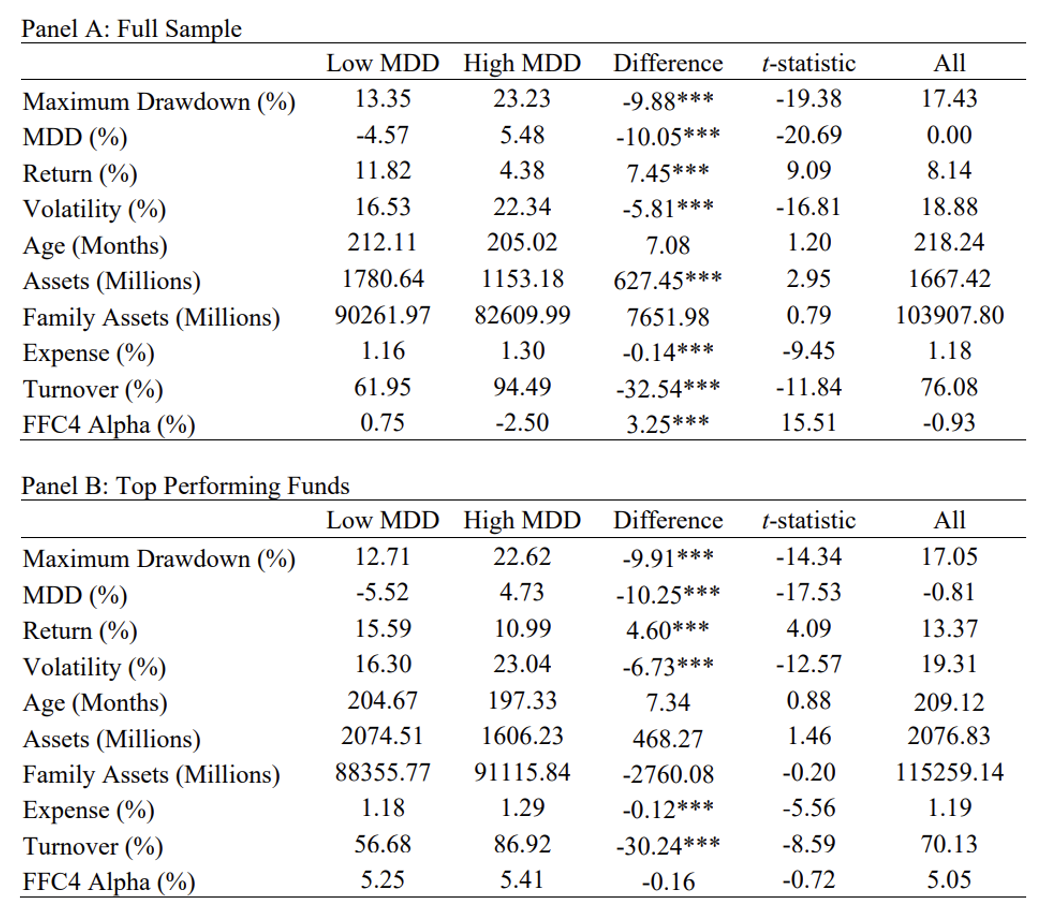
Technology has made it possible for us to walk on the moon once again, yet academic research has failed to find a way to identify outperforming mutual funds. But a new study shows that may be possible.
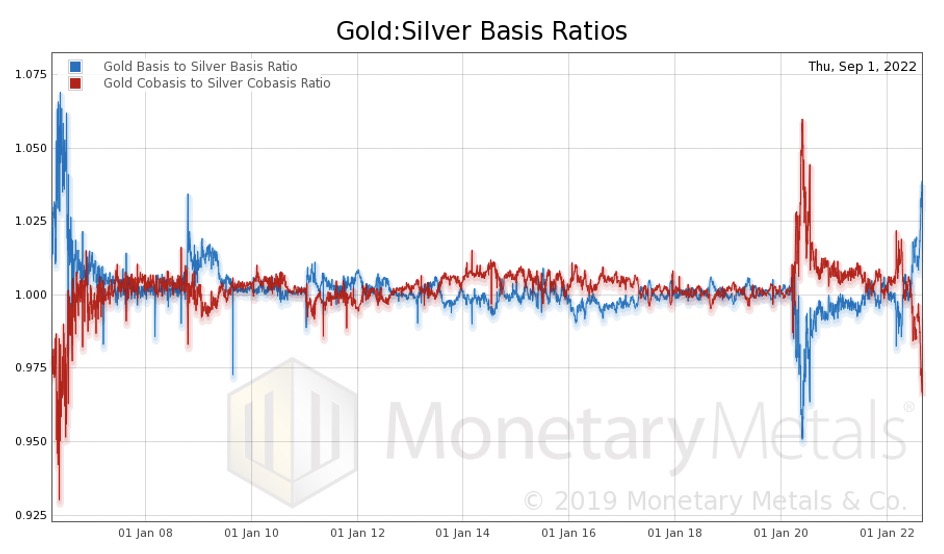
The silver market is showing signs of scarcity that haven’t occurred in years. Key indicators continue to stray further from normal market conditions, and we break down why.
The crash in cryptocurrencies was not a unique contributor to investor suicides. It just happened to be the financial crisis de jour.
After a cruel summer, crypto fans might be in for an unforgiving September, too.
New research shows that Forbes' annual list of the best companies to work for are also some of the best stocks to own.
With the recent increases in interest rates, the carry trade has had a sudden resurgence in performance, which could make it a tempting strategy for investors.
Professional stock pickers are beating the market in a scale not seen in more than a decade.
This article considers a change in behavior that would generate a price-wage spiral.
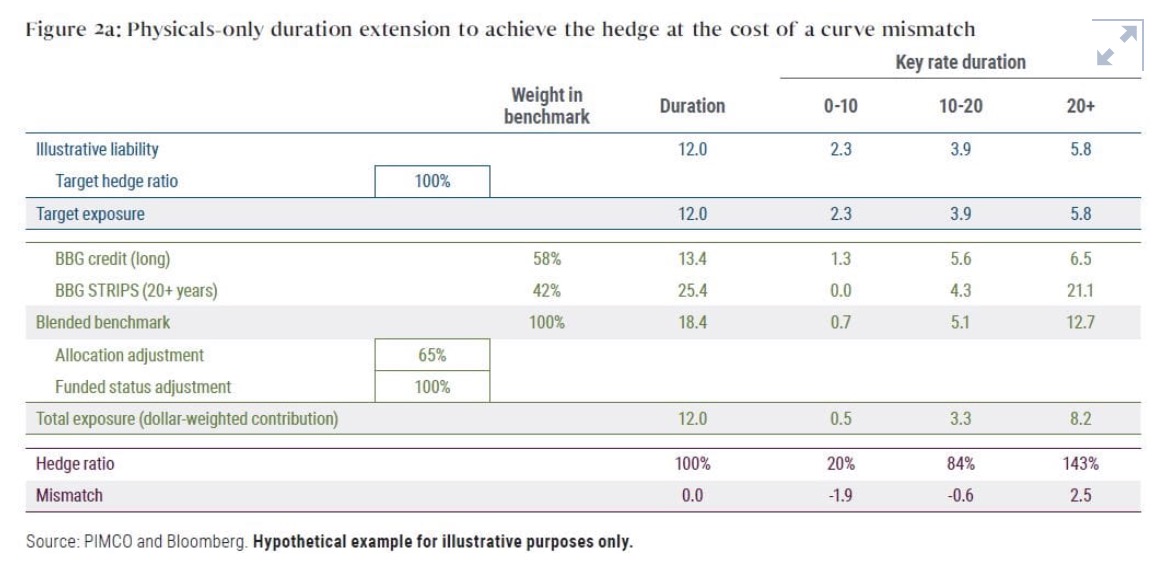
The value of completion mandates for defined benefit plans depends on the stage of the de-risking journey.
In times of ongoing high market volatility and crisis, investors and portfolio managers face the challenging task of assessing investment-related risks and possible returns
One of the most popular and reliable touchstones of investment strategy is value.
Equity markets plunged to start the week based on increased FOMC pressure to raise rates to combat inflation.
I explain how attempts to view advisor compensation through a moral lens instead of an economics lens lead to false conclusions about the relative merits of each pricing model and hence to misguided predictions for the future of planner compensation.
If reshoring doesn’t become a significant trend over the next decade, it never will.
When Nick Twidale reaches his desk in Bridge Street each morning, in the heart of Sydney’s financial district, he’s greeted by a seemingly endless slew of dollar buy orders.
Some of the world’s biggest bond investors say the market is wrong to expect central banks to score a long-term win in the war against inflation.
Over our decades of involvement in emerging country debt markets, we’ve witnessed many ups and downs.
Summer was supposed to be a period of relative inactivity in markets, and it seemed as though A-Team traders were free to go about their vacation plans without fear of missing out on significant developments.
We normally start our letters on a positive note.
Cryptocurrencies suffered a sharp selloff as global markets retreated after US Federal Reserve officials reiterated their resolve to keep raising interest rates until inflation is contained.
Winter is coming for Europe, and energy prices are soaring as international sanctions on Russia curb the supply of natural gas, on which many European Union (EU) countries have increasingly become dependent.
If Wall Street is right, the big revival in value investing in the post-lockdown era is in danger of falling apart all thanks to the resurgent bond market.
The market contraction presents better opportunities than we’ve seen in years to generate income, which we balance against the need for resilience in the face of a potential recession.
As prologues go, the first six months of this year have been a doozy.
Having worked with many wealth management firms on transformation initiatives and implementing technology solutions, my experience has been that their evaluation criteria focus too much on the cost of the initiative.