Goldman Sachs Group Inc.’s consumer bank Marcus is offering the highest interest rate for its high-yield savings account since the pandemic began.
Demography isn’t destiny. If population size was history’s major determinant, China might have conquered Europe in the 15th century, and Britain certainly would not have conquered India in the 18th.
U.S. stocks have come off the worst levels of the day and are threatening a move into positive territory.
Peloton Interactive Inc. will embark on a sweeping overhaul that includes cutting nearly 800 jobs, raising prices for its Bike+ and Tread machines, and outsourcing functions such as equipment deliveries and customer service to outside companies.
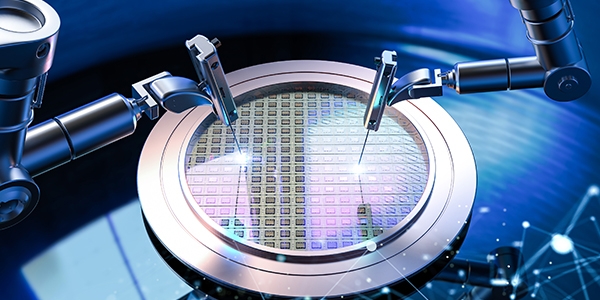
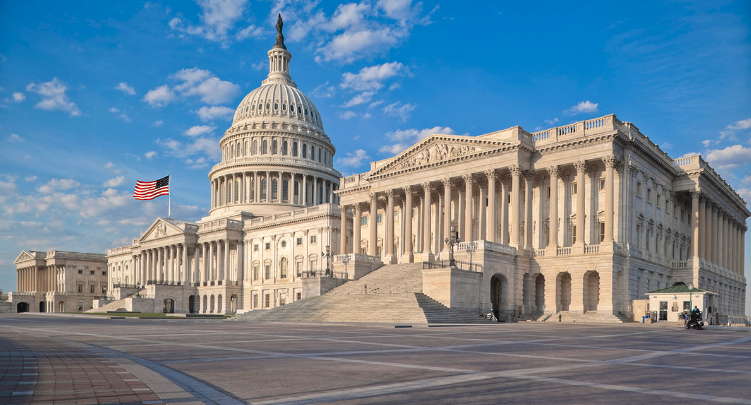
The bipartisan Creating Helpful Incentives to Produce Semiconductors for America Act, or CHIPS Act, was signed into law this week, setting aside $52 billion to boost domestic semiconductor research and production.
Let’s talk about something few people have any interest in talking about this year.
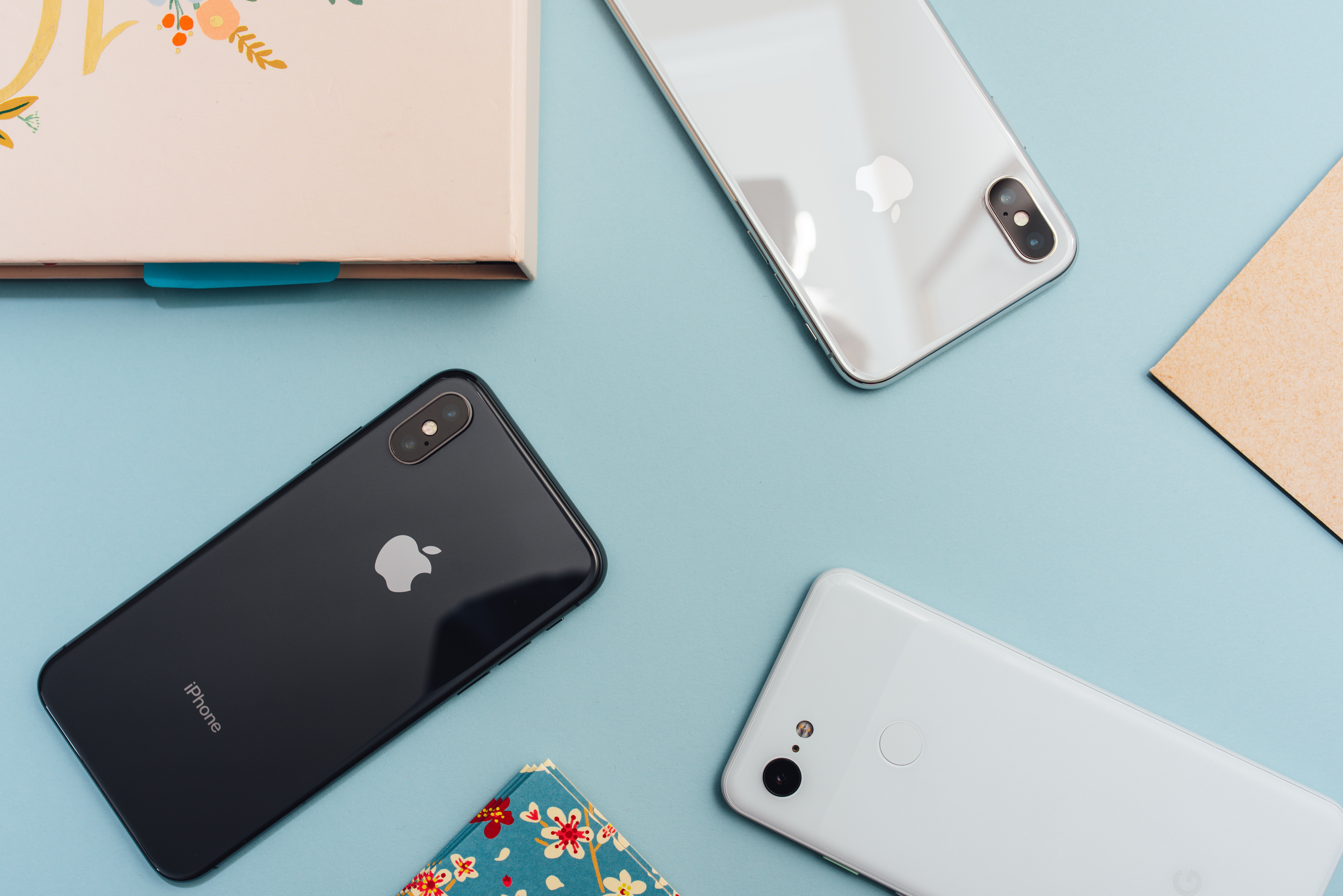
Apple Inc. has asked suppliers to build at least as many of its next-generation iPhones this year as in 2021, counting on an affluent clientele and dwindling competition to weather a global electronics downturn.
U.S. stocks are moving upward, continuing yesterday's rally, as the markets digest the release of the Producer Price Index.
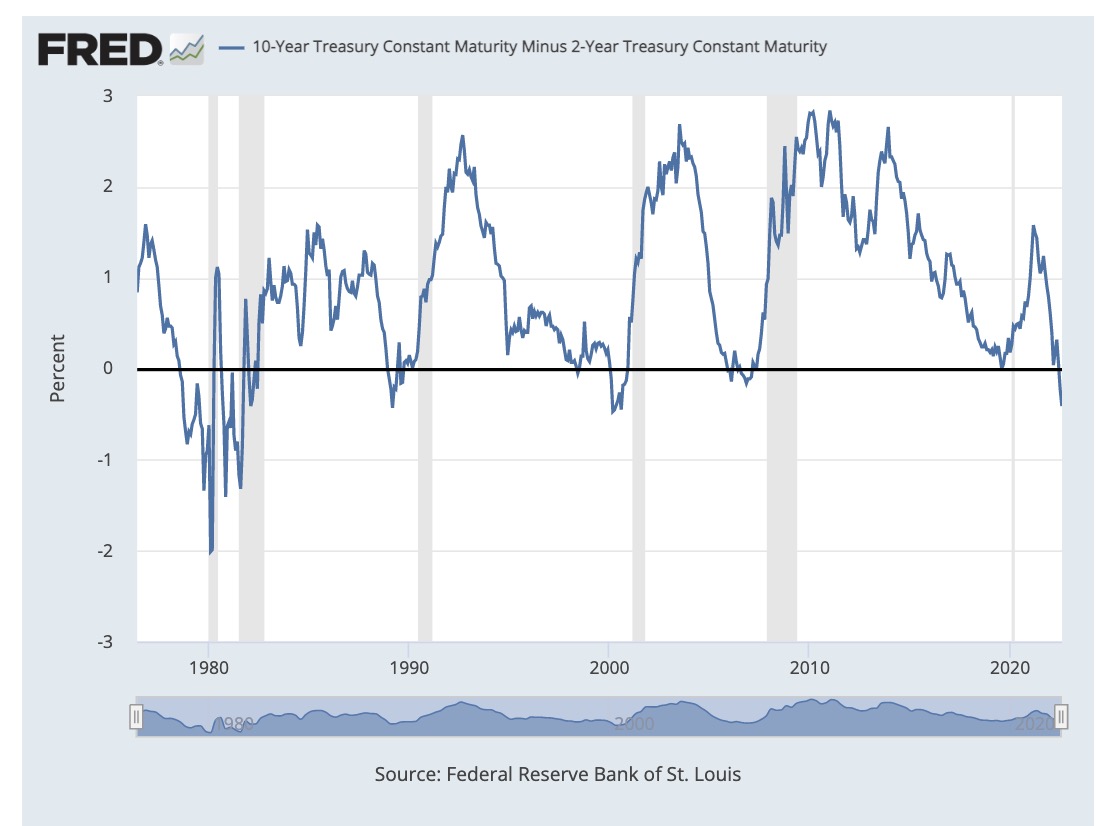
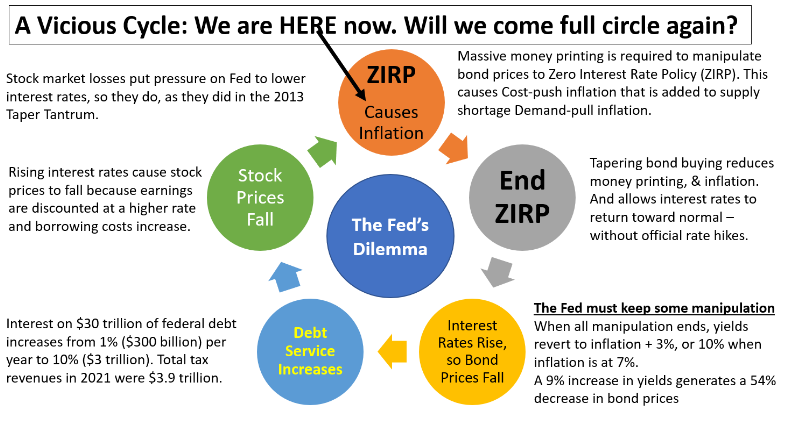
If you have an aversion to the mathematics that go with the bond market, you’re not alone. It’s complicated and counter-intuitive, based in concepts that are hard to visualize.
Micron Technology Inc., the leading US maker of memory semiconductors, became the latest chipmaker to declare that demand is falling off rapidly. It warned investors that revenue won’t meet projections, sending industry stocks tumbling.
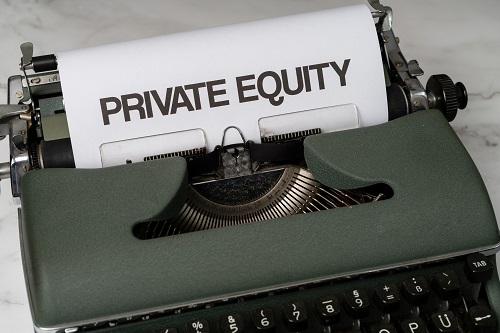
When the liquidity tide recedes, investors from sovereign wealth to billionaire family offices are getting even more impatient with hedge funds. They are discovering that a lot of these expensive money managers don’t really hedge, and the pivot toward private equity was the right decision after all.
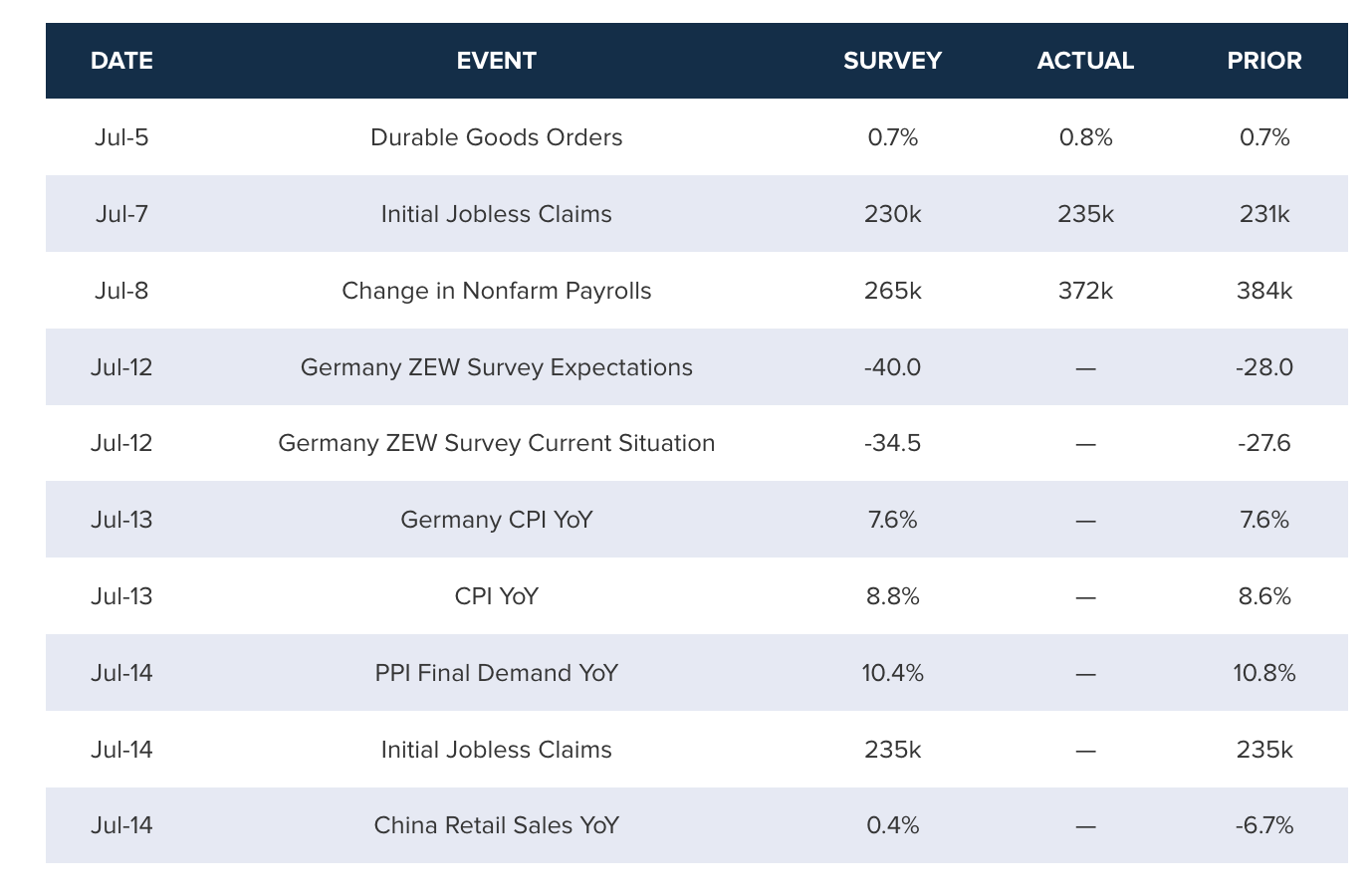
U.S. stocks are trading mixed in pre-market action, with the markets anticipating tomorrow's start of a flood of July inflation data.
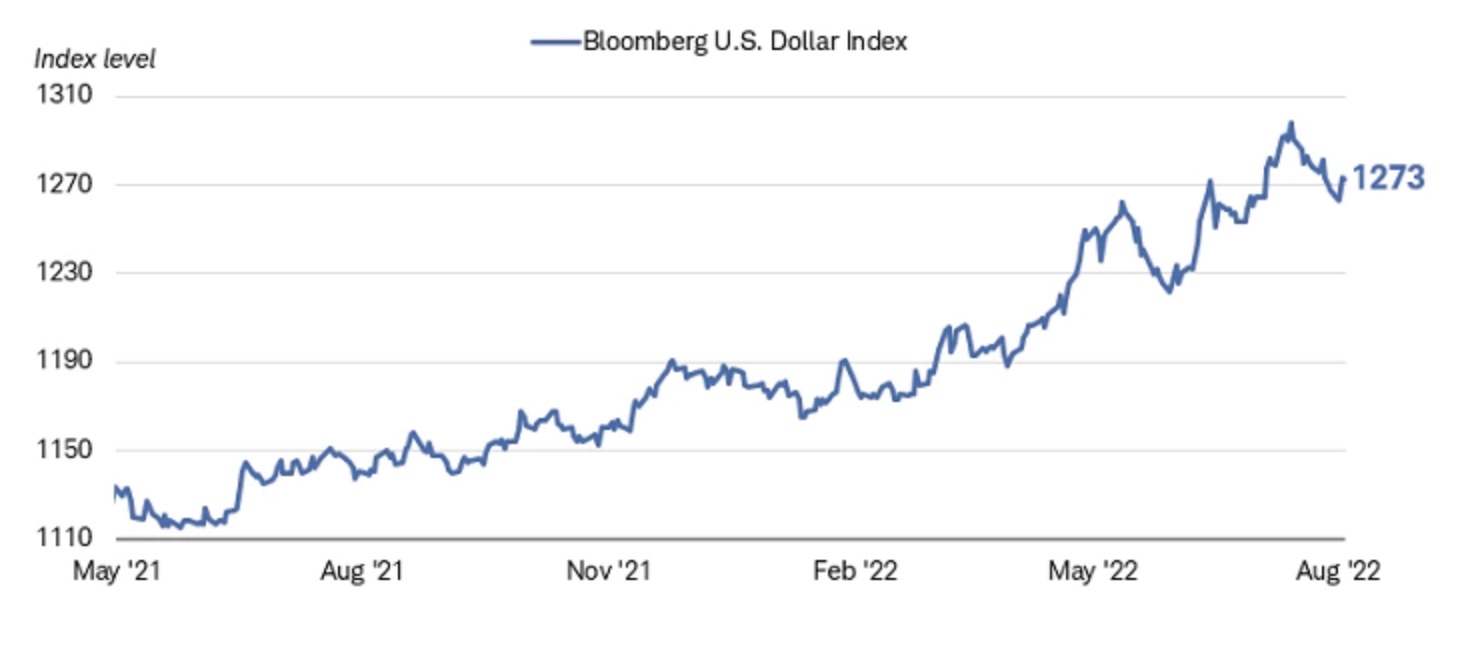
A trifecta of factors support the dollar, including the relatively strong performance of the U.S. economy, tightening monetary policy by the Federal Reserve, and safe-haven buying.
The CHIPS and Science Act, which President Joe Biden is poised to sign into law next week, was pitched as a once-in-a-lifetime chance to revitalize the US semiconductor industry and counter Asia’s manufacturing power.
As of last month, the U.S. jobs market fully recouped the number of jobs that were lost due to the pandemic, in less than half the time it took following the previous downturn.
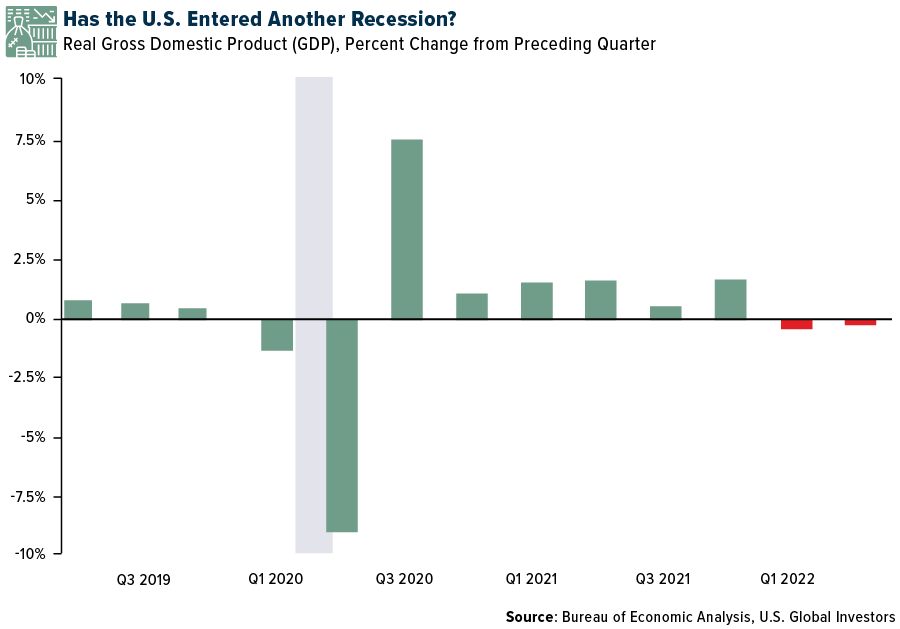
We didn’t need the reported two consecutive quarters of declining real gross domestic product —the unofficial determination of a recession—to tell us the US economy is already in, or at least close to, a business downturn.
CIO Robert Horrocks, PhD, says well-managed companies, not inflation and interest-rate cycles, will determine long-term investment returns.
We meet the official definition of a market correction and the unofficial definition of a recession, and we’re close to the definition of high inflation. Market corrections can and have caused recessions. Be prepared for all three problems coexisting for many years.
U.S. equities finished mixed in choppy trading amid a host of data, events and cautious Fedspeak driving sentiment.
After getting thrashed in the era of low interest rates, the last remaining hedge fund managers dedicated to the world of foreign exchange are in fighting spirits this year.
Although supply constraints and depletion brought these bouts of inflation, there’s a universal conviction that government spending and the massive “printing” of money is the culprit, and that the only solution is to raise interest rates. Three simple points contradict this conventional wisdom.
So did the U.S. just enter a recession? It depends on who you ask.
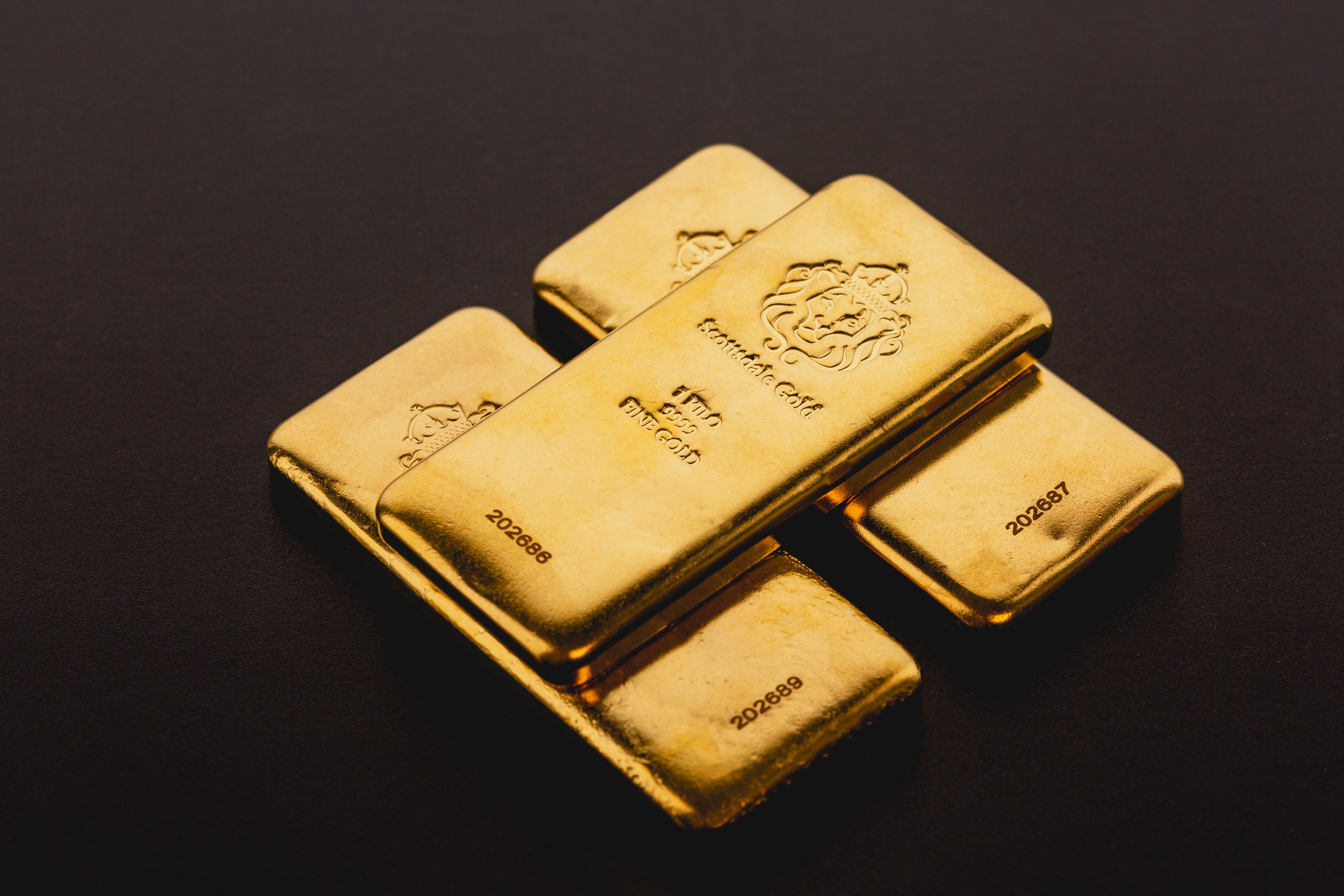
Gold climbed after the US economy shrank for a second consecutive quarter, pushing the dollar and Treasury yields lower, and clouding the outlook for further aggressive interest-rate hikes as the Federal Reserve fights inflation.
Chair Jerome Powell said the Federal Reserve will press on with the steepest tightening of monetary policy in a generation to curb surging inflation, while handing officials more flexibility on coming moves amid signs of a broadening economic slowdown.
U.S. stocks are trading higher as the Street is reacting positively to softer-than-expected earnings results from some key companies.
During Tesla’s quarterly results webcast this week, Musk admitted to dumping some $936 million of Bitcoin to raise cash out of concern of an economic pullback due to pandemic lockdowns in China.
U.S. stocks are mixed in a subdued session to close out the week, but remain on target for a sharp weekly advance.
What is Warren Buffett doing with Berkshire Hathaway Inc.’s $8 billion stake in BYD Co.?
U.S. equities are seeing solid gains, as the bulls look to sustain the rise today after failing to do so yesterday.
Working-from-home is so well established that it has its own acronym (WFH) and, presumably, its own syndrome. But what happens if you can’t abide the idea of even two days a week in the office?
If you were considering taking the family on a European vacation, now may be a good time, as the U.S. dollar and euro achieved parity this week for the first time in 20 years.
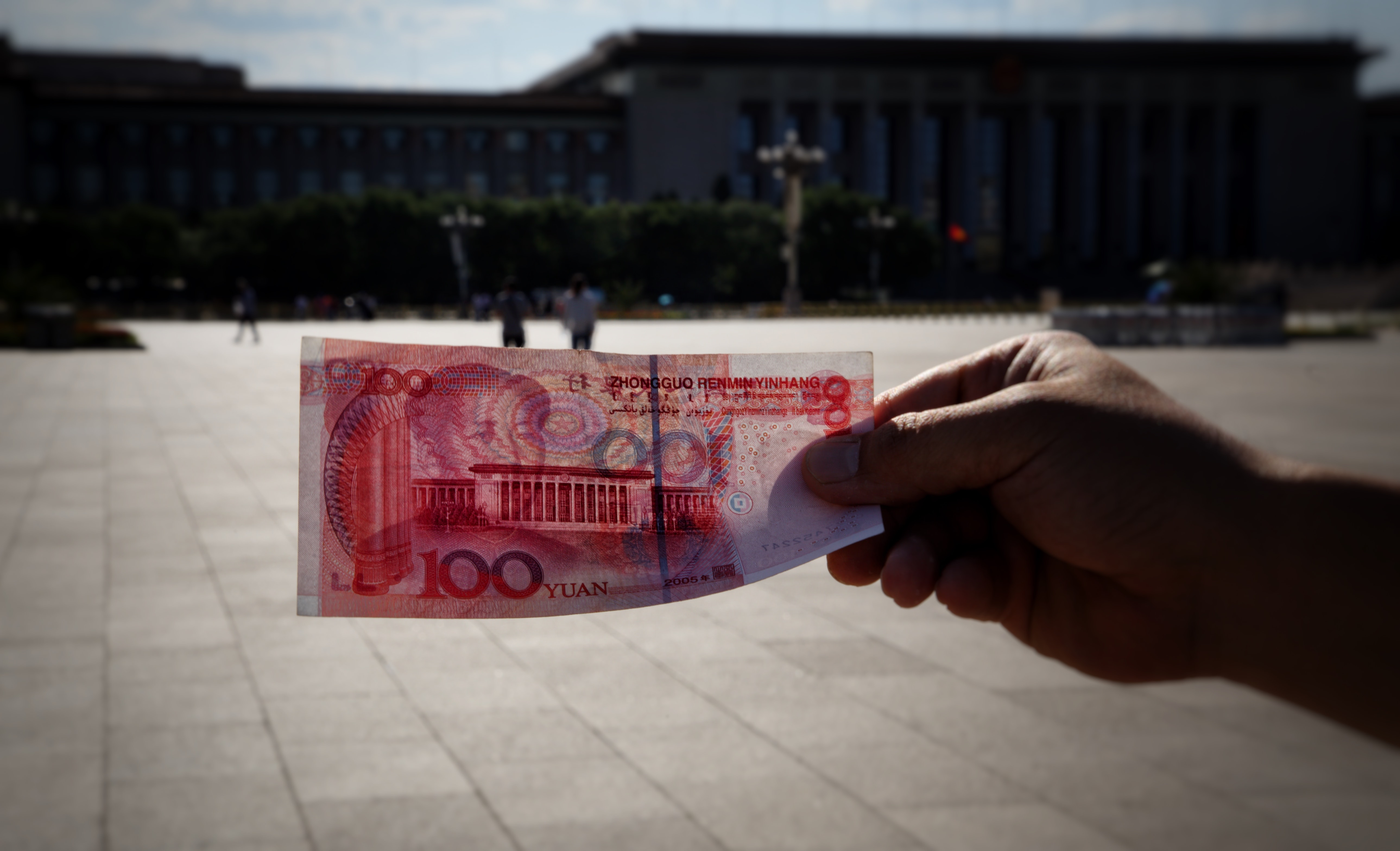
China’s economy narrowly avoided contraction in the second quarter, prompting analysts to call for more fiscal and monetary stimulus to spur growth in the face of rising global recession fears.
One of the vexing questions for China watchers has been the lack of stimulus delivered, despite the maintenance of the government’s 5.5% GDP target for 2022 (although there is skepticism around the ability to reach that 5.5%).
The summer of 2022 has not been a stable season for global energy.
The path to lower inflation without causing a recession—the so-called “soft landing” —has been made significantly more challenging by the events of the last few months.
Gasoline consumers around the world, from families to businesses, have had to deal with record prices at the pump for months...
China’s Ministry of Finance is considering allowing local governments to sell 1.5 trillion yuan ($220 billion) of special bonds in the second half of this year
Revenue above expectations, pandemic federal aid and reserves have strengthened states' financial outlook. But states will need to prepare as pandemic aid winds down and the economy slows.
It’s getting complicated for investors in semiconductor stocks, with last year’s big chip shortage morphing into an inventory glut for some companies, and others getting caught up in geopolitics.
The recession calls are getting louder on Wall Street, but for many of the households and businesses who make up the world economy the downturn is already here.
In an effort to make sense of this mad market — to catalogue in close-to-real-time every one of the EVs on offer at the moment — we’ve produced a rating of electric cars.
U.S. stocks are seeing pressure in early action following the long holiday weekend, with global recession concerns weighing on sentiment.
The global surge in the cost of fuel is starting to weigh on demand, according to the world’s biggest independent oil trader.
After attracting crypto firms, property investors and Russian billionaires, Dubai is drawing a new crowd: hedge fund managers.
No doubt about it, this has been a very challenging market environment to navigate, and we look to be in for more of the same. The Fed will continue to tighten monetary policy, and the longer the conflict in Ukraine persists, the longer we’ll likely feel the pressure from elevated gas prices.
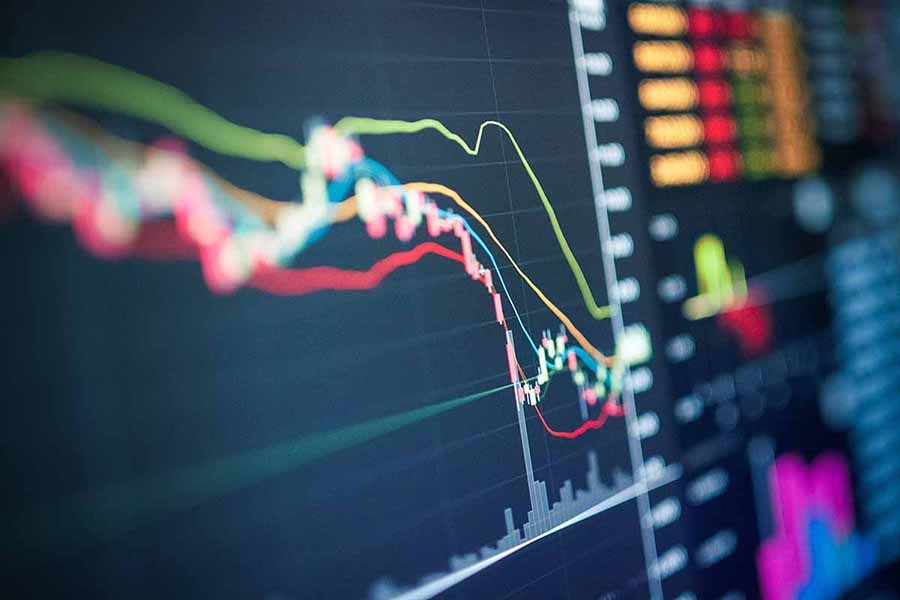
Global risk assets were at the epicenter of a selling spree Friday as investors kicked off the second half of the year with recession concern front and center.
Airbus SE won one of its biggest-ever orders for 292 airliners worth more than $37 billion from four Chinese airlines, a coup for the European manufacturer as it tussles with Boeing Co. for dominance in Asia’s largest economy.
Base metals headed for the worst quarterly slump since the 2008 global financial crisis as China’s economy recovered only gradually and fears of a world recession intensified.
It’s official: Chinese equities are once again in vogue, after months of regulatory crackdowns, deleveraging and stringent virus curbs wiped trillions of dollars off benchmark gauges.
The good news is that yields in US Treasury securities may be near their peak. The bad news is that makes the recession I’ve been forecasting since February more likely.