Despite the massive selloff in equities this year and persistently high inflation, Dawn Fitzpatrick isn’t worried about a recession in the immediate future.
As an advocate of advisors working closely with tax preparers, and as a tax preparer myself, I hear the complaint of unreciprocated referrals all the time from financial advisors. Typically, I respond with questions such as…
I believe one of the most dangerous behaviors is the willingness to invest in highly overvalued stocks.
Let’s look at two overlooked activities you should be tracking to ensure referral sustainability.
If you’ve read the book or seen the movie, Moneyball, you may be familiar with the story of Billy Beane and how he and the Oakland A’s revolutionized sports management. By focusing on data rather than the ‘gut feelings’ felt by his scouts, he re-defined what ‘success’ meant in MLB. Now imagine those techniques applied to portfolio management.
The parallels between the 2020s and the 1970s grow more numerous by the day. The economy faces the threat of stagflation. Fuel prices are surging, and shortages loom. Politicians are flailing. The international environment is deteriorating. The Supreme Court is revisiting the 1973 Roe v. Wade ruling.
The U.S. was experiencing some of the highest inflation in its history.
It's extremely difficult to watch the news and not feel overwhelmed by the avalanche of negative headlines.
U.S. equities plunged, finishing near the lows of the day, following disappointing quarterly results from Target Corporation and Lowe's Companies, with both retailers warning of rising cost pressures.
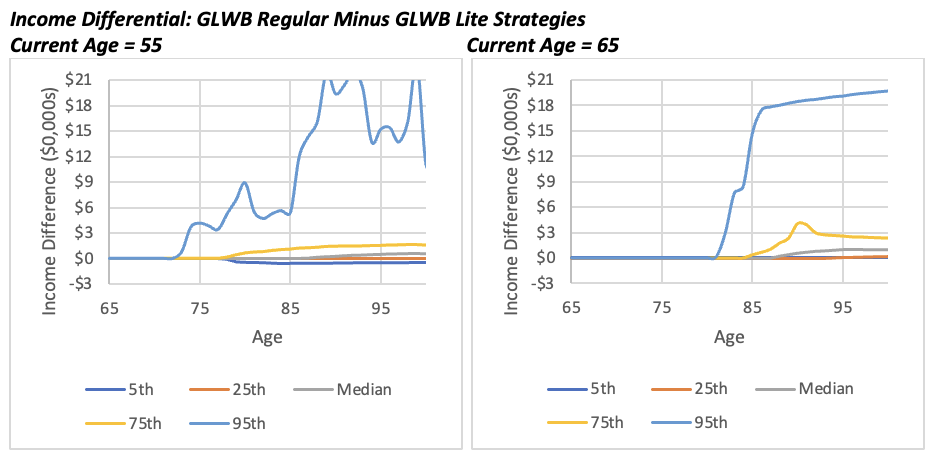
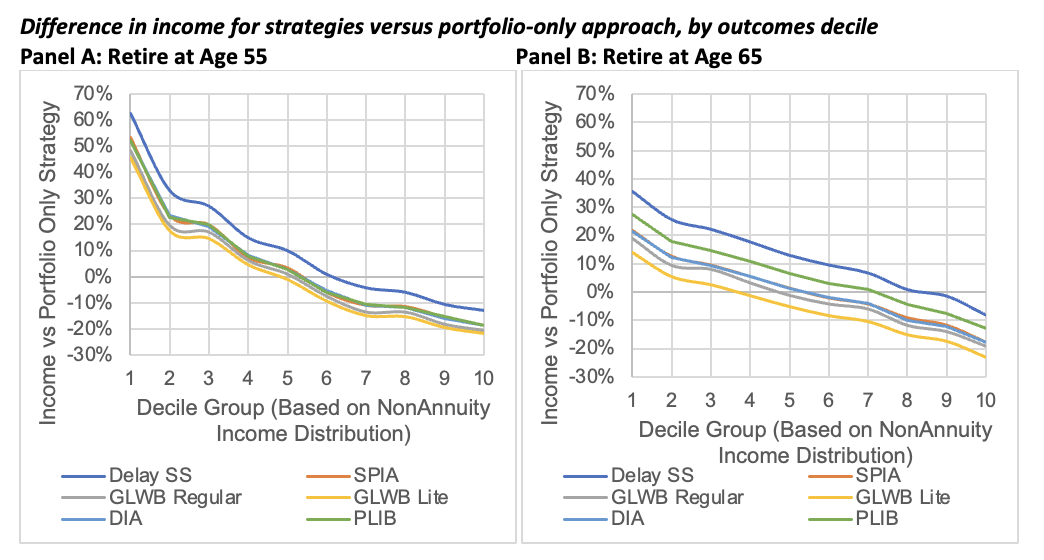
This article explores the benefits of annuities with lower explicit fees, a category I dubbed as “annuities Lite” in a previous article that focused on GLWBs.
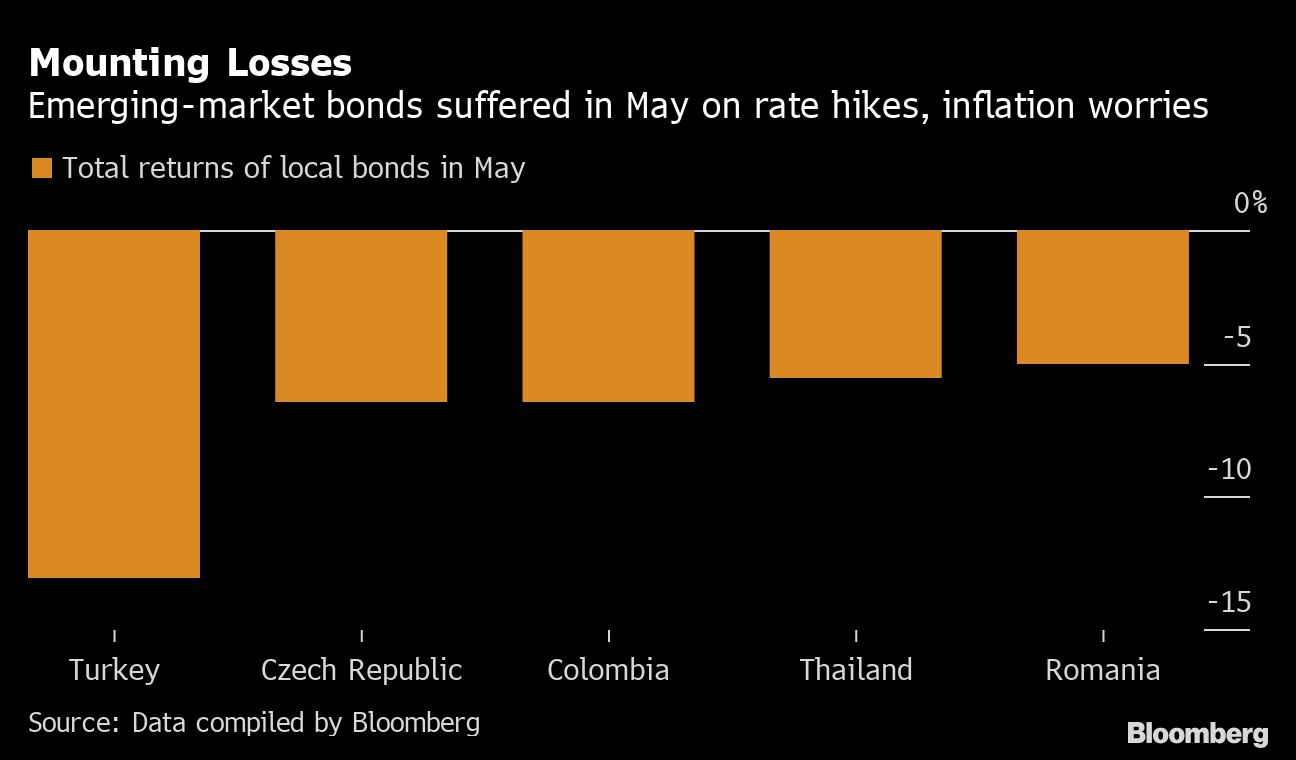
Local-currency debt from developing nations -- which is far more sensitive to a country’s domestic inflationary pressures than dollar denominated equivalents -- has slumped almost 9% this year, the most since at least 2008, according to a Bloomberg index.
Feeling a bit cheated when you look down at your plate? It’s not just a figment of your imagination — portions at US restaurants are indeed getting smaller. Call it shrinkflation: when sizes shrink, but you’re paying the same price, or sometimes even more, for the meal or product.
At a time when New York towers are struggling with high vacancies and many workers are still remote, money managers are seeking to accommodate growing staff and encourage in-person collaboration with trendier digs. Along with tech companies, they’re helping to fill part of the void left from employers giving up space -- even as Manhattan’s office supply continues to grow faster than demand.
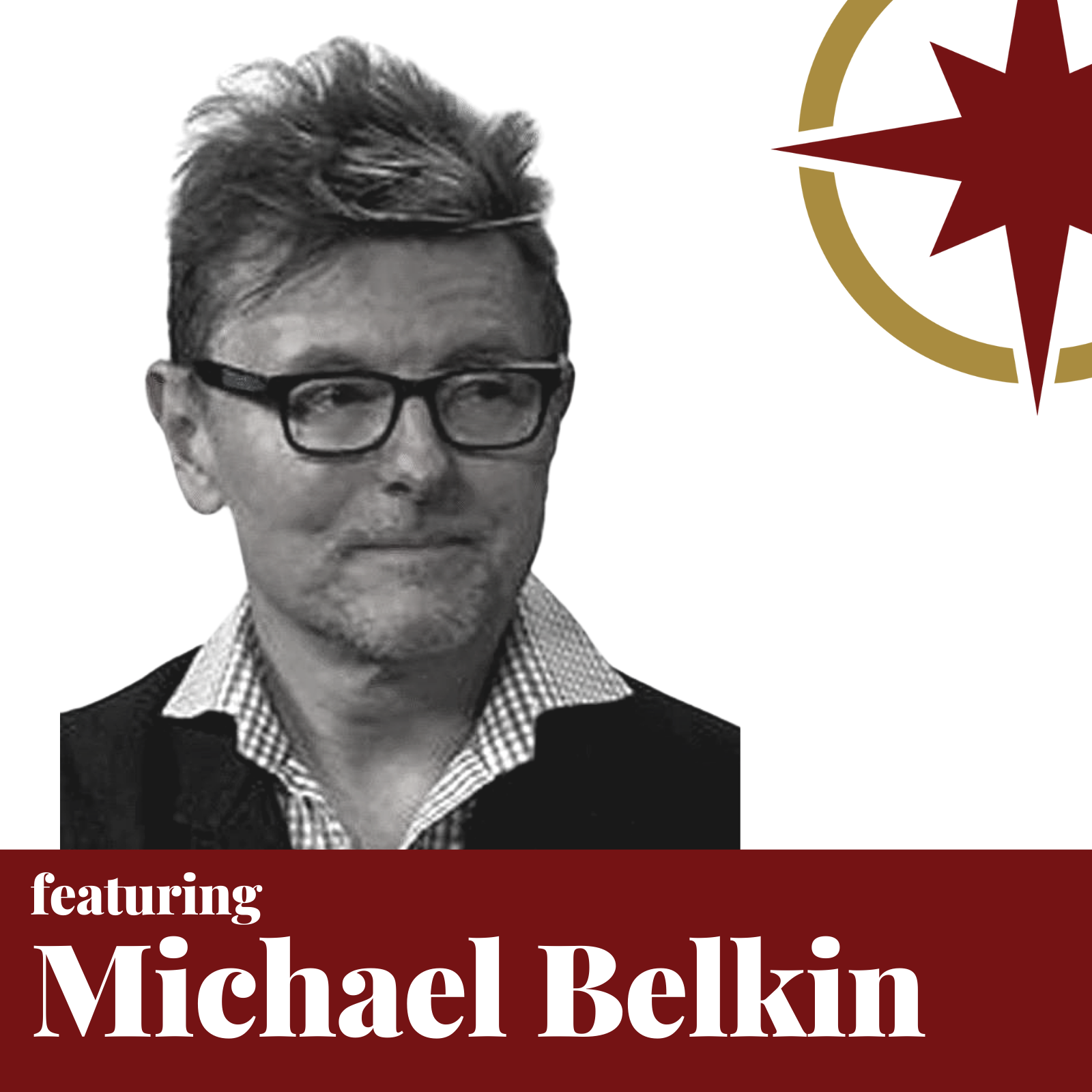
Since 1992, The Belkin Report has used Michael Belkin’s proprietary forecasting model to project the performance of market sectors, groups, and specific stocks. It provides three‐ and 12‐month forecasts for financial markets based on rates of change. Because of its track record, The Belkin Report has become a trusted resource for top hedge funds, mutual funds, pension funds, insurance companies, family offices, and sovereign wealth funds across the globe.
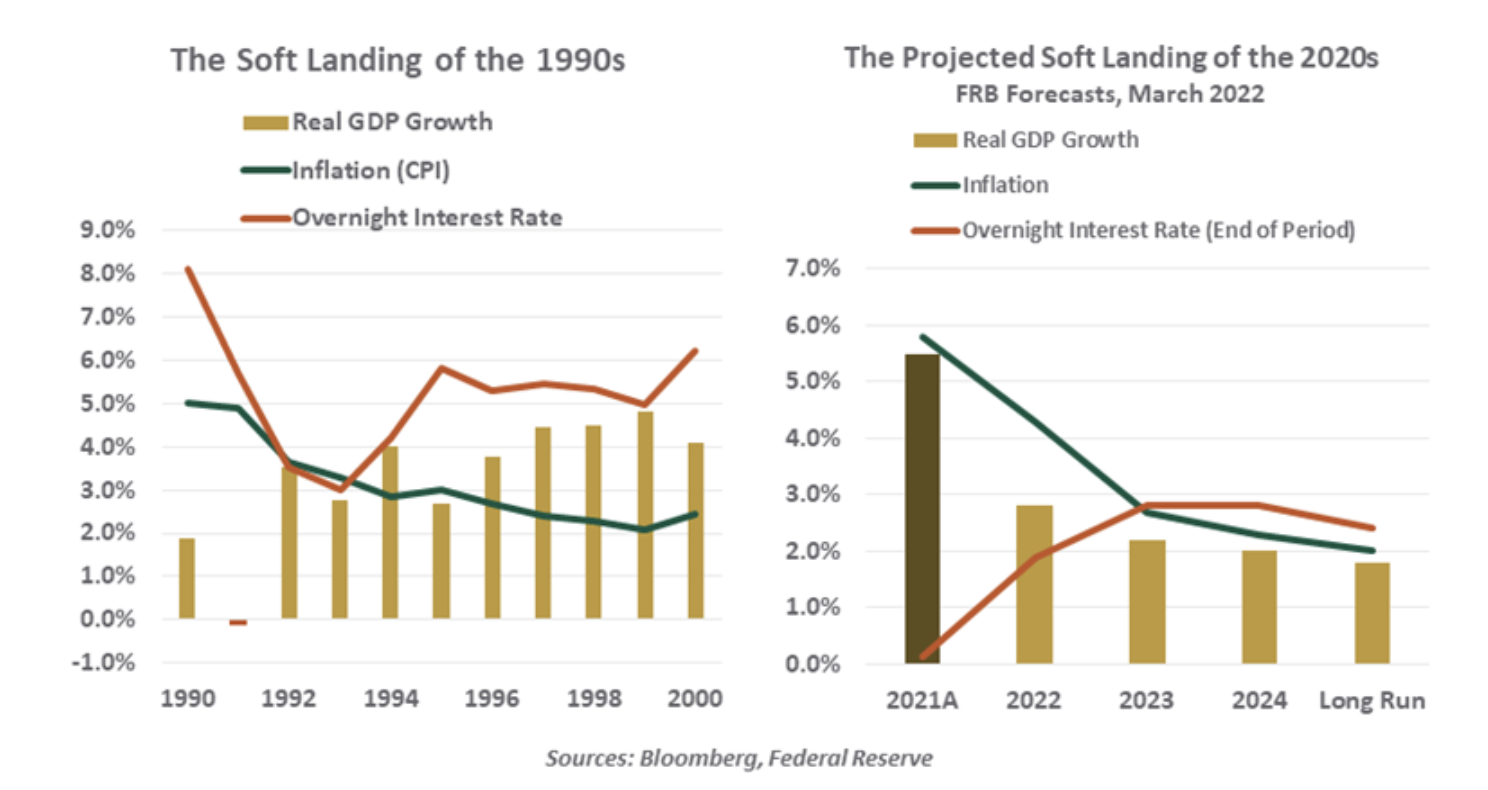
The Fed will need some luck on its side to deliver another soft landing.
I borrowed this letter’s “Soft Now, Hard Later” headline from Dave Rosenberg. It was the title of his leadoff SIC presentation, for reasons I’ll explain.
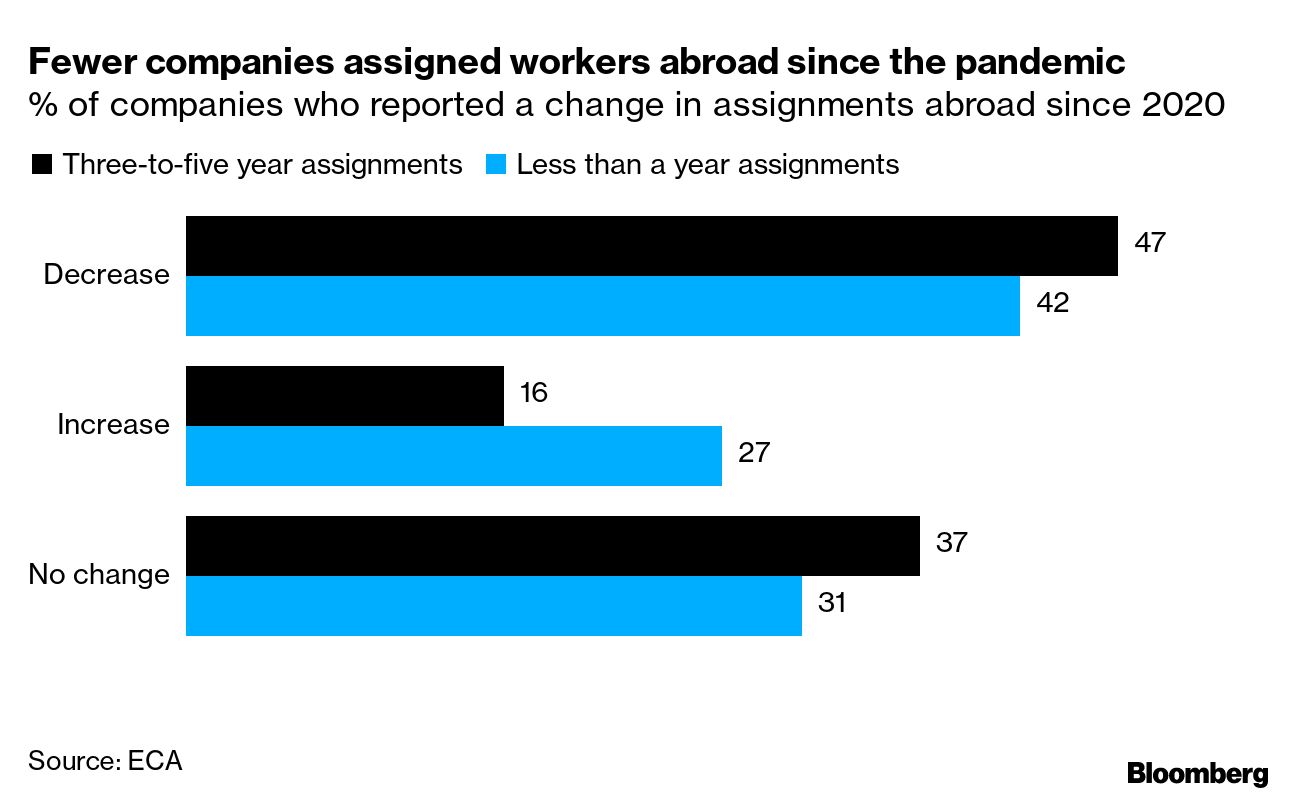
Whether it’s because of tight Covid restrictions, separation from family or the frustration of closed borders, a growing number of people living abroad have made the choice to move closer to home. In the process, they’re facing the reality of inflation and pandemic-related transportation snags, not to mention the possibility of lower-paying jobs and higher taxes in their new location.
I’ll explore four stages of personal performance that will improve your ability to recruit top talent.
Trillions of dollars of deficit spending financed by money creation over the past two years caused today’s soaring inflation.
As we inch closer and closer to what might be the end of the longest business cycle in history, investors everywhere are looking for a safe harbor in which to protect their assets.
The environmental group that authored a key proposal against fossil-fuel financing said pushback from the banks it targeted helped ensure the resolution failed.
The push-and-pull between centralization and decentralization is the great contest of our times. And decentralization is winning out.
Markets don’t have feelings or morals. They do not care what an investor needs and there is no investment or strategy that has consistently provided returns well in excess of those earned in the broad markets. Use our premium service to add your company’s logo and send this to clients.
After a multi-decade pause, the winds of inflation have picked up. Only TIPS have been an effective hedge against inflation. Other asset classes have failed to varying degrees.
If you haven’t noticed—perhaps because you live on Mars—inflation is here. Not just in the US but almost everywhere. Prices for everyday goods and services, including necessities like food, are climbing rapidly. The US Consumer Price Index rose 8.5% in the 12 months through March… and we know it understates categories like housing.
If you’ve read the book or seen the movie, Moneyball, you may be familiar with the story of Billy Beane and how he and the Oakland A’s revolutionized sports management. By focusing on data rather than the ‘gut feelings’ felt by his scouts, he re-defined what ‘success’ meant in MLB. Now imagine those techniques applied to portfolio management. Rather than relying on the ‘gut feelings’ of portfolio managers and research analysts, New Age Alpha has re-engineered active stock selection in the same way. Using a systematic and repeatable investment process that aims to avoid the losers rather than pick the winners New Age Alpha aims to deliver better returns with less risk.
How bullish are we feeling? If the American Association of Individual Investors’ weekly survey is anything to go by, not very. It has been carried out for decades and is much followed as a measure of sentiment. Retail investors are simply asked if they’re feeling bullish, bearish, or neither.
Five commercial real estate sectors in markets across the globe have the potential to thrive in this environment.
While the lower fees associated with GLWB Lite products make them seem more attractive, the expected income is significantly lower than other annuities.
Moving forward beyond the pandemic of 2020, the theme the world woke up to is that people want more…more home, more land, more entertainment, more goods.
The last decade and a half rewarded investors with healthy stock and bond returns. But high valuations, low interest rates and high inflation are signals to reassess risk tolerance and asset allocations.
At least 20 ESG-focused exchange-traded funds have launched in the U.S. this year through Wednesday, according to data compiled by Bloomberg. While comparisons are difficult to make because of evolving classifications, that’s roughly double a tally of nine from the same period in 2021, and compares with two in 2020 and just one in 2019.
Cryptocurrencies and digital finance will catalyze an economic transformation on a par with the Industrial Revolution, according to Pippa Malmgren.
Value has trounced growth this year, and high dividend companies have outperformed. Matt Wagner discusses the global dividend investment opportunity: emerging markets.
Hundreds of celebrities from Madonna and Reese Witherspoon to Paris Hilton and Justin Bieber, have bought, endorsed or invested in projects or companies that promote nonfungible tokens over the last year — in some cases sending the prices of digital assets soaring.
The world’s richest person will offer $54.20 per share in cash, valuing Twitter at about $43 billion. The social media company’s shares initially soared in pre-market trading before falling slightly to about $48, after investors began to assess how one of the platform’s most outspoken users will succeed in his takeover attempt.
While Beijing has set an ambitious growth target this year with a generous fiscal stimulus plan, new COVID-19 waves are adding to mounting headwinds amid a slowing global economy.
Covid-19, global supply-chain disruptions, frictions in reopening economies worldwide and now Russia’s invasion of Ukraine are spawning many winners and losers in economies, financial markets and political structures. Six of them are driven by transfers of incomes and assets. Five more are fundamentally the result of repricing goods and assets that I’ll cover in a separate column.
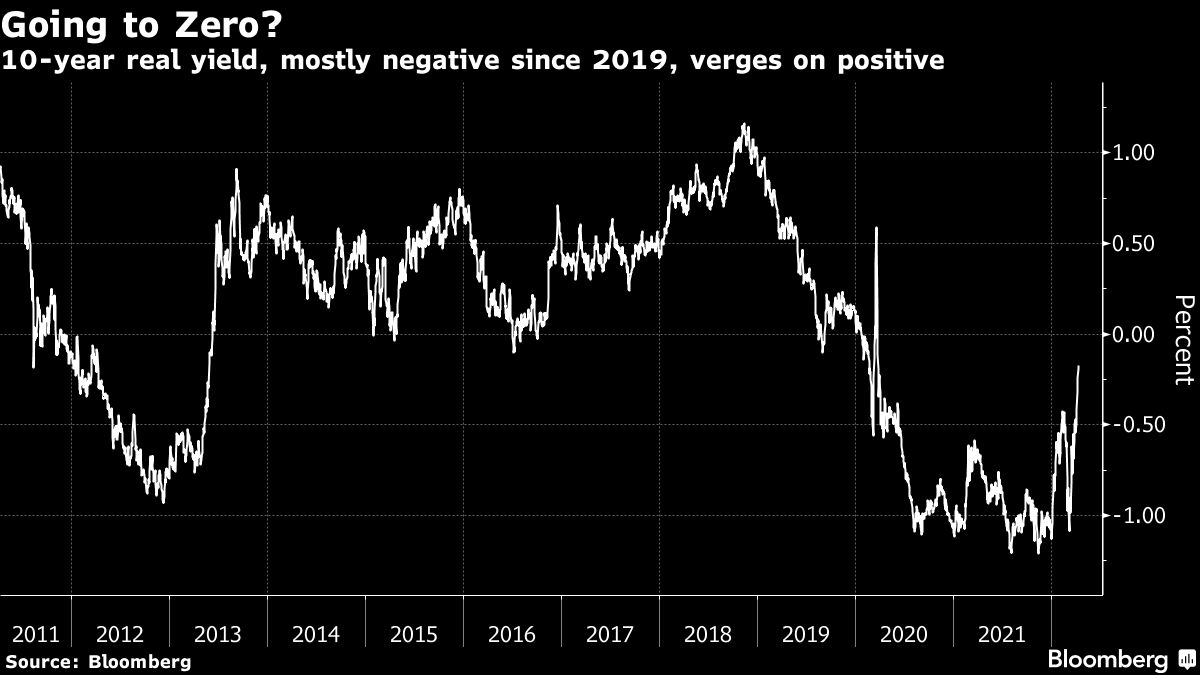
While all Treasury yields have climbed this year as the Fed began what’s expected to be an aggressive series of rate increases aimed throttling high inflation, in the past two weeks the baton has been passed to inflation-protected notes and bonds. Their yields are termed “real” because they represent the rates investors will accept as long as they are paired with extra payments to offset inflation.
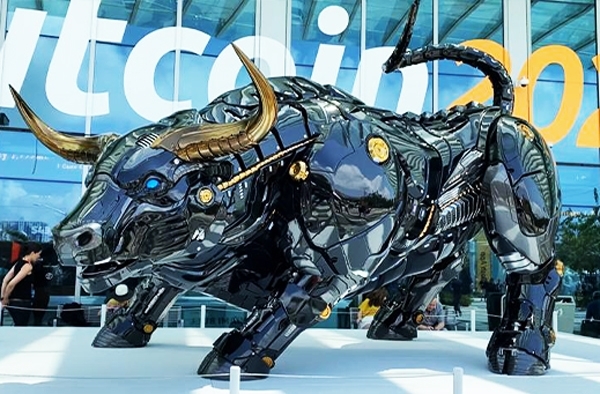
An estimated 30,000 people attended this week’s Bitcoin 2022 conference in Miami, which is rapidly becoming a major global crypto-finance hub.
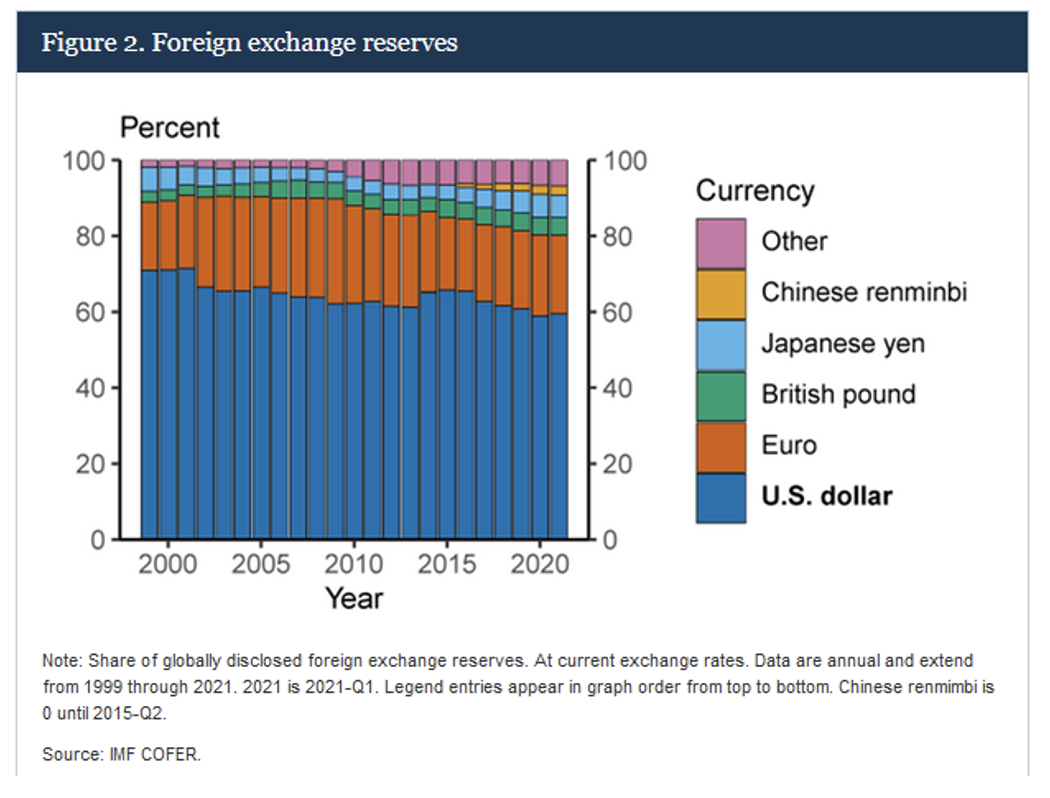
This article explores the problem vexing Russia and its trade partners. I explore how the threat and use of sanctions may force some countries to contemplate weaning off the world's reserve currency.
As a solar panel was raised onto the roof of their mud-brick home in a Tanzanian village in sight of Mount Kilimanjaro, Akida Saidi and his wife felt giddy at the prospect of entering a new era. In a place where most residents make do with pit latrines instead of toilets and till their fields of maize and pigeon peas with hoes, suddenly having electricity would catapult them into the 21st century.
High-profile attacks on the crypto “bridges” that support key activities, like transferring tokens from one blockchain to another or playing the popular game Axie Infinity, have siphoned off more than $1 billion to date. When customers need repaying, recent incidents have shown those platforms’ operators are turning to their wealthy investors for aid — a trend that perhaps signals a new chapter in tech dealmaking.
The Bluetooth logo is a bind rune merging the Younger Futhark runes(Hagall) (ᚼ) and (Bjarkan) (ᛒ), Harald’s initials.
Globalization in all its forms, from social to economic to political, has been on the rise since about the 1970s, and I genuinely believe it’s had more benefits than drawbacks on average.
With the first quarter coming to a close, banks (mostly based in China) have helped coal companies raise $9.9 billion via loans and bond sales, according to data compiled by Bloomberg. For comparison, the number was closer to $4.4 billion during the first three months of 2021.
ESG regulations and standards are proliferating across the globe. Along with that has been a surge in ESG investor appetite and fund launches. That puts ESG at the center of dialogue among financial advisors. It is increasingly likely that US policymakers will move to integrate ESG into its regulatory landscape in the near future, as Europe has already done. My guest, Adrian Whelan, will discuss the key ESG themes, including how these are likely to influence US policymakers. It is Adrian’s contention that ESG Is everywhere!
It may be inconceivable to the moneyed class, but there are in fact very good reasons not to raise interest rates quickly or dramatically. Yes, inflation is worryingly high, Ukraine is burning and Covid-19 still threatens to upend supply chains. However, the reality many Americans face — if not low-income and middle-class workers across the globe — is quite different from what the stock market and go-to suite of economic indicators tell us.
After spending many years in the planning profession, I’ve found that advisors place superfluous importance on speaking intelligently and comprehensively.
Home price fundamentals suggest appreciation will slow but remain resilient.