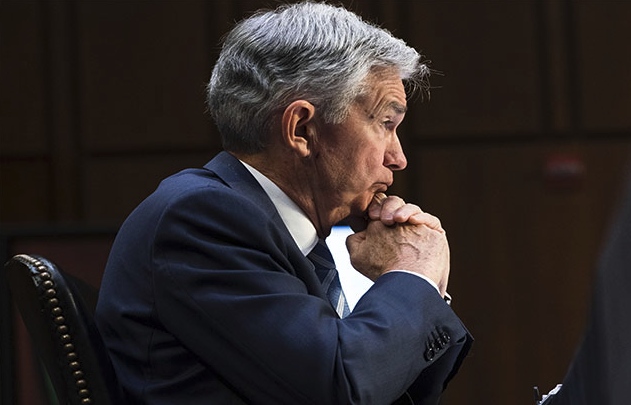
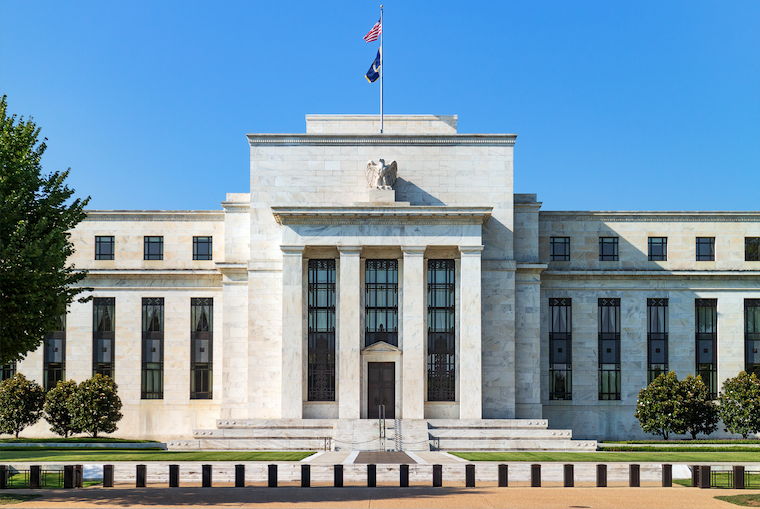
The Fed’s most pressing concerns are to not only reverse its monetary excess and misjudgment of inflation, but also to instill confidence that they will follow important provisions of the Federal Reserve Acts.
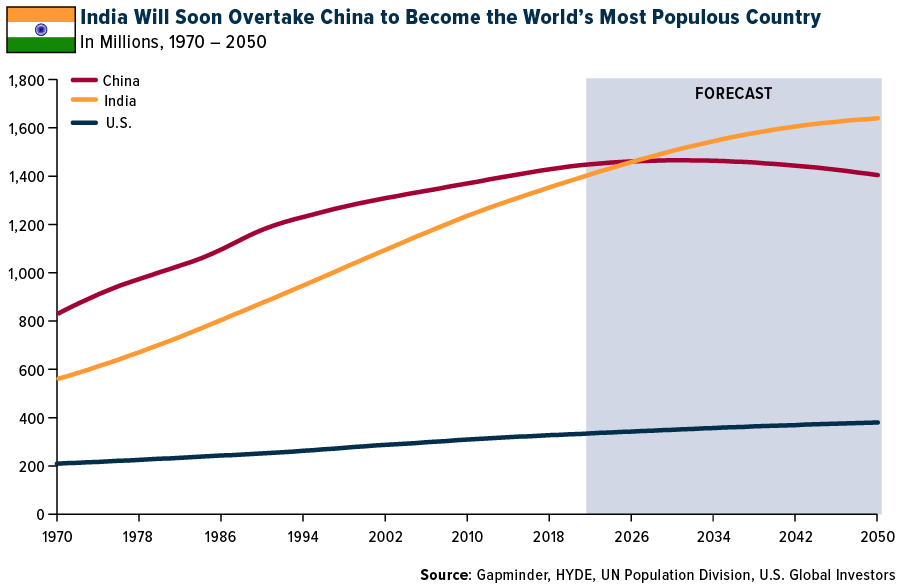
This incredible milestone underscores the need to solve a number of ongoing challenges related to population growth, but it also presents what I believe are some very attractive investment opportunities.
More Americans are relocating to Europe, driven across the Atlantic by the rising cost of living, inflated house prices, a surging dollar and political rancor at home.
It’s been an expensive summer with the cost of travel, and just about everything else, going through the roof. Now consumers are cutting back on their flights.
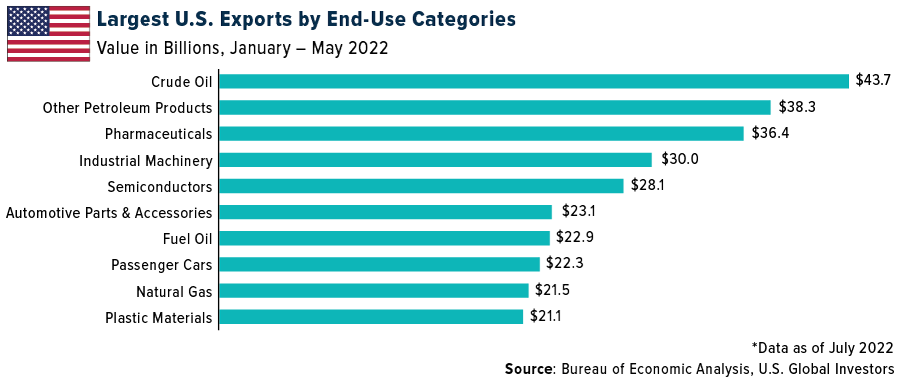
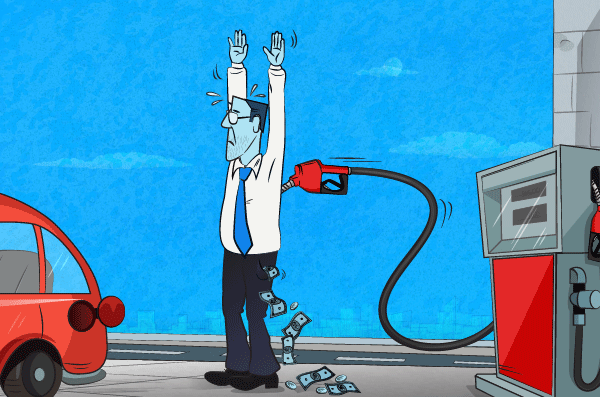
The US is exporting diesel at the fastest ever rate as the global market’s thirst for fuel remains insatiable.
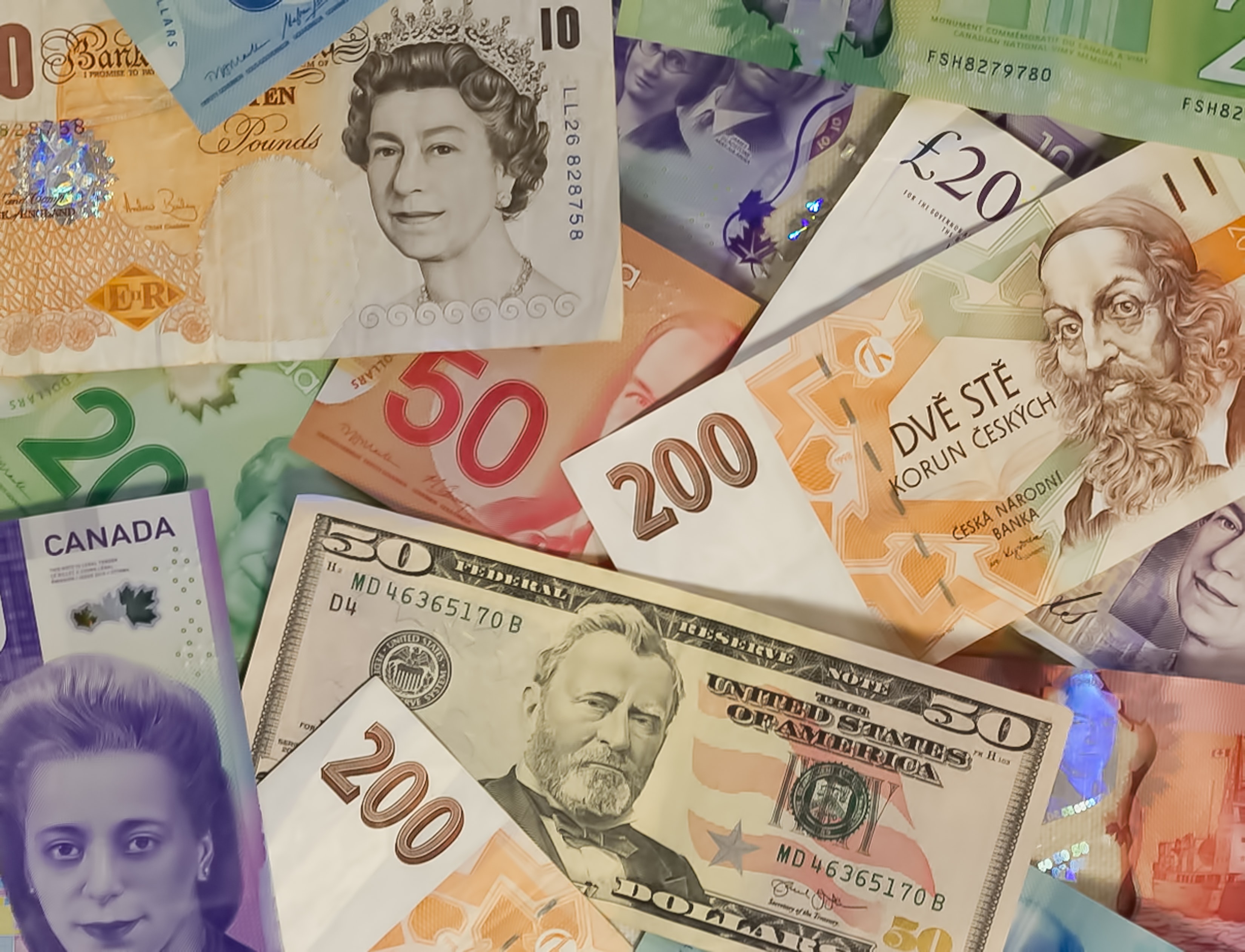
If you were considering taking the family on a European vacation, now may be a good time, as the U.S. dollar and euro achieved parity this week for the first time in 20 years.
The labor market is turning out to be a new source for optimism in the Federal Reserve's fight against inflation.
Money has taken different forms throughout history. However, one basic rule remains constant through technological and economic change.
Sri Lanka is in turmoil.
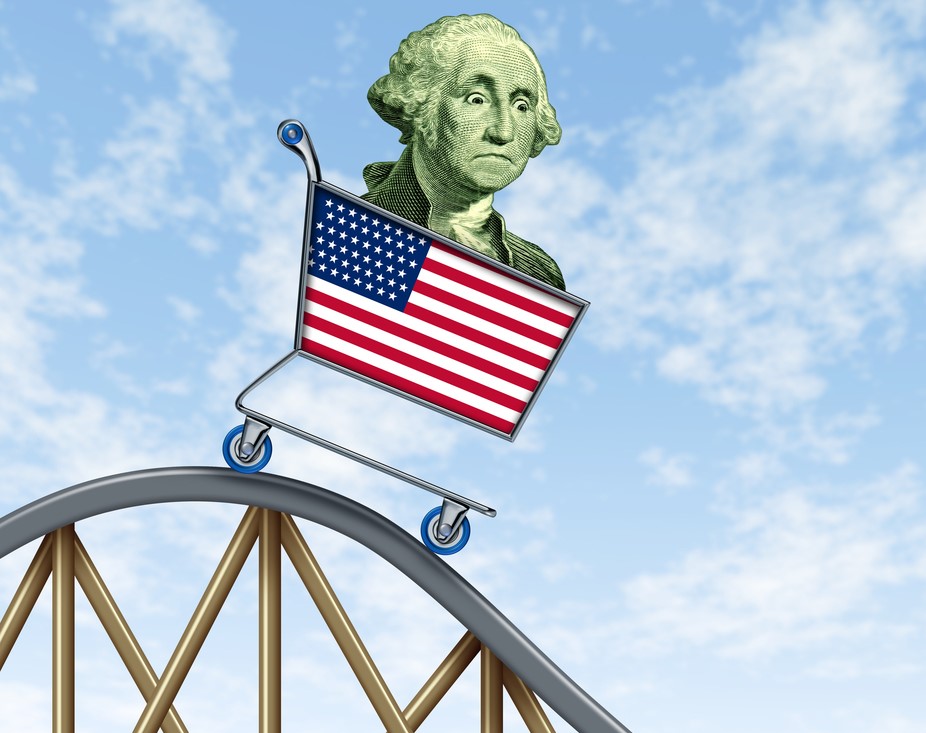
The path to lower inflation without causing a recession—the so-called “soft landing” —has been made significantly more challenging by the events of the last few months.
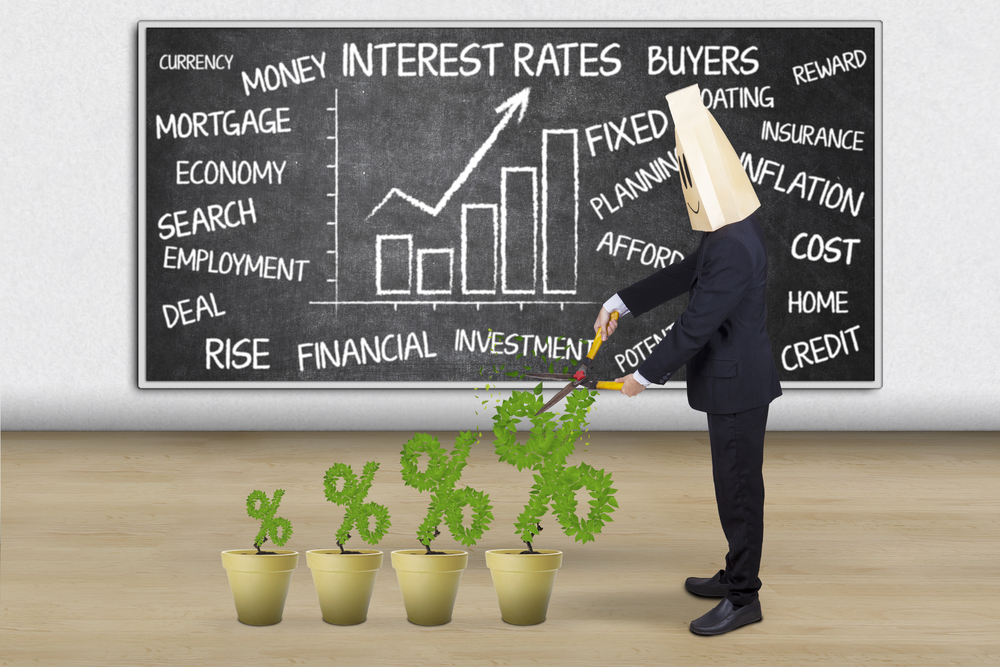
For the better part of the last decade, interest rates have been near zero and leverage has driven asset prices higher.
Dave Calhoun was brought in as Boeing Co.’s chief executive officer to steer it through a crisis that unfurled after the crashes of two of its 737 Max jets.
The economics profession has long had a vigorous academic argument over “natural” interest rates. What would rates be if we could somehow remove all the subjective actors—central banks, commercial lenders, government agencies—that conspire to set them? What would nature do if we left it alone?
The SPAC market is off to a brutal start to 2022, but a few bright spots with key similarities may point to a way out of the morass -- find solid businesses with room to grow.
It’s getting complicated for investors in semiconductor stocks, with last year’s big chip shortage morphing into an inventory glut for some companies, and others getting caught up in geopolitics.
The labor market has come a long way over the past year.
Week after week of on-the-fly calculations about the intensity of inflation and the likelihood of a recession are preventing markets from finding equilibrium.
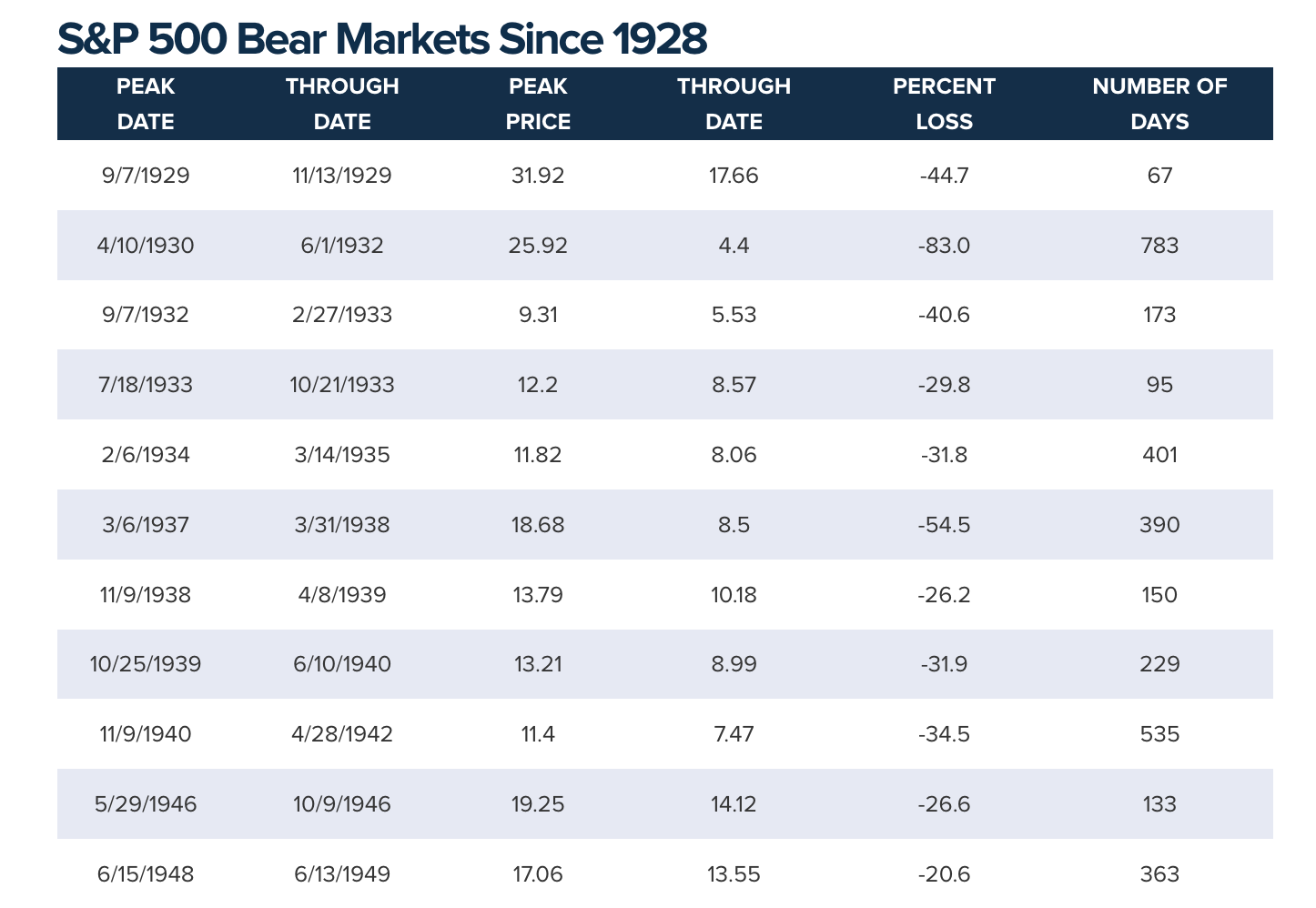
With the US bear market entering its seventh month, it’s not too soon to think about what other risks might be lurking. Private equity is at the top of the list.
Signs of a rapidly deteriorating US economic outlook have spurred bond traders to pencil in a complete policy turnaround by the Federal Reserve in the coming year, with interest-rate cuts in the middle of 2023.
No doubt about it, this has been a very challenging market environment to navigate, and we look to be in for more of the same. The Fed will continue to tighten monetary policy, and the longer the conflict in Ukraine persists, the longer we’ll likely feel the pressure from elevated gas prices.
Last Thursday, Elizabeth Warren expressed skepticism about the Fed tightening monetary policy, saying it would make people poor.
As I have indicated in recent weeks, I don’t really understand why the media has turned so bearish on the US economy lately, and why so many forecasters are predicting we’re either just about to enter a potentially nasty recession or we’re already in one.
What are the most common scenarios that give rise to private foundations converting to DAFs (or making a thoughtful decision not to convert), while preserving the original donor’s intent and satisfying the administrative concerns of surviving family members?
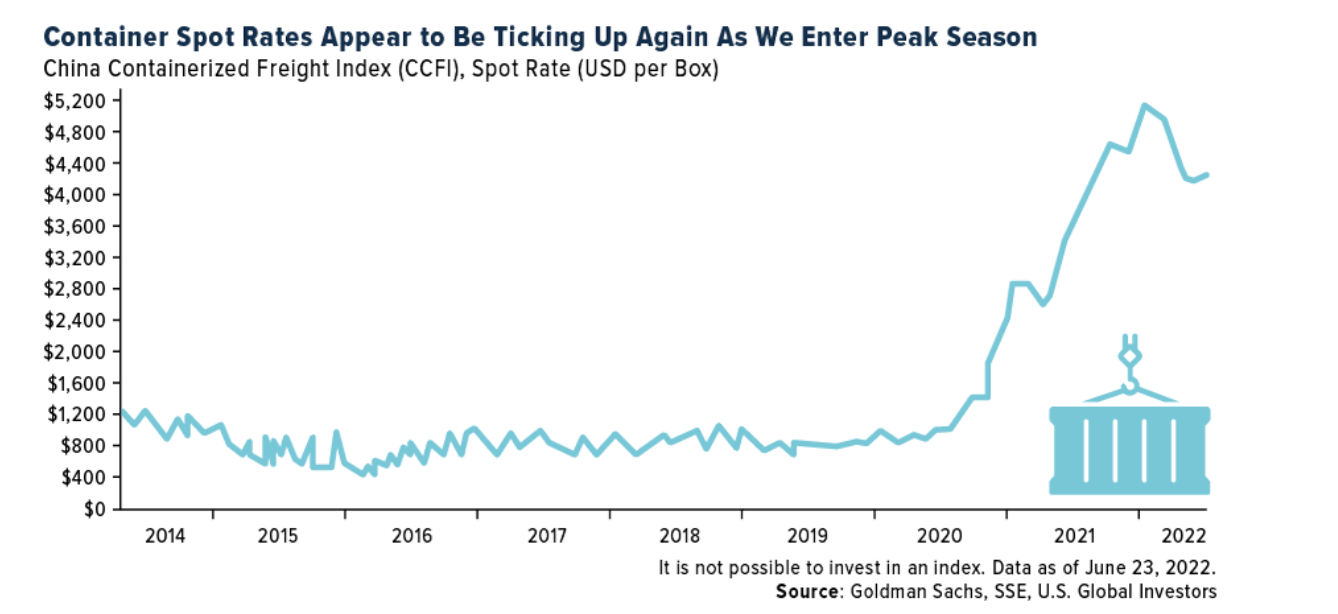
Container shipping companies have not been immune to the disruptive factors roiling markets at the moment, namely rising interest rates, soaring inflation and a potential recession, not to mention war in Eastern Europe.
The market has spent much of 2022 worrying about inflation and associated interest rate rises, and Growth stocks have certainly borne the brunt of this.
Russia defaulted on its external sovereign bonds for the first time in a century, the culmination of ever-tougher Western sanctions that shut down payment routes to overseas creditors.
Latin America tilted further left this week as Colombian voters elected Gustavo Petro as president. Come August, the former Bogotá mayor and member of the M-19 guerrilla organization will join the region’s growing list of leftist leaders in a political shift some are likening to the “pink tide” of the late 1990s and early 2000s.
In a new piece, GMO’s Asset Allocation Team notes that even with the battering of growth stocks in 2022 there is still ample opportunity to benefit from betting on cheap value stocks versus expensive growth names.
If you’ve read the book or seen the movie, Moneyball, you may be familiar with the story of Billy Beane and how he and the Oakland A’s revolutionized sports management. By focusing on data rather than the ‘gut feelings’ felt by his scouts, he re-defined what ‘success’ meant in MLB. Now imagine those techniques applied to portfolio management.
U.S. stocks are extending weekly gains, rebounding from yesterday afternoon's slide as the markets remain choppy amid lingering global recession concerns that have been bolstered by monetary policy tightening efforts around the globe aimed at getting high inflation under control.
Lifetime income solutions are high on the wish lists of defined contribution (DC) plan participants, with the certainty of a guaranteed lifetime income stream ranking as the top feature in our surveys over the past decade.
US banking giants are poised to return $80 billion to shareholders after this year’s Federal Reserve stress tests, less than last year’s elevated level that followed a pandemic-driven buyback pause.
Oil is heading for the first weekly decline since April after a period of choppy trading as investors weigh the prospect of further monetary tightening from central banks to curb rampant inflation.
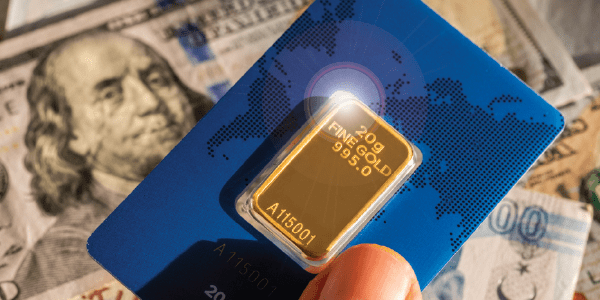
The yellow metal has managed to stay positive since the start of the year, skirting pressure from surging yields and a strong U.S. dollar. Meanwhile, nearly every other asset class has fallen into either correction or bear market territory.
The one speed bump advisors keep tripping over is that, well, people are funny about their money.
Leo Tolstoy’s Anna Karenina opens with one of the most famous lines in world literature: “All happy families are alike, but every unhappy family is unhappy in its own way.”
A key source of US economic growth this year -- consumer spending -- is showing signs of losing steam, even before Wednesday’s round of Federal Reserve rate hikes kick in.
In our new piece from the Franklin Templeton Institute, we examine the challenge of feeding a growing global population in the midst of climate change, geopolitical shocks and uncertainty.
US consumer prices surged to a 40-year high, defying expectations that gains would start to moderate after the Federal Reserve began tightening.
Google, Facebook and Microsoft Corp. — three of the world’s biggest corporate buyers of clean power — are sounding the alarm that a nearly $4 billion, Warren Buffett-backed renewable-energy project proposed in Iowa isn’t necessarily in the best interest of customers, including them.
Complaining about federal debt is a time-honored American tradition. Remember Ross Perot and his hockey-stick charts? Then there was Harry Figgie’s 1992 best-selling book, Bankruptcy 1995. It was quite a sensation at the time.
This is one of my favorite charts, and one that helped get us onto the right side of the global policy pivot that has rippled across markets this year.
If you’re itching for a dream vacation this summer after two years of travel restrictions, then you might end up paying more to rent a car than you spend on a plane ticket.
U.S. equities are lower as the recent volatility continues despite yesterday's gains.
It’s not all doom and gloom, though. Due to stratospheric oil and gas prices, energy stocks have been the one bright spot in an otherwise dour market this year. Through the end of May, the S&P Oil & Gas Exploration & Production Index gained an incredible 60%, compared to the S&P 500, which fell about 13%.
In January Goldman Sachs projected that the FOMC would increase the federal funds rate at every other meeting (each meeting is 6 weeks apart) starting with the March meeting.
The world is struggling with simultaneous energy and climate crises. To solve the first could require undoing all the progress made toward greener power and cleaner air. But it doesn’t have to be that way.
US economic growth looks to have downshifted in recent weeks in the face of headwinds that include rising interest rates and inflation, the Federal Reserve said.
There are eight global mountaintops scaling 26,000 feet or higher, including Mt. Everest, the most famous of them all.
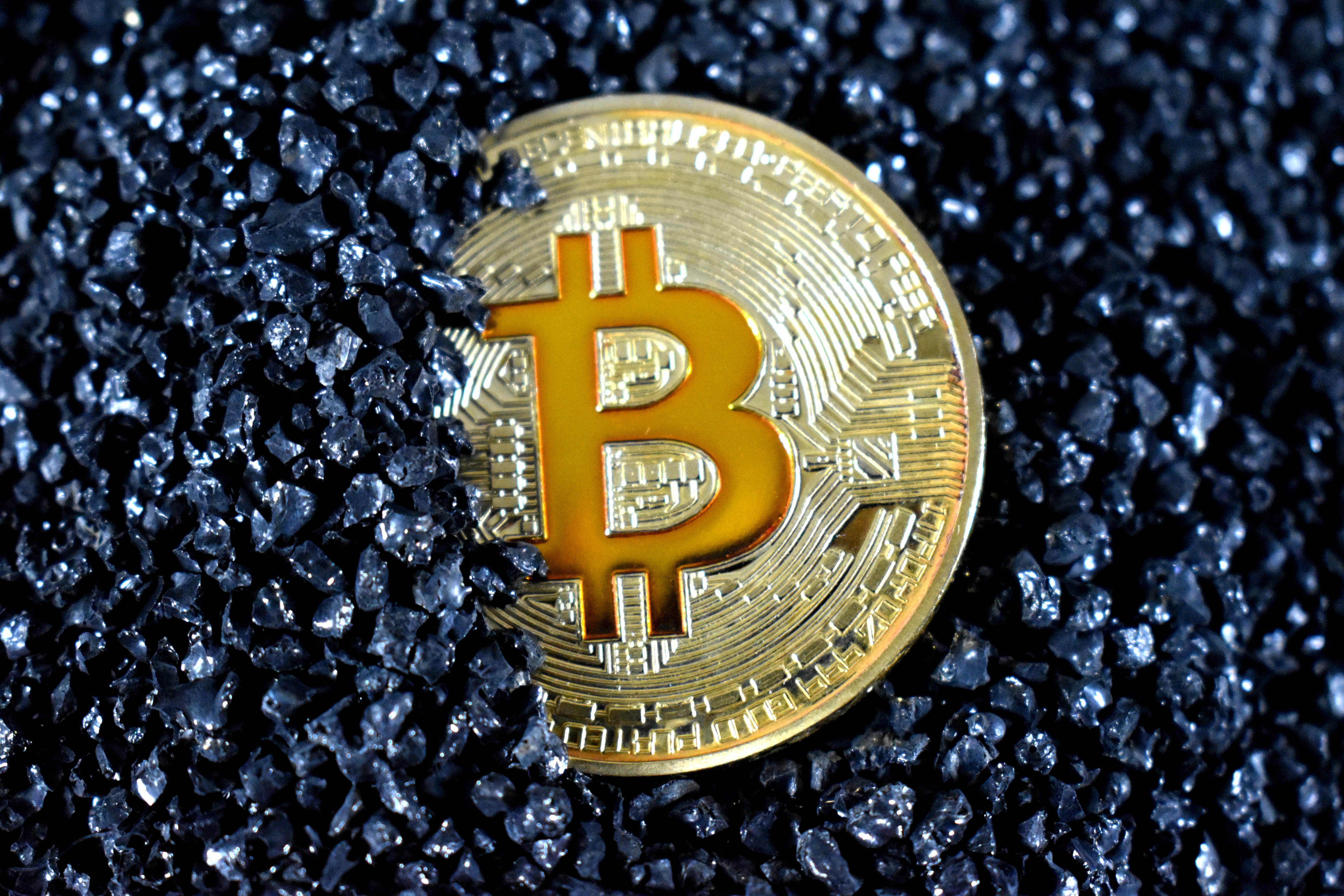
Investors in Bitcoin and other digital assets have been pummeled recently by the longest losing streak since 2011.