U.S. equities are mixed in restrained trading, with investors awaiting the next two pieces to complete the October inflation picture.
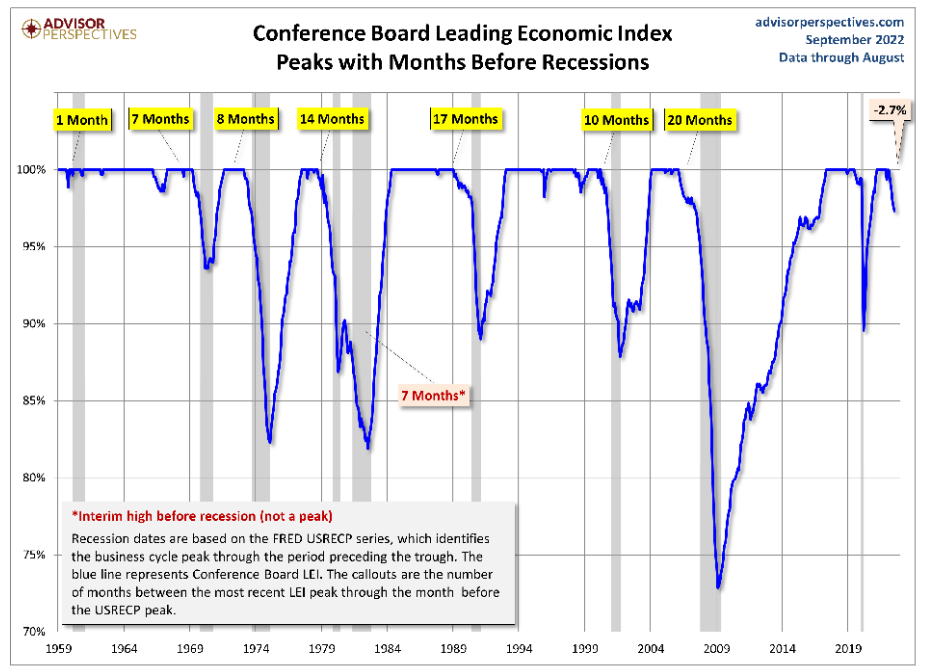
Early this week, with the severe inverted yield curve and other signals flashing recession, I planned to use this letter to delve into the data. Then Thursday’s CPI data convinced markets to blow the all-clear whistle.
FTX, until recently the world’s second-largest crypto exchange, filed for bankruptcy as its embattled founder, Sam Bankman-Fried, stepped down as CEO following a liquidity crunch that exposed the firm’s improper use of customer assets.
U.S. stocks posted its biggest daily gain since 2020 following data on October’s consumer price inflation (CPI), which came in cooler-than-expected.
The era of the dynamic sales growth tech company, with a religious quality to its leadership, appears to be over.
How could the poor world in the global south become as rich as the rich nations of the north?
U.S. equities finished lower with the Dow whipsawing within a more than 900-point range following the Fed's monetary policy decision.
As we approach the end of 2022, investors are hoping that inflation will fall in 2023 and lead the Federal Reserve to pause and perhaps reverse some of its interest-rate hikes. The looser financial conditions would then allow for accelerating economic growth and a better year for financial markets.
As veterans of this male-dominated industry, we have faced our fair share of challenges and uncertainty. However, that led us to venture out on our own and start solo planning firms.
Electronic trading of corporate bonds has reached record levels, as credit-trading algorithms get smarter, grab market share, and make it easier for investors to buy and sell corporate bonds without affecting prices too much.
The uncertainty of a looming recession and high market volatility makes almost all investment options look doubtful as investors search for safe and reliable investment tools.
When the oil market liberalized in the 1970s, a group of commodity trading buccaneers led by the infamous Marc Rich made fortunes by connecting buyers and sellers and surfing the price swings of this newly tradable commodity.
The US was awakened by the pandemic to the gaping holes in its supply chains for crucial medical supplies and electronics.
Surging US tuition costs have more American parents sending their children to college in Europe as they look to save money on higher education.
U.S. stocks are trading mixed in pre-market action.
The heated debate about how central banks should respond to high and persistent inflation has focused primarily on how high interest rates should go and how long should they stay there.
With this week’s announcement that the White House is deploying nearly $3 billion to boost domestic output of EV batteries and the minerals used to make them, it may be time for investors to take notice.
The Biden administration is moving toward a release of at least another 10 million to 15 million barrels of oil from the nation’s emergency stockpile in a bid to balance markets and keep gasoline prices from climbing further, according to people familiar with the matter.
U.S. equities are beginning the new week sharply higher, getting a boost from the U.K.'s decision to abandon nearly all its tax cut plans.
Readers of a certain age will remember Carnac the Magnificent, Johnny Carson’s recurring alter ego.
Commodities are entering a crucial period as earnings season gathers pace, Europe firms up its energy-crisis response, and China’s political elite gathers in Beijing for a twice-a-decade summit.
S&P 500 Introduction 2022 has been a bad year price-wise for the stock market as measured by the S&P 500. However, I contend that is not enough to simply know that the market is down, it is even more important to know why.
For some bankers, net-zero is like a new year’s resolution—a pledge one makes and often breaks before a year has passed.
Markets have been whipsawed in recent weeks, first by talk that a cooling labor market would allow the Federal Reserve to “pivot” away from its aggressive interest-rate hiking campaign, and then by comments from central bankers that any such move would be premature — as Thursday’s hot consumer price index report proved.
It’s October and we’ve avoided slipping into a third world war for almost eight months, so we have that going for us.
The Fed’s inflation-fighting efforts have resulted in a stronger dollar relative to most other major currencies.
The top 50 broad strategy funds – determined by highest historical performance through 2021--outperformed the market by 21 percentage points through the first six months of 2022.
U.S. stocks are mixed and subdued as the markets digest another hot inflation report in the form of the September Producer Price Index.
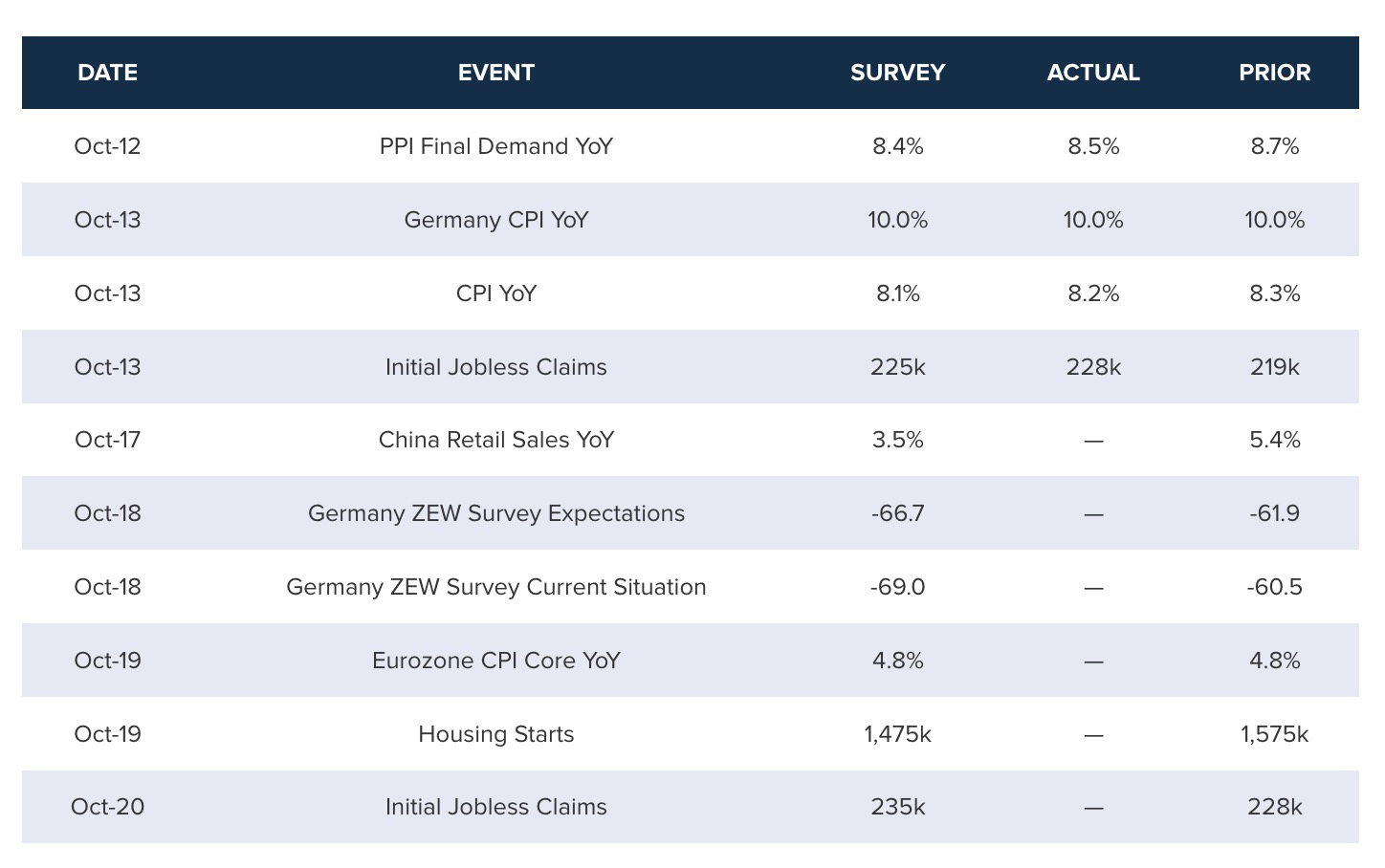
U.S. equities are mixed as investors await this week’s highly anticipated September inflation data.
Everywhere you turn, the biggest players in the $23.7 trillion US Treasuries market are in retreat.
A sizzling rally in global semiconductor stocks this week is starting to look illusory as a slew of disappointing earnings from major chipmakers pointed to a likely protracted downturn for the sector.
Today I want to talk about why the labor market is so out of balance. Some of this is new and some has been brewing for many years. We will end with some commentary on yesterday’s unemployment report.
October will test the Fed’s resolve.
The recipe for making money if you’re a commodities trader is simple: buy natural resources in one place and time and sell them somewhere else later — hopefully making a buck by exploiting the difference.
Democracy is under attack, yet many Americans fail to see the threat, according to Seth Klarman. Leadership must come from the business community to respond to this challenge.
U.S. stocks are trading modestly lower in pre-market action with the markets awaiting tomorrow's key September nonfarm payroll report.
As billions of fans eagerly await the 2022 World Cup, CIO Larry Adam draws parallels between the globe’s most popular sport and the current investing environment.
Every year, Northern Trust Asset Management issues a multi-asset class, five-year investment outlook known as its Capital Market Assumptions Report. Per the recently released 2023 edition, Northern Trust is expecting market returns to be slightly below long-term historical averages. While they believe lower stock valuations may provide some support, upside will be limited by higher interest rates. They see a somewhat similar dynamic playing out with bonds, where returns will be supported by higher yields that will be capped by flatter global yield curves. Among the six investment themes they’ve identified as driving markets over the next five years are Slow Growth Transitions, which looks at such slow transitions across the globe as pandemic to endemic; globalization to regionalization; and fossil fuels to renewables. Here today to discuss CMA’s themes and forecasts is Chris Shipley.
This year's brutal market has investors across asset classes and international markets running for the exits. But where there’s panic and wreckage, there’s also arbitrage and opportunity.
For most of 2022, the VIX been above its average, which historically has led to lower equity returns. I will review the risks that investors face, which explain the continued high level of uncertainty.
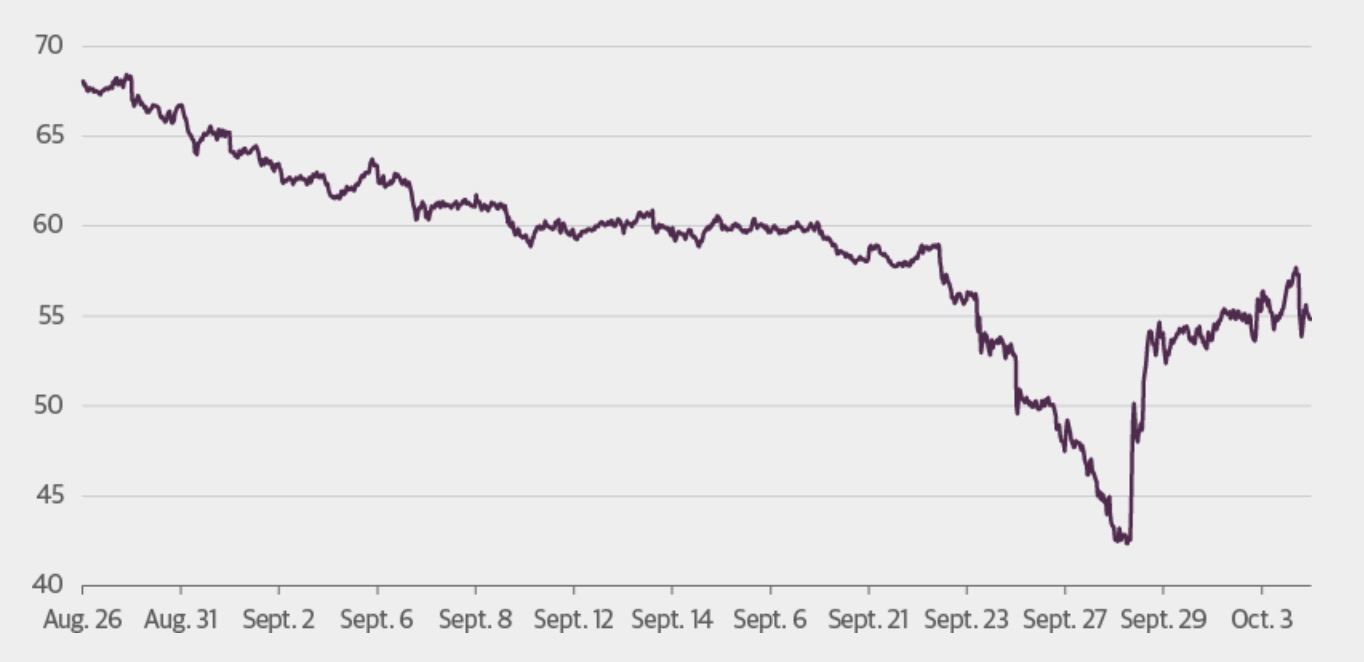
U.S. equities are higher in afternoon action following a recent plunge to lows not seen since 2020.
I will provide several examples of how to reduce your real estate expenses, thus increasing your practice's profitability.
“Invest in what you know.” You’ve likely heard this advice before.
Insurance protects against losses – fires, floods or a wrecked car. Because of the life-altering consequences of such as loss, clients rarely question the cost of the insurance. When viewed through an analogous framework, the cost of lifetime-income insurance, such as a GLWB, is fairly priced.
Week by week, the bond-market crash just keeps getting worse and there’s no clear end in sight.
The world will be going from an era of zero rates and loose monetary policy to higher rates and likely slower growth, except in certain sectors. Adjusting to this change will be both problematic and also full of potential opportunities.
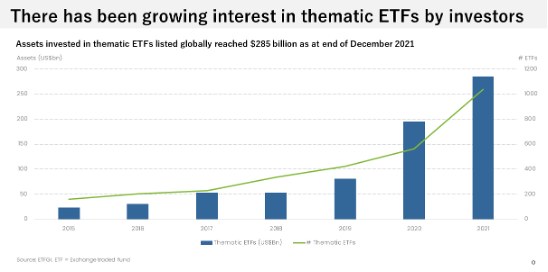
Here are some key points that advisors should keep in mind when dispensing advice and recommendations on thematic ETFs.
Nations are being forced to go it alone in erecting defenses against the relentless strength of the almighty greenback, with no sign that governments are willing to act in concert.
Federal Reserve officials raised interest rates by 75 basis points for the third consecutive time and forecast they would reach 4.6% in 2023, stepping up their fight to curb US inflation that’s persisted near the highest levels since the 1980s.
Ray Dalio came out with a gloomy prediction for stocks and the economy after a hotter-than-expected inflation print rattled financial markets around the globe this week.