Bob Doll, CIO at Crossmark Global Investments, provides his annual 10 predictions for financial markets.
Lawmakers and regulators are grappling with a question: What, if anything, should they do to civilize a market so rife with abuse?
Bank of America Corp. clients bought $2.8 billion of US stocks last week, marking a sixth straight week of equity inflows at the bank, as they made heavy purchases of exchange-traded funds and sold tech shares, BofA strategists led by Jill Carey Hall wrote in a note Tuesday.
It appears to us at Smead Capital Management that investors are behaving in a way that will damage their capital and cause them to suffer stock market failure.
The collapse in the personal US saving rate to near a record low has fueled a narrative that consumers are clearly strapped heading into 2023.
Structurally tight labor markets are providing support for tighter monetary policy, but the Fed may be fighting an uphill battle.
Investors are spurning mutual funds at a record clip, driving a $1.5 trillion gap in the flow of money from the old-school investment vehicles and into ever-popular ETFs.
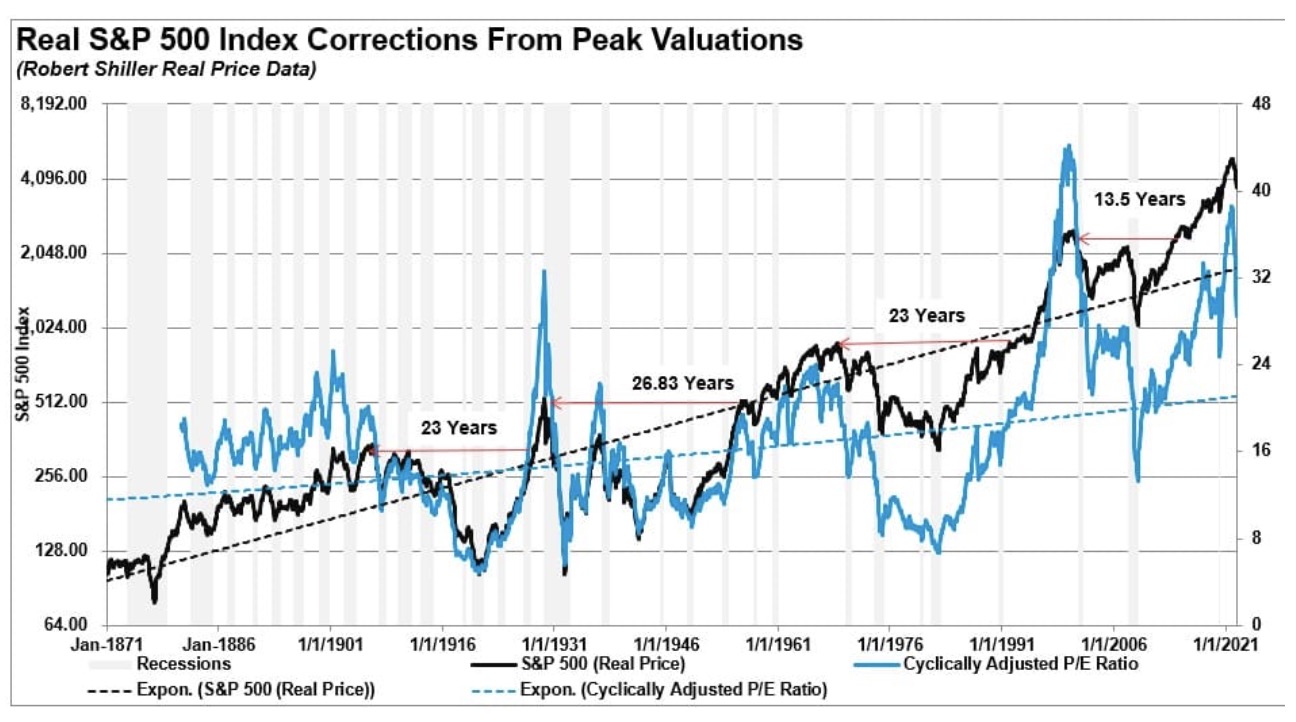
The economic tea leaves suggest that 2023 could be another challenging year for both stocks and bonds. However, the outlook is more balanced given that equity valuations are much lower and bond yields much higher.
This fall was a memorable time in the Halverson household.
Securities and Exchange Commission Chair Gary Gensler has embarked on an ambitious reform of stock trading.
If you think high-yield savings accounts offer juicy rates to park some cash, wait until you see what money-market funds are paying.
Democratization has become a buzz word within the fintech industry as technology and innovation have emerged to battle the headwinds that previously blocked accessibility to a subset of investment vehicles such as structured products.
There are two types of tax-advantaged accounts for saving for college expenses: A Uniform Transfers to Minors Act (UTMA) account and a 529 Plan. While both plans have their differences and advantages, consider both as viable options.
One thing to consider when opening a 529 plan is whether it should be a custodial or individual account. While both allow you to save for college costs and enjoy some tax breaks, they differ in terms of who has control of the account and the assets in it.
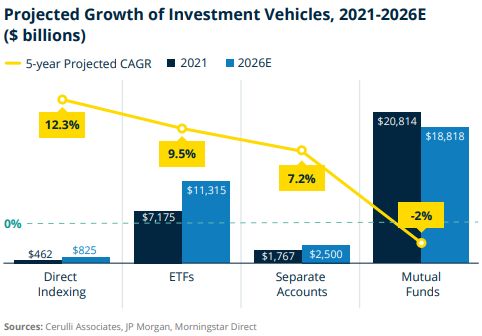
Over the coming years, Direct Indexing is expected to grow at a faster rate than traditional financial products such as mutual funds, exchange-traded funds (ETFs), and separate accounts.* But what does it have to do with you and your clients?
For the first time in a long time, muni investors may be able to earn attractive yields without having to take undue risk.
It's the end of the world!
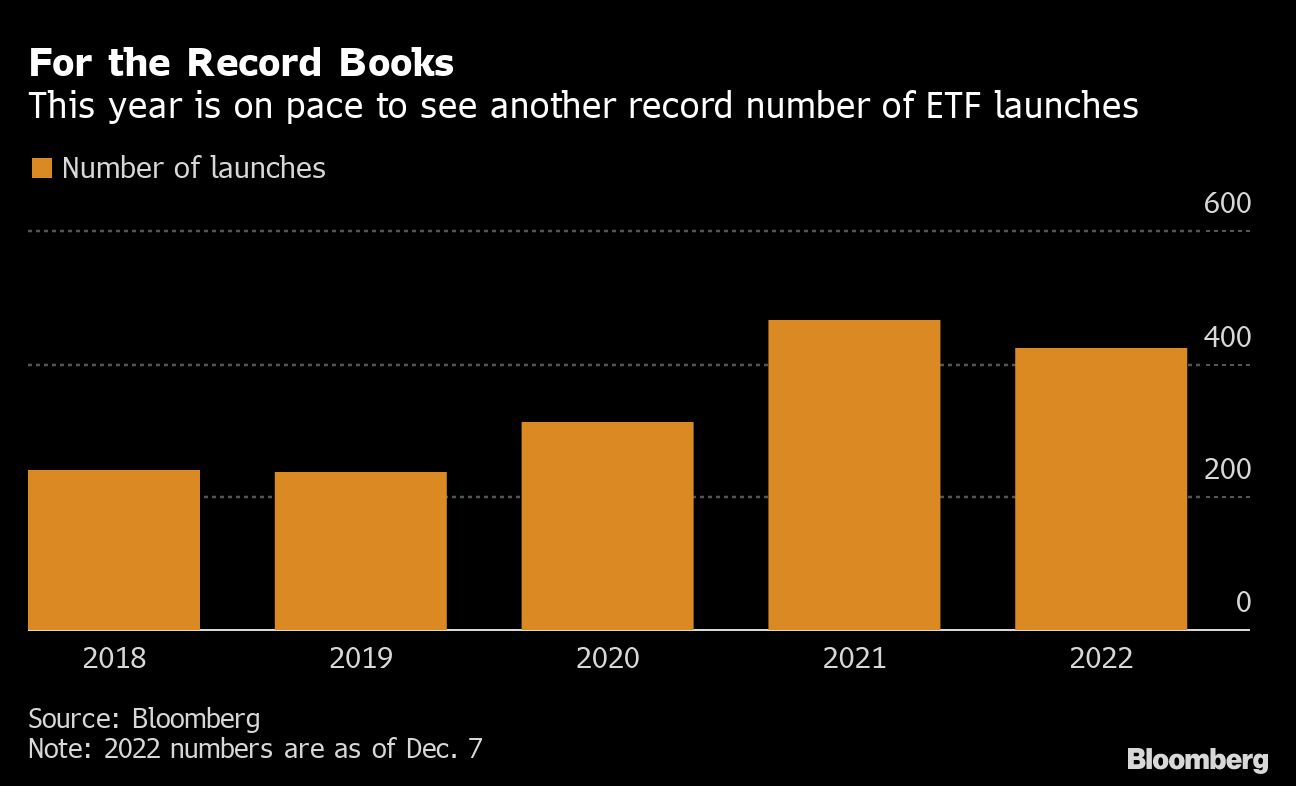
If a crushing bear market, inflation-fueled volatility and slump in inflows was meant to cool the booming US exchange-traded fund industry, issuers never got the message.
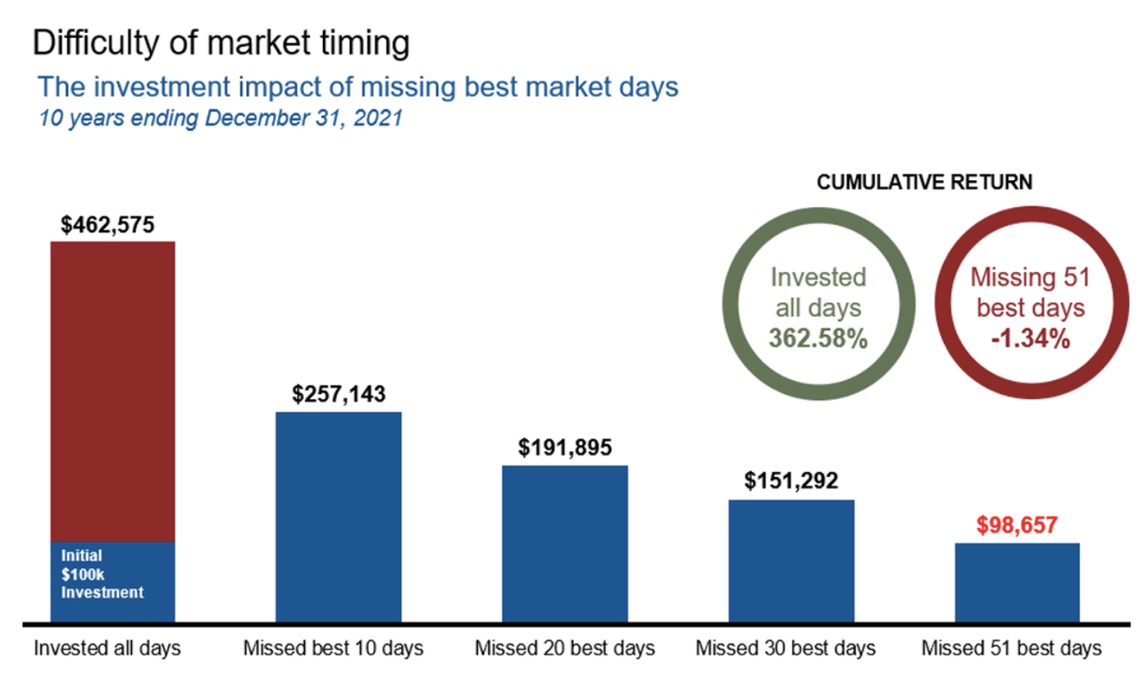
“95 years ago, your crystal ball reveals: Russian debt default, LTCM fail, DotCom implosion, 9/11 attacks, financial crisis and great recession, pandemic killing millions, 3 market crashes. Would you put your money into stocks? No? You missed a 10X return.”
An index strategy that’s all about customization is expected to grow faster than other investment vehicles over the next four years as investors’ desire for personalization intensifies.
There’s enormous scope for India and Greater China to increase GDP per capita relative to the U.S. and other developed nations
Like stuck card players trying to win it all back in one hand, equity bulls are dialing up risk appetites at the tail-end of a brutal year.
Key Takeaways
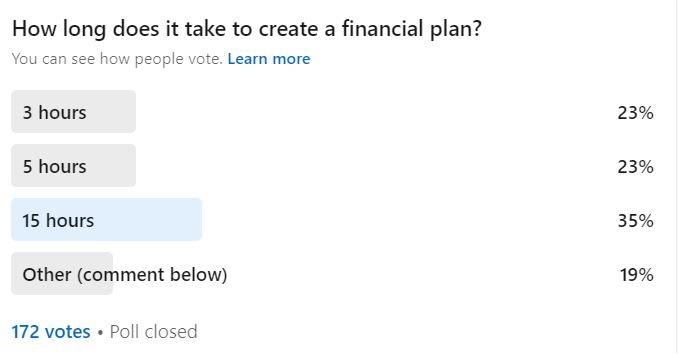
Financial planning can be opaque, vague, and perceived as non-valuable by the consumer. I’m about to give financial planning a transparency makeover.
Doll’s Deliberations this week summarizes some short-term expectations and some longer-term issues.
You might think a stock price is just a number, but it has symbolic and practical importance, especially in the US.
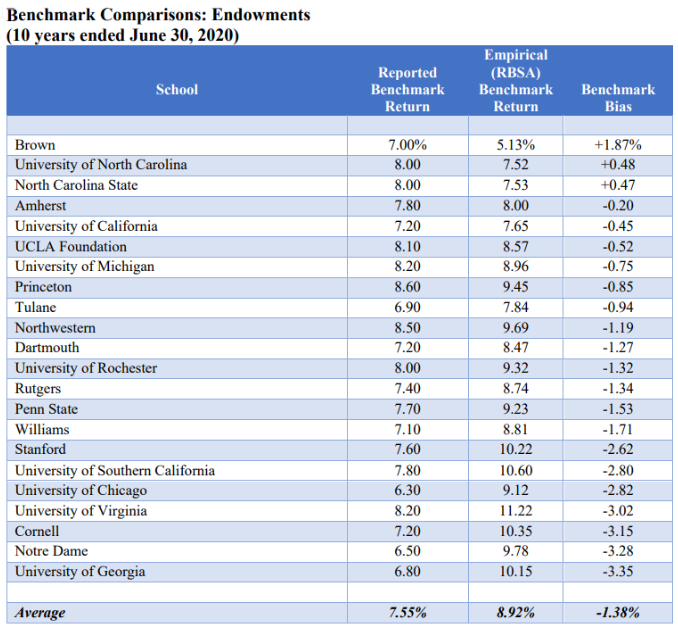
Don’t trust analysis from managers that shows they have outperformed an appropriately selected, passive benchmark. That is true for mutual funds, and new research shows it is equally accurate when it comes to endowments and pension funds.
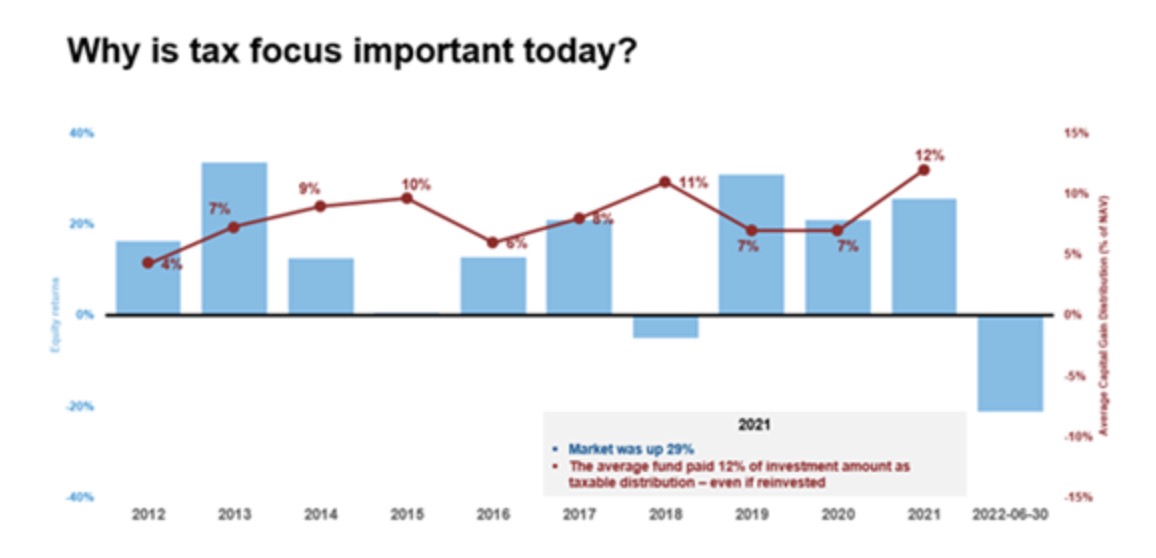
Everyone seems to be paying more attention to the cost of goods and services these days. But there is one cost that many investors pay without realizing it – the cost of taxes on their portfolios. Here's why this cost matters and what you can do to help your clients avoid it.
Owning a mutual fund that’s down 20% or 30% is bad enough. Now, holders of many money-losing investments will be asked to pay capital gains taxes too.
BMO Investments Inc. is introducing a suite of innovation-focused funds that will be overseen by Cathie Wood’s ARK Investment Management, in a bet that investor appetite for growth-centered products will persist even after this year’s slump.
The inflationary tremors shaking Wall Street all year are causing big changes to fixed-income capital flows that could ultimately end up disrupting the money-management industry over the long haul.
There is a long history that proves ESG’s viability and more than 2,000 empirical studies that show little absolute difference in performance by adopting it as a criterion for analysis.
JPMorgan Asset Management, Invesco Ltd. and Dimensional Fund Advisors are among large money managers pushing back against proposals by US regulators to crack down on misleading fund names.
Less than a month after I recommended that an organization – specifically NAPFA – set new membership standards regarding an RIA firm’s revenue model, one has risen to take up the challenge.
There’s no sugarcoating the stock market’s 20% plunge, but there is a small consolation prize: You have one of the best opportunities in years to lower your tax bill.
On Thursday, October 21 stock plunged following a sharp rise in consumer prices.
Corporate executives will have to pay back bonuses based on mistakes in their businesses’ financial reporting under a new rule from the US Securities and Exchange Commission.
Is tax drag holding your clients back?
Stocks rose last week (S&P 500 +4.7%) after falling to a 2.5 year low the week before. The increase was attributable to technical and sentiment reasons, but also Q3 earnings reports coming in less bad than feared.
Treasury Inflation-Protected Securities can be a buffer against long-term inflation, but it's possible for TIPS price declines to outpace principal adjustment in the short term.
The difficult capital markets saga of 2022 continued through the third quarter with few safe harbors as rates rose and growth slowed.
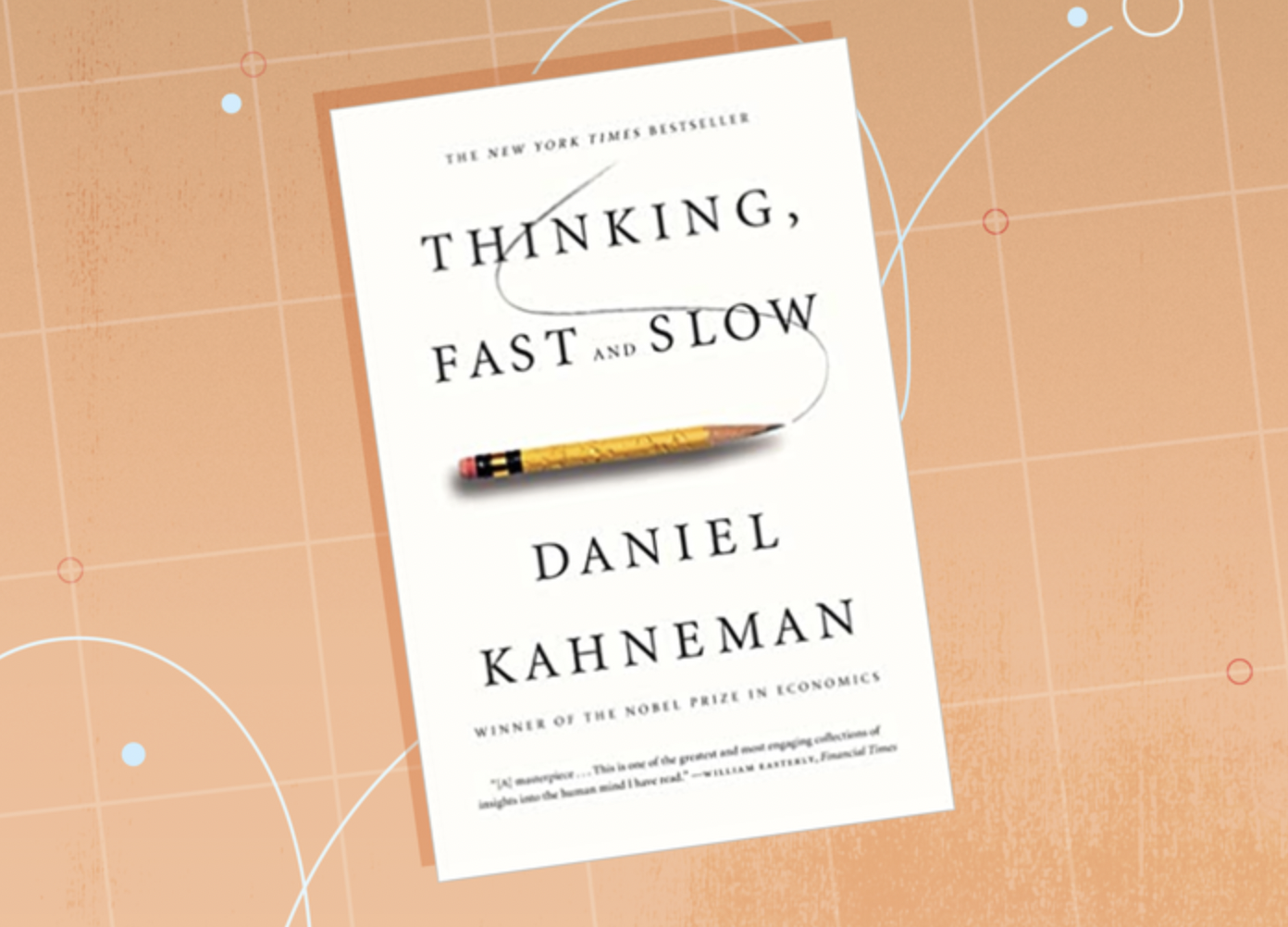
Daniel Kahneman and Richard Thaler won Nobel prizes for their work in behavioral science, propelling that discipline to the forefront of the advisory profession. But new research shows that behavioral science produces results that are no better than a simple model, and mutual funds based on it are no better than an index fund.
In 1987, Sports Illustrated, the preeminent sports periodical of the time, predicted the Cleveland Indians would win the American League pennant in its baseball season preview.
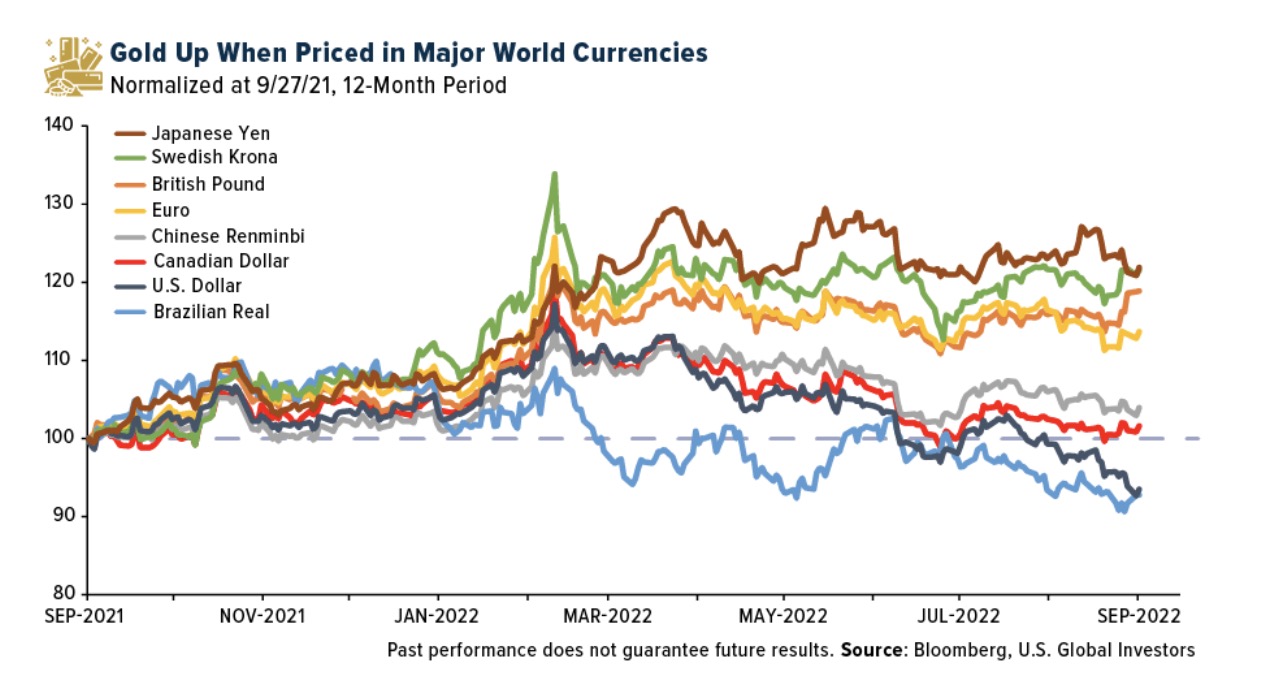
The worst may be behind gold mining stocks. Since hitting a 52-week low on September 26, they’ve risen about 18% and today notched their second straight week of positive gains.
The fourth quarter is starting with a bang for precious metals markets.
Every year, Northern Trust Asset Management issues a multi-asset class, five-year investment outlook known as its Capital Market Assumptions Report. Per the recently released 2023 edition, Northern Trust is expecting market returns to be slightly below long-term historical averages. While they believe lower stock valuations may provide some support, upside will be limited by higher interest rates. They see a somewhat similar dynamic playing out with bonds, where returns will be supported by higher yields that will be capped by flatter global yield curves. Among the six investment themes they’ve identified as driving markets over the next five years are Slow Growth Transitions, which looks at such slow transitions across the globe as pandemic to endemic; globalization to regionalization; and fossil fuels to renewables. Here today to discuss CMA’s themes and forecasts is Chris Shipley.
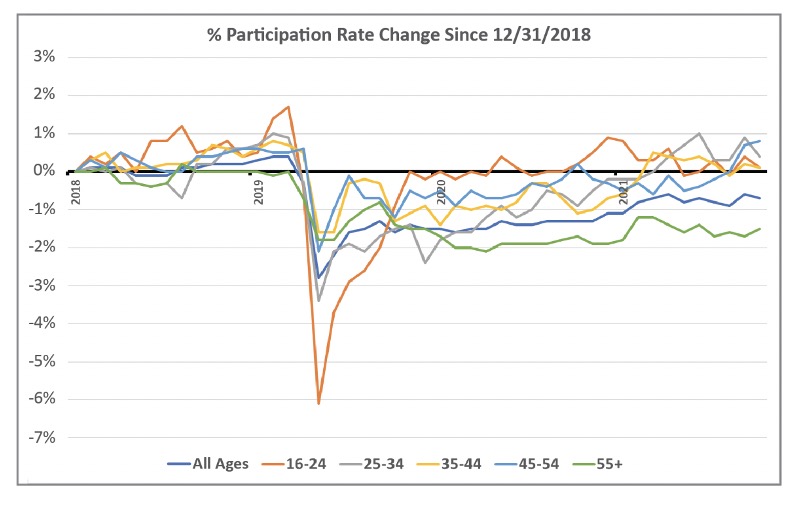
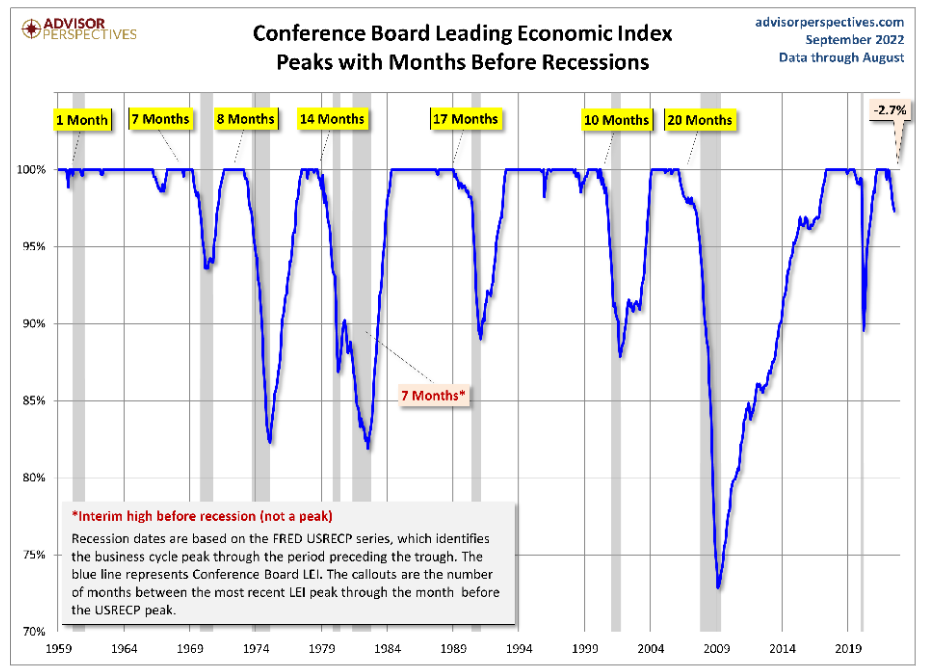
Most seers believe the US labor market is overly strong.
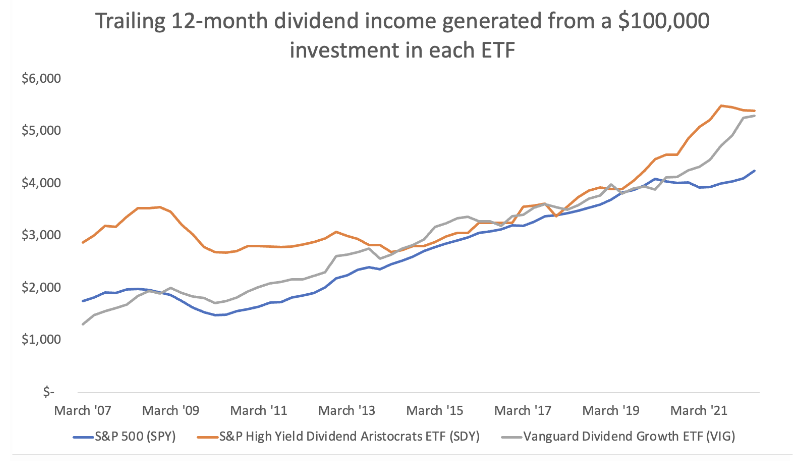
One investment with the ability to provide current income, inflation protection, and even the potential for capital appreciation has been largely overlooked – rising dividend stocks.
For most of 2022, the VIX been above its average, which historically has led to lower equity returns. I will review the risks that investors face, which explain the continued high level of uncertainty.
“Gold is no longer a safe haven.” “Gold isn’t an effective hedge against inflation.” “Gold is dead.”