Fiduciary September just concluded. To generate further awareness, my organization, the Institute for the Fiduciary Standard, produced eight panels with 22 speakers.
The few remaining signs that the US economy is headed for a recession are vanishing before our eyes.
Getting John Beatson to pick stocks for you used to require a cool $25 million or thereabouts. Thanks to the newest trend in money management, these days it’s more like $25.
Amazon.com Inc.’s next big thing might be lurking in the expensive supply chain apparatus that’s helped transform its e-commerce business into a juggernaut.
In his latest memo, Howard Marks provides a follow-up to Sea Change (December 2022). He argues that the trends highlighted in the original memo collectively represent a sweeping alteration of the investment environment that calls for significant capital reallocation.
Like a watched pot that refuses to boil, the much-anticipated recession of 2023 has yet to materialize. In our latest Strategic Income outlook, we examine the reasons and discuss what might finally cause the temperature to rise.
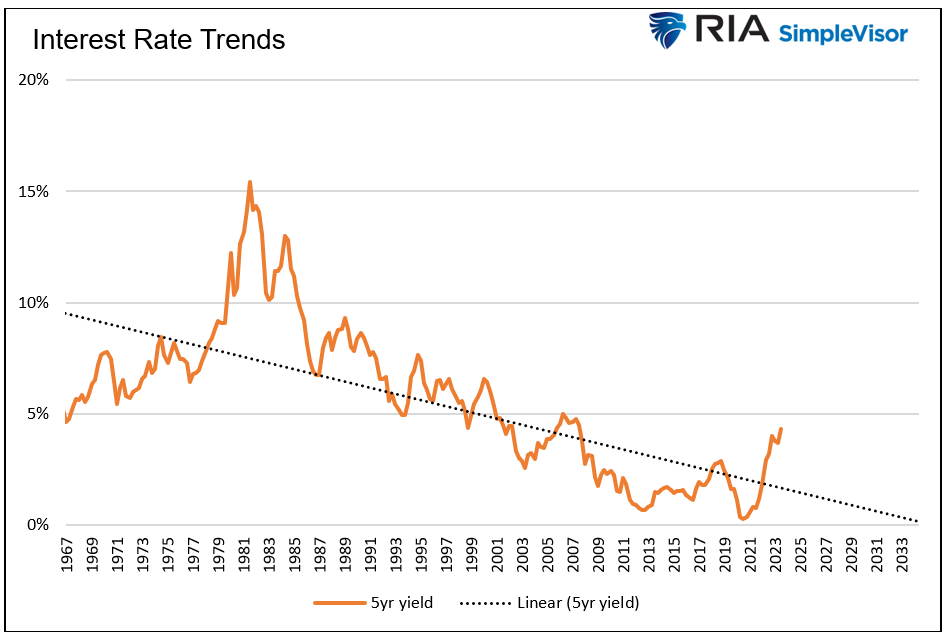
Yet again, the Federal Reserve’s battle to tame inflation has hit a speed bump. This week’s jobs report came in surprisingly strong, and while it may see revisions, it’s yet another point toward a lengthening rate cycle.
Investing in China remains challenging but that doesn’t mean there aren’t opportunities. Portfolio manager Vivek Tanneeru and Head of Portfolio Strategy David Dali highlight one approach that potentially can deliver alpha generation today while positioning for a potential upturn tomorrow.
Broadly speaking, large- and mega-cap tech stocks are far from bear market territory. But the Nasdaq-100 Index (NDX) closed 6% below its 52-week high last Friday.
The quarter started off strong enough in July but gave up ground in both August and September. The total return of the S&P 500 was down 3.27% for the quarter.
The odds of a unicorn spraying rainbows across the sky and the government running a surplus are the same: zero percent.
The financial planning landscape is undergoing a great transformation, driven by emerging trends that have accelerated in recent years.
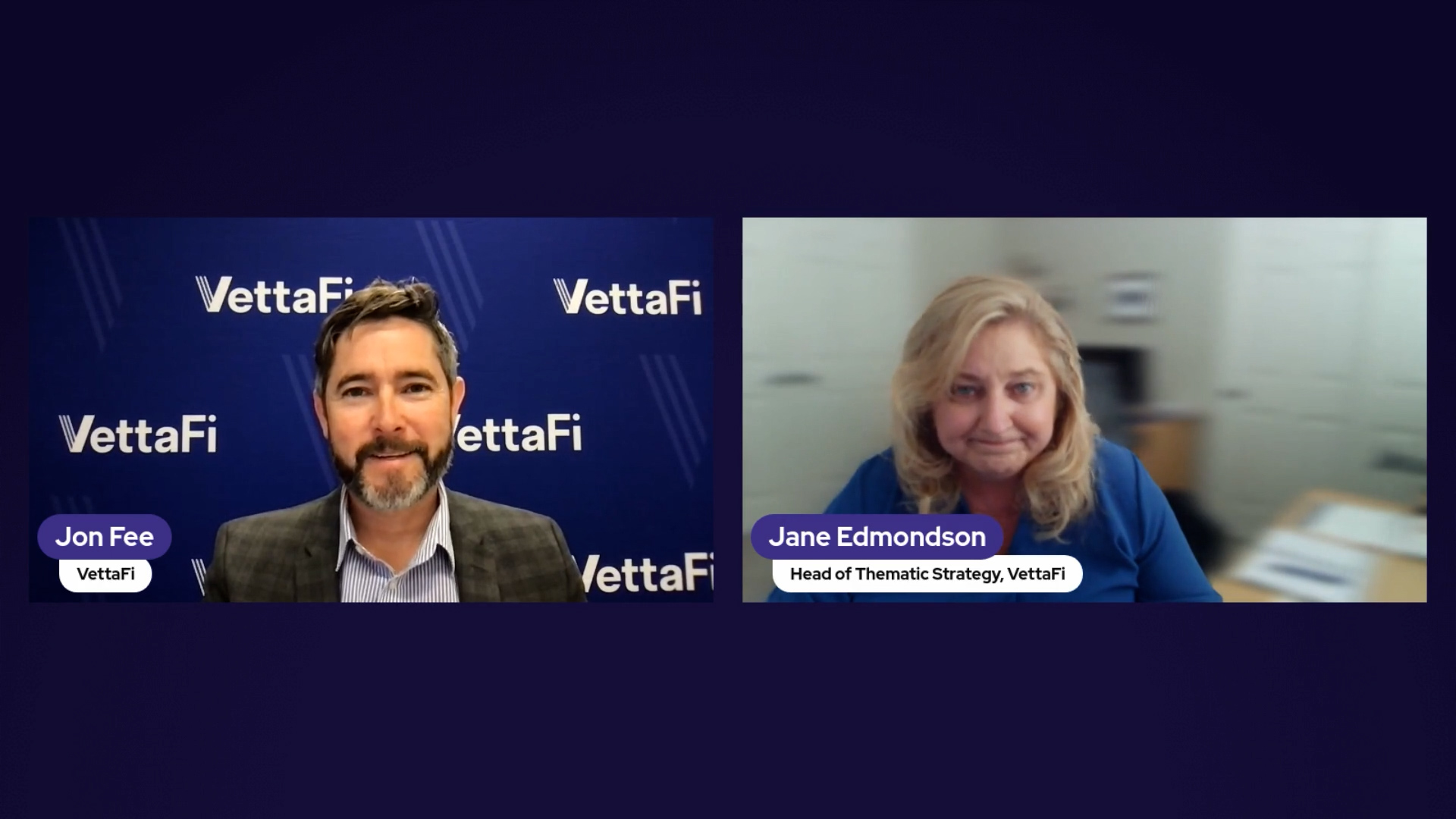
Jon Fee discusses VettaFi’s acquisition of EQM, technological growth in the indexing space and so much more with EQM CEO Jane Edmundson.
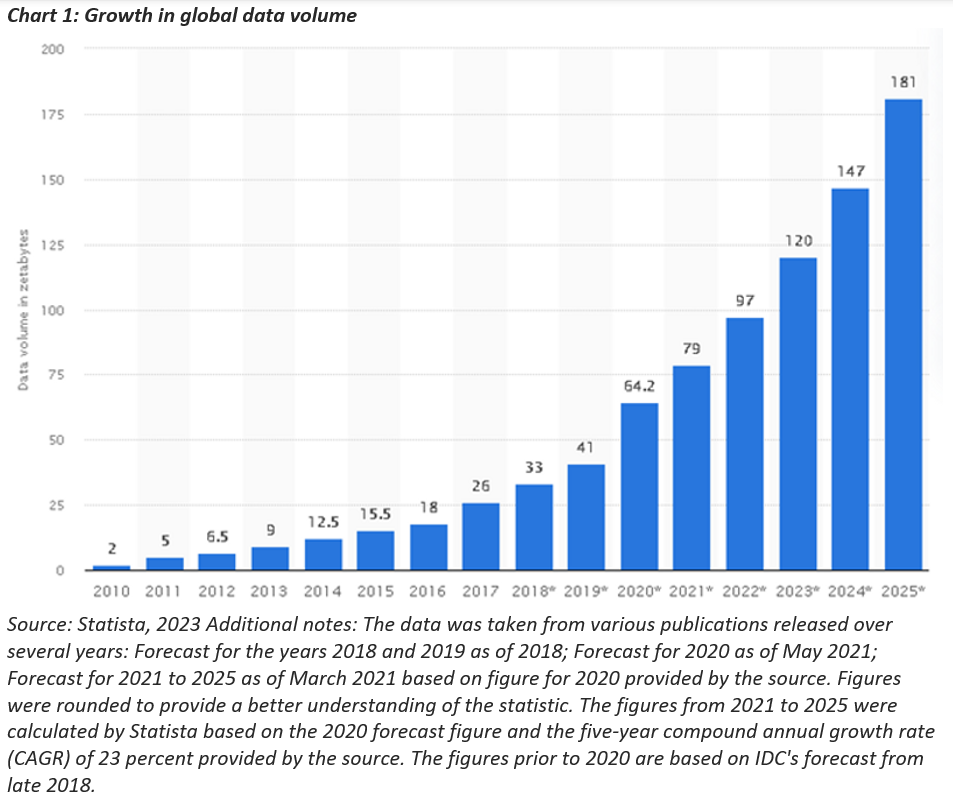
Data science will no longer remain the preserve of large quantitative managers.
Any successful implementation of a new technology depends on effective communication.
“Very strict enforcement” is a euphemism used by the American Automobile Association to warn motorists of places where even minor traffic violations will likely be caught and punished with heavy fines.
Most voters aren’t going to get hot under the collar about battles in Washington, DC, over bank capital requirements, but they definitely relate to stories about home loans becoming more expensive or less available. That doesn’t mean debate is straightforward, especially once each side starts throwing numbers around.
Stock markets that have refused to buckle under the highest yields since 2007 face a new test. Third-quarter results will shine a light on how much those rates are already hitting profits — and what they’ll do to lofty equity valuations.
After investment losses tore through the US financial system this year, a fresh slump in bank stocks shows some investors fear the problem — which at its most extreme claimed a handful of lenders — hasn’t gone away.
With gold prices in a sustained decline, investors who had an interest in this asset class may begin looking elsewhere.
Advisors have choices to face with their fixed income allocation. Should they take on credit risk to be rewarded with a high level of income? What about taking on interest-rate risk and owning longer-duration bonds?
A Conversation With: Jim O'Shaughnessy, Executive Chairman, Stability Al Founder & CEO, O'Shaughnessy Ventures, LLC Dave Nadig, Financial Futurist, VettaFi
For two decades, Amy Wu Silverman has tracked fear and greed across Wall Street by keeping a close eye on the twists and turns in the Cboe Volatility Index.
Even as stocks rallied back during the monetary panic last week, big disruptions in the world of Treasuries threaten fresh pain for a host of hedging strategies on Wall Street.
Don’t miss out on the ETF boom. Position yourself for success in this evolving market with our ETF Impact Report 2023. It can helse the power of ETFs to help maximize your investing potential. Get your copy of the ETF Impact Report 2023 to keep up with top ETF trends and new opportunities — in 2023 and beyond.p you:
Gain a competitive edge and invest with confidence. Get your copy of the ETF Impact Report 2023 now — brought to you by SPY.
With the widely followed Markit iBoxx USD Liquid High Yield Index down almost 3% over the past month and in the red on a year-to-date basis, this might not be one of those times.
Professional stock investors know little about bonds and vice versa I suppose. Yours truly has to be included in that mix but that doesn’t stop me from trying.
While investors await a spot bitcoin ETF, the SEC accelerated its rollout of ether futures ETFs. So far, issuers have launched five ether futures ETFs and four combined ether + bitcoin strategies.
In a market burdened by uncertainties, a flexible approach can help equity investors strike the right balance between short-term risks and long-term opportunities.
VettaFi’s Roxanna Islam discusses the underwhelming debut of ethereum futures ETFs. Baird’s Rich Lee talks recent ETF trading volumes, S&P 500 concentration risk, active management, and ETFs moving to T+1 settlement. Texas Capital’s Ed Rosenberg spotlights the Texas Capital Texas Equity Index ETF (TXS).
Advisor Perspectives has announced its Venerated Voices™ awards for commentaries published in Q3 2023.
Michael Kitces just published the results of his new software survey. Many of the results confirmed what Joel Bruckenstein and I have been reporting for years. But there were some key differences.
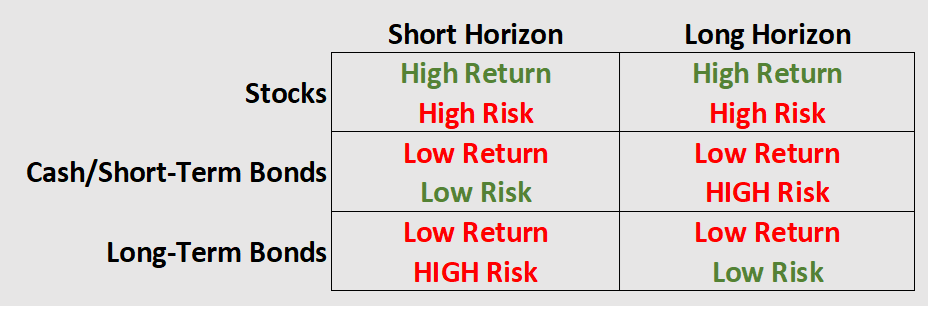
In investing, you can have a safe present or future value, but not both!
Economic indicators provide insight into the overall health and performance of an economy. They serve as essential tools for policymakers, advisors, investors, and businesses alike.
Risks remain tilted to the downside. Uncertainty about the strength and speed of monetary policy transmission and the persistence of inflation are key concerns. The adverse effects of higher interest rates could prove stronger than predicted, and greater inflation persistence would require additional policy tightening that might expose financial vulnerabilities.
It’s Moving Day for cryptocurrency ETFs. ProShares has launched three crypto ETFs, including the first fund correlated to the performance of the ether.
Rising rates and inflation acted as a wrecking ball to investment portfolios in 2022. U.S. equities and investment-grade fixed income witnessed double-digit declines, leaving investors scrambling for protection.
Higher interest rates aren’t just a thorn in the side of prospective residential real estate buyers and owners. Additionally, commercial real estate is feeling the pangs of a high-rate environment. That could bring out more bears in the sector.
Savvy investors are aware that geopolitical tensions and uncertainty can significantly influence the financial markets.
Following last year’s calamity in the bond market, it’s not surprising that advisors and investors are looking for new avenues through which to source income. That search is leading many market participants to options-based exchange traded funds, including covered call ETFs.
Reshoring and nearshoring are key trends for investors in global markets. As geopolitical tensions escalate and more businesses shift operations away from China, investors are considering the impacts of deglobalization.
A familiar situation to many advisors: You’ve just attended a big conference, such as Future Proof or Exchange. You have a stack of new contacts, partnership opportunities, and friendly faces.
One mark of true brilliance is the ability to make complex ideas seem simple. I think this is why so many of us fondly remember our early schoolteachers.
This article will demystify what a 401(k) rollover truly entails, why it’s an option to consider, and how it could play a role in shaping the landscape of your financial future.
As heightened inflation has lingered, the Federal Reserve diminished hopes of 2024 interest rate cuts and economic data suggests a mild recession in the first half of 2024.
Thomas Jefferson University (TJU) developed a strategic resource allocation framework to rationalize and simplify the complex legacy portfolio structures it had inherited through mergers and acquisitions.
Though time will continue to reveal its staying power, environmental, social, and governance (ESG) thus far has proven that it has its place in the investment community.
The BoE will have to do more to bring inflation back down to target.
When the revolution in higher education finally arrives, how will we know? I have a simple metric: When universities change how they measure faculty work time.
How long can the #economy stomach higher rates and avoid any major damage? In this month’s newsletter, we dive into why cuts need to happen soon, the fallout if they don’t, and how investors can position portfolios heading into year end.