The lockstep moves that have gripped the US stock market this month look set to end — at least for a day. A slew of big tech earnings reports sent shares in heavyweights Microsoft Corp. and Alphabet Inc. careening in opposite directions.
High-interest rates are keeping the residential real estate market in flux. This is due to borrowing costs making prospective buyers and even sellers think twice.
A transition away from fossil fuels is likely required to avert a significant warming of the planet. The primary risk to markets is the energy transition itself, which would require substantial capital expenditures.
We are focusing a lot of attention on fixed income at VettaFi in October. This week, we are hosting webcasts with AllianceBernstein and State Street Global Advisors.
"Don't be afraid to change things. Our business changes, we change. If it's not working, change it up." – Steve Nearman
From a wire house to the independent space, Steve Nearman of Nearman Financial Consulting has experienced a lot in his over 30 years in the financial services industry. Don’t miss this episode of Cambridge Stronger as Steve shares how the challenges he’s had to overcome throughout his career have equipped him to run his own independent business. He also highlights how he’s managed to grow his firm over the years and what he believes is the key to attracting and onboarding new clients. Finally, Steve explains how he stays active in his community through the gift of hockey, from which he was named a 2022 and 2023 Invest in Others Honorable Mention.
Bloomberg's James Seyffart offers the latest on the spot bitcoin ETF race and also discusses ether futures ETFs, spot ether ETFs, and crypto equity ETFs. VettaFi's Todd Rosenbluth highlights Vanguard's ETF success and covers a range of other topics including recent launches from Morgan Stanley and iShares.
Once you gain someone's trust, they will accept almost anything you recommend. But trust is tough to earn and rarely given quickly.
Following systems and processes make all the difference in end-of-life care for clients.
Tony Muhlenkamp shares his notes on charitable donations and income tax deductibility.
Wild swings in the “world’s safest asset” are once again acting as a driver for volatility across global markets.
As interest rates have risen dramatically over the past year, income-oriented funds have become more attractive. With the income finally back in fixed income, advisors are searching for new opportunities to generate yield while mitigating risk in their bond investments. That’s why Madison Investments, an independently owned investment firm managing $22.9 billion in assets, recently launched its first suite of four income-oriented ETFs. The firm provides a range of investment strategies across mutual funds, managed accounts and customized investment portfolios. It added ETFs to its offerings in August. Two of the funds in its suite – the Madison Aggregate Bond ETF (NYSE: MAGG) and the Madison Short Term Strategic Income ETF (NYSE: MSTI) – seek to capitalize on the growing demand for dynamic, risk-managed fixed income strategies. My guest today will discuss how advisors can use these actively managed ETFs to get the most value out of their fixed income allocation.
Corporate America’s spending on share buybacks, a driver of the US stock market rally for over a decade, is slowing in the face of higher-for-longer interest rates and an uncertain economic backdrop.
On Monday, the 10-year Treasury yield climbed over 5%, a 16-year high. It’s a level few would have predicted during the long run of rock-bottom interest rates that followed the Great Financial Crisis.
Is the work you do to make a living a job, a career, or a calling? Recognizing the difference will pay great dividends in many ways.
In the month of October, gold’s price began to trend upward. This jump in the price of the precious metal comes after consecutive drops in its value since May.
U.S. equities have ruled the roost for the better part of the last decade, but another region may emerge as the leader if the business cycle changes.
Big tech has obviously been a major mover for the stock market in 2023. With third quarter earnings forthcoming, there should be plenty of opportunities for broad-based ETF as well as single-stock ETF plays.
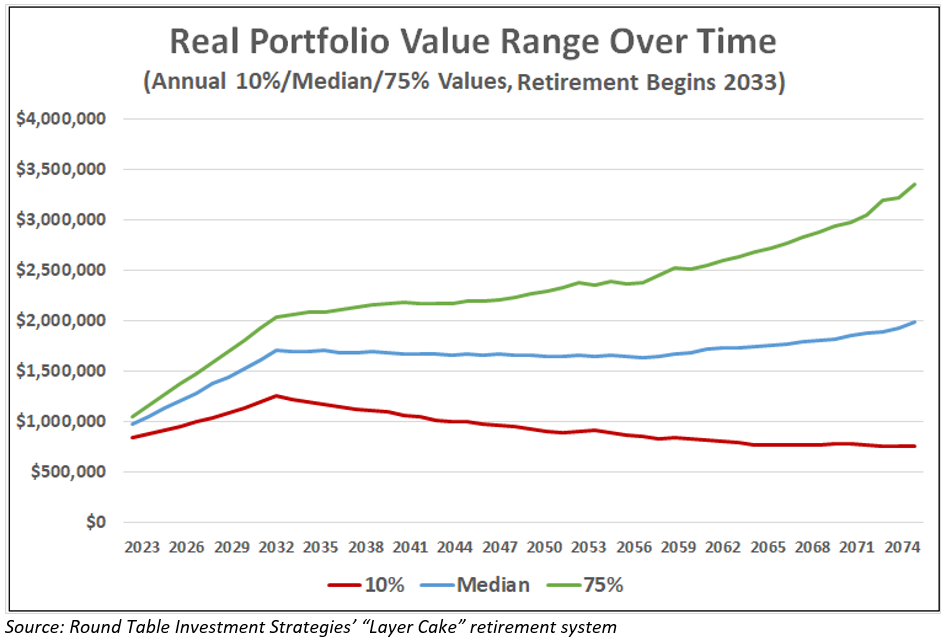
I previously discussed a method of applying long-run, risk-return insights to a goals-based approach to retirement investing. This article considers how to extend the process into the pre-retirement years.
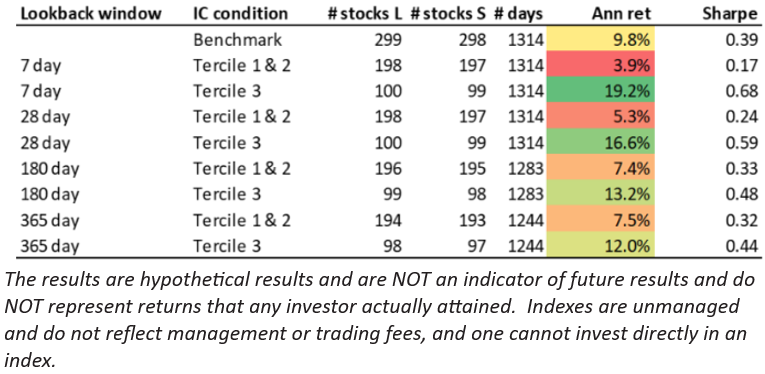
Using a new database that isolates the activity of retail investors, new research documents their poor performance
Many aspects of the economy are still being buffeted by the ripples from the pandemic, which makes precedents hard to apply, and should make everyone cautious as to their judgments. Housing market data is also, inevitably, reported with a lag.
A Bitcoin rally fueled by optimism about fresh demand from exchange-traded funds may have further to run if history is any guide.
The communications sector has been one of the best-performing sectors of the year, benefiting from both the tech boost and in certain areas, from consumer spending on services versus goods.
Investors who snapped up shares of Nvidia Corp. at the bottom of last month’s swoon got a harsh reminder of the multiple forces pushing and pulling on the chipmaker’s business prospects.
ESG isn’t a new concept. In recent years, it’s gained more attention and assets thanks partly to the proliferation of related ETFs.
The latest inflation report raises the odds of further Federal Reserve action.
The debate between active and passive management has been going on for years. And while active management has faced headwinds over the past decade or so, it’s starting to reclaim dominance over passive.
Drugmakers don’t have to dominate a healthcare portfolio. Equity investors should cast a wide net across the sector to find innovation and growth.
Bitcoin topped $30,000 for the second time this week on growing expectations that another favorable court action raises the likelihood that an exchange-traded fund holding the cryptocurrency will finally be approved.
We have been looking at big historical/economic/political cycles for the past two months.
Active ETFs have gained in popularity in recent years. However, some pundits have prematurely taken out their shovels for some funds. Even as these products show signs of vitality.
Tesla Inc.’s price cuts this year show customers are no longer willing to pay a premium for its vehicles. That raises a key question on Wall Street: Does its lofty stock-market valuation make sense anymore?
Russell Investments’ 2023 Manager ESG Survey, now in its ninth year, continues to offer valuable insights into the evolving landscape of ESG practices within the investment management industry.
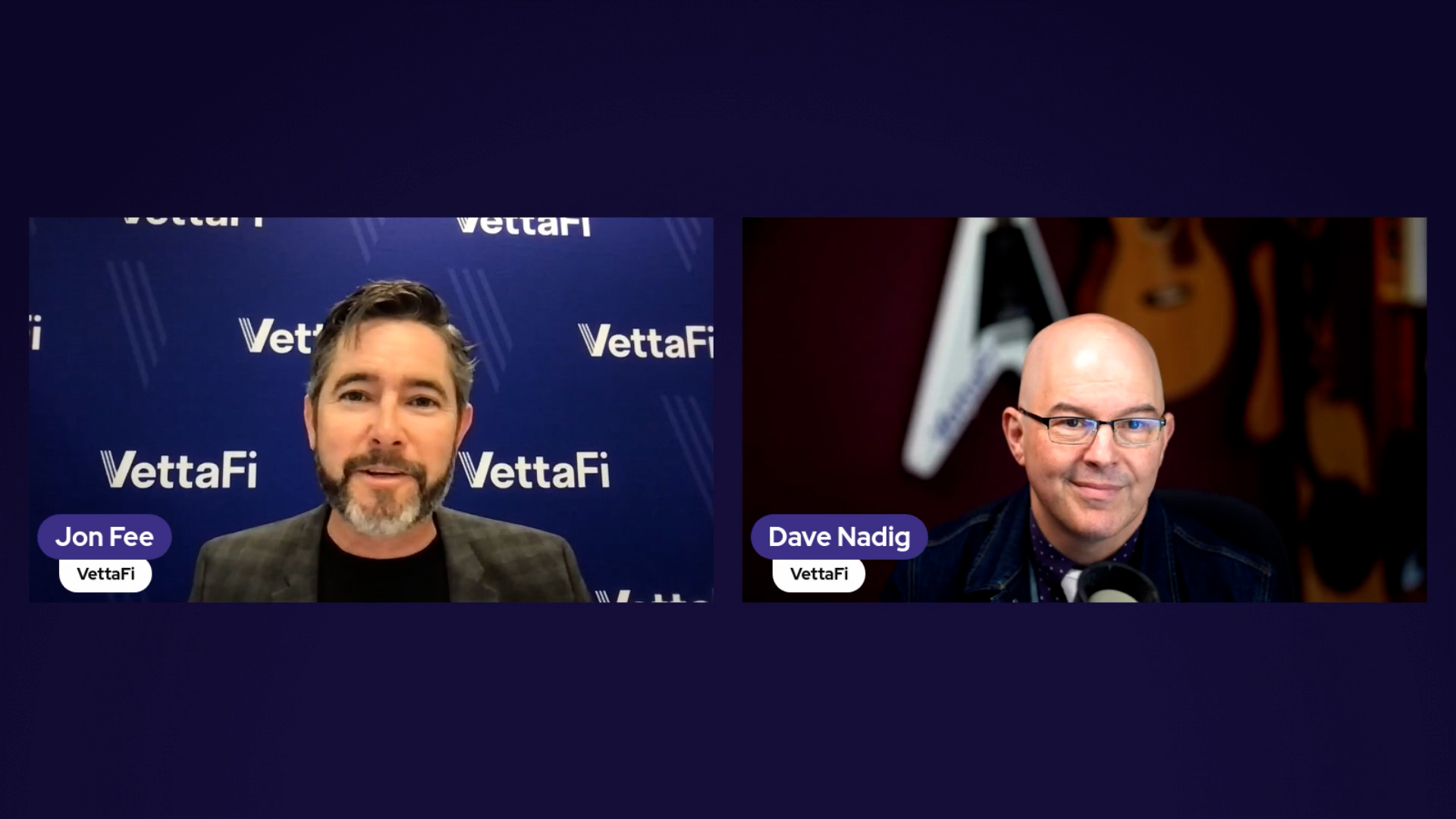
Join Jon Fee and Dave Nadig as they discuss market capitalism, globalization, alternative income and so much more in this latest Q&A.
Exchange-traded funds offering investors betting on or against Tesla Inc. two times the returns of the volatile stock launched Thursday, after what seemed like a long-shot bid at winning regulatory approval.
Selloffs in Treasuries are compounded by the real loss in the purchasing power of the dollars they are denominated in.
The Federal Reserve (the Fed) has made some relatively painless progress thus far in its inflation fight. Some other prominent economists have walked back their forecast for a near-term recession.
When it comes to processing power for artificial intelligence (AI) applications, speed is essential, but chipmaker Nvidia also wants to be first in terms of manufacturing.
It may not be new, but one of the best modern-day examples of disruptive technology is the smartphone. It is a technology that has radically disrupted human behavior and changed how we live our daily lives.
VettaFi’s vice chairman Tom Lydon discussed the Grayscale Bitcoin Trust (GBTC) on this week’s “ETF of the Week” podcast with Chuck Jaffe of “Money Life.”
In 2021, almost two-thirds of respondents said they considered environmental, social and governance (ESG) factors when investing. In 2022, that number was 60%, and this year it’s 53%, according to the annual ESG Attitudes Survey from the Association of Investment Companies.
Few are saying it out loud, but it seems plenty of investment banking leaders think a big rebound in dealmaking and fundraising is around the corner.
Is there a lesson here for financial advisors? Indeed, there are two.
Those closely following the quest for an exchange-traded fund that would hold Bitcoin have Friday circled on their calendars.
The third largest ETF recently reached the age of 13. Yes, the Vanguard 500 ETF (VOO) is now Taylor Swift’s lucky number. (Am I one of the first people to use Ms. Swift and Vanguard ETFs in the same sentence?)
Are markets actually set for a recession? That was the narrative that dominated entering 2023, but with just several weeks left, it hasn’t materialized.
There is once again growing interest in the world of the metaverse as technological advancements and innovative strategies in different sectors have continued to show progress.
Jeff and Ron Muhlenkamp give an update on the relevant economic indicators impacting investments. They also provide their thoughts on inflation, the possibility of a recession, and a list of things “broken” by the Fed due to it raising interest rates.
Japanese profits have benefited from the prolonged deleveraging of Japan Inc. The reduction in debt coupled with exceptionally low interest rates has allowed cash flow to impact the bottom line.
The AICPA PFP section approaches its 40th anniversary. The engagement of CPAs in providing personal financial guidance has deep professional roots.
According to Gary Gensler, chair of the SEC, a market crash caused by artificial intelligence is “nearly unavoidable.” Like many other regulators, he has called for new regulations on AI to prevent such dire scenarios.