This is not a typical business cycle. We see structural forces holding inflation higher long term, keeping the Fed from cutting as much as markets expect.
At the height of summer, Europe had hoped that the coming winter would be its last difficult one to secure enough natural gas. By the middle of next year, liquefied natural gas was expected to turn into a buyer’s market, easing the squeeze the region has suffered since Russia invaded Ukraine. No longer.
Credit risk fell in reaction to Donald Trump’s US presidential win, even though his presidency may be marred by tariffs and possible trade wars.
As we think about investing around a historic election, establishing what we know, what we need to know, and what we can count on is a useful foundation for navigating the uncertainty.
In his 2022 Berkshire Hathaway shareholder letter, Warren Buffett wrote that in his 80 years of investing, he had “yet to see a time when it made sense to make a long-term bet against America.”
Intel Corp. and Samsung Electronics Co. have shed a total of $227 billion in market value this year on their lack of leadership in artificial intelligence.
Our analysis explores how potential post-election tax policy changes might impact dividends, capital gains, and municipal bonds and how investors might prepare for different election outcomes.
Equities continued to climb in Q3, with fixed income remaining steady despite international conflicts, inflationary pressure, and election-related uncertainty in the United States.
With the election looming, investors should prepare for potential changes in tax policies, particularly given the impending sunset of the 2017 Tax Cuts and Jobs Act.
With less than two weeks remaining before the U.S. presidential election, there’s a growing sense of uncertainty in the air. Investors are wondering how to position their money, bracing for the possibility of significant volatility and market shifts.
Many investors today use EM debt for the wrong reasons, manage it imprudently, or overlook the best parts.
Asset managers in Europe and the US have spent 2024 winding down hundreds of ESG funds, as the investment strategy continues to bump up against regulatory headwinds.
Thanks to a variety of structural advantages, including favorable demographic trends, we believe the U.S. remains the most attractive investment environment in the world.
Bonds extended losses as investors mulled the prospect of slower US interest-rate cuts, a trend that risks upending debt positions everywhere.
In what should be one of the least surprising developments, global electricity demand is soaring everywhere as the world moves to electrify everything. Out go gasoline cars, in come electric vehicles; out go gas boilers, in come heat pumps; and so on and so forth. That’s the energy transition.
If you’ve been paying attention to the markets, especially in recent months, you’ve likely noticed something interesting happening with nuclear energy stocks.
Markets changed character to broad-based optimism relating to the economy. The economic picture began to come into focus with inflation continuing to moderate as the economy maintains steady growth and employment. The result was a stark turnaround for economically integrated or interest rate sensitive assets, which resulted in a great quarter for diversified multi-asset portfolios. New Frontier sets a major milestone in Q4, marking 20 years of investing at the end of October.
Asia-Pacific economies will benefit from soft landings and easier monetary conditions.
Netflix Inc. added more than 5 million customers in the third quarter and eclipsed Wall Street’s expectations on every major financial metric despite a new programming slate constrained by last year’s strikes in Hollywood.
Taiwan Semiconductor Manufacturing Co. raised its target for 2024 revenue growth after quarterly results beat estimates, allaying concerns about global chip demand and the sustainability of an AI hardware boom.
Biden administration officials have discussed capping sales of advanced AI chips from Nvidia Corp. and other American companies on a country-specific basis, people familiar with the matter said.
Global equity markets continued to rally throughout the third quarter, with strong positive stock performance from the U.S., international developed, and emerging markets. The two biggest narratives that have unfolded recently center on the U.S. and China.
U.S. stocks have handily outperformed their global peers over the past few decades, as well as in the post-World War II period. We document the scale of the outperformance and ask whether it can continue.
Chinese stocks overcame a bout of early volatility to post their biggest gain in a week on Monday, suggesting that investors are hopeful the government will deliver on its promise of more fiscal support.
With over 36,000 metric tons in reserves—about one-fifth of all the gold ever mined—central banks know something we should too: Gold is the ultimate safety net.
China’s leaders appear to be back on a pragmatic macro policy path, but more course corrections will be required to change the direction of the world’s second-largest economy. Beijing must continue to be less stubborn, and we will need to be patient.
The latest S&P 500 rebalance introduced Dell and Palantir to the index, and Apple’s weight grew with annual float changes, signaling technology’s ongoing influence.
Foreign investors have been buying more US corporate bonds, a trend that will likely continue as Federal Reserve monetary easing lowers the cost of hedging and investors hunt for yield.
Many emerging markets have delivered a robust performance this quarter amid a number of headwinds and we expect key geographies to build on that in the coming months.
Policymakers have recognized China's slower economy.
The outlook for corporate debt is improving now that the Federal Reserve has begun cutting interest rates, according to the latest Bloomberg Markets Live Pulse survey.
Market conditions are shifting fast. But making impulsive changes to equity portfolios and allocations can be counterproductive.
Emerging-market stocks are showing signs of life amid hints of earnings improvements. Where should investors look?
Our experts explore the implications of wider S&P 500 earnings growth, potential Fed rate cuts, and the outlook for global equities and bonds amidst ongoing economic shifts.
Companies and governments around the globe spent the past month streaming into debt markets, seizing on declining interest rates ahead of an uncertain US presidential election that many fear will spur volatility in markets.
Asian assets swung violently over the past three months, rocked by a succession of epochal events that culminated in a giant stimulus boost for China and propelled the region’s equities to world beaters.
Sand. Salt. Iron. Copper. Oil. Lithium. These, not petabytes or algorithms or innovative ideas, are the building blocks of human life as we know it. At least that’s what Ed Conway, author of Material World, tells us.
I attended and spoke at the European Blockchain Convention this week in Barcelona, where the energy around digital assets, Bitcoin and Web3 was palpable. Among the 6,000 attendees, there was a sense that we’re on the brink of a new era in finance and digital infrastructure.
Portfolio Manager Andrew Mattock, CFA, assesses the key components of the growth measures announced by the central bank and financial regulators in terms of their potential impact on the economy and the Chinese equity market.
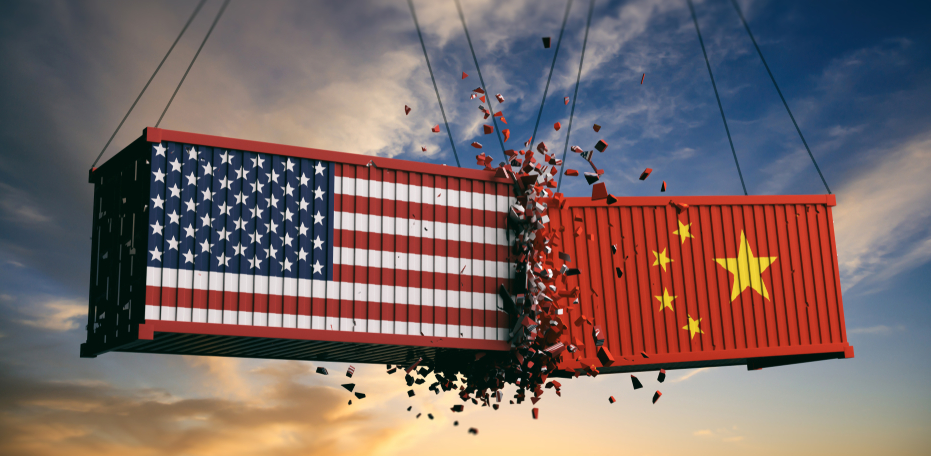
Regardless of whether Donald Trump or Kamala Harris wins the US presidential election in November, Chinese decision-makers expect bitter disputes over trade, technology, and Taiwan. Feeling under siege, China is girding itself for long-term enmity with the world’s largest economy.
Chief Investment Officer Sean Taylor provides his insights on how the Fed’s 50 basis point-rate cut may affect emerging economies, particularly in Asia and Latin America, how it impacts portfolio allocations and the sectors he believes are poised for growth amid this shift.
News of that day included rioting in northern England, apparently in response to misinformation spread online claiming the person who stabbed to death three children and injured eight others in Southport was a Muslim immigrant.
Investors poured money into exchange-traded funds that buy emerging-market bonds last week as optimism around the Federal Reserve’s easing cycle fueled risk appetite.
Since mid-2022, when the Federal Reserve was in the midst of its aggressive hiking cycle, investors piled over $1.6 trillion into money market funds, which include Treasury bills.
I’m moving up a letter I was planning to share with you on my birthday weekend in two weeks. The story about sandpiles and the financial system may be the most popular letter I’ve written in the last 25 years. It is one we should all re-read every few years to remind us how change happens slowly, then suddenly.
For years, the U.S. has been the dominant player in military spending, with American companies like Lockheed Martin and RTX (formerly Raytheon) commanding the global arms market. But now, Europe—specifically its arms manufacturers—may be the next big opportunity for savvy investors.
As GMO celebrates its 30th anniversary managing emerging debt this year, we offer our comprehensive guide to emerging debt markets. Given the tumultuous recent events – a global pandemic, defaults, repricing of interest rates, relentless strength in the U.S. dollar – we’ll focus on the Why as a starting point. Then we’ll dive into the proliferating How, covering strategies and vehicles.
MSCI boosted India’s weighting in the MSCI Emerging Markets Index and reduced China’s in its latest quarterly rebalance, continuing long-term trends.
Many investors understandably are wondering where Japan’s equity markets are heading. The market had a good year through June. After that it changed. The Bank of Japan's hawkishly delivered interest rate increase on July 31 preceded the release of weak U.S. economic data.
The size of the Federal Reserve’s interest rate cut this week won’t be a game changer for global investors, though risks from China’s slowdown continue to weigh on their minds, according to participants at a regional forum.