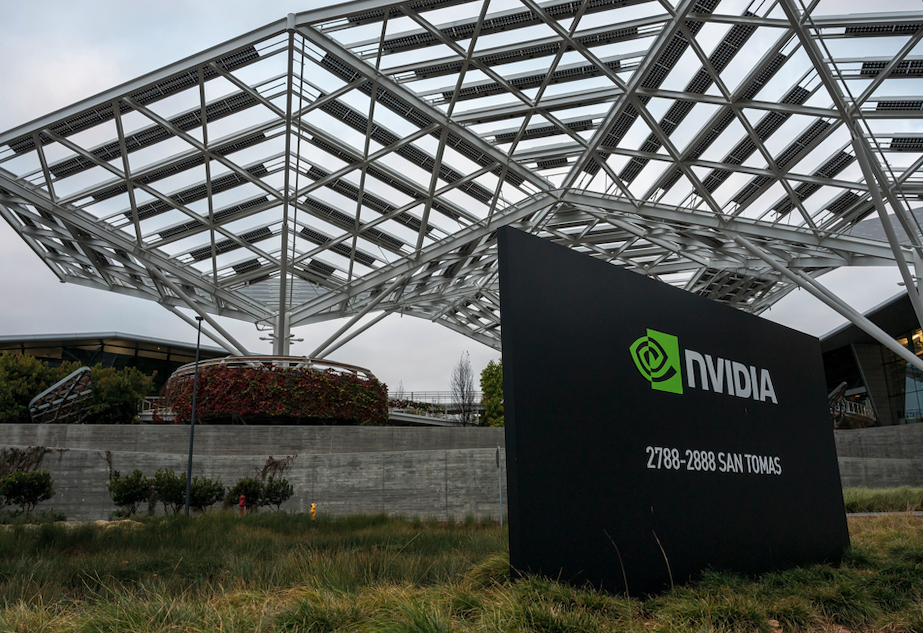
Technology stocks sank as new US government restrictions on the export of Nvidia Corp. chips to China and a disappointing report from ASML Holding NV dimmed the outlook for the semiconductor sector, wiping out more than $180 billion in market value for the two companies alone.
Swedish firm EQT AB received more than $10 billion in investor commitments for its latest pan-Asia private equity fund, putting it on track to reach its fundraising goal despite the market volatility.
Wall Street on Monday finally caught a respite from the deep selloffs and unusually sharp swings that have raced through markets ever since President Donald Trump unleashed his global trade war.
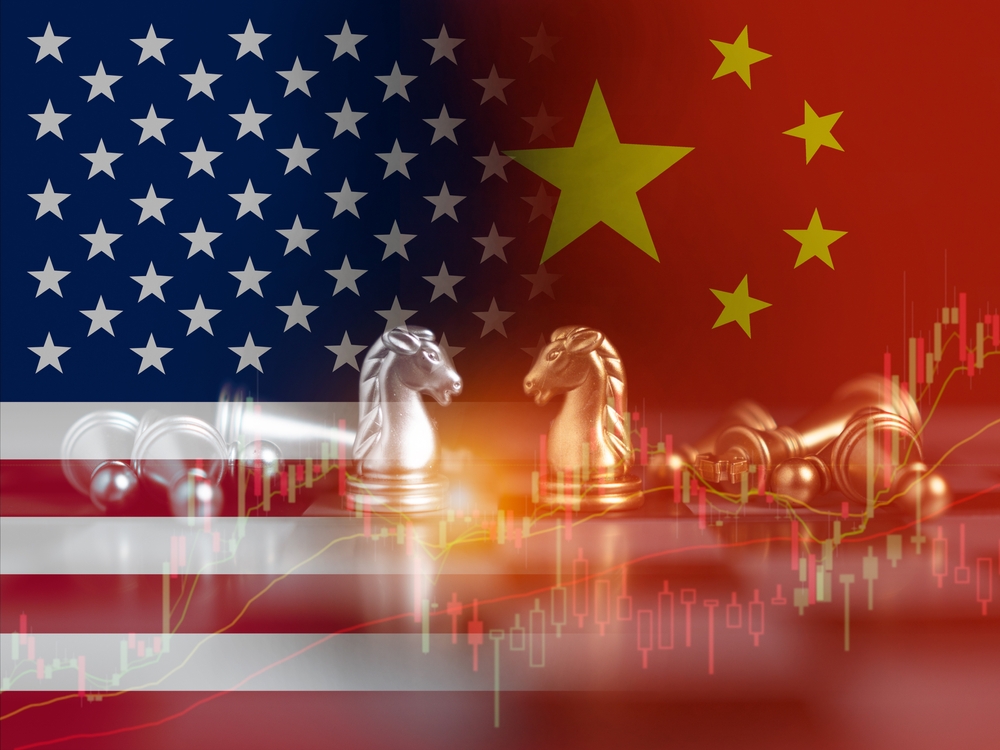
The world’s two biggest economies are headed for a divorce that will likely play out for the rest of this year and beyond, after a month that saw a huge spurt in China’s exports and its overall trade surplus hit near $103 billion.
Four of the nine indexes on our emerging markets watch list have posted gains through April 11, 2025. Chile's IPSA is in the top spot with a year to date gain of 11.2%. Brazil's IBOVESPA is in second with a year to date gain of 6.3% while Mexico's BMV IPC is in third with a year to date gain of 3.5%.
It was a wild week on Wall Street after President Donald Trump announced a broad new tariff policy that went beyond what most analysts had anticipated, spurring a plunge in both stock and bond markets.
On 2 April, the Trump administration announced sweeping tariffs that were more aggressive than many had expected. Then on 9 April, the administration announced a 90-day pause on most of the new country-specific “reciprocal tariffs.”
Markets were jolted last week after President Trump announced sweeping tariffs, including steep increases on China, Japan, and the EU, leading to a 10.5% drop in the S&P 500 over two days—an event seen only during major crises in the past 75 years.
With uncertainty in abundance, we think investors should avoid drastic moves.
With a number of factors at play, the short-term pullback in gold will likely meet resistance to the long-term, unchanged fundamentals,
DoubleLine Global Bond Portfolio Manager Bill Campbell shares DoubleLine’s outlook for risk markets, the U.S. Treasury curve, inflation, growth and Federal Reserve policy in light of Washington’s reciprocal tariffs and reactions of U.S. trade partners.
While there are no absolute winners in a trade war, there may be relative winners in the global stock market for investors to consider.
We’re adjusting our stance in response to rising risk while maintaining a disciplined view on long-term strategy.
MFS, which pioneered the first mutual fund in 1924, recently entered the ETF arena with the launch of five actively managed products. MFS’s Emily Dupre discusses the firm’s decision-making process around launching ETFs, their investment capabilities, and the role active management plays in a portfolio. Plus, VettaFi’s Roxanna Islam assesses the ETF impact of the recent tariffs announcement.
We reexamine our macroeconomic outlook in light of newly announced tariffs, which have exceeded market expectations and prompted us to update our assumptions and analysis.
Chinese shares plunged and sovereign yields neared an all-time low as investors braced themselves for the fall-out of a spiraling trade conflict between the world’s two largest economies.
Global markets are in freefall in response to President Donald Trump’s universal 10% tariff on all goods being imported into the U.S., with as many as 60 countries facing “reciprocal” tariffs on top of that.
On the latest edition of Market Week in Review, Director and Senior Investment Strategist Alex Cousley discussed the details of the Trump administration’s tariff plan and the market’s reaction.
We examine the April 2 tariff announcement from President Trump, outlining key proposals and the potential implications for trade and market sentiment.
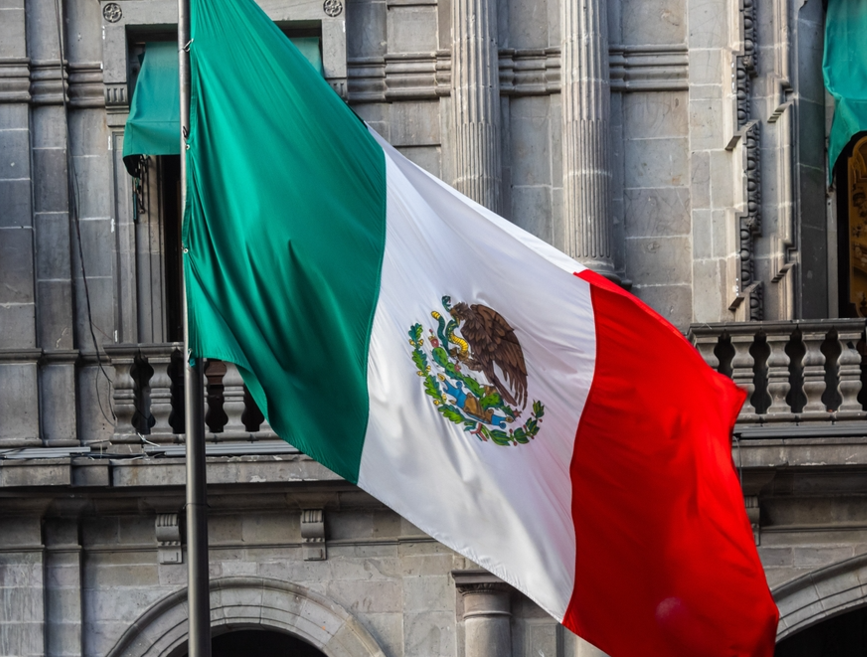
By sparing Mexico and Canada from his reciprocal tariffs on Wednesday, US President Donald Trump has kept the pact known as USMCA on life support. That’s no small feat given the animosity shown by the US government toward its neighbors in the past weeks.
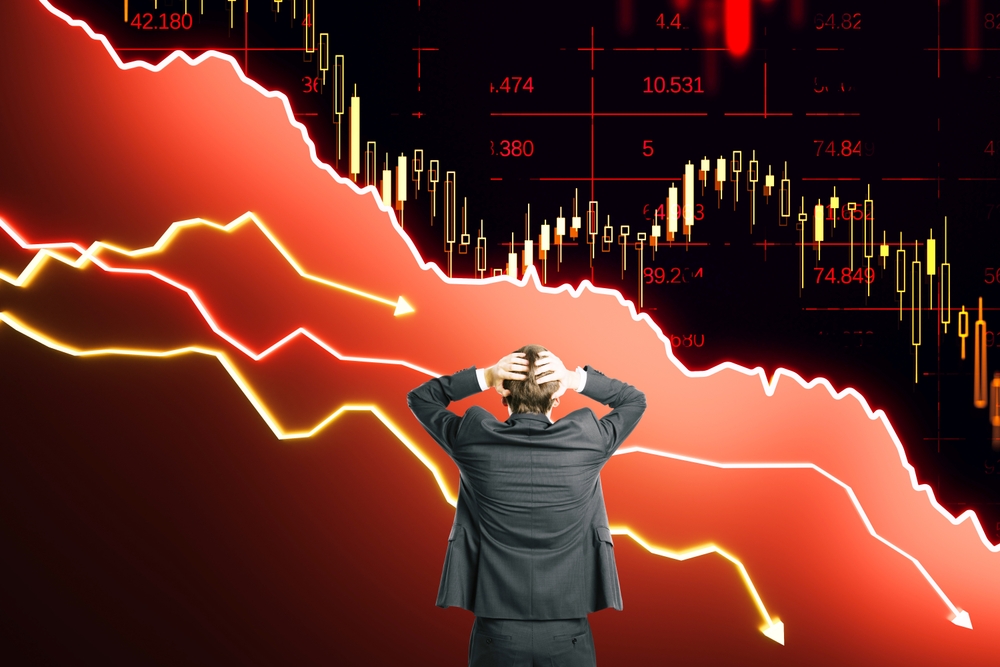
U.S. indexes suffered their worst day since the pandemic, hurt by Trump's massive tariffs that sparked recession fears. Almost every sector fell, with retailers and tech hard hit.
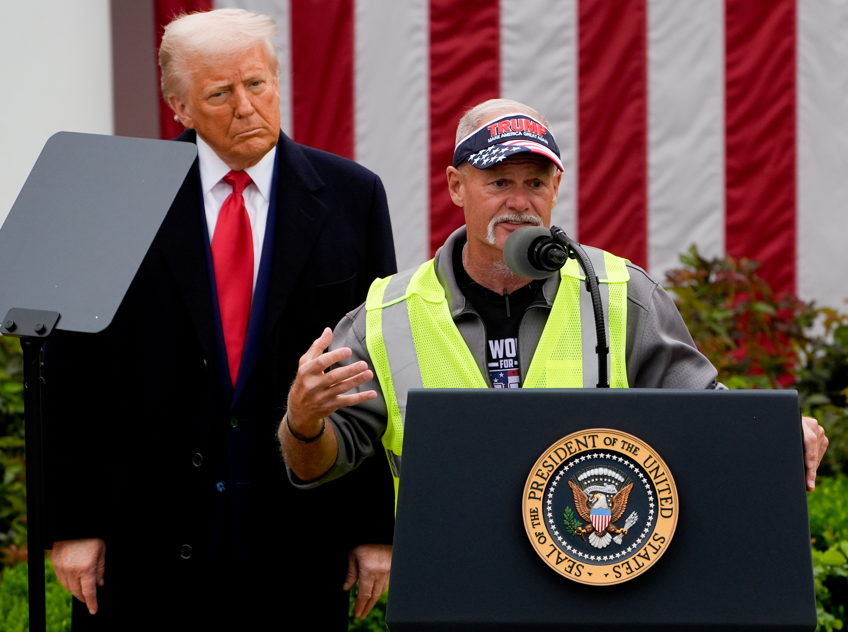
President Donald Trump imposed the steepest American tariffs in a century as he steps up his campaign to reshape the global economy, sparking threats of retaliation and a selloff in markets around the world.
Market volatility is likely to rise as investors digest the president's plans.
Longtime Investor Alert readers have often seen me say that government policy is a precursor to change. What this means is that, when policymakers act—whether through subsidies, sanctions, tariffs or regulations—markets can sometimes respond swiftly and dramatically. We’re seeing that play out right now in real time, especially in the copper market.
EQT AB has raised €21.5 billion ($23.2 billion) for its latest infrastructure fund — a sum a top executive for the Swedish investment firm says underscores how the energy sector’s funding needs trump an uncertain market for deals.
With the pause button pressed on this year’s huge AI rally in Chinese tech stocks, clarity on global economic policies and concrete signs of core business improvement may be required to get things rolling again.
From New York to London and Hong Kong, investors are cutting back risk ahead of next week’s tariff announcements, while keeping cash ready to pounce the moment opportunities arise.
We’ve written quite a bit on tariffs already this year, and appropriately so. Developments on this front have been significant and are of global consequence.
The canal is a vital and valuable trade route.
As policy uncertainty grows, we consider how tariffs and other government actions might impact inflation, interest rates, and market sentiment.
Emerging markets offer the potential for long-term diversified investment returns but they can endure challenging periods of volatility and uncertainty. Head of Portfolio Strategy David Dali maps out the issues to consider when constructing and managing a portfolio for emerging markets.
Despite NVIDIA’s stock flashing a bearish “death cross”—its 50-day moving average slipped below the 200-day moving average for the first time since January 2023—the energy at the conference was electrifying. Every major industry was represented, from health care to defense, signaling that artificial intelligence (AI) is expanding at a white-knuckle clip.
Citigroup Inc. had what looked like the perfect way to grab a slice of the money flowing from wealthy individuals to private equity firms: playing matchmaker between its rich clients and an up-and-coming firm.
EQT AB will return $5.4 billion to investors this week after completing the sale of a stake in Nord Anglia Education Ltd., marking one of the most profitable recent private equity exits in Asia, people familiar with the matter said.
One of the textbook drivers of alpha is an information edge. Having more information, advanced ways to use that information, and the ability to react to it before anyone else has been a massive advantage throughout the history of markets.
US stocks gained after a volatile session as dip buyers emerged after a cooler-than-forecast February inflation report.
President Donald Trump’s 25% tariffs on steel and aluminum imports came into force Wednesday, triggering concern across export-reliant Asia and immediate reprisals from the European Union and Canada as the global trade war enters a rocky phase.
For decades, the U.S. dollar’s dominance has rested on two pillars: America’s deep capital markets and its global security alliances. Today, both are under strain.
Economic growth, earnings performance, and rising fiscal spending coupled with "America First" policies are driving international stock markets.
Trade policy clarity is a long way off.
WEIRDness provides rewards – wealth, the pursuit of happiness, political freedom – that should cause it to succeed, over the long run, in the Darwinian competition between social systems that we call “history.” I hope it wins. WEIRD is good.
Some of Asia’s biggest central banks are getting a painful refresher in economic theory.
The U.S. has poured more than $120 billion into Ukraine since its war with Russia began three years ago, but with a new administration in Washington, that support is grinding to a halt.
Two different stories have played out in Japan at very distinct paces over recent months.
Euro-area bond yields inevitably leapt like a salmon as Germany unleashed a fiscal bazooka, but compared to previous fixed-income tantrums, it’s not the stuff of all-night summits.
Many ASEAN members punch above their economic weight in international trade. But their power may also make them targets in the mounting global trade battle.
The AI breakthrough spotlights some of China’s distinctive features that deserve closer attention from investors.
It’s not U.S. tariffs we need to be fixated on to gauge China’s economic growth trajectory but the ability of its leadership to rebuild confidence among entrepreneurs and consumers.
President Xi Jinping heads into China’s biggest political huddle of the year with his economy finally getting back some swagger. Donald Trump’s rising tariffs will test Beijing’s ability to sustain that momentum.
Portfolio Manager Andrew Mattock, CFA, explains the importance of assessing U.S. tariffs as a component among external variables that can influence, rather than drive, investment returns.