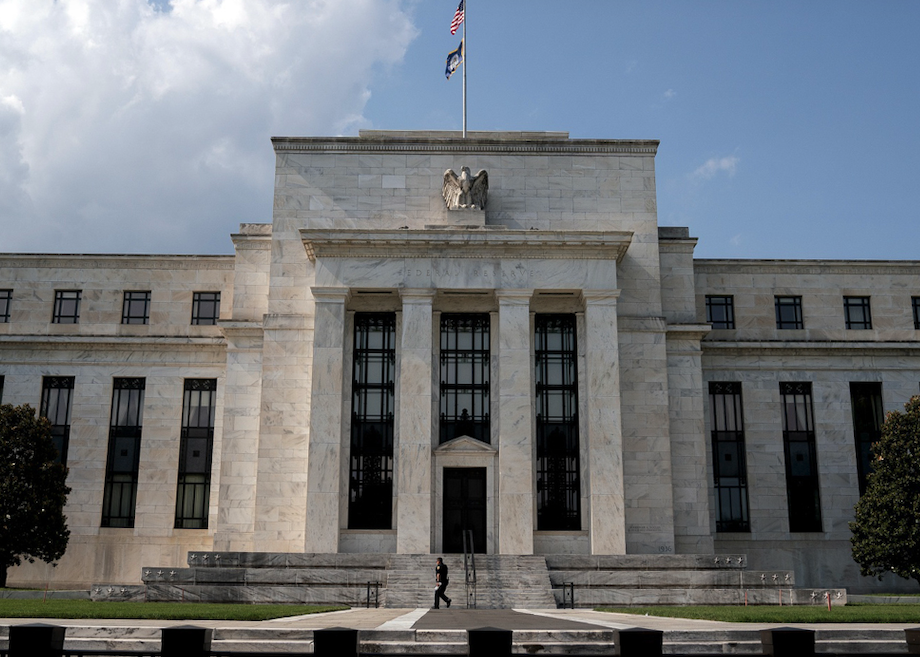
Federal Reserve officials will vote to cut interest rates again next week to safeguard against rising risks of a sharp deterioration in the labor market, according to economists surveyed by Bloomberg.
In this third installment of the retirement income series, Chuck Carnevale (“Mr. Valuation”) walks through the completion of a hypothetical $2 million dividend portfolio designed for a retiree who requires at least $100,000 per year in income—equivalent to a 5% yield, with annual income growth to offset inflation.
While 2025’s market performance has been mostly highlighted by large-cap growth equities benefiting from the theme of artificial intelligence (AI), investors might be overlooking one key ingredient in their portfolios: commodities.
The passage of new US stablecoin legislation has intensified Wall Street debate over the tokens' potential to significantly boost the dollar and become a multi-trillion-dollar source of demand for short-dated Treasuries.
Thanks to AI-generated power demand, the utilities sector is losing its traditional defensive role. Is this a permanent move, or will utilities ultimately regain their place?
A fundamental lack of available metal, driven by years of demand outpacing supply, is fueling a major rally in silver prices, which have climbed over 99% this year.
I am always concerned when partners have disagreements and there is talk about “winning,” which infers those who do not get their way are losers. This is a set-up from the beginning that chips away at collaboration, because one person is trying to show the others that they are right.
Not all merger agreements are not created equal, and when contemplating a merger, RIA owners should be aware of these differences and the options available. One of the best investments a firm can make may be acquiring the services of an “advisor’s advisor.
While US investors focus on growth, international markets may remain the best places to find value opportunities in 2026, says Franklin Mutual Series.
For two decades, the playbook for Big Tech was fairly simple and extremely successful: Create disruptive innovations, deliver blinding growth rates and keep a lid on spending.
The Benetton family’s holding company Edizione is setting up an alternative investment firm with about €3 billion ($3.5 billion) in assets under management as it seeks to grow its private markets.
In today’s markets, mentioning the “B-word” will get you thrown into the “permabear” camp, and everyone immediately assumes you mean the end of the world: death, disaster, and destruction. Yes, bear markets have terrible short-term impacts, but they also allow the system to reset for healthier growth in the future.
My friend David Bahnsen wrote a brilliant analysis in his weekly Dividend Café of the private credit market a few weeks ago and it really took off. I got his permission to share it with you today. This is a basic primer on the risks in the private market and something as an investor you should be familiar with.
While outright defaults in the private credit sector remain low, analysts are increasingly concerned about the deteriorating outlook for repayment problems. When factoring in "selective defaults"—like borrowers adding interest to the loan (PIK loans) or extending maturities—the true default rate climbs to a significantly higher 4.6%.
In the ranks of the world’s 20 best-performing stock markets this year, every second index is European.
U.S. stocks, as measured by the S&P 500 Index, are on pace for 14% growth in earnings for Q3 2025. This marks the fourth consecutive quarter of double-digit growth and comes in well ahead of analysts’ Sept. 30 estimates of 7%.
Financial planning helps families organize, save, and invest intentionally. It turns goals into a roadmap, budgeting for major purchases, setting aside for retirement, and aligning investments with life milestones. But at some point, the question shifts from how to grow wealth to how to protect and structure it.
As wealth continues to grow along with soaring equity markets, and technology enables customization and choices once reserved for a select few investors, financial advisors are tasked with constantly evolving to maintain their value position.
The trade dispute with the U.S. is proving to be a 'full-blown blizzard' for Canada, threatening to freeze cross-border commerce in a deeply integrated relationship. Despite the majority of goods remaining duty-free, new tariffs—reaching 35% in key sectors—have caused a sharp decline in Canadian exports, pushing the nation toward recession.
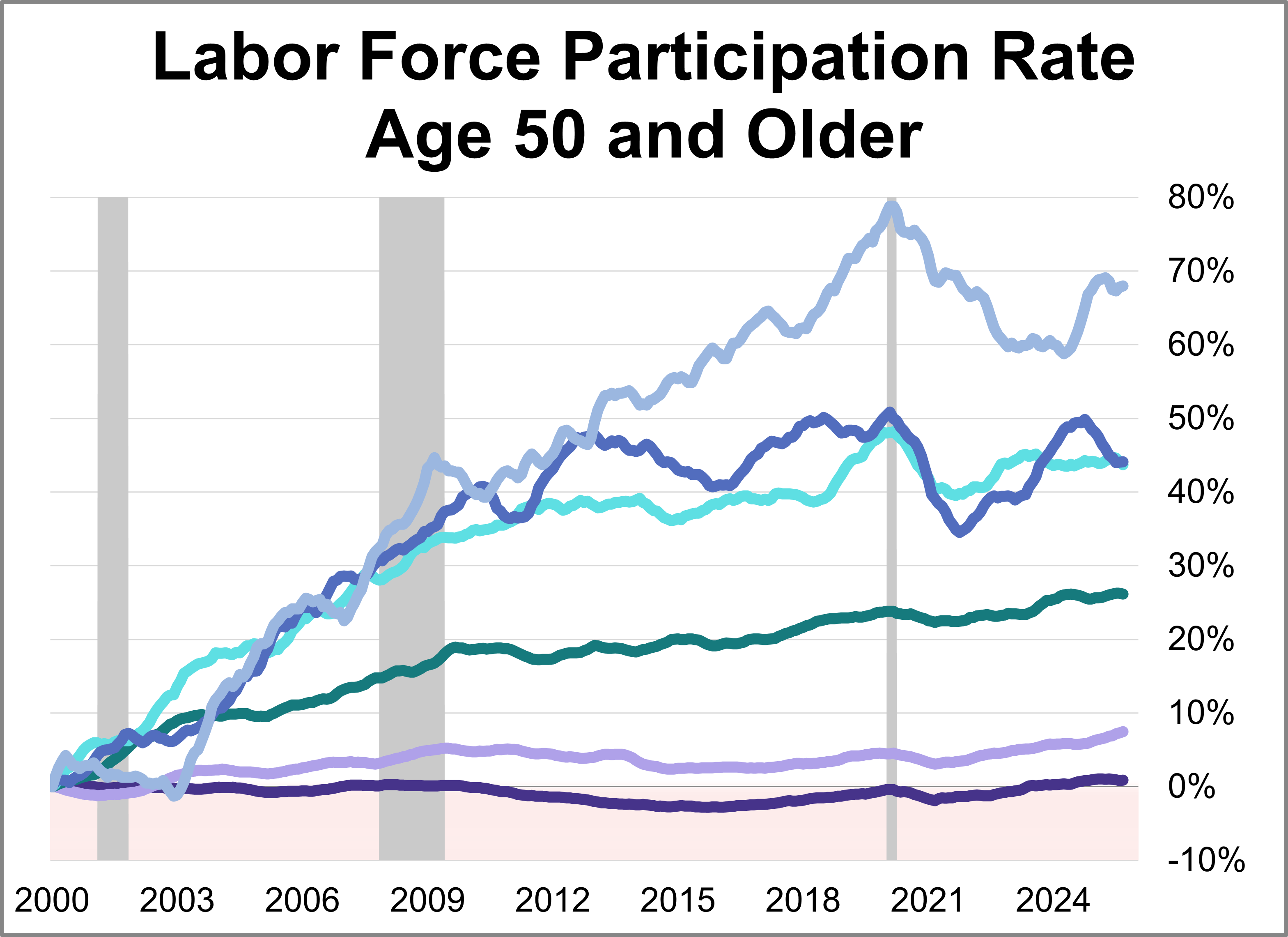
Today, one in three of the 65-69 cohort, one in five of the 70-74 cohort, and one in ten of the 75+ cohort are in the labor force.
You don’t need a massive budget or an in-house team to market effectively. You need a focused, sustainable approach designed for small firms like yours. Here’s what that looks like in action — and how to start seeing results without burning out.
Referrals aren’t dead; they’ve evolved. When clients know you are there for more than their investments and when every moment reinforces the value you bring to your clients, referrals become a natural outcome.
As investors shift away from volatile artificial intelligence stocks, the health-care sector has emerged as the clear winner this month, with the S&P 500 Health Care Index up 10%. This rotation, fueled by aggressive buying from hedge funds and mutual funds, reflects investor interest in defensive value amid concerns over an AI stock bubble.
Like ducks on a pond, markets often appear calm on the surface while churning furiously underneath. For financial markets, above the surface, attention has focused on equity market valuations and record-tight levels of credit spreads, but a deeper look reveals even more extreme dynamics below.
Investors are needy. Insatiable, really. But it makes sense: If an investor buys a share of a company, they’re going to want some benefit from it.
This article reviews historical and contemporary attempts by world leaders—from Nixon's price controls to European energy subsidies—to contain costs, ultimately illustrating the limits of policy intervention in combating inflation. While some measures provided temporary relief, the persistent challenge of high prices remains a central political concern.
On this episode of the “ETF of the Week” podcast, VettaFi’s Head of Research, Todd Rosenbluth, discussed the Utilities Select Sector SPDR Fund (XLU) with Chuck Jaffe of Money Life. The pair discussed several topics related to the fund to give investors a deeper understanding of the ETF.
Despite facing rising tariffs and trade barriers globally since the U.S.-China trade war began in 2017, Chinese exports have surprisingly continued to grow. Total annual exports have expanded by 58% since 2017, reaching a staggering $3.58 trillion, which is a performance far better than many analysts predicted given the severity of the trade conflict.
Retail earnings ahead of Black Friday show a clear split: value-focused discounters like TJX and Walmart are thriving, while Target and home improvement stores struggle with consumer pullback on discretionary items. This shift reflects broader economic pressure, as consumers trade down due to high prices, weakening income sentiment, and increased reliance on credit.
The ALPS Electrification Infrastructure ETF (ELFY) is drawing investor attention as U.S. electricity demand heads for its fastest growth in decades, driven by artificial intelligence data centers, manufacturing reshoring, and expanding electric vehicle infrastructure.
Nvidia CEO Jensen Huang turned heads earlier this month when he told the Financial Times he believes China will win the artificial intelligence (AI) arms race due to the country’s expanding power capacity and lack of regulatory bottlenecks that slow things down here in the U.S.
This article walks readers through the Federal Reserve’s balance sheet to explain how it now acts as the primary provider of liquidity to financial markets. It details the Fed’s reserve management tools, including the well-known QE and QT, to show exactly how it injects or withdraws reserves from the banking system.
A flood of debt sales from Big Tech risks overwhelming buyers and could weaken the credit market on both sides of the Atlantic.
The U.S. economy’s recent growth has a distinctive engine: large‑scale capital expenditures (capex) tied to artificial intelligence (AI). Firms such as Microsoft, Alphabet (Google), Meta Platforms, and Amazon have announced massive investments in data centers, servers, networking equipment, and AI infrastructure.
This article explores the growing changes and challenges facing the Federal Reserve. It argues that due to political pressure and fiscal irresponsibility from Congress, the Fed is losing its policy effectiveness and its long-held tradition of consensus voting is breaking down, leading to an era of unpredictable decisions.
AI looks like a classic investment bubble to us, with very high valuations and signs of rampant speculation. But we recognize that while many investors harbor fears that AI might be a bubble, they are far from sure of that fact and tend to assume the market is appropriately priced as a fairly strong prior.
The SEC has granted Dimensional exemptive relief to offer dual share class funds, a move that allows certain mutual funds to offer an ETF share class under the same structure. This monumental decision, following the expiration of Vanguard's patent, is expected to open the floodgates for other asset managers seeking to offer their existing mutual fund clients the tax efficiency and structural benefits of ETFs.
We enter 2026 after a year of robust global stock gains on AI optimism, falling interest rates and a resilient world economy. Beneath this stability, however, lies a more fragile environment.
Vanguard continues its push into the active ETF market with the introduction of three news funds focused on equities. These are the Vanguard Wellington U.S. Value Active ETF (VUSV), Vanguard Wellington U.S. Growth Active ETF (VUSG), and Vanguard Wellington Dividend Growth Active ETF (VDIG). This bolsters the current active equity roster to now eight funds for the issuer.
The article examines the high valuations of AI-focused tech giants like Alphabet and Nvidia, contrasting the risk of an "AI bubble" with their powerful profitability. While Berkshire Hathaway's new stake in Alphabet signals confidence, both companies require substantial future growth to justify their current multiples.
European stocks fell, tracking their deepest weekly decline since August, as a risk-off mood hit some of this year’s top-performing technology shares. The decline was driven by investor concerns over lofty tech valuations and uncertainty regarding the US Federal Reserve’s next move on interest rates. The market slightly recovered after a Fed official hinted there was room for rate cuts in the near term.
The ETF industry continues to grow, with new funds arriving all the time. Each year, hundreds of ETFs arrive on the scene, from covered call ETFs to active bond ETFs and everything in between.
Nvidia Corp. delivered a surprisingly strong revenue forecast and pushed back on the idea that the AI industry is in a bubble, easing concerns that had spread across the tech sector.
Just six months ago, Alphabet Inc. investors feared the company could be a casualty of the artificial intelligence revolution. But after a trillion-dollar rally those concerns have flipped, and now the biggest worry is if the stock is getting too expensive for its own good.
This reflective column explores five key life lessons learned over my last year, emphasizing the importance of health, strong family relationships, and giving back to the community. These insights are used to offer financial advisors specific ways to engage clients beyond just investments, by focusing on passions, supporting family goals, and preparing for life's unexpected crises.
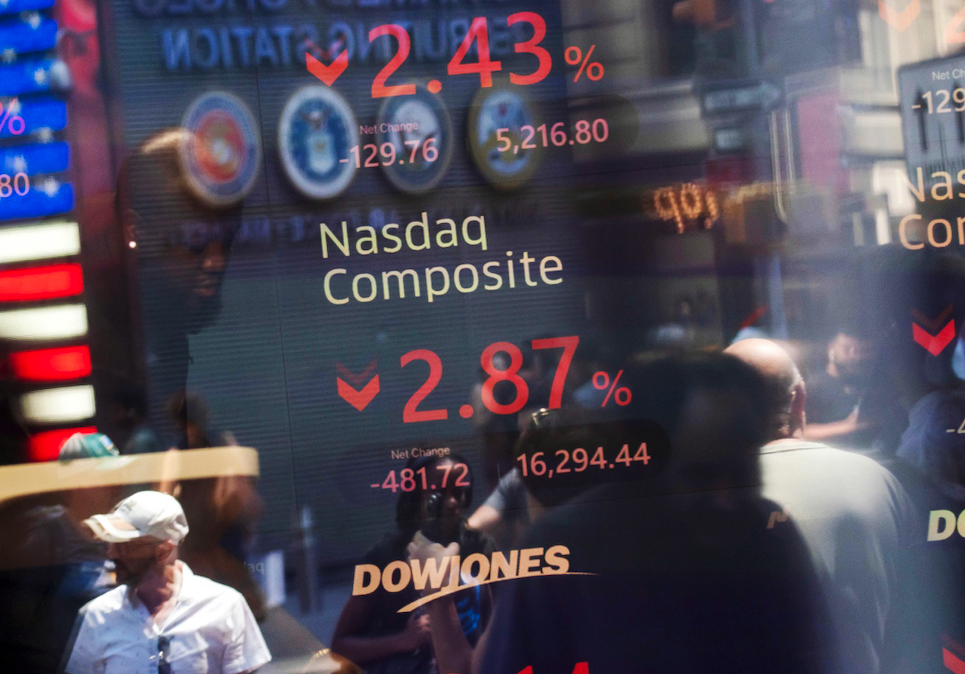
The result is the first sustained selloff for the group since April, with the Nasdaq 100 leading the broader market lower as investors ditch tech winners in favor of more defensive stocks. One of the beneficiaries: companies with juicy dividend payments.
Investors will be looking for a read on hyperscaler AI spending, the impact of rising competition, and expansion to new growth areas in the chipmaker's upcoming Q3 earnings report.
For the third quarter of 2025, most energy infrastructure companies maintained their payouts, with MLPs largely providing sequential growth. Still, the vast majority of midstream companies have increased their dividends within the last year.
Health savings accounts (HSAs) are increasingly being considered by individuals looking to offset healthcare costs, which are set to rise significantly in 2026. But some HSAs also offer investment options that can simultaneously help savers grow their retirement income, financial experts share.
Fed policy — not free markets — now plays a crucial role in forecasting how today’s speculative excesses might return to their normal levels. Will it be a pop, a slow leak, or will the Fed keep bubbles afloat at any cost?