Many small deals have done through, including ones from overseas, and an active calendar of corporate shareholder meetings could offer fresh insights into capital plans.
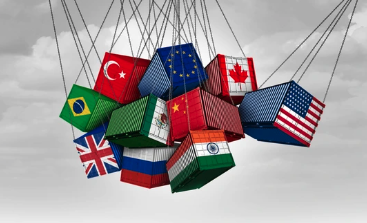
What happens in global supply chains can provide insight into how tariffs and the trade war may affect economies around the world.
The draft of the One Big Beautiful Bill Act (OBBBA) runs more than 1,000 pages. Analysis of the legislation has focused primarily on its impact on the U.S. federal deficit: the Congressional Budget Office estimates that passage would add almost $3 trillion to the national debt over the coming decade.
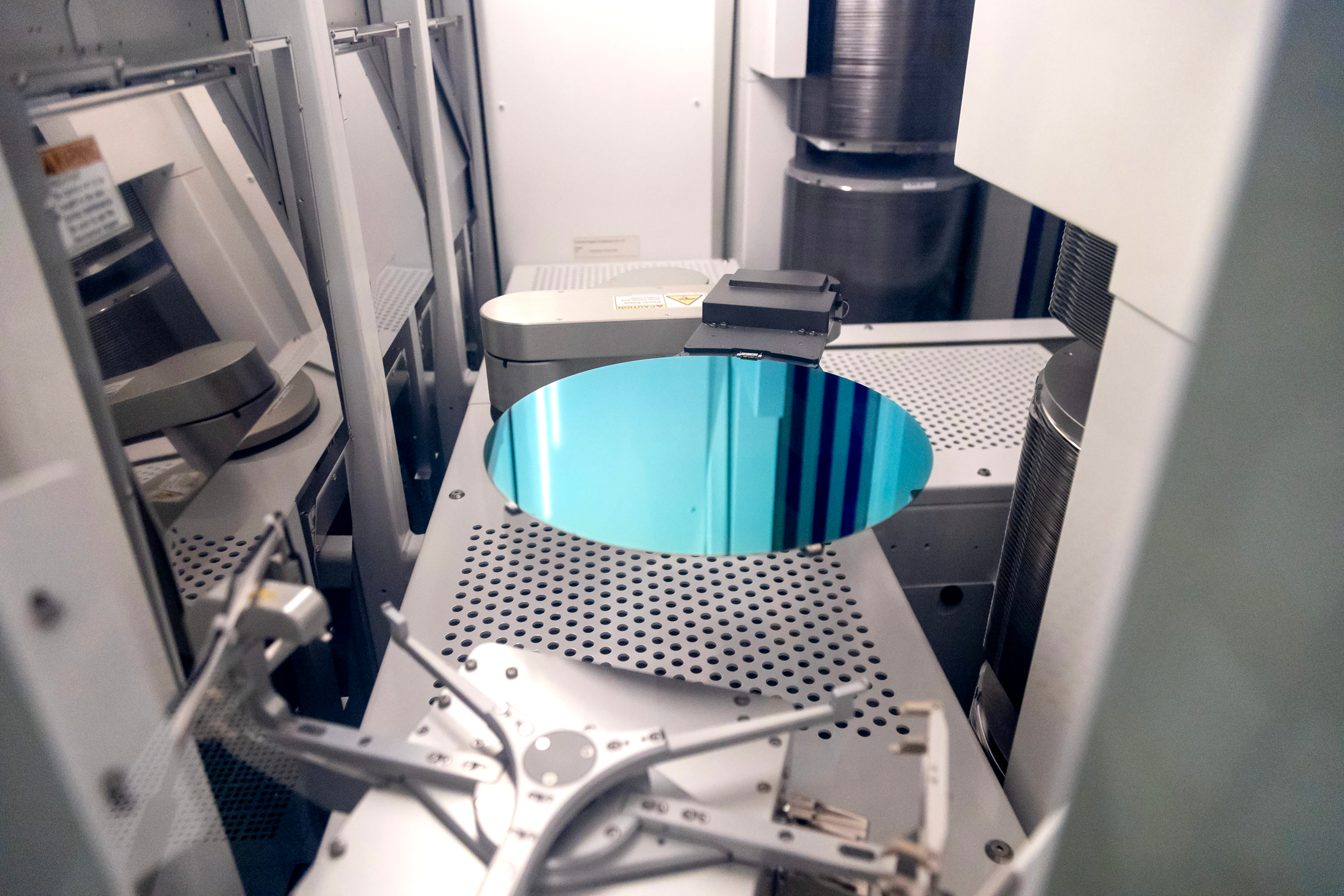
The Senate’s draft tax bill calls for increasing an investment credit for semiconductor manufacturers, a potential boon for chipmakers that the Trump administration is urging to increase the size of their US projects.
Michael Browne, Chief Investment Officer at Martin Currie discusses inflation, energy and the art of the possible.
President Donald Trump’s announcement on Wednesday of a new trade agreement with China is the kind of headline that gives markets a sense of relief. As I overheard this week at Wealth Management’s EDGE conference, which I attended in Boca Raton, Florida, we may have dodged a recession.
Investors are betting the months-long rally in emerging markets has further to run even as tariff threats and escalating geopolitical tensions signal a rocky path ahead.
Just one day after Prime Minister Shigeru Ishiba likened Japan’s debt situation to that of Greece, the country faced its weakest demand for 20-year bonds since 2012.
Industrial robotics is no longer a niche topic reserved for factory optimization—it is becoming a key lever in national strategies for productivity, labor substitution and supply chain resilience.
Head of EMEA and Asia Pacific Equities Lucas Klein and Head of Americas Equities Marc Pinto argue that progress on the trade impasse, further monetary easing, pro-growth reforms, and an innovation revolution should all prove supportive to equities over the mid term once the market moves past near-term volatility.
The US and China capped two days of high-stakes trade talks with a plan to revive the flow of sensitive goods — a framework now awaiting the blessing of Donald Trump and Xi Jinping.
To anyone going through a breakup, just remember this lyric from Bernadette Peters: “If I’m patient the break will mend and one fine morning the hurt will end.”
I spent the last two weeks of May catching up with partners and clients in Malaysia, Singapore, China, and Hong Kong. Following are some reflections on those conversations.
VettaFi’s Head of Research Todd Rosenbluth discussed the Fidelity Enhanced International ETF (FENI) on this week’s “ETF of the Week” podcast with Chuck Jaffe of “Money Life.”
Rebounding demand from ETF investors and resilient buying from central banks and Asia retail have propelled gold prices to fresh records north of US$3,000/oz. Find out why we believe there is more room to run.
Neuberger Berman has raised more than $4 billion for its latest general partner-led secondary fund, at a time when private equity firms are increasingly looking to monetize assets via continuation vehicles.
Since 2019 and the establishment of the ETF Rule, traditional active managers, armed with decades of expertise, have flocked to ETFs.
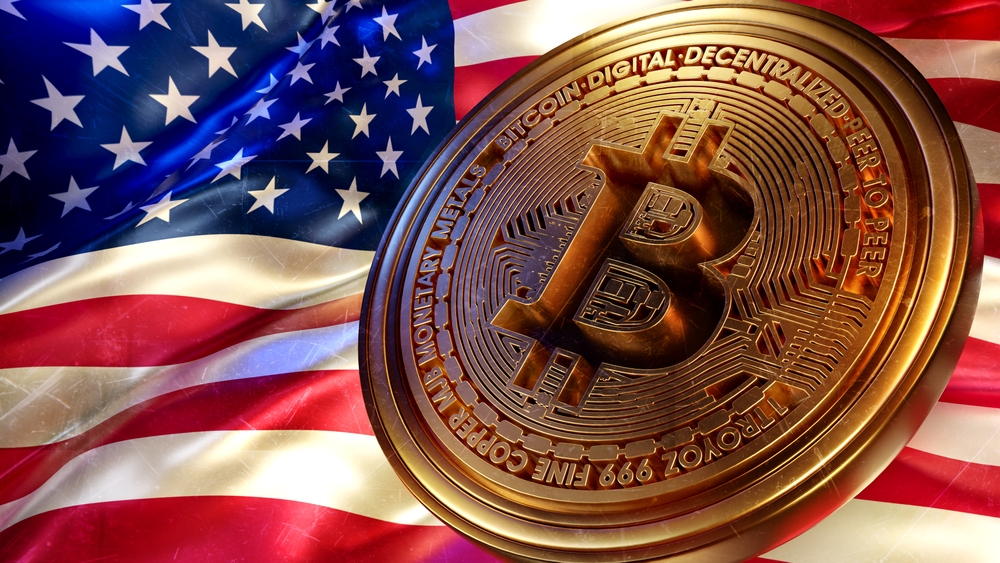
Last summer, if you recall, then-candidate Donald Trump made headlines as the first former U.S. president to speak at a Bitcoin conference. He pledged to lower the regulatory hurdles of the Biden administration, to kill Operation Choke Point 2.0, and to position the U.S. as the global leader in Bitcoin.
The strengths of the U.S. economy are likely to endure.
It’s been a tough few months for believers in the currency market version of Pax Americana.
There’s a lot to like about the travel industry right now from an investment standpoint. You just have to know where to look.
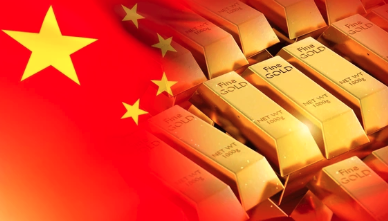
Over the past four months, the price of gold in yuan terms has climbed by 24 percent, the strongest January to April performance on record. The Shanghai Benchmark Gold Price rose 6.9 percent in April alone. It was the fifth consecutive monthly gain.
Markets rallied after a surprise tariff rollback, but with valuations stretched and policy signals still mixed, investors appear to be leaning toward flexibility, fundamentals, and selective exposure.
Investors active today can be forgiven if the events of the past few months have been a bewildering experience.
President Donald Trump’s first overseas trip since returning to the White House is turning heads across the aerospace & defense and semiconductor industries.
With financial markets whipsawing on every tweet and press release, Maharrey urged listeners to step back, take a breath, and consider the big picture — particularly on the issues of debt, inflation, and de-dollarization.
Macroeconomic and structural trends are finally moving in favor of emerging local currency bonds, after recent setbacks.
The signal of announcing trade pacts is an important start.
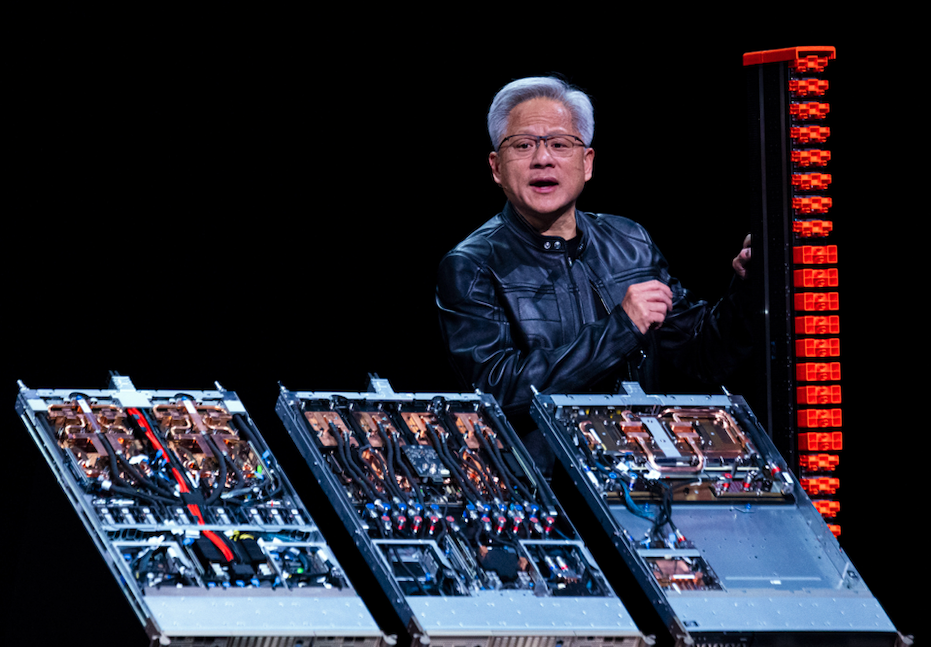
Nvidia Corp. Chief Executive Officer Jensen Huang outlined plans to let customers deploy rivals’ chips in data centers built around its technology, a move that acknowledges the growth of in-house semiconductor development by major clients from Microsoft Corp. to Amazon.com Inc.
Stocks have rebounded since the White House delayed steep tariffs that were announced in early April, but trade policy remains a potential driver of volatility.
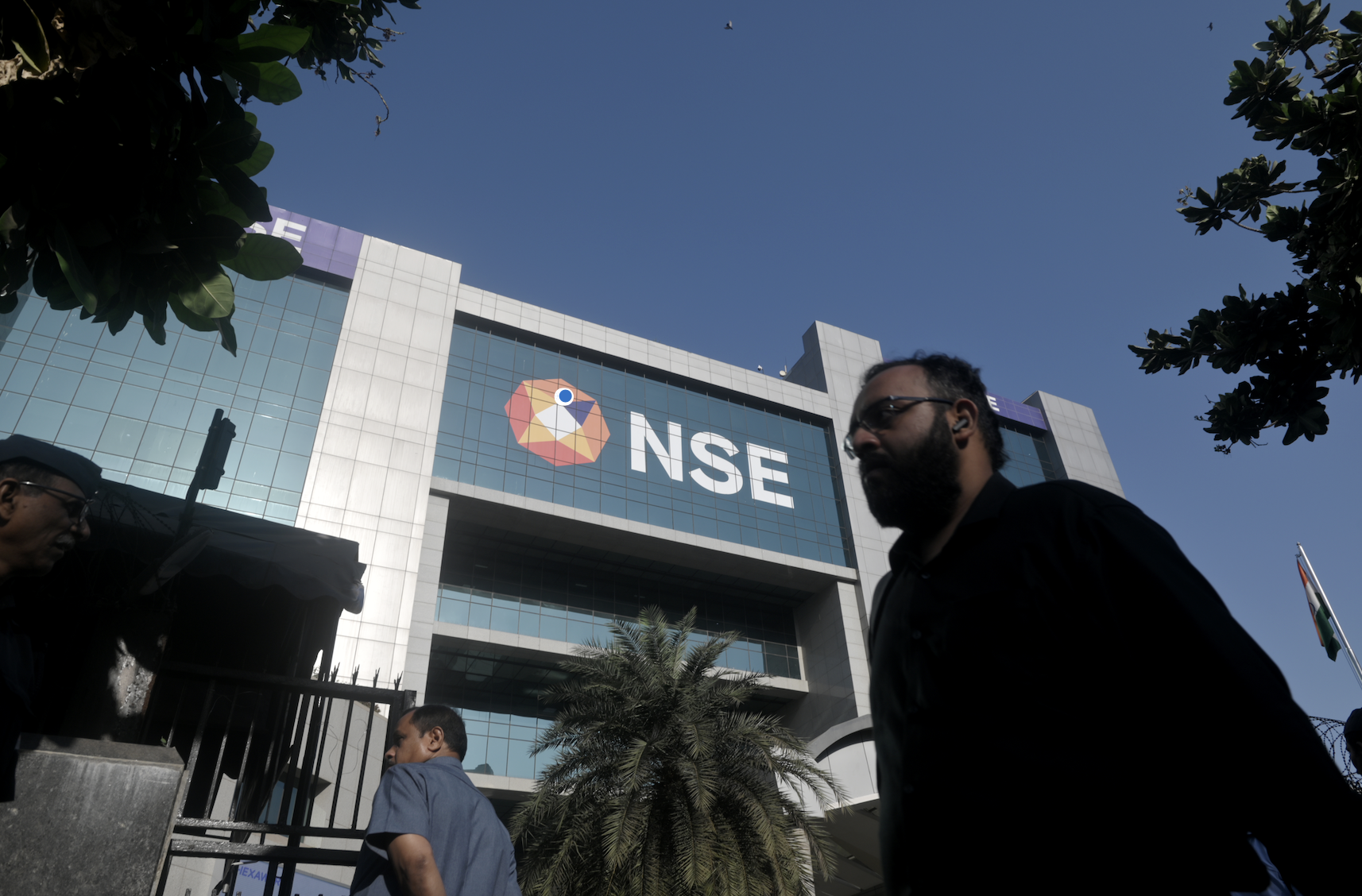
Global funds are pouring money back into India, driving billion-dollar corporate financing deals and sending stocks prices to near a seven-month high, as investors bet that Asia’s third-largest economy can emerge as a winner in President Donald Trump’s trade war.
We maintain a focus on resiliency as elevated yields within high quality fixed income continue to offer attractive opportunities.
Saudi Arabia is ramping up efforts to lure high frequency trading firms — a campaign that’s already brought in major players from Citadel Securities to Hudson River Trading — as it looks to bolster activity on the Middle East’s largest stock market.
I’ve been writing about tariffs for a couple of months now, focusing mostly on the macroeconomic harm and the costs they impose on small businesses. Today I want to consider something else: the new risks they are adding to the financial system alongside the old risks.
At Wednesday’s press conference, Chair Jay Powell signaled a wait-and-see approach, as the Fed keeps a close eye on inflation pressures and the job market.
If you’ve been inside a Walmart, Target or Home Depot in the past week, you may not realize that a trade war is underway between the U.S. and China, the world’s two largest economies. Store shelves are well stocked, and prices have largely held steady.
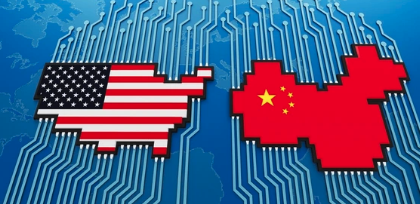
The current level of tariffs of 145% on Chinese goods and 125% on US goods going into China amounts to a trade embargo between the two countries.
After the U.S. imposed substantial tariffs on China, Beijing responded with tariffs of its own and with restrictions on exports of seven rare earth minerals. The latter action will be a particular hindrance to American manufacturers.
Unexpected wider and larger-scope tariff announcements have sent tremors through bond and equity markets, resulting in a brisk sell-off that signals investors’ caution.
U.S. policy uncertainty and the ebbs and flows of AI advancement are likely to stoke continued volatility in the world’s stock markets.
Asia-Pacific will likely be the hardest hit region from a steep increase in U.S. tariffs.
Theoretical forecasts and earnings announcements may provide initial insights as to the impact of current tariff proposals, although estimates may be imprecise.
Despite mounting evidence of disinflation and a weakening economy, Chair Powell’s tone remains too hawkish—and I believe that’s a mistake. The latest inflation readings came in soft, money supply growth continues to undershoot, and even jobless claims are inching higher.
Practically every financial meltdown or crisis can be traced back to a misunderstanding of which assets are “risk-free.” Investors think they have a risk-free asset — it could be a mortgage-backed security, shares in a Bernie Madoff fund, Greek debt — and are surprised when it turns out not to be.
A global trade war can’t possibly be good news for a city-state whose exports and imports add up to more than 300% of its gross domestic product. Yet there are good reasons to believe that real estate in Singapore may offer a sanctuary to investors fleeing extreme anxiety.
These are scary times. No surprise, the typical advice is to stay the course — that it will all work out fine — but those near retirement should take heed.
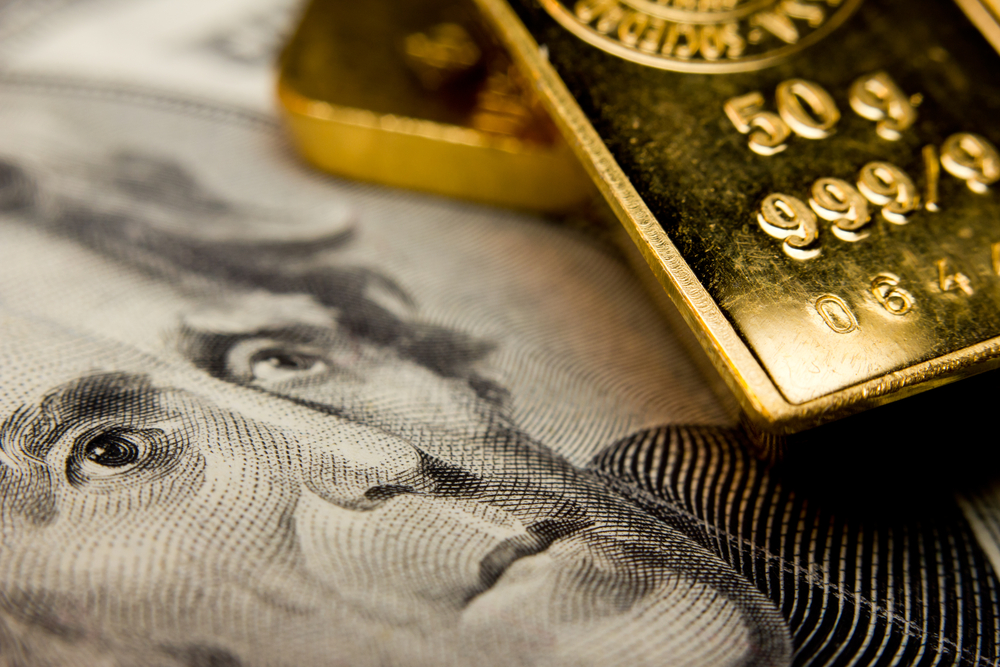
In nominal terms, the yellow metal set multiple new all-time highs this week, exceeding $3,300 an ounce for the first time ever on Wednesday. And on an inflation-adjusted basis, gold also notched a new record price, surpassing the longstanding record set in 1980.
The first quarter of 2025 marked a significant departure from the preceding two years, which had been characterized by an improving global economy and correspondingly positive market returns. Market performance in Q1 was dominated by abrupt, short-term policy shifts rather than longer-term economic trends, and tariffs became the foremost concern for market participants.
Right now we are in an incredibly complicated environment with regard to U.S. tariff policy gyrations and its whipsawing impact on global equity markets. One thing we can confidently assert is that however the trade negotiations play out, there will be higher tariffs and this will be negative for U.S. growth.
CIO Sean Taylor assesses a better-than-expected quarter for emerging markets and takes stock of the drivers that may support the asset class in what could be difficult months ahead for global markets.