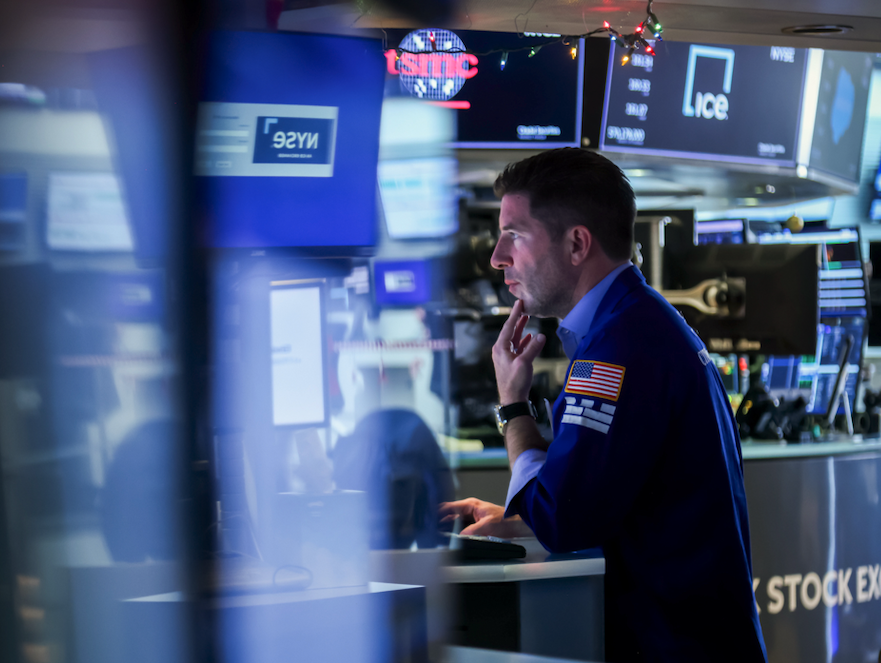
US equities reversed early losses during Donald Trump’s speech at the World Economic Forum in Davos when the US president said he didn’t want to use excessive force to acquire Greenland
Seven hundred billion dollars. That’s the figure being floated as the potential price tag for acquiring Greenland, according to recent reporting. Call me skeptical, but I don’t think anyone’s cutting a $700 billion check anytime soon. For comparison’s sake, that’s more than half of the Defense Department’s entire 2024 budget.
Silver has been on a tear, rising fourfold in the last few years. To help investors assess whether silver is in a bubble, we take a new approach by examining a recent phenomenon: the recurring pattern of micro-bubbles.
JPMorgan Asset Management has a new superlative: The firm now hails as the world’s largest issuer of actively managed exchange-traded funds.
Last year, gold rose by over 64 percent, setting 53 new record highs along the way. Silver gained just under 148 percent. Platinum’s price increased by 125.9 percent. Palladium was up just over 80 percent.
Under France’s presidency of the G7, the club of rich countries will focus on major economies’ external deficits and surpluses. While the agenda makes sense politically, the economic case remains to be made.
Oil briefly rose above $65 a barrel for the first time since November after the US escalated pressure on Iran, while tankers were attacked near a vital terminal for Kazakh crude on Russia’s Black Sea coast.
The key in both approaches will be to cleverly avoid the ire of regulators by trying not to trigger outbound investment rules when they buy Chinese firms, and by using hiring-and-licensing deals — known in the industry as acquihires — to avoid antitrust scrutiny when they grab competitors in the US and Europe.
Retail traders have extended a buying spree into the new year, following a record-setting performance in 2025, an analysis from JPMorgan Securities’ Arun Jain shows.
President Donald Trump is set to outline his vision for rebuilding Venezuela’s battered oil sector Friday in a meeting with representatives from 17 energy companies, including crude producers, refiners and commodity traders.
SpaceX’s dominance of rocket launches and satellite broadband internet service was reaffirmed last month with news of an insider share sale that would value the company at $800 billion. There was even speculation that Elon Musk’s space venture might sell shares to the public this year with a target valuation of almost double that amount.
On this special episode of the “ETF of the Week” podcast, VettaFi’s Head of Research, Todd Rosenbluth, reviewed some of his favorite ETFs of the Week picks from 2025 with Chuck Jaffe of Money Life.
The construction of data centers has come to define the US economic narrative of 2024 and 2025. This unprecedented buildout reflects the urgent need to adapt national infrastructure to the rapid proliferation of artificial intelligence (AI).
Having visited scores of companies around the world, conducted interviews with our team, and especially with Matt Ridley, we want to highlight what we think are the best of the best. These are our choices. But remember, ROS is a community. You will disagree with at least a few of my picks.
Step aside, artificial intelligence. Another transformative technology with the potential to reshape industries and reorder geopolitical power is finally moving out of the lab: quantum.
As we pass the halfway mark of the 2020s, comparisons now abound between our current decade and the roaring 1920s. F. Scott Fitzgerald best captured the opulence of the Flapper Era in The Great Gatsby, “They were careless people, Tom and Daisy — they smashed up things and creatures and then retreated back into their money or their vast carelessness.”
In a recent episode of the Money Metals podcast, host Mike Maharrey sits down with Peter C. Earle, PhD, of the American Institute for Economic Research (AIER) to unpack what the gold standard actually is—and why it still matters in a world of fiat money.
Planet-warming greenhouse gas emissions kept rising in 2025 and country pledges to cut them are nowhere near where they need to be to avoid catastrophic climate change, but there were silver linings too.
Challenging the conventional view of gold as a bubble, this analysis explores whether the metal's 109% surge since 2024 signals a permanent paradigm shift rather than a looming crash.
This week, President Donald Trump ordered a blockade of oil tankers entering and leaving Venezuela, dramatically escalating U.S. pressure on the Maduro regime.
As your balance sheet grows, the questions you ask about money tend to change. You move from wondering how to build assets to asking how long they will last, who will manage them after you, and how to keep family relationships steady along the way.
Many people only respond financially to the end-of-season of income changes like job raises, bonuses, and commissions. Carey tapped into something much smarter: letting a single holiday song transform into an evergreen asset that pays her consistently every Christmas. That can apply to your own personal finances as well.
On this episode of the “ETF of the Week” podcast, VettaFi’s Head of Research, Todd Rosenbluth, discussed the Avantis U.S. Small Cap Value ETF (AVUV) with Chuck Jaffe of Money Life. The pair discussed several topics related to the fund to give investors a deeper understanding of the ETF.
AI’s third wave could represent a broadening opportunity set of companies for investors to capitalize with. Businesses that adopt AI into their operations could ramp up productivity and expand their valuations at a rapid pace.
It’s crystal ball season again on Wall Street — the time when strategists attempt the impossible task of divining where the S&P 500 Index will end the next calendar year.
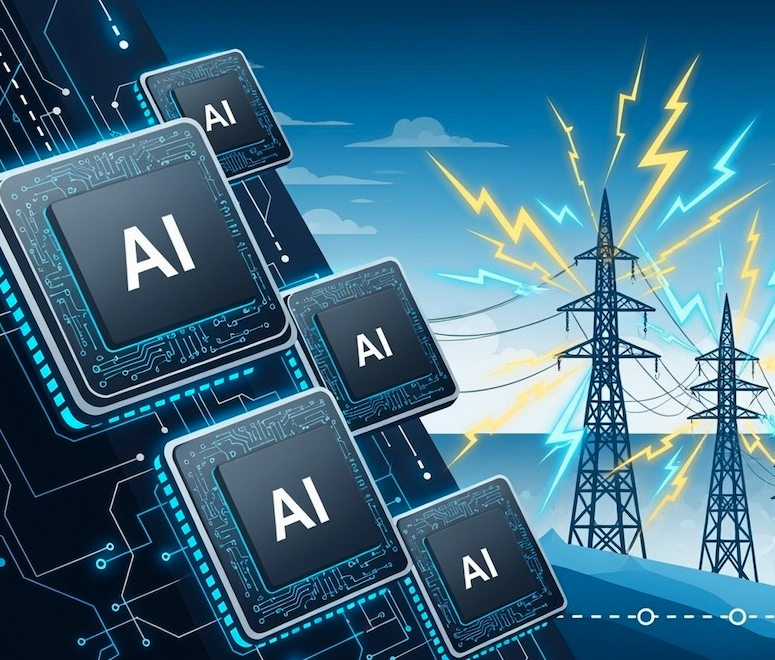
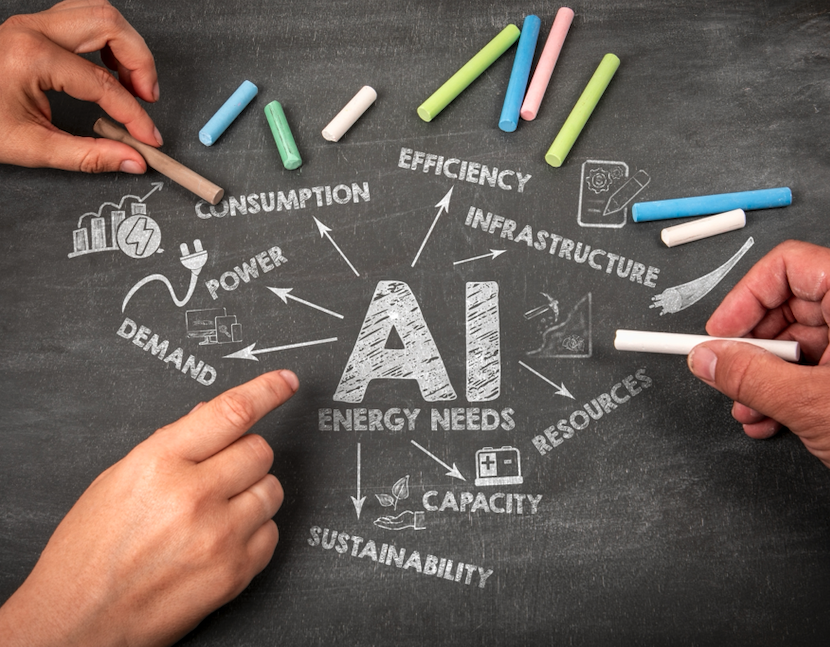
Energy can be either an enabler or a constraint. The latter happens when our creativity gets out of sync with the energy we can apply to it. This is happening right now and will get worse as artificial intelligence data centers demand more power than we have available.
I don’t recommend running away from things in most cases. As Kelly Clarkson sings in “Stronger (What Doesn’t Kill You)”, we want to get stronger by facing things we are afraid of. In most cases standing up to bullies or those people who ridicule you actually feels good.
Oracle Corp. shocked investors with the disclosure of $248 billion in future lease-payment commitments, primarily for AI data centers and cloud capacity, which are set to commence by its 2028 financial year but are not yet on its balance sheet.
We’ll call it a steady year for the box office in 2025. A handful of big-time flicks are on deck for the holidays, while studios hope for an improved macro backdrop to drive bigger numbers next year.
On this episode of the “ETF of the Week” podcast, VettaFi’s Head of Research, Todd Rosenbluth, discussed the VictoryShares Free Cash Flow Growth ETF (GFLW) with Chuck Jaffe of Money Life. The pair discussed several topics related to the fund to give investors a deeper understanding of the ETF.
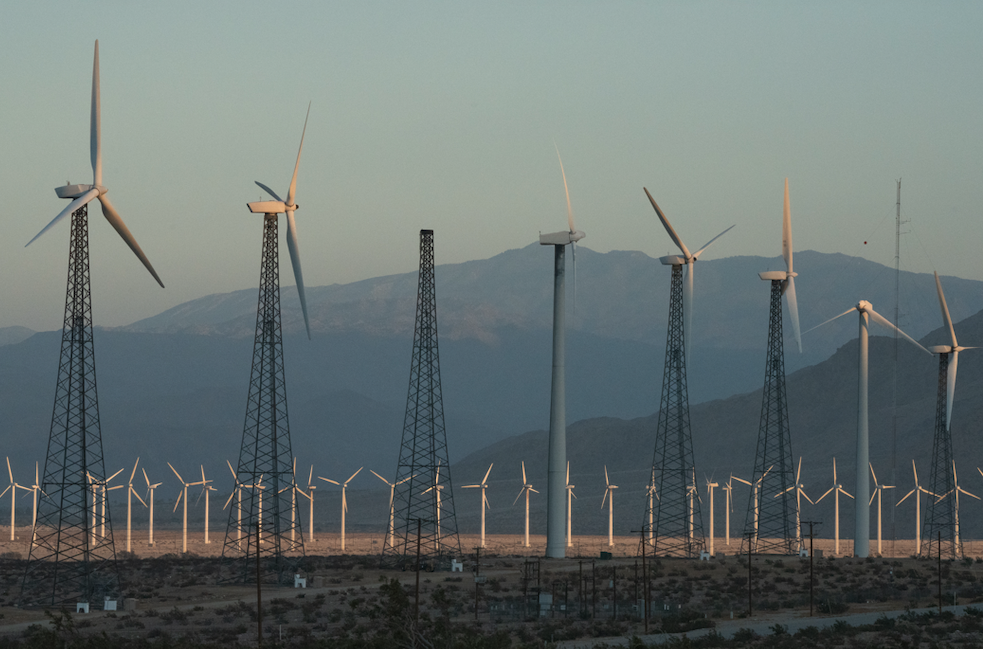
Market participants said the longer-term outlook for the sector remains upbeat as power demand is too high to be met by Big Oil alone. And the rally this year is far from overdone, with the clean-energy stock gauge remaining about 73% below its 2007 peak.
Chief Economist Eugenio J. Alemán discusses current economic conditions.
Energy commodities enter 2026 at an interesting crossroads. On one hand, oil and gas markets have abundant supply and somewhat softer pricing. On the other hand, the ongoing energy transition is accelerating investment in new energy sources.
I’ve lived through several bubbles and read about others, and they’ve all hewed to this description. One might think the losses experienced when past bubbles popped would discourage the next one from forming. But that hasn’t happened yet, and I’m sure it never will.
Our latest research investigates how U.S. corporations have managed to consistently increase profits, despite a secular trend of declining net domestic investment.
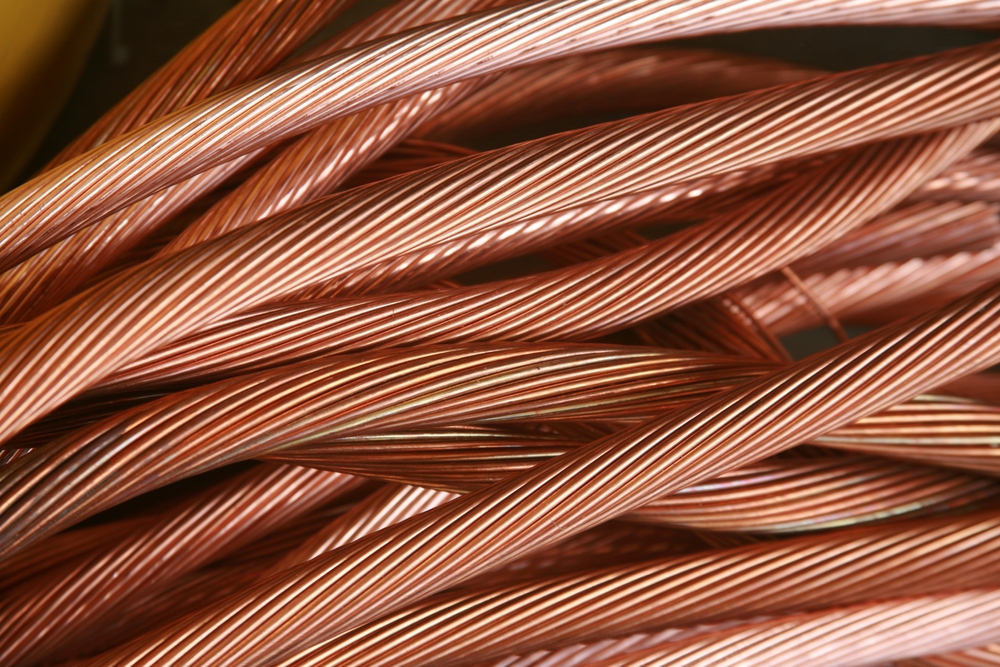
A conventional data center uses between 5,000 and 15,000 tons of copper. A hyperscale data center, on the other hand—the kind being built to run artificial intelligence (AI)—can require up to 50,000 tons of copper per facility, according to the Copper Development Association.
Given the relatively mixed signals that the U.S. stock market is seeing in the months ahead, some sectors of the global market could compel.
The passage of new US stablecoin legislation has intensified Wall Street debate over the tokens' potential to significantly boost the dollar and become a multi-trillion-dollar source of demand for short-dated Treasuries.
Whether in sports or financial markets, averages often grab headlines, but they can conceal as much as they reveal. Variation—including the dispersion of metrics like credit spreads for high-yield bonds—is the real story.
Despite the increasing need for retirement income security, many defined contribution (DC) plan sponsors hesitate to adopt new lifetime income solutions due to concerns over fiduciary liability and plan flexibility.
The article argues that the oil market is mistaken to predict long-term prices will remain near the current $60-per-barrel level through 2030, believing oil will be more expensive due to tightening supply/demand balance.
Interest rates are undergoing one of the steepest reversals in half a century. In 2020, governments could borrow for 30 years at just over 1%. Fast forward to 2025 and U.S. 30-year yields have risen above 5% for the first time since 2007.
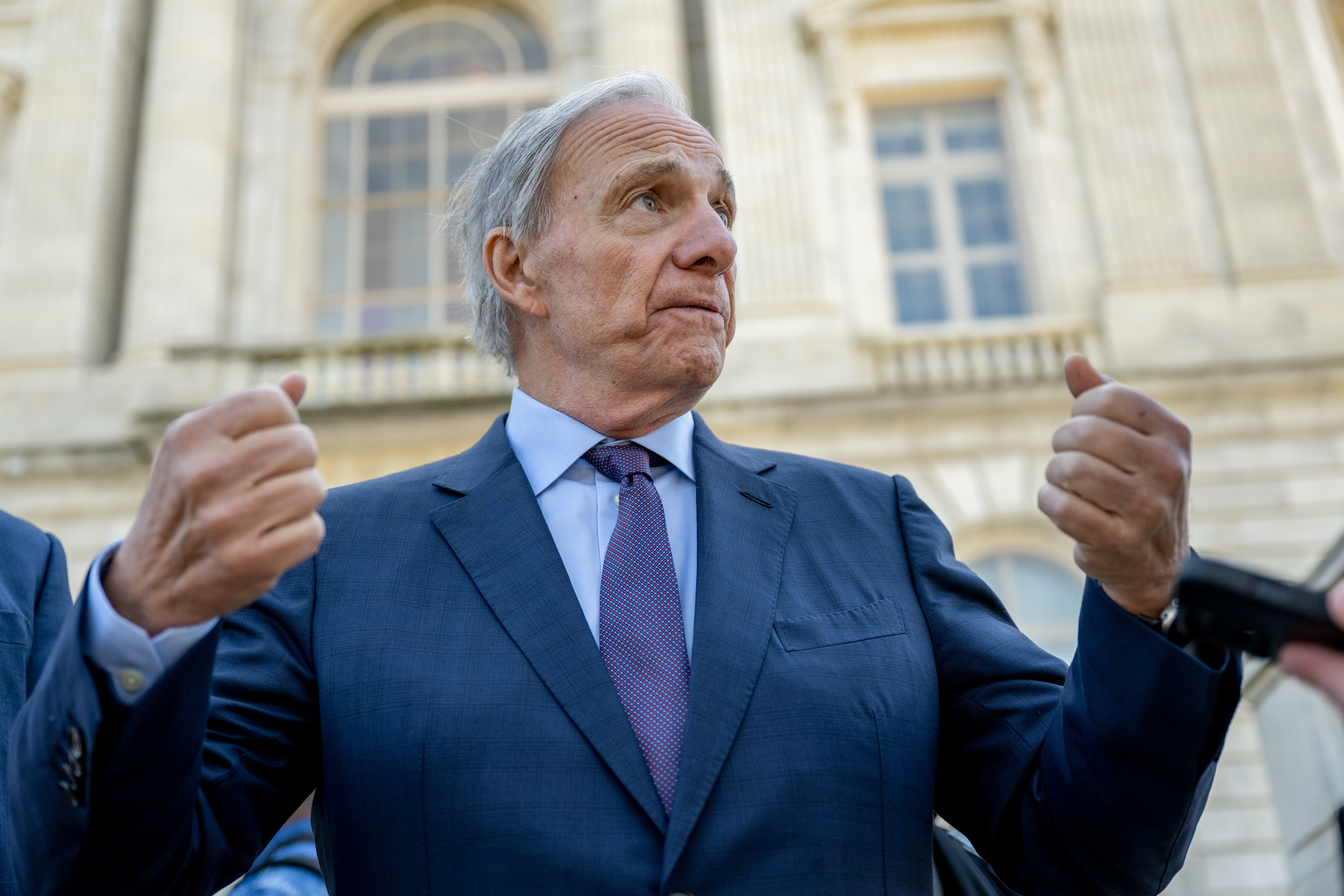
Multi-strategy hedge funds have been around for more than three decades. Will they make it to a half century? Ray Dalio, founder of 50-year-old hedge fund Bridgewater Associates has his doubts about this thriving subsector of asset management.
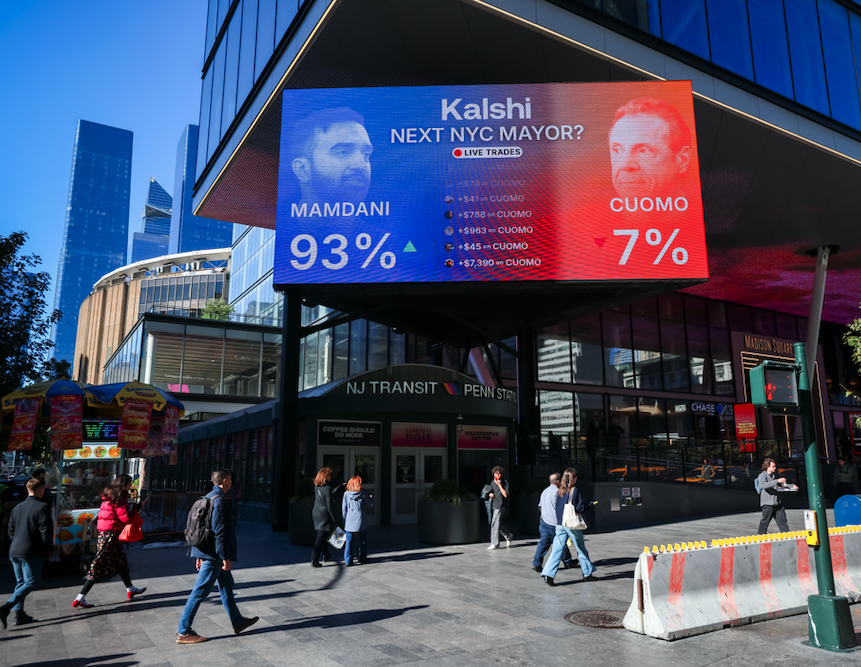
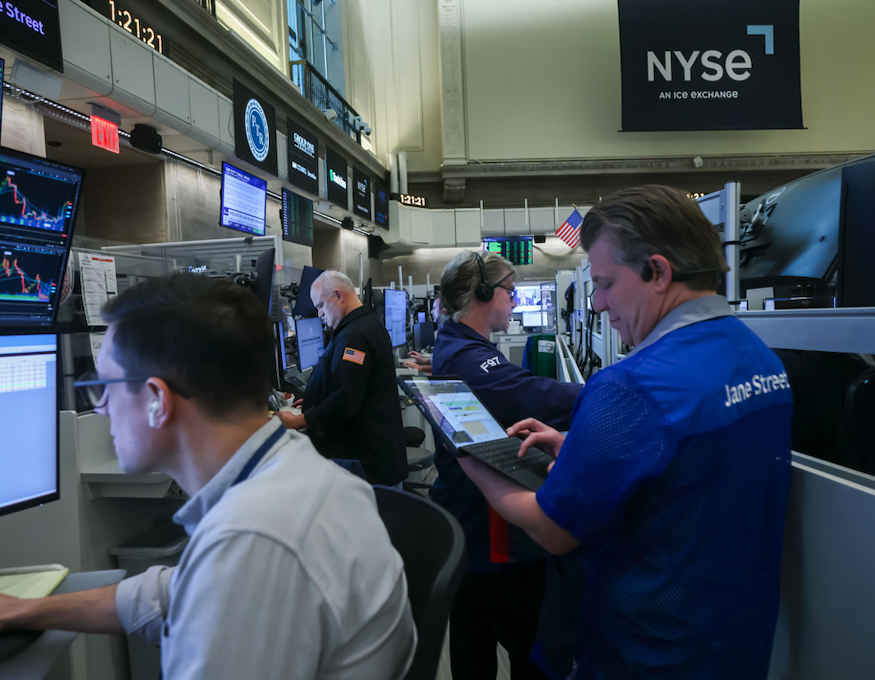
Kalshi Inc.’s Chief Executive Officer Tarek Mansour got my attention when he claimed last week that prediction markets could rival stock exchanges in a few years. Of course, this does not mean that people will buy and sell stocks on Kalshi, but that prediction markets will be where information is aggregated and prices set, with the New York Stock Exchange and its ilk relegated to processing orders.
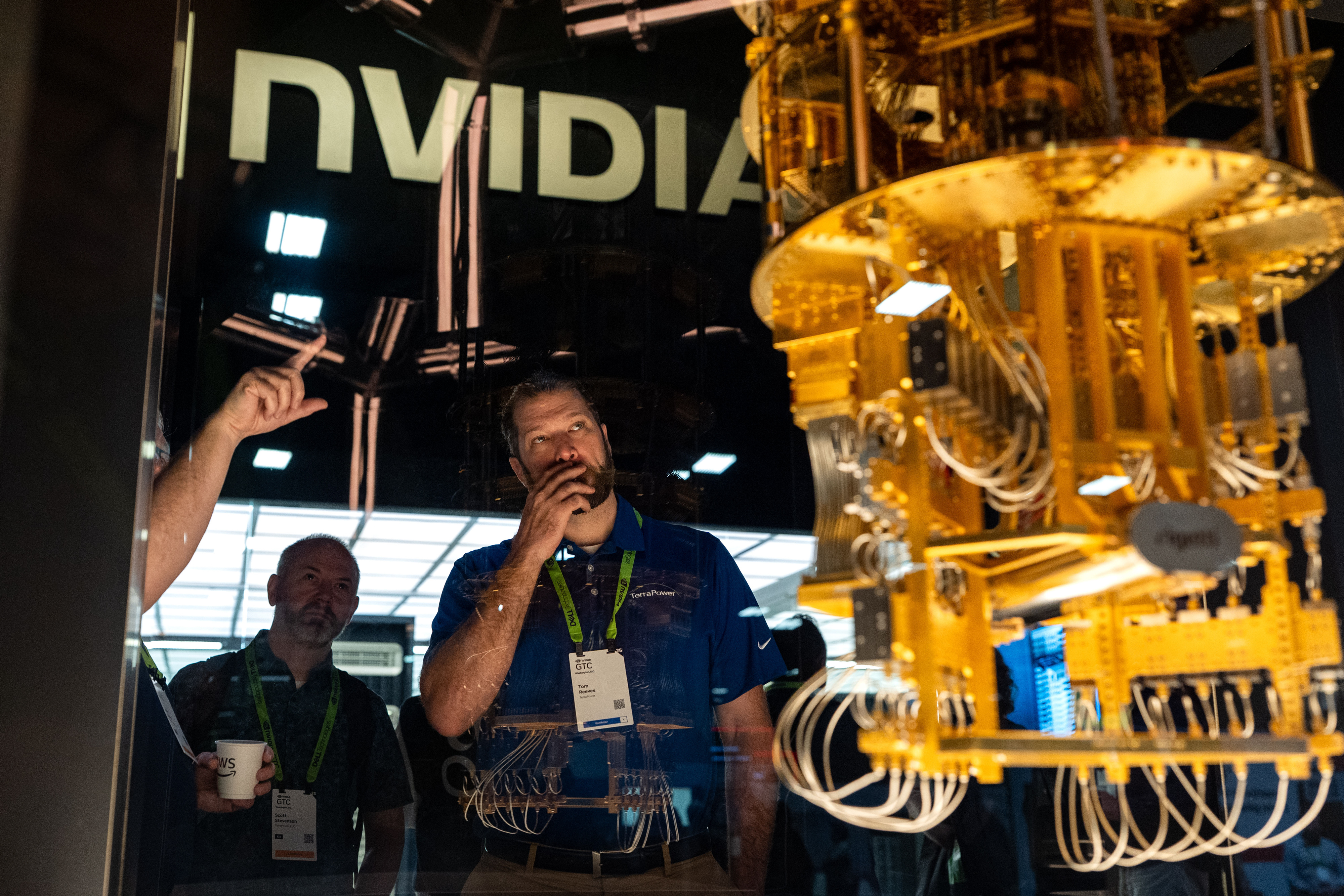
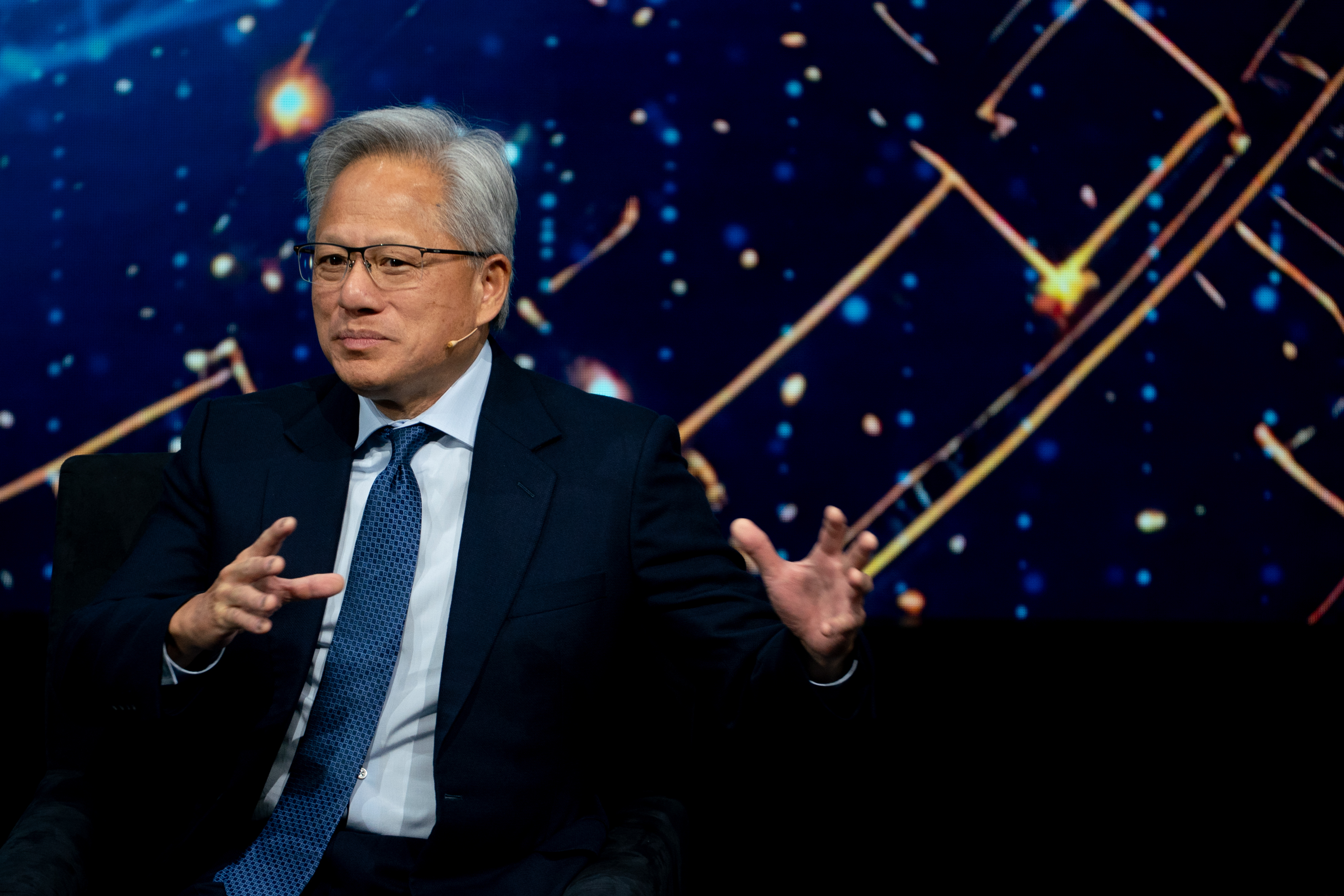
Nvidia CEO Jensen Huang turned heads earlier this month when he told the Financial Times he believes China will win the artificial intelligence (AI) arms race due to the country’s expanding power capacity and lack of regulatory bottlenecks that slow things down here in the U.S.
A flood of debt sales from Big Tech risks overwhelming buyers and could weaken the credit market on both sides of the Atlantic.
The S&P 500 Index edged higher to start Friday, recovering some of the losses caused by recent concerns over stretched valuations and a potential AI bubble. The recovery was supported by remarks from Federal Reserve Bank of New York President John Williams, who suggested there is room to lower interest rates soon. These comments immediately boosted market expectations for a December rate cut.
Okay, this is for more than just millennials. It’s for anyone who feels stuck and can’t get started with their investing strategy. If you poke around on the internet, it sounds like my generation might be in the most trouble.
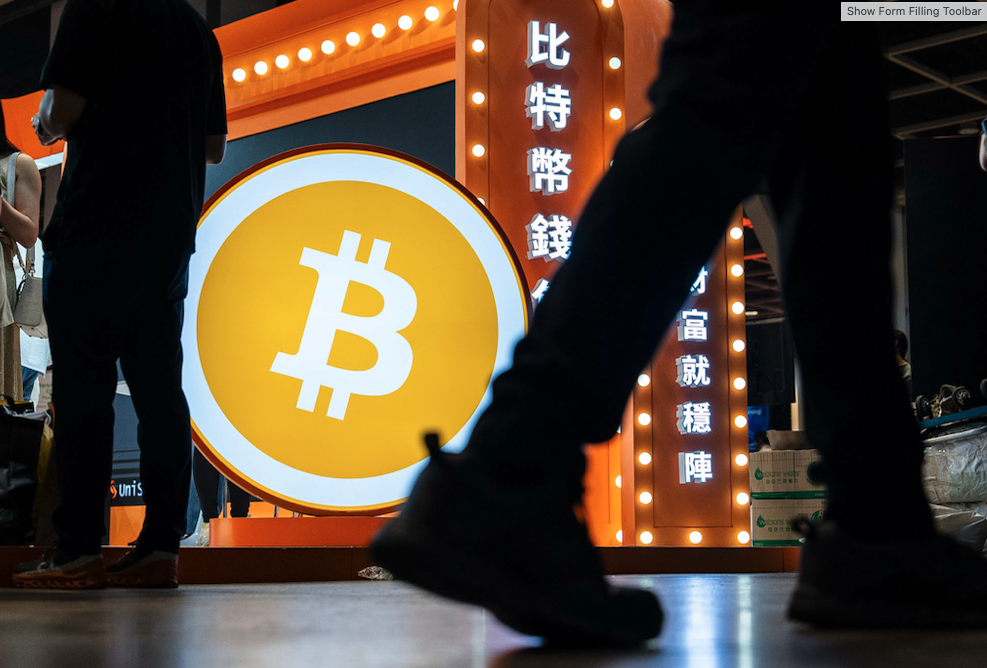
After peaking at just over $126,000 in early October, Bitcoin has dropped 30% — breaking through key thresholds, spooking ETF investors, and rattling holders big and small. One group in particular remains exposed: traders who bet on a rebound — and now find themselves underwater while paying for it.
Nvidia Corp. delivered a surprisingly strong revenue forecast and pushed back on the idea that the AI industry is in a bubble, easing concerns that had spread across the tech sector.