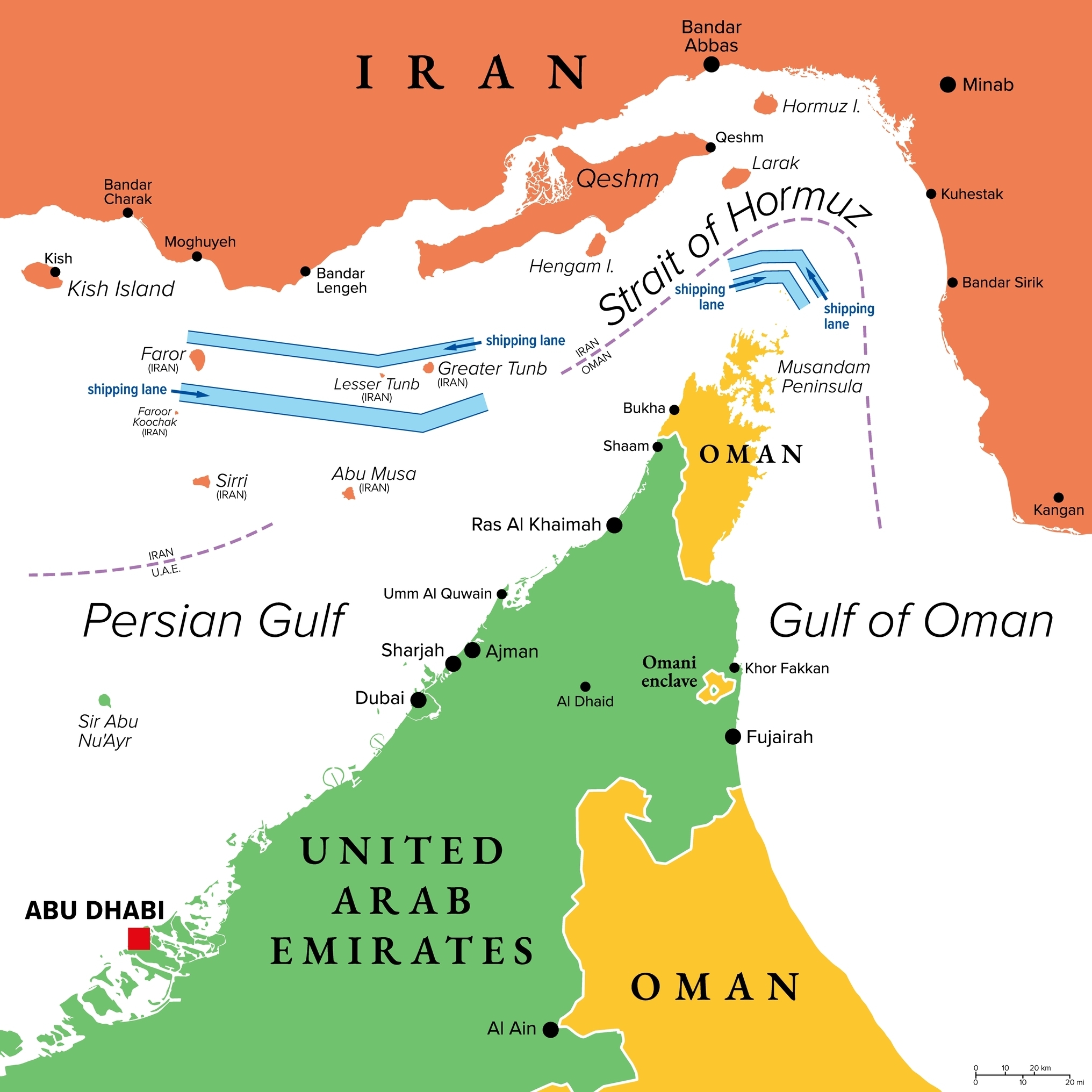
Markets hate uncertainty, and right now there’s plenty to go around. The outbreak of the U.S.-Iran conflict, following by Iranian retaliation against oil infrastructure across the Persian Gulf, has sent crude prices surging and shipping rates soaring to record levels.
This week I sat down with Eric Fine, who manages emerging market bond portfolios at VanEck. I had a tidy interview all mapped out… and then escalating events in the Middle East reshuffled the deck. That’s okay because it ultimately led us somewhere more interesting than where I’d intended to go.
Looking at the energy market with a wide-angle lens, I don’t see anything remotely approaching the pain of 2021-22, when the energy crisis label was appropriate for Europe. There’s nothing matching the contours of the 1990-91 shock, let alone the 1973-74 and 1979 crises.
A world where we can cook up AI videos in seconds from the apps on our phones might seem remote from the physical realities of warfare in the seaways of the Persian Gulf. In fact, they’re closely intertwined.
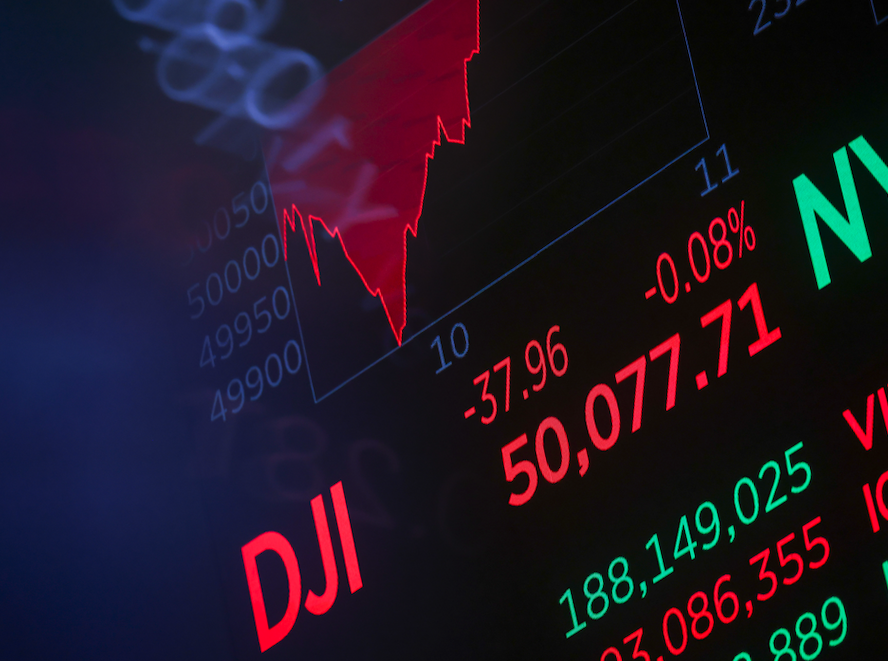
March came in like a lion. Stock market futures plunged last Sunday night following U.S. and Israeli attacks on Iran. WTI and Brent crude oil had surged 7% by the following morning, along with big gains in gold.
Most investors, from grandma to the mightiest sovereign wealth funds, own bonds to help steady their portfolio and provide a ready reserve for spending. So, it’s notable when prominent voices start questioning their safety.
The market spent the week digesting a modestly hotter PPI print, a pullback in NVIDIA after earnings, and a move in the 10-year Treasury yield below 4 percent.
I know what it sounds like when the bond market breaks. I was there for the 4 a.m. call in the summer of 2007. I also know what it looks like when the bond market offers something genuinely good. It rarely happens. And when it does, you need to grab it with both hands and not let go until it’s gone. Yield levels of this magnitude don’t come along often.
In investing and life, spending your time on critical variables and what is really important directionally pays dividends. AI can legitimately reduce “task time” in the investment business, but it does not replace experience and judgement. Not having double-digit bodies running around also helps one focus.
When I was preparing to write my December memo about artificial intelligence, Is It a Bubble?, I gained a great deal from speaking with some interesting techies in their thirties and forties. It’s stimulating to explore fresh territory and an absolute requirement for staying current as an investor.
U.S. job creation has been weak despite resilient gross domestic product growth. Here's what may be going on.
The agenda is being reset for US shareholder meetings in 2026. Regulatory shifts have led to a steep decline in overall shareholder proposals while governance issues are becoming the biggest battleground.
As the artificial intelligence (AI) transformation unfolds, Portfolio Managers Denny Fish, John Lloyd, and John Kerschner share their views on equity valuations, identifying the next wave of winners, and the impact on fixed income markets as companies aggressively raise capital to finance the AI boom.
Gold’s sharp swings and a new Federal Reserve chair are not separate stories. In a recent episode of the Money Metals podcast, Mike Maharrey sat down with Axel Merk, President and Chief Investment Officer of Merk Investments, to connect the dots between market turbulence and what may be a structural shift at the Fed.
Stripped to its essentials, finance is a race against time. What lies ahead of us is unknown, and the vast industry of banking and finance has developed to manage the risks that come with making commitments now that depend on an uncertain future.
The U.S. economy is all in on artificial intelligence (AI). But there are some natural limitations to progress which will have to be carefully managed.
The US Supreme Court struck down President Donald Trump’s sweeping global tariffs, undercutting his signature economic policy and delivering his biggest legal defeat since he returned to the White House.
If orbital space is the 21st century’s high seas, China looks to be preparing an armada. Government plans submitted late last year to the United Nations’ International Telecommunications Union, or ITU, promise a fleet of 203,000 satellites to be deployed by the mid-2030s.
As long as I have been writing this column and working in this business, I’ve learned there is still a first time for everything — and this is the first time I have ever heard this dilemma from an advisor.
Four months ago, digital assets underwent what I believe was the most consequential liquidation event in their history. On October 10, 2025, over $19 billion in leveraged positions were wiped out within hours. Bitcoin plummeted from roughly $122,000 to $105,000. More than 1.6 million trader accounts were liquidated.
A weaker dollar, renewed commodity strength, and rising sensitivity around AI valuations are reshaping market leadership. Paul Vella breaks down what’s fueling gold and emerging markets, why SaaS cracks matter, and how disciplined diversification is helping investors navigate policy and earnings uncertainty.
Gavekal CEO Louis Gave is one of my favorite people to speak with on anything related to portfolio construction and the non-US perspective, and I knew our latest conversation about emerging markets (EM) would be anything but conventional.
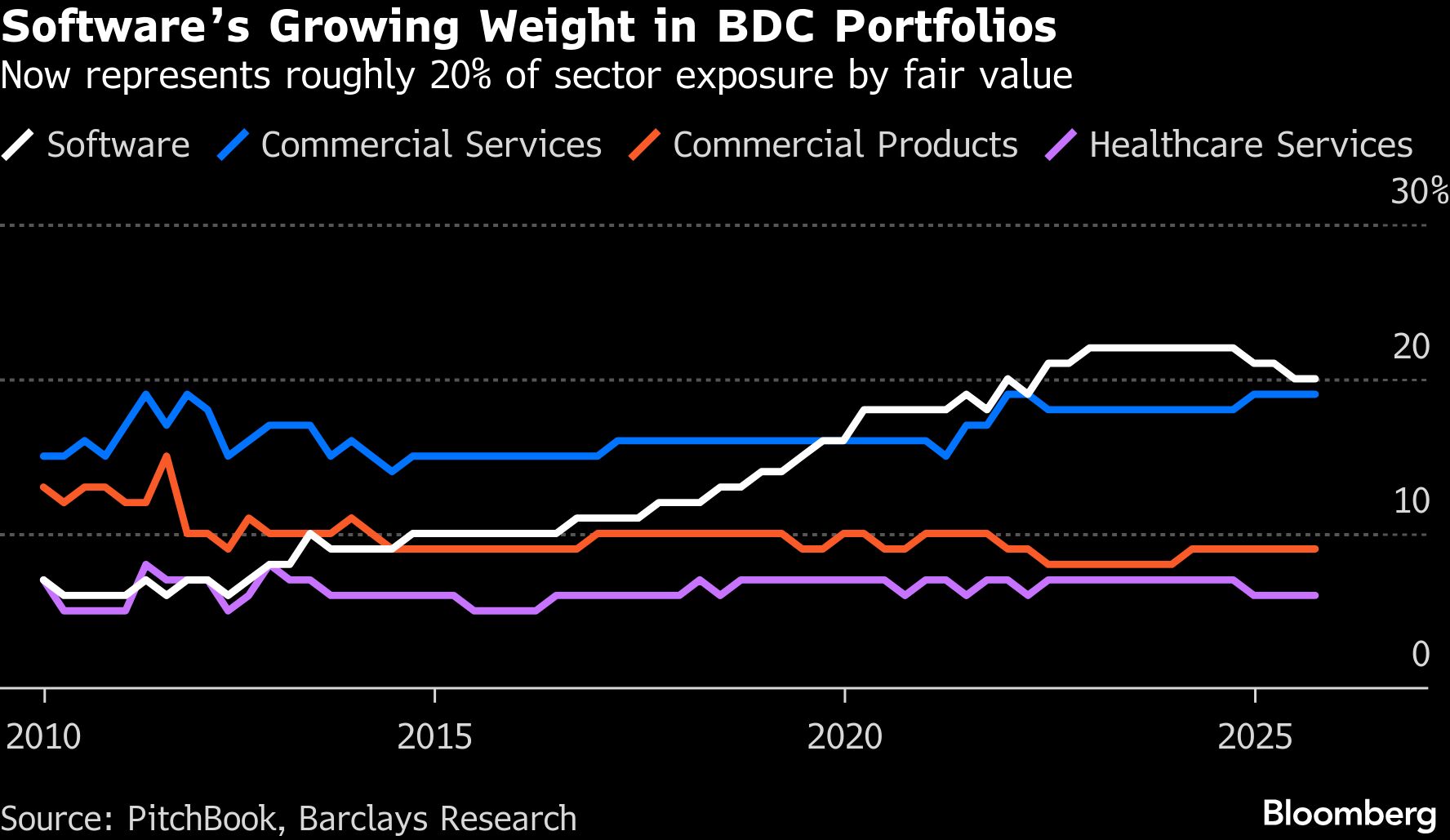
And so it goes in the world of private credit. Time and again, companies widely regarded as software firms are frequently labeled otherwise by lenders, a practice that raises fresh questions over the full extent of their exposure as the threat from artificial intelligence upends markets and rattles investors.
Silver’s conductivity makes it essential to photovoltaic modules, where thin printed contacts boost electrical output. About 196 million ounces was used by solar manufacturers last year. That’s equivalent to every gram used in jewelry, and represents about 17% of the global market.
The ALPS Clean Energy ETF (ACES) jumped 9.26% in January as investors turned their attention to the massive power requirements of AI data centers and the infrastructure needed to support them, according to recent ALPS Advisors insights.
This past week, I had the privilege of attending the 2026 Harvard Presidents’ Seminar alongside some of the nation’s top executives and thought leaders. One of the most compelling speakers was Ambassador Kevin Rudd, former prime minister of Australia.
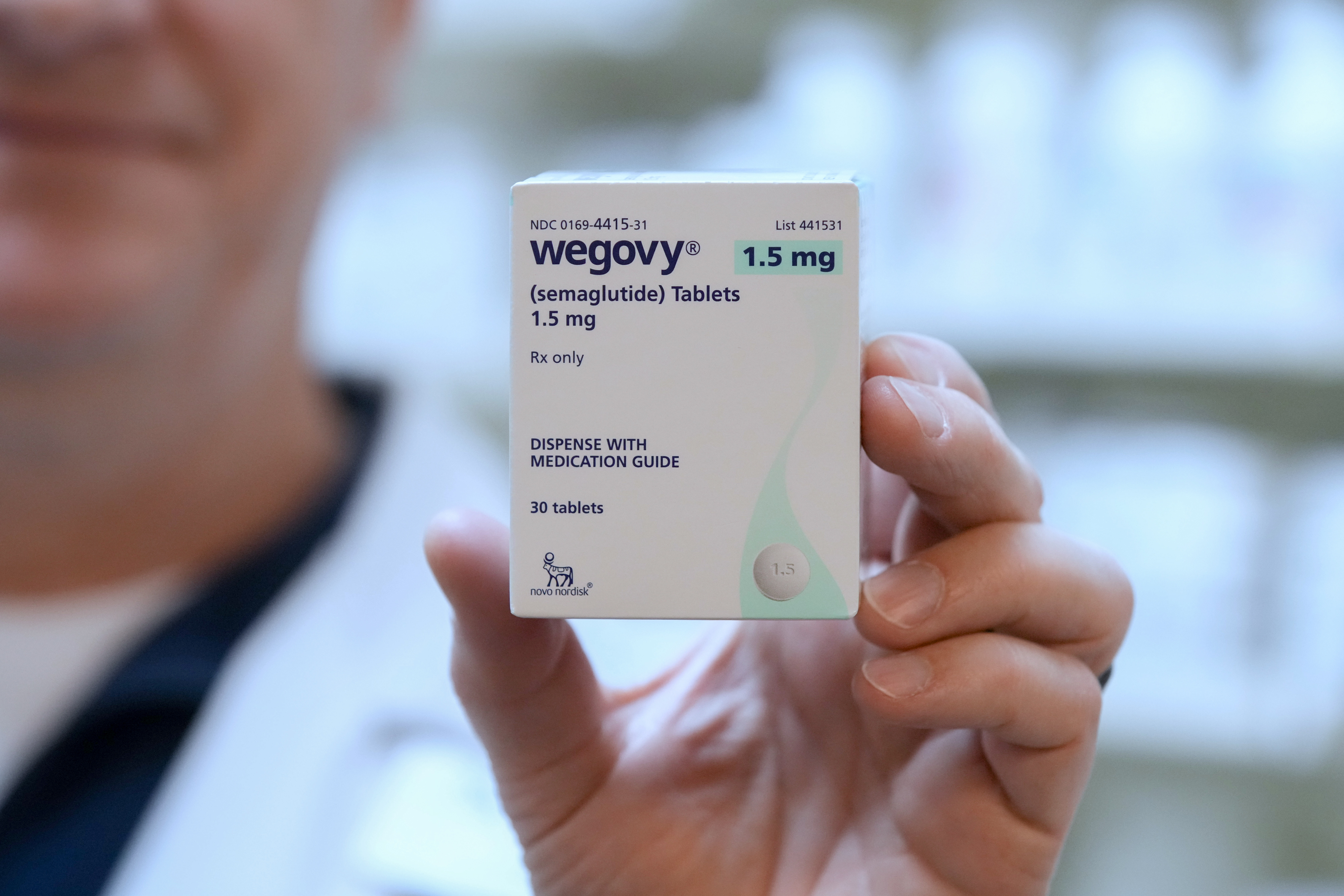
For the last year, any discussion of the obesity-drug market has come with an asterisk: Everything will change once pill versions of the popular GLP-1 drugs arrive. Those potentially cheaper alternative to injectables could mean a larger slice of the millions of Americans with obesity will try out the medicine.
Carrie King, Global CIO of BlackRock Fundamental Equities, offers her perspective on these questions and more as viewed through the lens of an active stock picker.
Throughout most of 2025, silver has recently outperformed gold, proving (ironically) that it is not always second place. Strength in silver built gradually through last year, but the latest pullbacks are a reminder that near-term market reactions can outweigh fundamentals and long-term investor sentiment.
Oil smuggling has been so enormously profitable that no matter how many obstacles Washington and Brussels put up, the barrels kept flowing. With a daily turnover of $1 billion, the black market has been just too attractive.
The temptation to automate grows as the tools improve. That does not mean everything benefits from it. Some activities rely on emotional intelligence and personal history; they involve nuance that AI cannot reliably interpret.
The start of 2026 has brought no shortage of challenges for advisors, ranging from shifting rate expectations to valuation concerns in a top-heavy market. Nonetheless, ETFs gathered an impressive $165 billion of new money in January, more than the previous three Januaries combined, according to State Street Investment Management.
So, President Trump has announced his pick for Federal Reserve Chairman, and the markets are not pleased. Everybody seems convinced that Kevin Warsh is a “hawkish” pick, and markets are throwing a temper tantrum because they think he might take the easy money punch bowl away.
Since ChatGPT burst onto the scene in 2022, artificial intelligence (AI) has moved from science-fiction to reality. For many, AI has become a necessity. The transformation has been swift. Nearly every company now wants to integrate generative AI into their business model, while governments are scrambling to develop sovereign AI infrastructure.
2025 capped off a record year for orbital launches, confirming that the space industry is more than alive and well. This creates a growth opportunity set for the Procure Space ETF (UFO), which can capture ongoing developments in the industry in 2026.
In this article, we look both back and forward, first at the 2025 capital markets to analyze not just what happened but also how it fits in the historical context and what we believe it means for 2026 and beyond. We then pivot to our return expectations for major asset classes in the next decade.
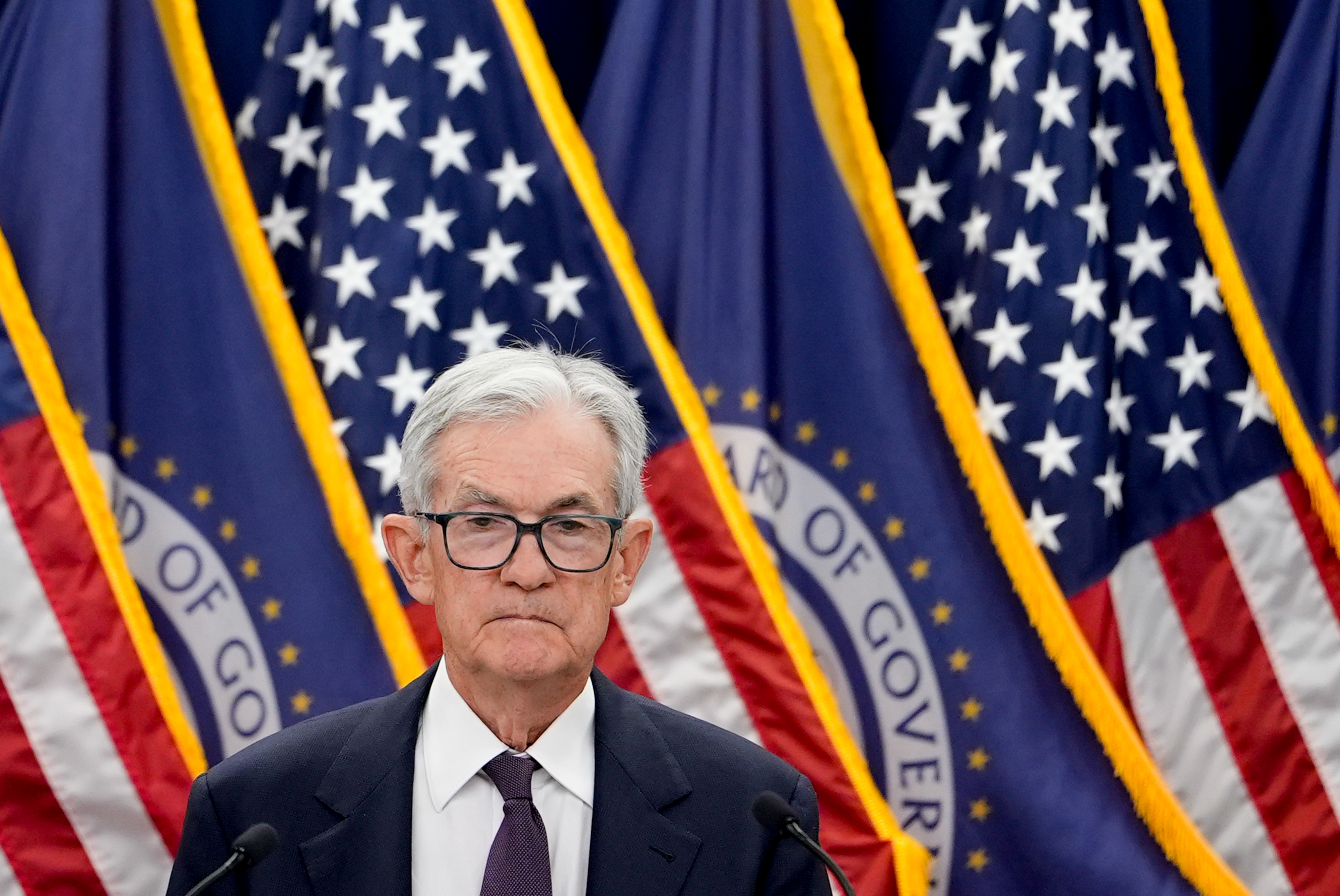
Jerome Powell has two more opportunities to adjust interest rates before his term as Federal Reserve chair ends — and he may not need them.
What appeared just months ago to be a stable and predictable transatlantic trade environment now looks conditional. The ground underneath transatlantic trade relations is once again shifting…even though critical portions of it are covered by permafrost.
Concentration risk is the #1 controllable risk in your portfolio. If one stock goes to zero and it’s your whole bag, you're in trouble. But selling usually means a giant tax bill—until now.
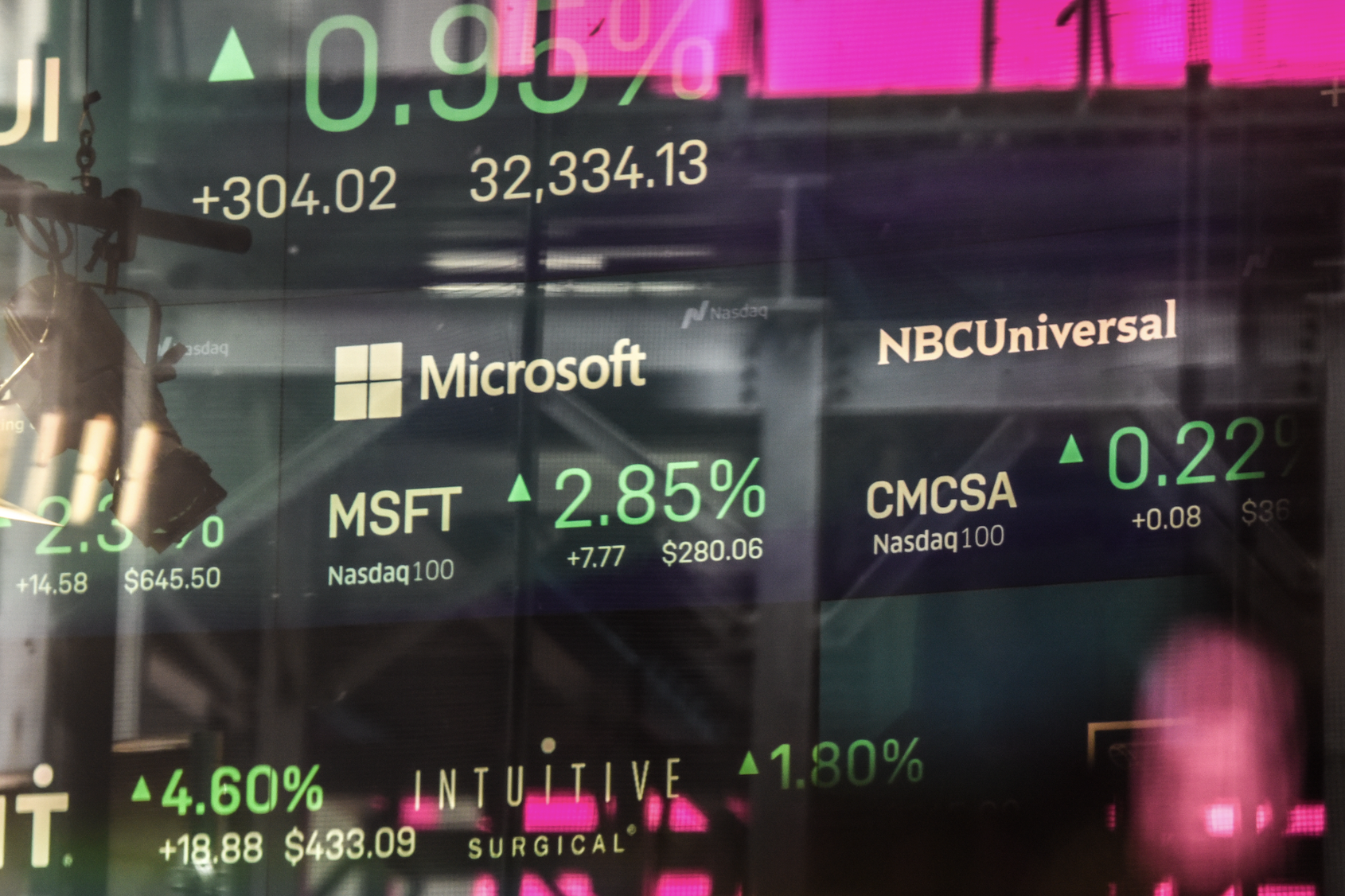
Investors wondering about payoffs from the pile of cash being spent on artificial intelligence should get some clues when Microsoft Corp. and Meta Platforms Inc. post earnings after the close Wednesday.
Over the past year, Tether has quietly become one of the biggest players in the global gold market — the embodiment of a meeting of the crypto and gold worlds whose shared distrust of government debt is a major factor behind the surge in prices to never-before-seen highs above $5,200 an ounce.
Recently, stock market numbness closes the trading day. No wholesale crash, just a little wobbling for now with positive numbers for half of January. But I have a sense it’s in need of a cane to steady its momentum.
The Bank of Japan’s recent policy shift is sending shockwaves through global markets. Headlines this week highlight the dollar’s tumble against the yen and renewed chatter of an unwind to the massive yen carry trade, estimated at over $500 billion.
The importance of biodiversity as a nature-related risk in investors’ portfolios has become better understood in the past few years. Investors are beginning to appreciate how complex and nuanced biodiversity risk can be.
The dollar is in no danger of losing its status as the primary global reserve currency, but de-dollarization is chipping away at its dominance. It’s clear we’re moving toward a “multipolar” world where several currencies, along with gold, are making up a growing share of global reserves.
The whole world may be talking about AI nonstop right now, but that doesn’t mean other tech segments are falling off. Some are actually outperforming. Blockchain ETF BLOK, for example, has significantly outperformed its ETF Database Category average over the last year.
In the investment business, it’s common to address not only what occurred during the past twelve months but also to provide an assessment of future prospects.
Greenland has reemerged as a center of geopolitical attention. Its location midway between Washington and Moscow, combined with its position along maritime routes linking the Arctic and Atlantic Oceans, has long made it a focal point for trade.
It was a sea of red to kick off the holiday-shortened trading week yesterday. President Trump’s ambition to annex part or all of Greenland drew backlash from European leaders.
VettaFi’s Head of Research Todd Rosenbluth discussed the T. Rowe Price US Equity Research ETF (TSPA) on this week’s “ETF of the Week” podcast with Chuck Jaffe of “Money Life.”