Many ask if Jerome Powell can emulate Volcker. We will certainly find out. But much has changed in 42 years. Does Powell even need to emulate Volcker? Here, some prominent economists disagree. Today we’ll talk about the issues.
Normally, this section of Point of Return closes the newsletter. Not today. If there was ever a great survivor, it was Elizabeth II, who has passed away after seven decades as Queen of England.
A few weeks ago, I said the bear market was over. What if it isn’t? Don’t interpret this as cold feet—it’s good to understand the other side of the argument.
When the National Football League’s regular season kicks off Thursday, millions of fans will settle into their easy chairs to watch America’s biggest, richest sport. But a different, multibillion dollar match will unfold a week later.
One of the common questions I get is how to convert a friend or acquaintance to a business prospect. Use this five-step process.
The “Rule Of 20” says the “bear market” may just be resting despite much commentary to the contrary.
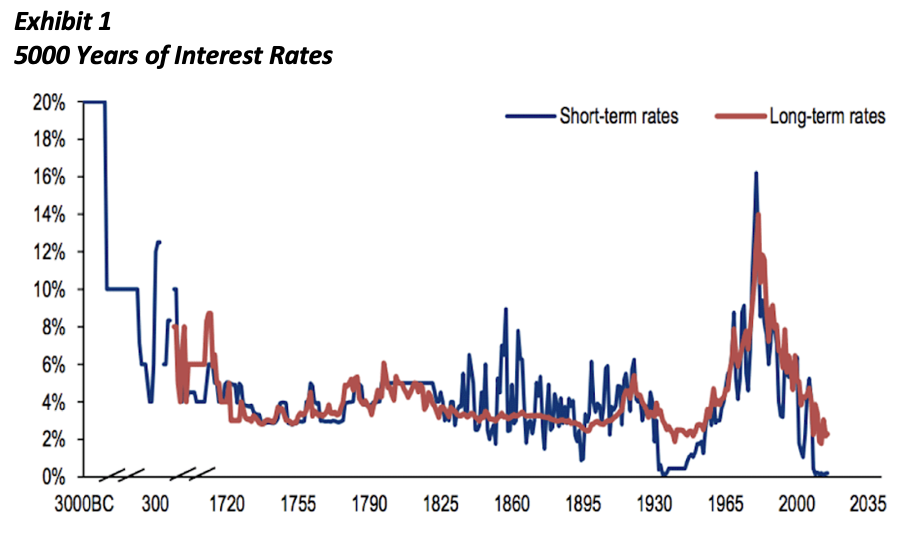
Super-bubbles in the asset markets, the rise of populism, and inequality are among a host of societal problems caused by low interest rates, according to Edward Chancellor. He explains why in his provocative new book, The Price of Time.
What's next for global growth? Our Macro Strategies team shares a regional breakdown of their growth expectations across the globe.
Uber has a history of not making any money.
Everyone’s inflation experience is unique. We all have our particular spending patterns, so our experience will feel worse if inflation is more severe in the goods and services we normally buy. Or we might not notice it as much as others do.
It’s tough being caught in the middle, especially when it comes to inflation.
When Naeche Vincent’s employer told her she had to start coming to the office last year, she decided to make a TikTok video about preparing to step foot inside the Wall Street investment bank for the first time.
The current stock market circumstances have created an incredible contrast between what investors say they think about the stock market versus what they are doing with their capital.
Jerome Powell isn’t Paul Volker, and this isn’t 1982.
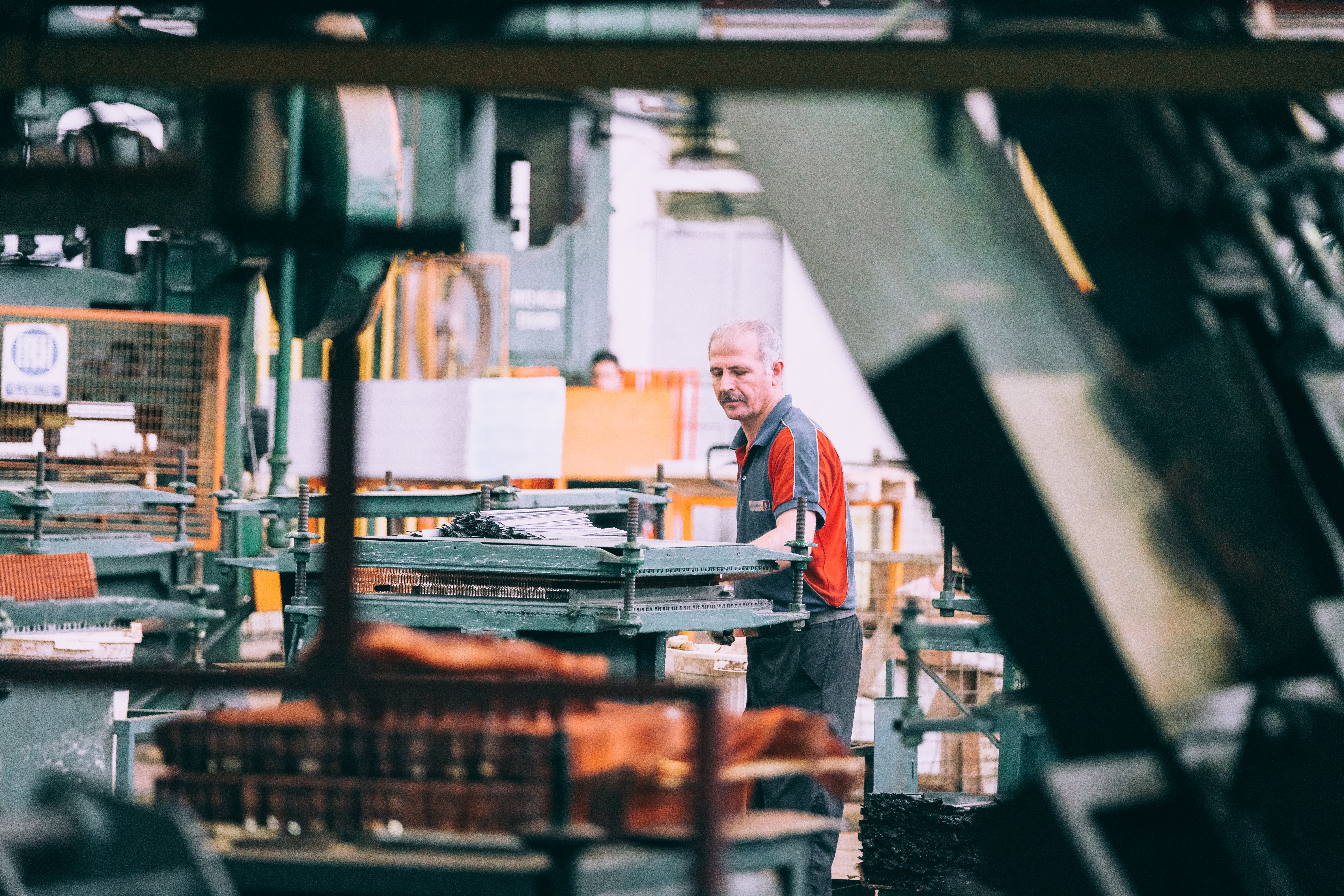
If reshoring doesn’t become a significant trend over the next decade, it never will.
Some of the world’s biggest bond investors say the market is wrong to expect central banks to score a long-term win in the war against inflation.
We normally start our letters on a positive note.
Indonesia wants Tesla Inc. to make cars — and batteries — locally. That might be the smartest bet Elon Musk can make, and it won’t be so hard.
The pullback in the once red-hot housing market isn’t scaring investors away from homebuilding stocks -- it’s all normal, they say. And normal is good enough for now.
For those who believe that the surge of interest in warehouse automation and robotics was just a pandemic fling that will fade as the labor market loosens, meet Malcolm Wilson.
“The Godfather” has a quote for everything. Maybe, just maybe, it was Putin all along. Or perhaps its was Nikolai Kondratiev.
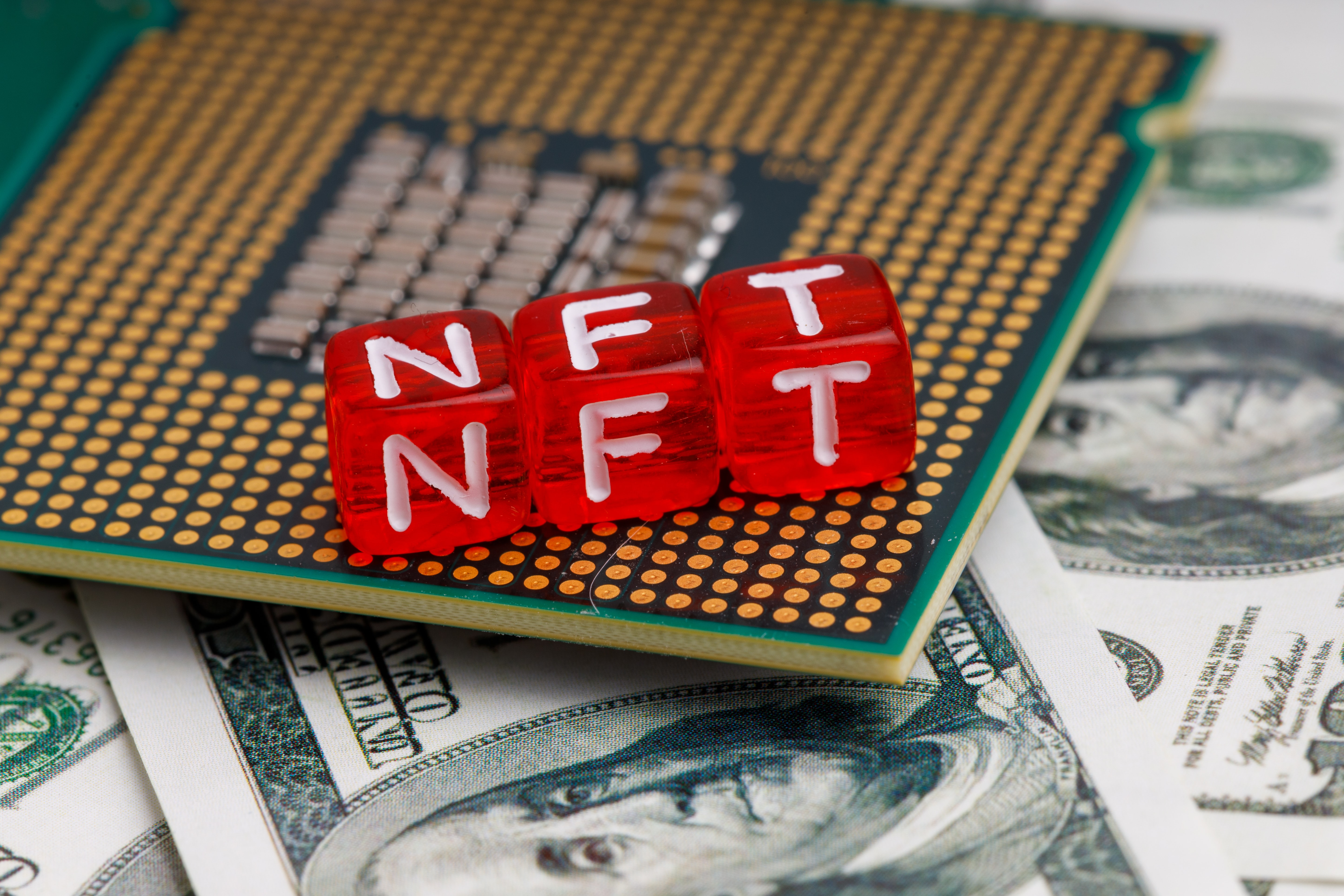
Prices of Ether and nonfungible tokens that often run on the Ethereum network have diverged sharply as investors snap up the second-largest cryptocurrency ahead of the blockchain’s highly anticipated software upgrade.
“It is not true that we need to gut our environmental protections in order to scale up green energy,” said Mahyar Sorour, deputy legislative director for Beyond Dirty Fuels at the Sierra Club. And thus goes the next chapter in the political war over whether and how the United States will join the battle against climate change.
U.S. stocks are subdued following yesterday’s release of the minutes from the Fed’s July monetary policy meeting.
Pulling forward growth over the last decade remains the Federal Reserve’s primary tool for keeping financial markets stable while economic growth rates and inflation remained weak.
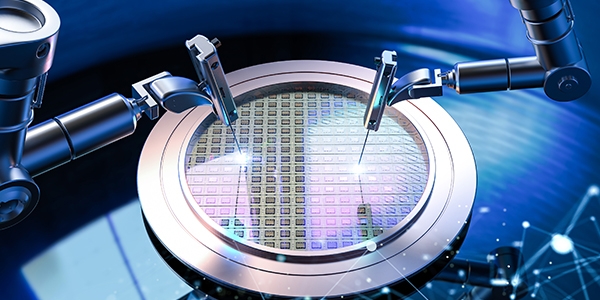
The bipartisan Creating Helpful Incentives to Produce Semiconductors for America Act, or CHIPS Act, was signed into law this week, setting aside $52 billion to boost domestic semiconductor research and production.
The latest data shows inflation is still with us at an 8.5% annual rate. That means we can expect the Fed to keep tightening, trying to reduce demand and relieve pressure on consumer prices.
In an American housing market that for years has been plagued by too little inventory, builders are suddenly finding themselves with a glut of unsold homes.
Micron Technology Inc., the leading US maker of memory semiconductors, became the latest chipmaker to declare that demand is falling off rapidly. It warned investors that revenue won’t meet projections, sending industry stocks tumbling.
How would you feel to learn your financial planner came close to bankruptcy five times?
Each generation is destined to repeat the struggles of the generations that came before it. And you can’t escape. You can’t be different – though you’ll try. Everybody tries.
As of last month, the U.S. jobs market fully recouped the number of jobs that were lost due to the pandemic, in less than half the time it took following the previous downturn.
CIO Robert Horrocks, PhD, says well-managed companies, not inflation and interest-rate cycles, will determine long-term investment returns.
We meet the official definition of a market correction and the unofficial definition of a recession, and we’re close to the definition of high inflation. Market corrections can and have caused recessions. Be prepared for all three problems coexisting for many years.
For some reason, people are feeling good. Animal spirits are on the run.
Franklin Equity Group Portfolio Manager Grant Bowers shares his outlook on inflation and recessionary risks and where he’s finding opportunities in US equities amid recent market volatility.
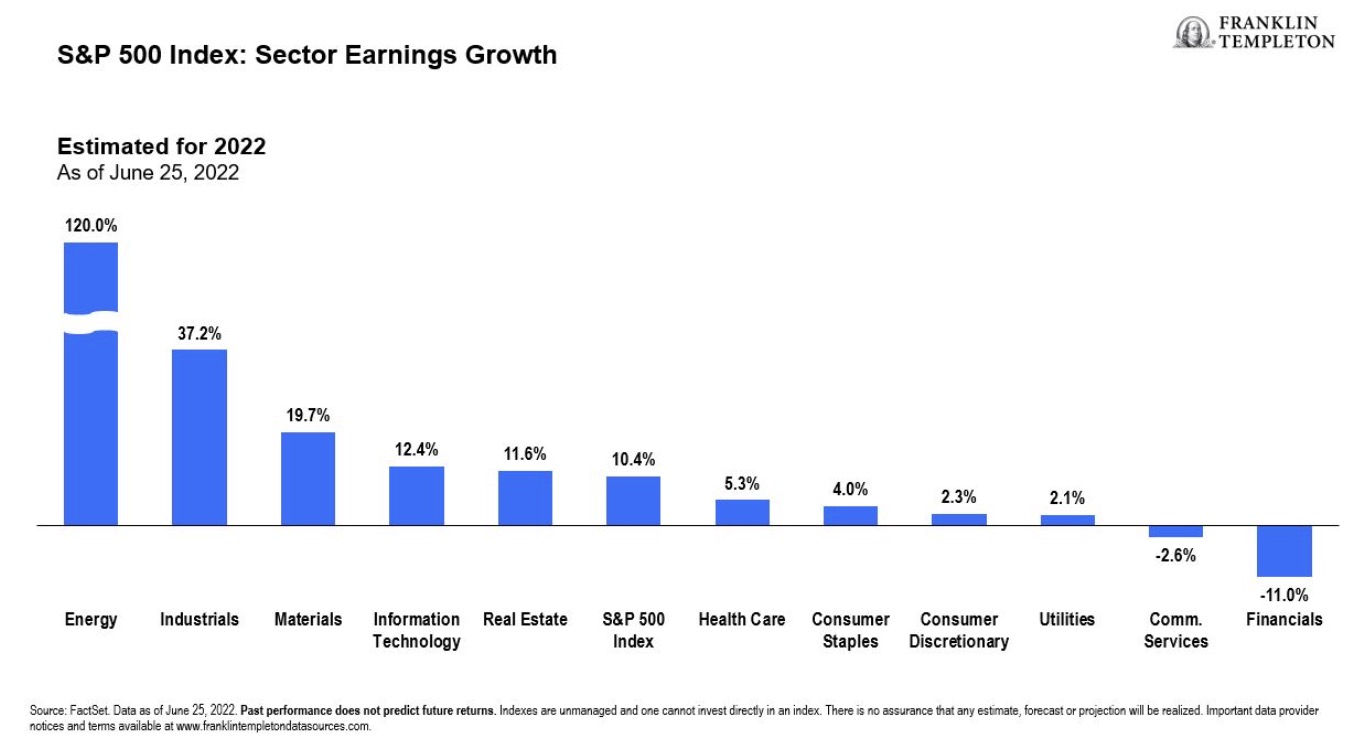
The latest raft of technology earnings is starting to show a clear divide between areas that may continue to grow and those that will most certainly suffer at the hands of a global economic slowdown.
Here are nine little-known high-earning professions you should be considering as target markets.
U.S. equities finished mixed in choppy trading amid a host of data, events and cautious Fedspeak driving sentiment.
Uber Technologies Inc. reported revenue that beat analysts’ estimates, boosted by resilient demand from customers who continued to hail rides and order takeout food despite rising inflation. Shares jumped about 14% in early trading.
While it’s likely we are already in an as-yet-undeclared recession, it’s a very weird one if so. I have lived through quite a few of them and I don’t recall any other recession coinciding with record-low unemployment, plentiful job openings, and jammed airports.
Amazon.com Inc. was the latest company to discuss its belt-tightening efforts this week.
It’s one of Warren Buffett’s best-known sayings: “Be fearful when others are greedy and greedy when others are fearful”.
I recently was asked by Patrick Schotanus of Edinburgh Business School to participate in their inaugural symposium on the subject of cognitive economics. The symposium took place at Panmure House, the final residence of the great economist Adam Smith, and the theme was the Market Mind Hypothesis (MMH), which Patrick developed.
OneSpan makes digital authentication software for corporate cybersecurity.
The groundbreaking global corporate-tax agreement secured last year by Treasury Secretary Janet Yellen included a “failsafe” measure to encourage compliance by its 137 signatories.
On Monday Walmart warned on profit for a second time in just over two months. That is an ominous sign for the whole consumer sector and the broader US economy.
During Tesla’s quarterly results webcast this week, Musk admitted to dumping some $936 million of Bitcoin to raise cash out of concern of an economic pullback due to pandemic lockdowns in China.
U.S. stocks are mixed in a subdued session to close out the week, but remain on target for a sharp weekly advance.
At this point, where do we honestly see ourselves on the journey to more and better energy storage solutions?