U.S. stocks are soaring in pre-market trading amid a softer-than-expected November consumer price inflation report.
The U.S. Superbubble, as Jeremy Grantham has termed it, featured the most dangerous mix of factors in modern times at the end of last year: all three major asset classes – housing, stocks, and bonds – were critically historically overvalued.
As the super-growth cycle is ending in dramatic fashion, we are already seeing some of the most attractive valuation opportunities in years.
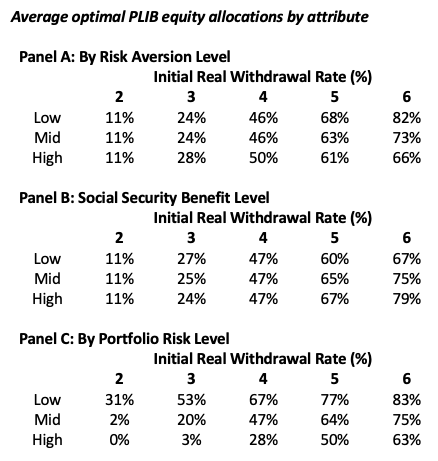
More balanced risk strategies in PLIBs are likely to be optimal (e.g., 40-50% equities), although the ability to personalize the risk level is important based on the household situation and preferences.
It’s been a spectacular year for the US dollar. Using the popular broad dollar index, it managed to rise to its highest level since 2002 by the end of September. Since then, the greenback has endured a peak-to-trough fall of more than 9% and continues to trend downward.
After a challenging 2022, it is time for investors to look forward to opportunities. Emerging Markets (EM) debt stands out as one place where investors can potentially take advantage of an underutilized asset class that offers attractive yields and diversification.
“95 years ago, your crystal ball reveals: Russian debt default, LTCM fail, DotCom implosion, 9/11 attacks, financial crisis and great recession, pandemic killing millions, 3 market crashes. Would you put your money into stocks? No? You missed a 10X return.”
There’s enormous scope for India and Greater China to increase GDP per capita relative to the U.S. and other developed nations
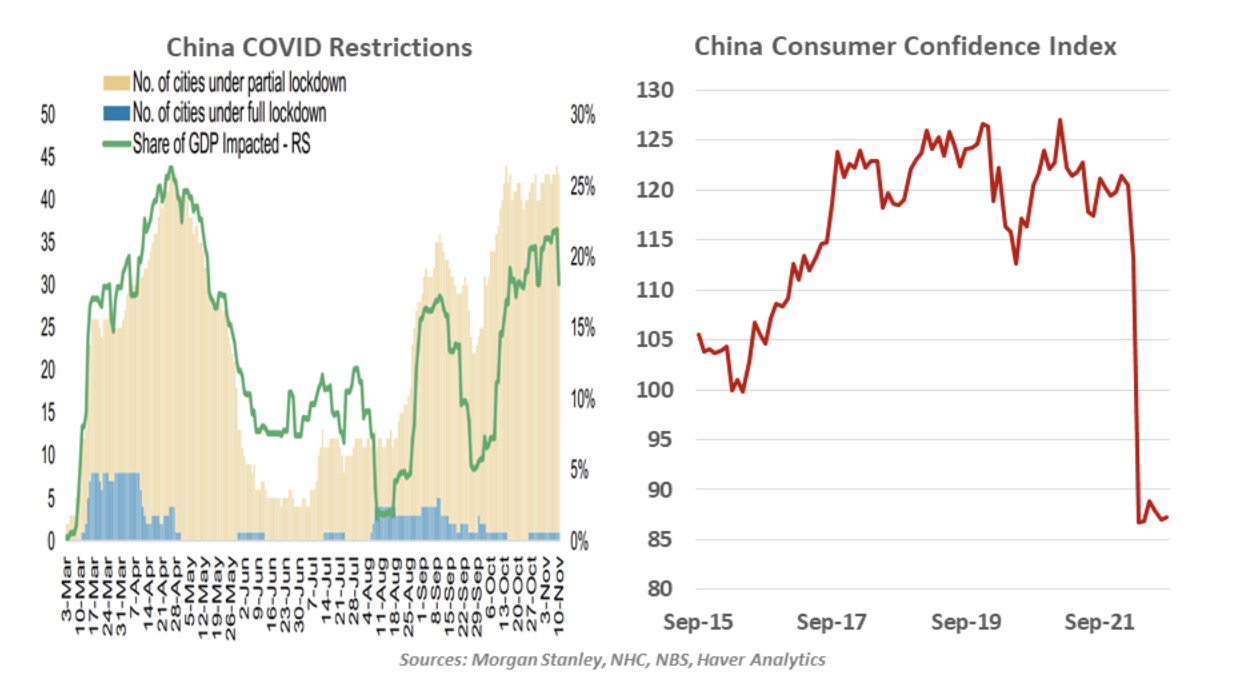
U.S. stocks are lower as the new week kicks off, even as China took further measures to ease COVID restrictions.
I explore some of the factors driving the superiority of PLIBs, in particular lapsation, mortality experience differences, accessing the equity risk premium, and the marginal role of annuities as part of a retirement strategy.
Weaker economic trends will likely form heading into 2023 as the Fed battles inflation, but a (hopefully) mild recession may help set stocks up for a better second half of the year.
As president of the Federal Reserve Bank of New York and vice chair of the policy-setting Federal Open Market Committee, John Williams is perhaps the second-most influential US central banker behind Fed Chair Jerome Powell.
To market to your niche, start with “patient zero.” Here is how to identify and work with someone who can help drive your firm’s viral growth.
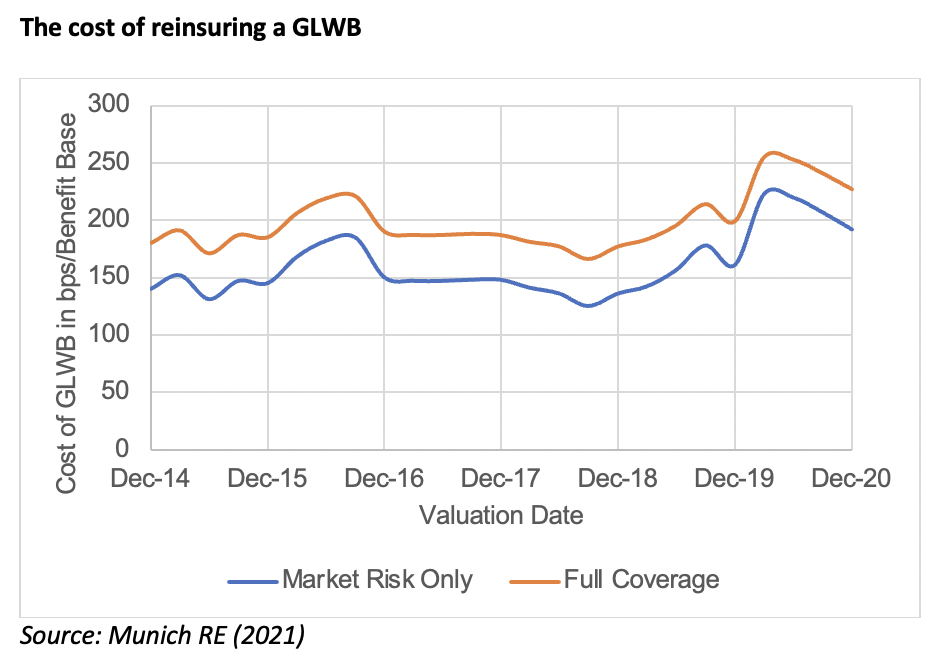
This article explores the efficacy of PLIBs against a retirement income strategy that does not include an annuity, as well as strategies which allocate to either a SPIA, a DIA, or a GLWB. I used a utility framework for this analysis.
The global oil market keeps sending up flares on the outlook for weaker demand. In the latest, a closely-watched gauge of Asian crude consumption tumbled to a seven-month low as surging virus cases in China trigger lockdown-like restrictions in the world’s biggest importer.
Presidential administrations never stay the same from beginning to end. Top personnel come and go for various reasons, and we seem to be seeing that now with the Joe Biden administration.
U.S. equities are mixed in pre-market trading, but the markets are on track to post weekly gains for the holiday-shortened week.
Amazon.com Inc. spooked investors last month when it predicted the slowest holiday season growth in its history.
China is still far from open for business as usual.
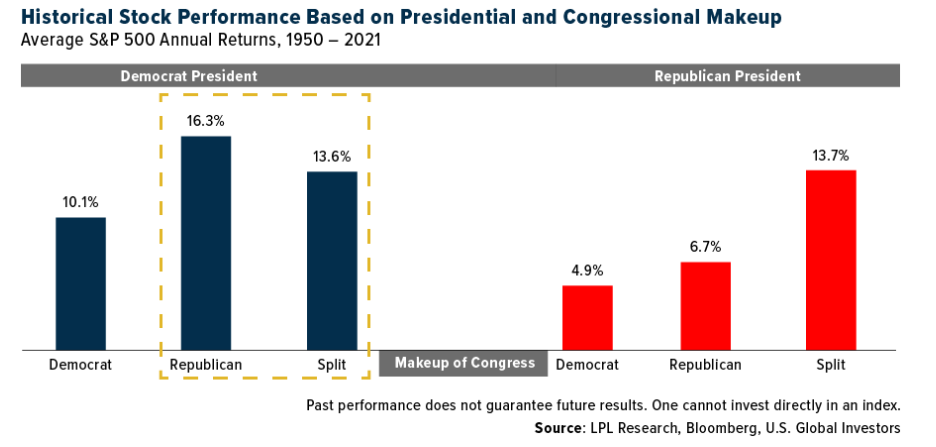
A split government will limit aggressive agendas and progress on important longer-term issues.
This piece introduces the protected lifetime income benefit (PLIB) to describe an emerging category of longevity-protected solutions.
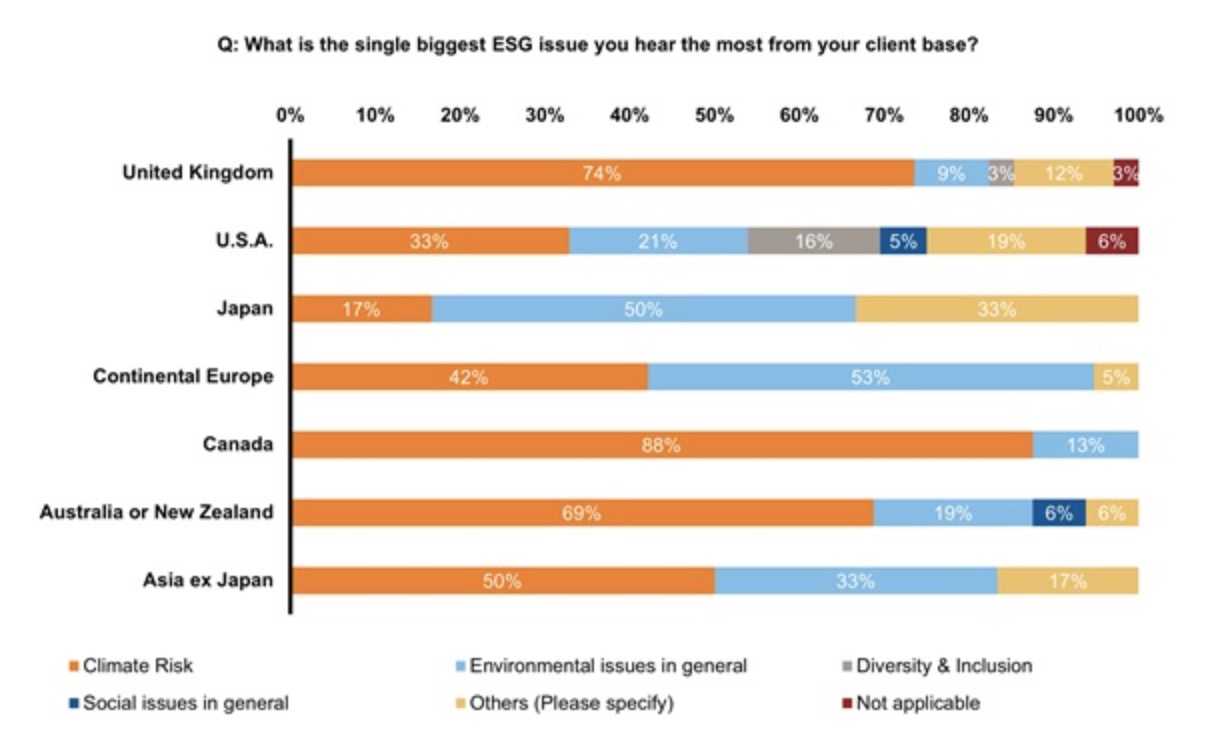
Our annual ESG manager survey of active managers assesses the integration of ESG considerations in investment processes among equity, fixed income and private markets managers, and spotlights firmwide policies, use of data, engagement and integration.
Many Tesla Inc. investors watched in dismay as Elon Musk plunged into a battle over buying Twitter that pulled his attention away from the electric-car maker.
The dinner rush is on at Suga’s Diner in Stanton, Tennessee, the only restaurant in this town of 452 souls.
Wall Street is struggling to whittle down the roughly $37.5 billion in risky corporate loans stuck on their books -- and the pile of so-called hung debt may be about to swell further as another large buyout financing stumbles.
They say a picture is worth 1,000 words and a good chart fulfills a similar function.
U.S. equities are mixed in restrained trading, with investors awaiting the next two pieces to complete the October inflation picture.
Early this week, with the severe inverted yield curve and other signals flashing recession, I planned to use this letter to delve into the data. Then Thursday’s CPI data convinced markets to blow the all-clear whistle.
FTX, until recently the world’s second-largest crypto exchange, filed for bankruptcy as its embattled founder, Sam Bankman-Fried, stepped down as CEO following a liquidity crunch that exposed the firm’s improper use of customer assets.
U.S. stocks posted its biggest daily gain since 2020 following data on October’s consumer price inflation (CPI), which came in cooler-than-expected.
The era of the dynamic sales growth tech company, with a religious quality to its leadership, appears to be over.
How could the poor world in the global south become as rich as the rich nations of the north?
U.S. equities finished lower with the Dow whipsawing within a more than 900-point range following the Fed's monetary policy decision.
As we approach the end of 2022, investors are hoping that inflation will fall in 2023 and lead the Federal Reserve to pause and perhaps reverse some of its interest-rate hikes. The looser financial conditions would then allow for accelerating economic growth and a better year for financial markets.
If you were walking down the street and saw a $100 bill just sitting near the curb, would you pick it up?
As veterans of this male-dominated industry, we have faced our fair share of challenges and uncertainty. However, that led us to venture out on our own and start solo planning firms.
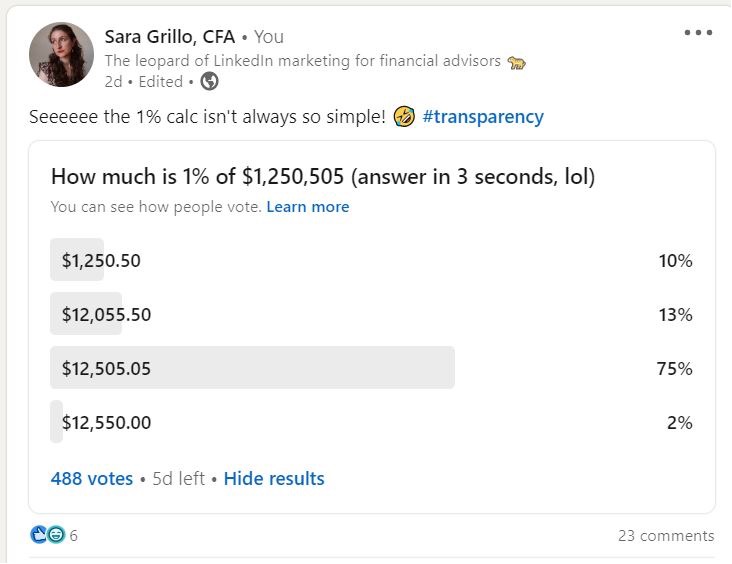
If you believe that 1% of AUM is transparent, you’re overlooking one obvious thing. Most of your prospects struggle to do basic math in their head. Spell it out in hard dollars!
Build a scalable marketing plan that focuses on repurposing your content.
Electronic trading of corporate bonds has reached record levels, as credit-trading algorithms get smarter, grab market share, and make it easier for investors to buy and sell corporate bonds without affecting prices too much.
The uncertainty of a looming recession and high market volatility makes almost all investment options look doubtful as investors search for safe and reliable investment tools.
When the oil market liberalized in the 1970s, a group of commodity trading buccaneers led by the infamous Marc Rich made fortunes by connecting buyers and sellers and surfing the price swings of this newly tradable commodity.
The US was awakened by the pandemic to the gaping holes in its supply chains for crucial medical supplies and electronics.
The highest rates of inflation in 40 years and the response by central banks around the world to aggressively raise interest rates have created an unfamiliar double-edged sword for both businesses and households.
China stocks’ frenzied week has ended how it began: with jaw-dropping losses.
Surging US tuition costs have more American parents sending their children to college in Europe as they look to save money on higher education.
U.S. stocks are trading mixed in pre-market action.
The heated debate about how central banks should respond to high and persistent inflation has focused primarily on how high interest rates should go and how long should they stay there.
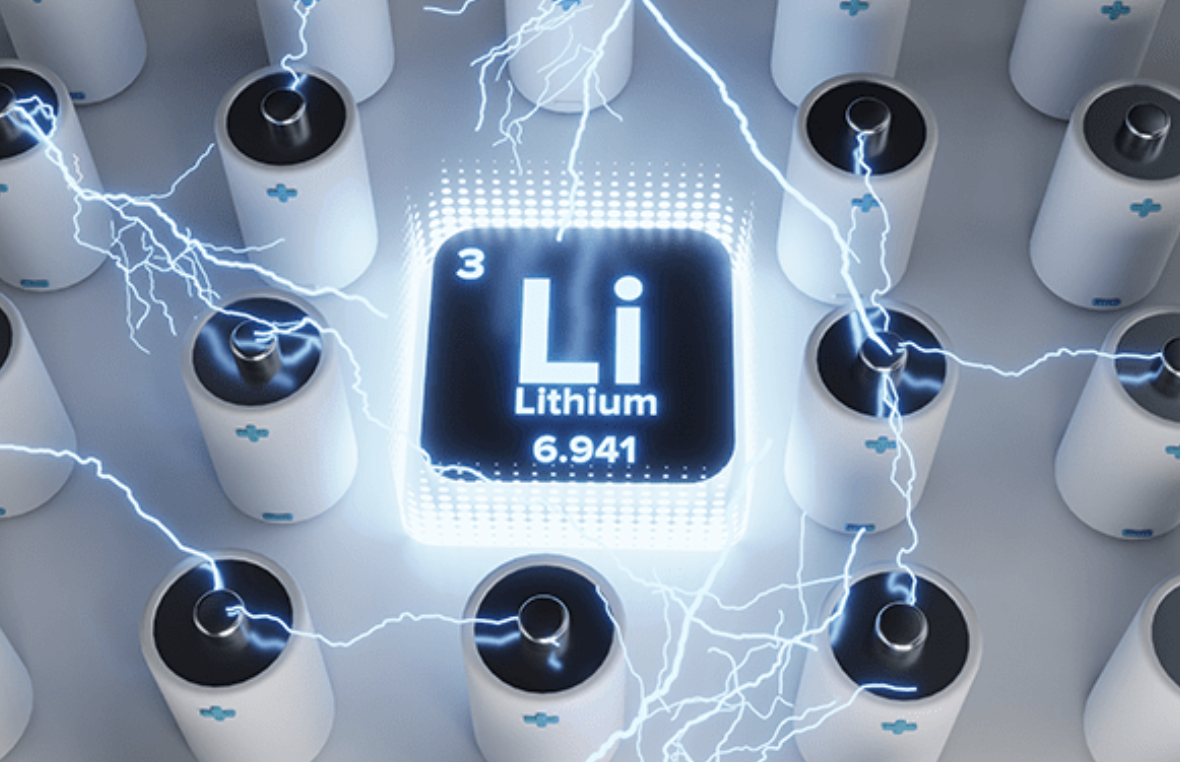
With this week’s announcement that the White House is deploying nearly $3 billion to boost domestic output of EV batteries and the minerals used to make them, it may be time for investors to take notice.
Mortgage rates above 7% have put the housing market on ice as affordability challenges put off a lot of buyers. Newer, younger homeowners who locked in their mortgage at a low interest rate — and whose next move probably would be trading up — are content to stay where they are until mortgage rates fall.
I find it hard to like someone when I don’t know the context of what I would do to interact with them.