Korea has emerged as a global powerhouse in many industries. Read Portfolio Managers Elli Lee and Sojung Park’s latest on how Korea continues to create new opportunities for investors.
Fresh from the Mining Disrupt conference in Miami, Frank Holmes shares his perspective on a resilient Bitcoin market and the upcoming halving event, amid ongoing debates around the need for regulatory clarity. From an optimistic outlook for a U.S. spot Bitcoin ETF to state-level breakthroughs in Bitcoin mining laws, this account offers a comprehensive glimpse into the evolving digital asset landscape.
CIO Robert Horrocks, Ph.D., says peaking interest rates may strengthen the case for quality growth stocks in emerging markets.
Central banks are set to hike policy rates this week. Markets expect rate cuts to soon follow due to cooling inflation, whereas we see central banks holding tight.
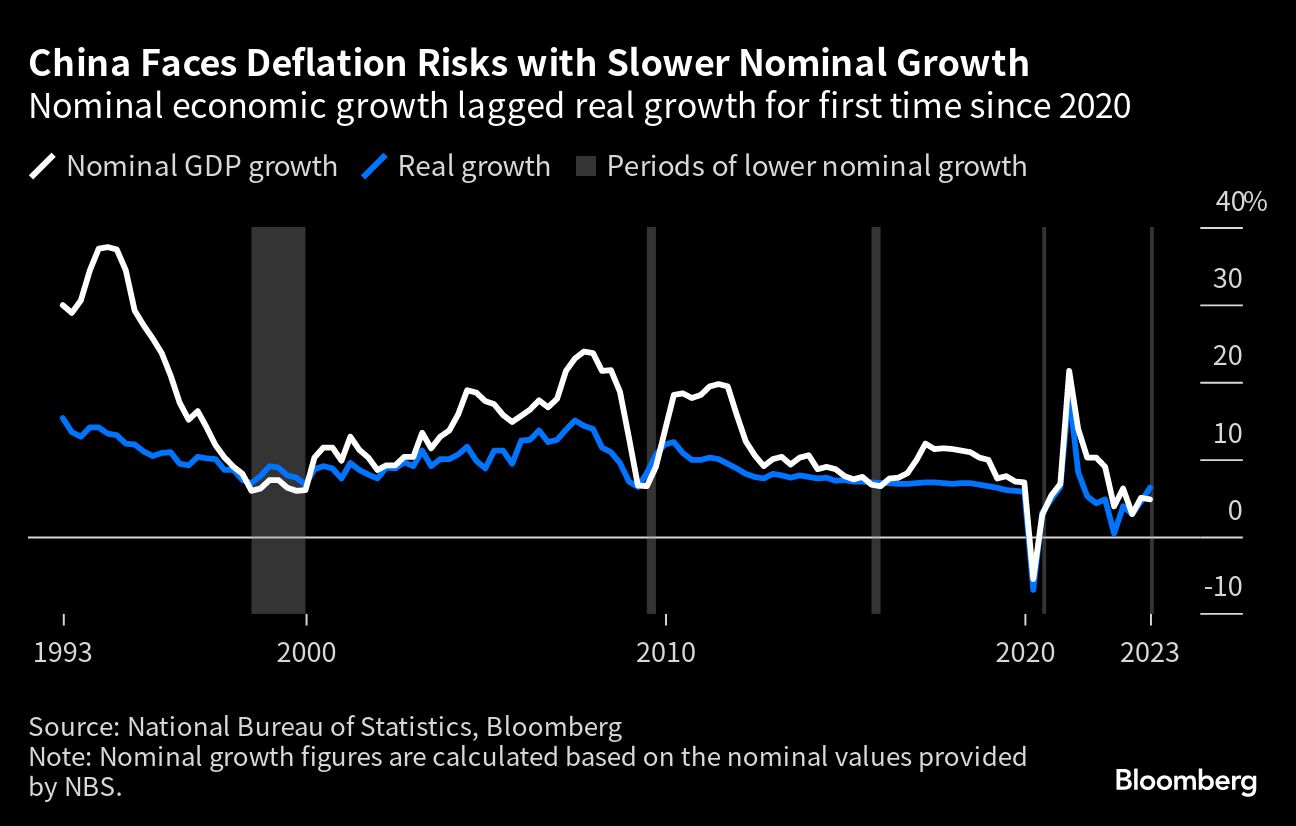
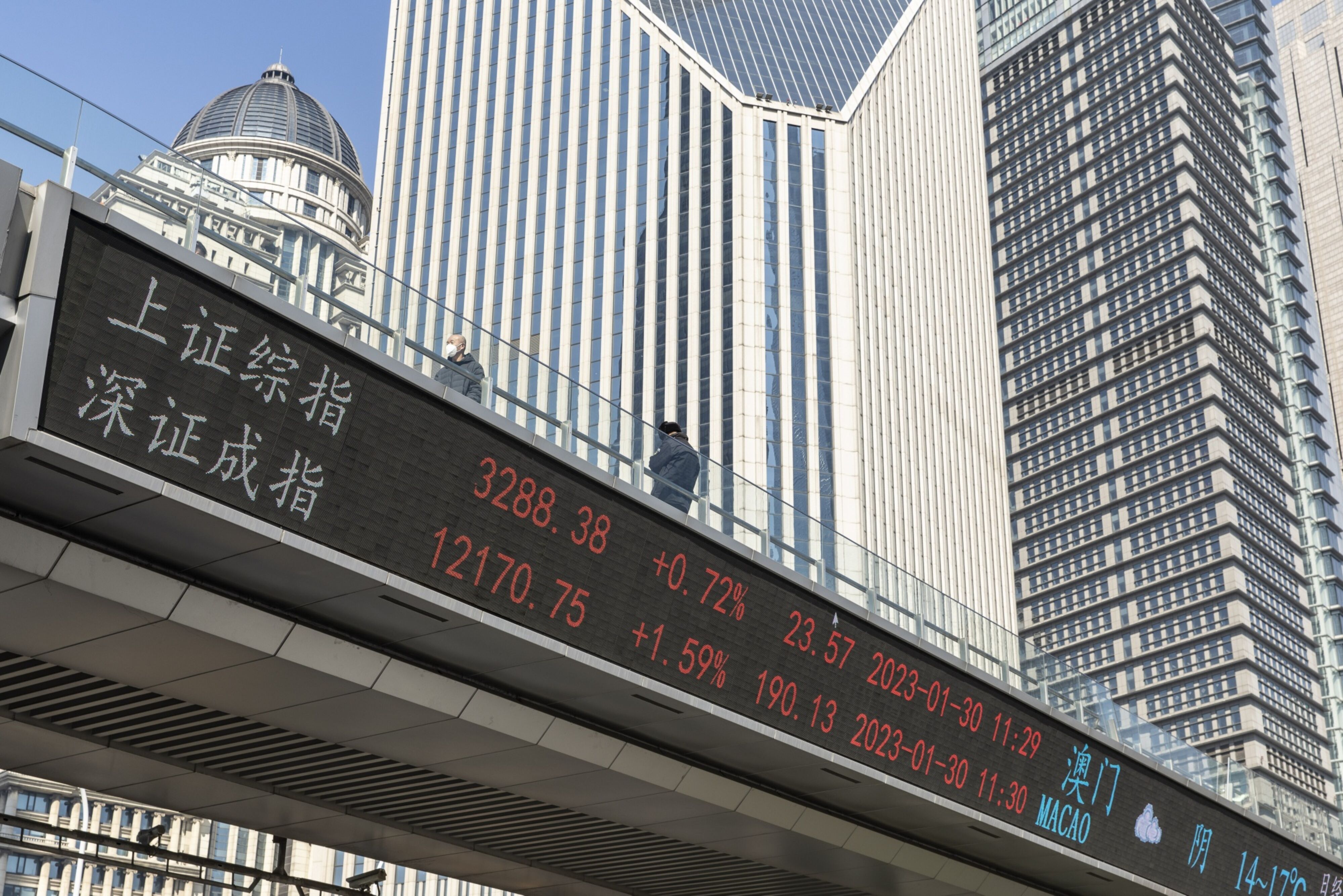
From China comes a discouraging new language. Leaders described their faltering economy as showing a “wavy pattern” with “bumps during progress.” Put politely, the message is that the country won't provide the lift for the global economy that was widely anticipated six months ago.
China's re-opening surge did not last.
High-quality fixed-income assets may offer the best return potential in more than a decade along with diversification benefits as a likely recession approaches.
I suppose you could say changing the Twitter bird logo to an “X” makes complete sense. As the recognized icon for “make it go away,” X just about sums up the achievements of Elon Musk’s social network so far.
One of the unforeseen side effects of the current travel boom has been flight delays, mostly because of staff shortages, and this has raised the issue of pilot retirements.
Pulak Prasad is a successful investor in the Indian market, where he grew up. But he is also an amateur evolutionary biologist. His new book illustrates a powerful – and often money-making – link between the disciplines of investing and evolution.
The Sovereign Debt Wave is at a historic peak and appears set to continue growing. With higher inflation and reduced liquidity, some countries will be able to continue to issue debt easily, while some will not.
This Knowledge Leader aims to provide solutions that can help societies overcome complex challenges. For example, NEC makes biometric identification systems, video analytics systems, and digital government solutions designed to improve the efficiency and transparency of government operations.
El Niño will test the resilience of both infrastructure and food supply chains.
Head of Franklin Templeton Institute Stephen Dover recently moderated a panel of our leading economists and asked this key question: What’s in store for investors in the second half? Here’s a quick take on their answers.
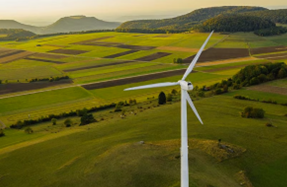
Transitioning to a green net-zero economy requires climate solutions that enable the economy to decarbonise, such as renewable energy, electric vehicles, and recycling technologies.
Amazon is the world’s largest online retailer and a prominent player in the field of cloud services, digital streaming, and artificial intelligence. This Knowledge Leader has redefined the landscape of e-commerce and technology.
The MSCI EM index is up 20% from its bottom last October, but is almost 30% below its February 2021 peak. Thus, it has lagged other major markets globally. We have seen and heard investors getting more positive on emerging equities and reallocating capital accordingly.
We favor emerging market (EM) to developed market (DM) assets on a brighter macro backdrop. We get granular and harness mega forces, per our playbook.
Nokia Corporation is a global leader in networking. Based in Espoo, Finland, this Knowledge Leader’s mission is to bring together the world’s people, machines, and devices to realize the potential of digital in every industry.
A high probability for an El Niño event in the second half of 2023 brings concerns of extreme weather, persistent inflation, supply chain disruptions, and market volatility.
The global economy remains in a fragile state. Headline inflation is above-target in almost all major economies, and core inflation is sticky and elevated.
Falling airfare prices in the U.S. don’t appear to have any effect on airlines’ revenue, according to Goldman Sachs. In fact, Delta just reported record revenue and profits in the June quarter.
China’s disappointing economic growth figures prompted several economists to downgrade their forecasts for the year, citing major weaknesses in the recovery and Beijing’s relatively muted stimulus-response.
Nikko Asset Management presents an analysis of global market trends, offering insights into the surprising performance of equities and the resilience of the global economy to date.
With inflation still front and center and tight labor markets, how will central banks react to the challenging market environment?
Portfolio manager Shuntaro Takeuchi says Japanese equities, for so long a market of false dawns, may now be stirring up investment opportunities that finally present Japan as a long-term growth market.
The dollar has defied predictions of a prolonged slump since at least the beginning of the year but top money managers say it’s now on borrowed time as US exceptionalism wanes.
Higher expected corporate earnings mask broad pressure under the surface. We see more earnings pain ahead and look for opportunities at the sector level.
A strategy of stripping China out of emerging-market portfolios is fast gaining traction as stock managers seek to reduce the risk of investing in a country that faces unique policy and geopolitical headwinds.
The second half of 2023 has officially begun, meaning it’s time for us to reflect on the commodities market so far this year. Lithium increased by 10.81%, making it the best-performing commodity and one of only two that recorded a positive return, the other being gold.
For over a decade, emerging markets (EMs) have been full of promise—and disappointment. Year after year, investors have waited for the powerful growth trends of the past that drove developing markets from Mexico to Malaysia to reassert themselves.
Ashmore is a specialist Emerging Markets investment manager with over thirty years' experience in these markets. Today we continue to innovate, offering new strategies that provide an opportunity for investors to participate in Emerging Markets.
Investment banking work has all but dried up and the private equity industry bears a lot of the blame. The bad news for those involved is that managers of buyout funds might struggle to get their flywheels spinning again even when the current economic uncertainty starts to clear up.
India's growth initiatives and demographics may help its economy continue to advance; its stocks seem to have priced in high expectations for the world's fifth-largest economy.
Investors lowered their expectations of gains in Asian equities this year as optimism fades about the prospects of looser monetary policy and China’s economic outlook.
Being asleep at the wheel is invariably a hyperbolic cliché. But in the case of the London Metal Exchange and its regulators, it’s no metaphor; it’s a literal description of last year’s crisis in the nickel market.
After years of lagging behind the tech-heavy US market, Franklin Mutual Series sees international value stocks coming back into the spotlight over the coming years as the traditional economy comes into sharper focus.
We see different and abundant opportunities in the new macro regime. We go granular within asset classes, regions, and sectors – and harness mega forces.
India is rapidly transforming into a formidable global superpower and an increasingly attractive destination for investor capital. Amid rising geopolitical tensions and the impact of disruptive technologies, India's story is a beacon of opportunity in a challenging landscape.
Did you know that American forests offset 12% of total U.S. emissions? With wildfires back in the headlines, Energy Analyst Pavel Molchanov discusses the crucial role of reforestation efforts.
After the disruptions of the past few years, many of us are looking for a return to normal. For investors in emerging-market bonds, normal would mean a world in which global inflation is in check, interest rates are no longer rising, China is healthy, and traditional asset correlations resume.
We review the key themes of the first half of a busy year.
The European Central Bank (ECB) hikes rates and signals more tightening ahead.
An activist shareholder’s campaign to sack the external manager at a small Singapore real-estate investment trust has shone the spotlight on the industry’s East versus West split, with important consequences for future returns.
After an outstanding 2022, global liquefied natural gas (LNG) prices have weakened in 2023. However, the long-term outlook for LNG remains constructive as customers continue to sign 20-year purchase agreements with US exporters. This note discusses growing US LNG export capacity and how this benefits midstream companies.
Investment-banking deals have a reputation as bloody affairs of rainmakers and traders fighting it out in a kind of full-contact version of musical chairs.
Today the minutes of the April 27-28, 2023, Bank of Japan meeting were released. Below in italics are the top ten highlights generated by our AI engine.
At some point, the world might have too many planes again. But it’s a little early to worry about that too much.
Japanese stocks may help boost the performance of international markets although the unique nature of Japan's economic and business structure could pose some risks.
Central banks have ramped up their hawkish rhetoric this month but for bond bulls, that’s a good thing.