VettaFi’s Tom Lydon discusses recent advisor polling data on everything from 60/40 portfolio returns to active ETFs. Sprott’s John Ciampaglia spotlights their lineup of energy transition ETFs, including the first-ever nickel miners ETF. Horizon’s Scott Ladner explains the process behind their ETF-centric, goals-based model portfolios.
How can advisors ensure that clients will keep their assets with you?
Chinese economic data blew expectations out of the water this week, reflecting a strong comeback for the Asian giant as it finally emerges from the world’s most restrictive pandemic-era lockdown.
Homebuilders continue to finish homes faster than they’re starting new ones. Improved supply chains are allowing them to work through backlogs built up during the pandemic when they couldn’t keep up with demand.
There are many reasons to buy and hold physical gold. The lack of counterparty risk, the diversification, and the hedge against inflation are among the top reasons to own the monetary metals.
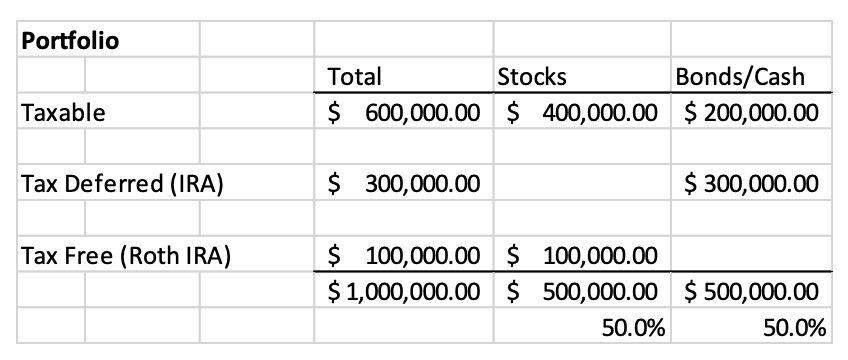
One of the toughest dilemmas I wrestle with is whether to consider future tax liabilities from unrealized gains in the portfolio and taxes from withdrawing from traditional retirement accounts.
Despite recent headwinds, structural drivers underpinning China’s growth remain intact. Sectors that will benefit from the structural trends include healthcare, industrial automation, and domestic brands targeting increased spending by Chinese consumers.
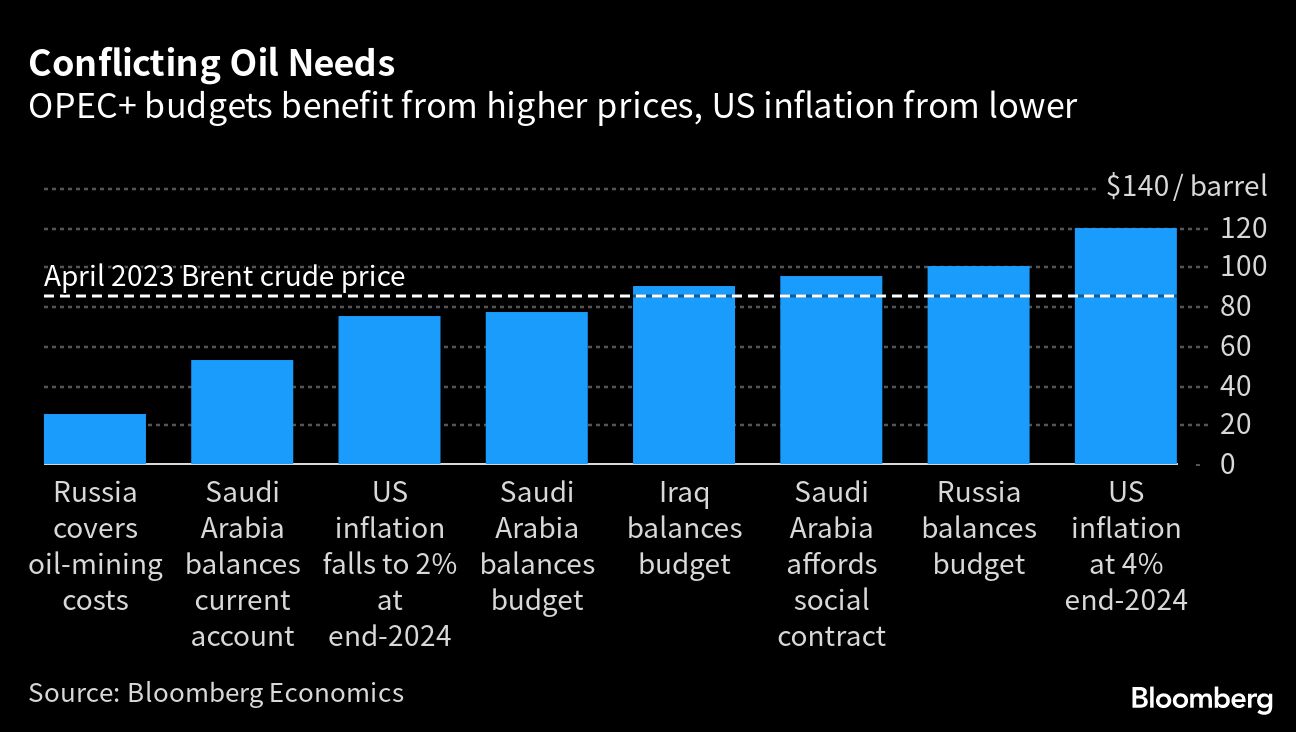
The Saudi-Russia oil alliance has the potential to cause all kinds of trouble for the US economy — and even for President Joe Biden’s re-election campaign. This month’s OPEC+ decision to cut crude output, for the second time since Biden flew to Saudi Arabia last summer seeking an increase, may be just the start.
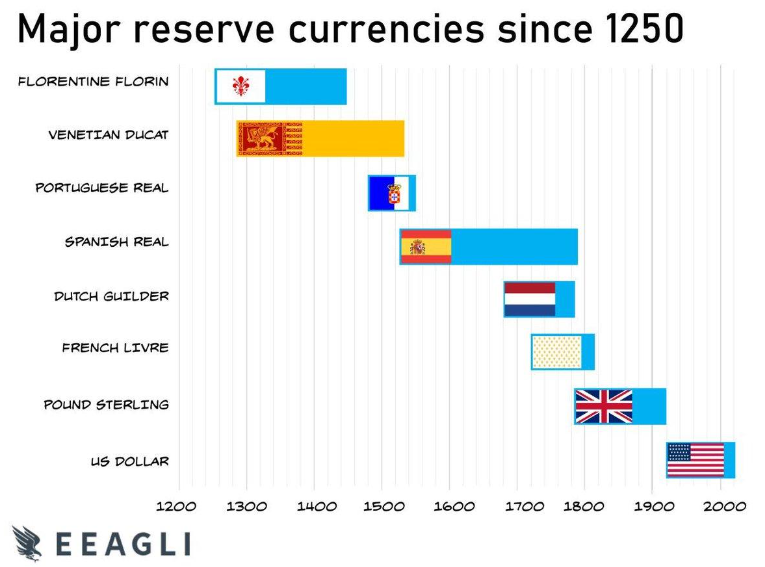
There are four critical reasons why the dollar will not lose its global reserve status anytime soon.
Long-term bonds usually pay a higher yield than shorter-term ones to encourage investors to lend for longer. But sometimes the so-called yield curve inverts, as it has now, and short-term bonds offer the highest yield.
Following a great deal of hype last year, companies now seem to be reining back their investments in the metaverse.
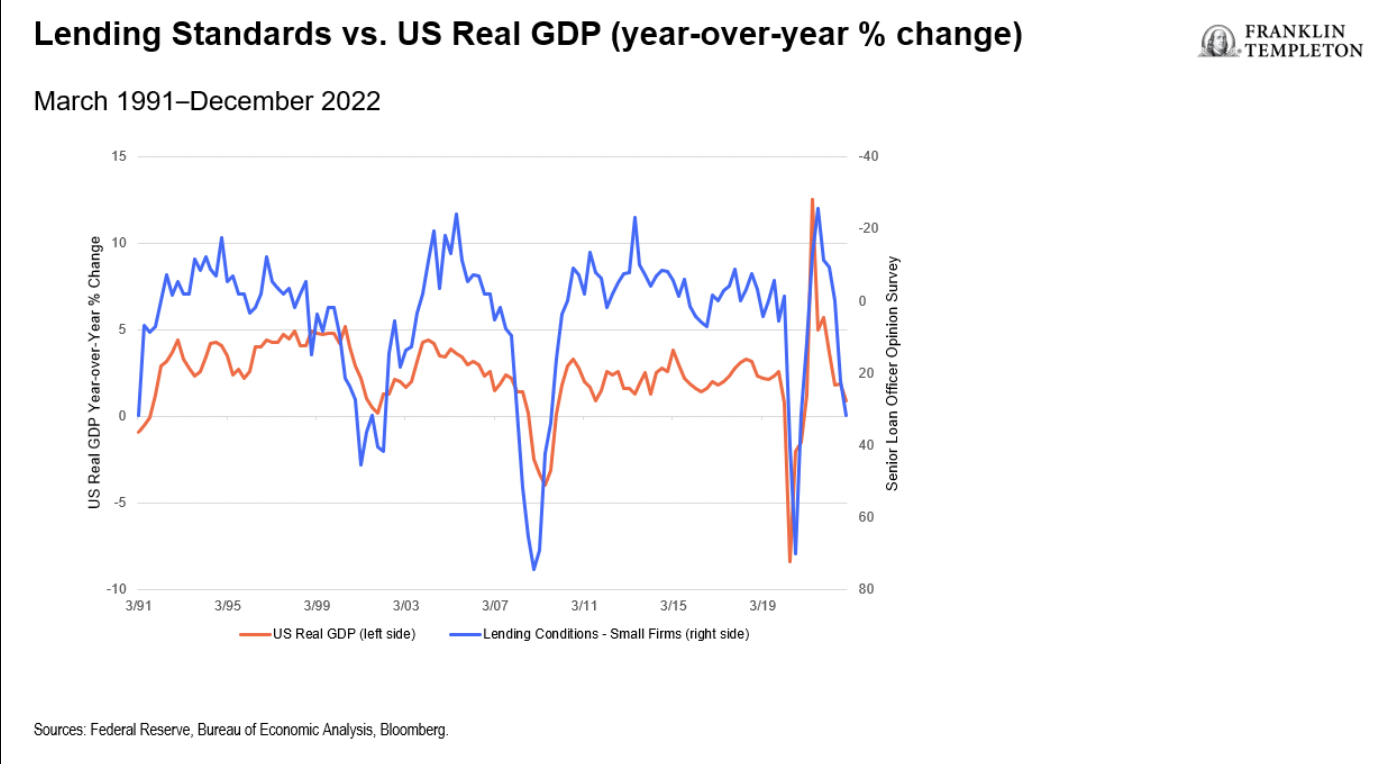
As central banks wrestle with how to respond to volatile economic data and banking turmoil, while also fighting inflation, Franklin Templeton’s economists provided their perspectives on what’s next for economic growth, interest rates, inflation and fixed income markets.
“Thinking the Unthinkable.” What does that phrase bring to mind? To me it suggests a situation that has become so stressed you are forced to consider undesirable solutions.
There are very few superstars who didn’t protect and manage their time well. But there are many others who live with disorganization every day and wonder why they can’t hit their goals.
Gold appears to be well-positioned for a strong pump that could carry it to new all-time high prices in 2023—and beyond. As you know, I’ve been following and writing about the precious metal market for a very long time, and I see a number of unique catalysts at the moment that could contribute to higher gold prices.
Here are six compliance-friendly ways to incorporate social proof into your website to establish trust and capture new leads.
The economic signals and a host of geopolitical risks confronting investors suggest that 2023 could be as challenging as 20022 for both stocks and bonds.
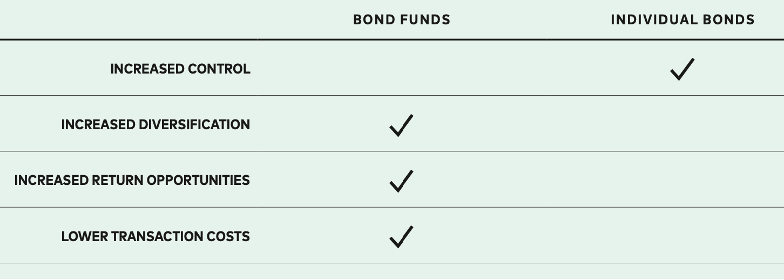
Should investors build their own portfolios of bonds, or buy shares of bond funds? Is there an economic difference or just one of appearance? Are directly held bonds safer because they mature, and you get your money back? How should one decide?
I am drained having my colleagues and team members come to me with problems because of their frustration with my company.
A Singapore-based fintech investment firm is close to raising $100 million to back finance and blockchain startups in China and Southeast Asia.
We have been reminding everyone that we believe we are unwinding a financial euphoria episode that Charlie Munger called the biggest of his career, “because of the totality of it.”
Franklin Templeton Investment Solutions explores the shared macro concerns that set the stage for the recent banking crisis, its ripple effects on the broader economy and implications for multi-asset investing.
Sixty-six million Americans currently receive monthly benefits from Social Security, which, if nothing changes, is expected to be insolvent by 2035 at the latest. It’s time for Americans to take a greater role in their own retirement planning.
Fears of bank runs precipitating a broader financial crisis helped spark a surge in bullion buying this week.
Although the dust has not yet settled, we think it’s a good time to pause and consider the implications of the recent Silicon Valley Bank (SVB) collapse.
I meet many advisors who prioritize work over family and productivity over relationships. There’s a better way.
The extreme “tail” risk ahead may be disorienting.
When it comes to value, you can’t deliver too much. Here are five ways to deliver even more value to your clients this week – without beating them over the head.
VettaFi’s Tom Lydon discusses the ETF impact of SVB’s collapse, oral arguments in Grayscale’s SEC lawsuit, year-to-date ETF flows, and a Vanguard milestone. Roundhill’s Dave Mazza previews their upcoming lineup of “BIG” ETFs, which offers highly concentrated exposure to specific market sectors. SoFi’s Tobin McDaniel explains their unique approach to ETFs, including the “crowdsourced” SoFi Social 50 ETF (SFYF).
Here is some research on why our clients built a sizable portfolio while others had high income but little savings. I’ll address specifics on how to get savers to enjoy their money.
With the most sell ratings in the Nasdaq 100 Stock Index, Intel Corp. is running ever lower on fans. Things have gotten so bad that even analysts brave enough to recommend buying are striking a cautious tone.
The planet’s billionaires are nearly $2 trillion poorer this year!
As automakers seek stakes in lithium miners to lock in supplies for electric-vehicle batteries, they’re following a path already forged by their shareholders.
Lufthansa’s blockbuster report is just the latest signal that commercial aviation, one of the hardest-hit industries during the pandemic, may be ready to make a landing again in investors’ portfolios.
We just finished up our annual report on the $20 billion club, and we've concluded that 2022 was a weird year for pension plans.
Medical Properties Trust’s dividend at the 2022 rate of $1.16 is safe even if Prospect, its third-largest operator, does not pay a single cent in 2023.
Stop burning up fuel and generating heat in the lower gears, doing general marketing activities that only attract more non-ideal clients and overload your system.
Wall Street’s vaunted leveraged finance desks are reeling. Billions of dollars in losses on mistimed loans have forced them to dramatically scale back lending, leaving the private equity firms that rely on them to help fund acquisitions in a bind.
The S&P 500 is rising after falling the past four sessions as equites have shown some volatility amid festering uncertainty regarding the ultimate economic impact of aggressive global central bank tightening.
Some of the world’s largest economies ramped up calls to increase support to troubled emerging countries ahead of a Group of 20 finance chiefs meeting.
On February 5, 2023, Charlie Munger sat down as the Chairman Emeritus of the Daily Journal Corporation (DJCO) to answer questions from shareholders and the public.
The common narrative is that we’ve (the US) been enjoying a long period of globalization and now that it is going into reverse, it will upend many of the benefits brought by globalization, to the US in particular.
Microchips are the foundation of the modern economy, but what are the geopolitical implications of this new power player? In this episode of The Active Share, Hugo spoke with Tufts University associate professor Chris Miller, author of the book Chip War: The Fight for the World’s Most Critical Technology, about the decades-long, globe-spanning battle to control one of the world’s most critical resources.
From Home Depot Inc. to Walmart Inc., the biggest US retailers are about to grab the earnings spotlight, providing investors crucial insight into consumer demand, the trajectory of economic growth and Corporate America’s profitability.
Federal Reserve officials like to call their decisions “data dependent.” Business leaders say it a little differently, often “data driven.” The point, in both cases, is something like: “We consider relevant data when making important decisions.”
The US Supreme Court is poised to hear a case that could spell danger for the internet’s most lucrative business: online advertising.
What is social death, and how can you harness it in your marketing?
The US government is exploring narrowly focused trade pacts on critical minerals with Japan and the UK, in addition to talks with the European Union, the latest salvo in its push to counter Chinese influence in key sectors, officials familiar with the matter said.
Federal Reserve officials stressed the need to keep raising interest rates, including the potential for borrowing costs to peak at a higher level than previously expected amid ongoing price pressures.