For the past few years, regardless of price, there's been a buyer for every RIA seller. But that won’t continue.
Users of online payment apps like Venmo, Zelle, PayPal, Google Pay, and Apple Pay will be in for a complex transformation if the IRS has its way.
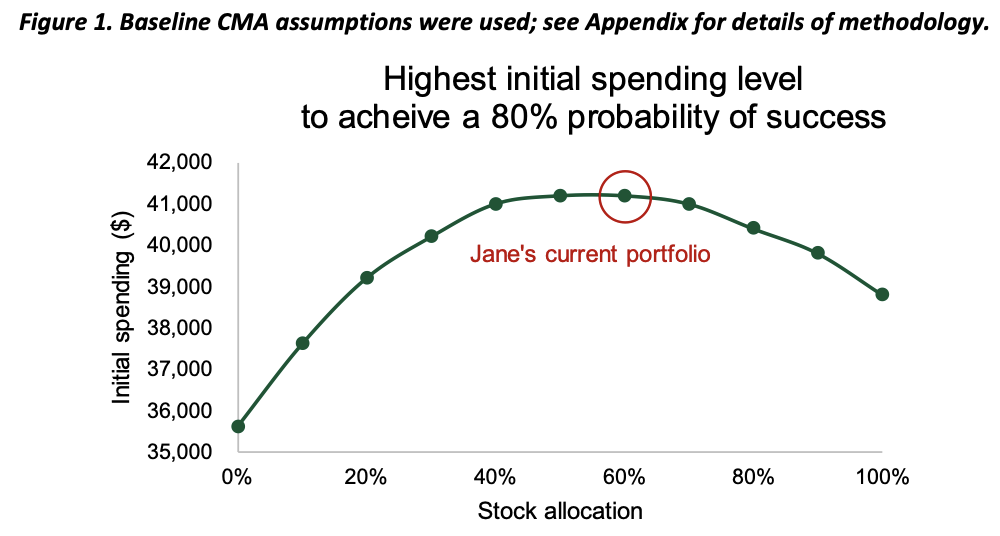
Probability-based retirement income strategies are highly sensitive to the capital market assumptions used in Monte Carlo analysis. Seemingly small changes in those assumptions can mean the difference between projecting a comfortable lifestyle and financial ruin.
VettaFi’s Todd Rosenbluth evaluates Nate’s 2023 ETF predictions. Axel Merk spotlights the Merk Stagflation ETF (STGF) and the VanEck Merk Gold Trust (OUNZ). ETF Think Tank’s Cinthia Murphy offers an inside look at the booming ETF white labeling business.
TMX Group Limited (TMX Group) announced today that it has made a strategic investment in VettaFi Holdings LLC (VettaFi), a U.S.-based, privately owned data, analytics, indexing, digital distribution, and thought leadership company.
Investors are bracing for a miserable stretch of earnings reports that will likely extend the dominance of value shares as Corporate America grapples with high inflation and rising borrowing costs, the latest MLIV Pulse survey shows.
When the Deepwater Horizon rig exploded in the Gulf of Mexico in 2010, triggering the largest-ever oil spill in the US, all eyes turned to BP Plc, the British company behind the drilling. But BP wasn’t alone in the project.
A wealth management business’ tech journey should begin with answering this simple question…
One of the biggest breakdowns has been in the relationship between stocks and bonds. Stock prices and bond prices are usually not correlated, meaning bonds can serve as the cornerstone of a hedge when stock prices waver and drop.
Commodities may seem like just another one of the bunch, but these products offer a unique way to invest your money in the market.
Consumption smoothing, the idea that individuals should budget to match savings and spending over their lifetimes, has been the subject of vast academic research. But a new study challenges basic assumptions and illustrates the divergence between financial theory and practical experience.
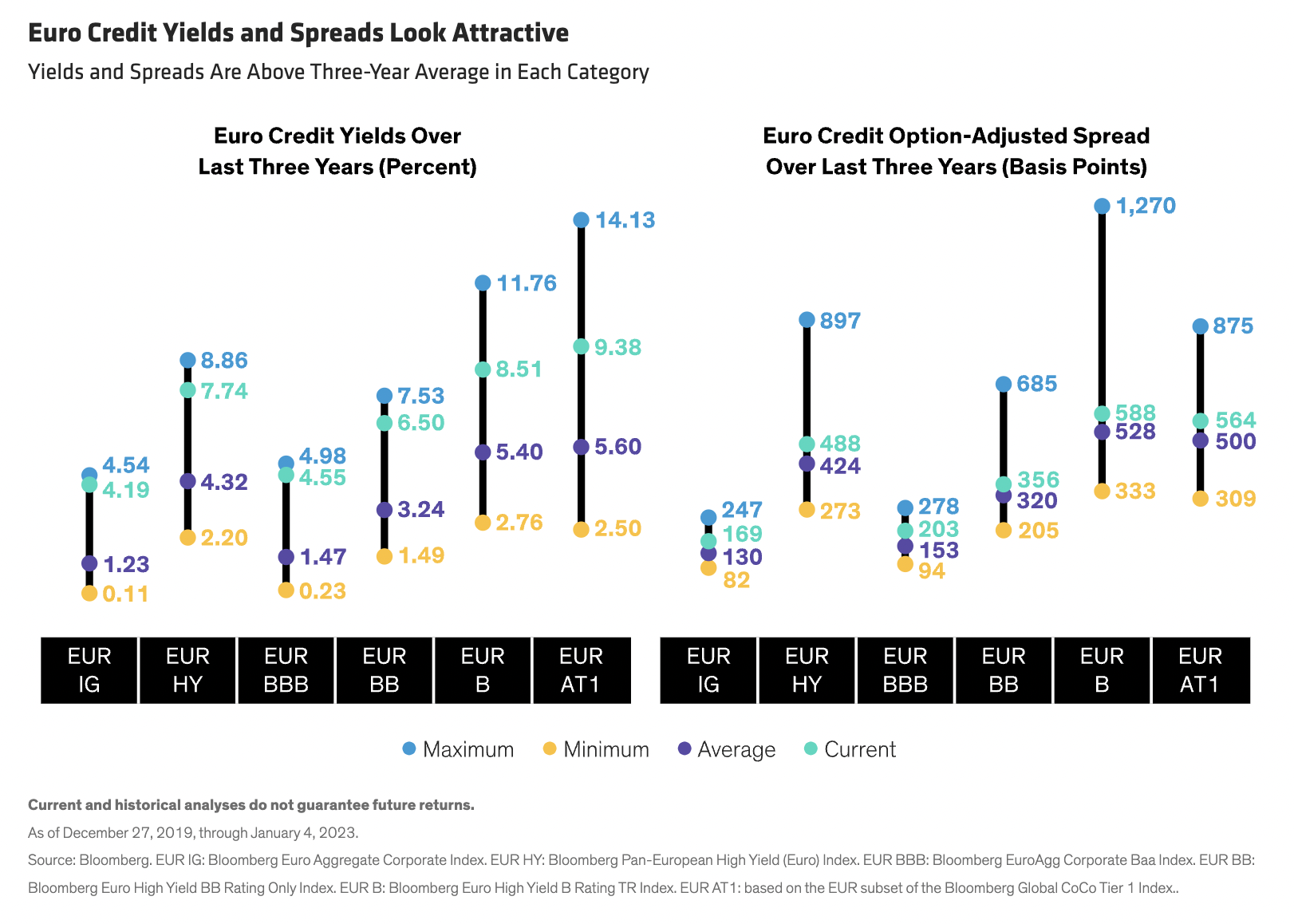
European bond-market performance was among the worst on record in 2022, as Europe ran the gamut of geopolitical, economic and market storms.
Learn trading techniques to better control pricing when buying or selling ETFs.
Review the latest portfolio strategy commentary from Mike Gibbs, managing director of Equity Portfolio and Technical Strategy.
Tesla Inc. shares kicked off the new year on an ominous note, buckling this week under renewed concerns about weakening demand for its electric cars, and sending its market value briefly below Facebook parent Meta Platforms Inc.’s for the first time in over a year.
Chinese equities have been on a tear in the first week of 2023, and investors are gearing up for more gains with consumer-related stocks expected to spearhead the surge.
The $6.5 trillion US ETF industry boomed in 2022 as innovative product debuts and market volatility fueled a near-record number of launches. But the fanfare revealed a major flaw in the space: the lack of women helming the funds.
Investors who use a 60/40 portfolio had a rough year. In the past, putting 60% in stocks and 40% in bonds has often helped investors hedge against losses in either asset class. But 2022 had other ideas.
Build your ladder with multiple target-maturity ETFs representing different segments of the bond market, with different target years.
In the rough year ahead, bonds might be one of the only bright spots. It would mark a dramatic turnaround from 2022, when bonds fell alongside almost every other asset class, posting their worst year in a generation.
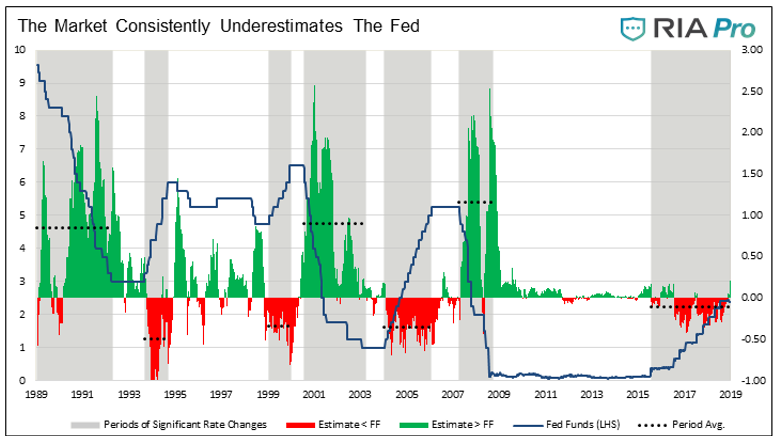
Federal Reserve officials Friday stressed further interest-rate hikes are needed to tame inflation even though there are emerging signs that price pressures are cooling.
Making the most of a bonus is always important, but 2022’s payout feels even more precious. Many workers, especially in finance and technology, are likely to see slimmed-down bonuses. Amid economic uncertainty, maximizing those dollars is crucial.
Optimists were still to be found in the world of US exchange-traded funds, where more than 400 new ETFs were launched despite a harsh bear market. Funds took in more than half a trillion dollars as more investors learned to embrace their easier-to-trade and tax-friendly structure.
There's only one thing you really need to know about investing in 2023, and it's both stunningly obvious and invariably forgotten: There's no free lunch.
One of the biggest hits in the $6.6 trillion exchange-traded fund industry last year has a worthy opponent in 2023: the bond market.
The U.S. economy continually showed its resiliency through a challenging year.
Investors are no longer turning a blind eye to risks facing Apple Inc., an about-face that has taken the iPhone maker’s market value below $2 trillion and threatens more pain for the stock in the months ahead.
Even after a year in which the vast majority of the wealthiest Americans lost a chunk of their fortunes — and in some cases, lost big — in at least one way, they’re still coming out ahead.
Chips shares took a beating last year.
U.S. equities are solidly higher in afternoon action, paring some of the losses that have plagued the start of 2023.
In our Quarterly Strategy Report, we illustrate the relative attractiveness of select developed international sectors.
2022 wasn’t the easiest of years to handle for investors.
Let's examine the three paths the Fed might take in 2023 and what they mean for stock prices.
Bob Doll, CIO at Crossmark Global Investments, provides his annual 10 predictions for financial markets.
Craig Burelle sets the stage for our Sector Teams' Outlook blog series with his views on the macro backdrop in 2023.
Although the latest CPI data showed that inflation is slowing, it is still the number-one concern for clients. Investors are worried about the Fed’s reaction to interest rates, economic turbulence, and a potential recession. My guest today is here to discuss four topics:
The collapse of FTX and the charges against Sam Bankman-Fried have brought many renewed calls for crypto regulation, from both commentators and legislators.
An OCIO can deliver vastly expanded investment capabilities while seamlessly alleviating the burden of investment infrastructure, operations back-office, and administrative tasks, freeing up advisors’ time for vital client-facing and relationship-building activities.
Quarterly commentary giving an overview of the markets and the importance of having and implementing a strategy when investing in the markets.
Dave Nadig, Financial Futurist at VettaFi, previews the upcoming year in ETFs and the financial markets. Dave also discusses potential implications of longer-term asset management trends including crypto, ESG, direct indexing, and the rise of passive.
I’m looking over my previous “trends” article, published at this time a year ago, and some of my ”fearless predictions” were outlandish then but now seem ordinary. That means I did something right.
Switching broker-dealers/RIAs is a monumental decision for financial advisors. This white paper will teach you how to successfully evaluate potential B-D/RIA partners and find the perfect fit for your financial practice by sharing valuable insights and advice from advisors who’ve been through the process of switching firms.
U.S. equities closed out 2022 in the red, and all three major indexes registered solid losses on a yearly basis. The stock market posted its worst yearly decline since 2008.
The health of borrowers is the key concern for all of finance in the coming year.
As 2022 draws to a close, it’s natural to think about what to expect from 2023. I’m primarily interested in technology.
Goldman Sachs Group Inc. is working on a fresh round of job cuts that will be unveiled in a matter of weeks, Chief Executive Officer David Solomon said in his traditional year-end message to staff.
George Milling-Stanley of State Street Global Advisors provides his outlook for gold in 2023, as well as the specific headwinds and tailwinds he expect to drive price activity moving forward.
Any way you slice it, 2022 was a turbulent year, from Russia’s invasion of Ukraine to historic inflation and jumbo rate hikes to multiple failures in the digital asset space.
Much ink has been spilled over the death of the 60/40 portfolio.
VanEck is liquidating two Russia exchange-traded funds nearly a year into Vladimir Putin’s invasion of Ukraine.