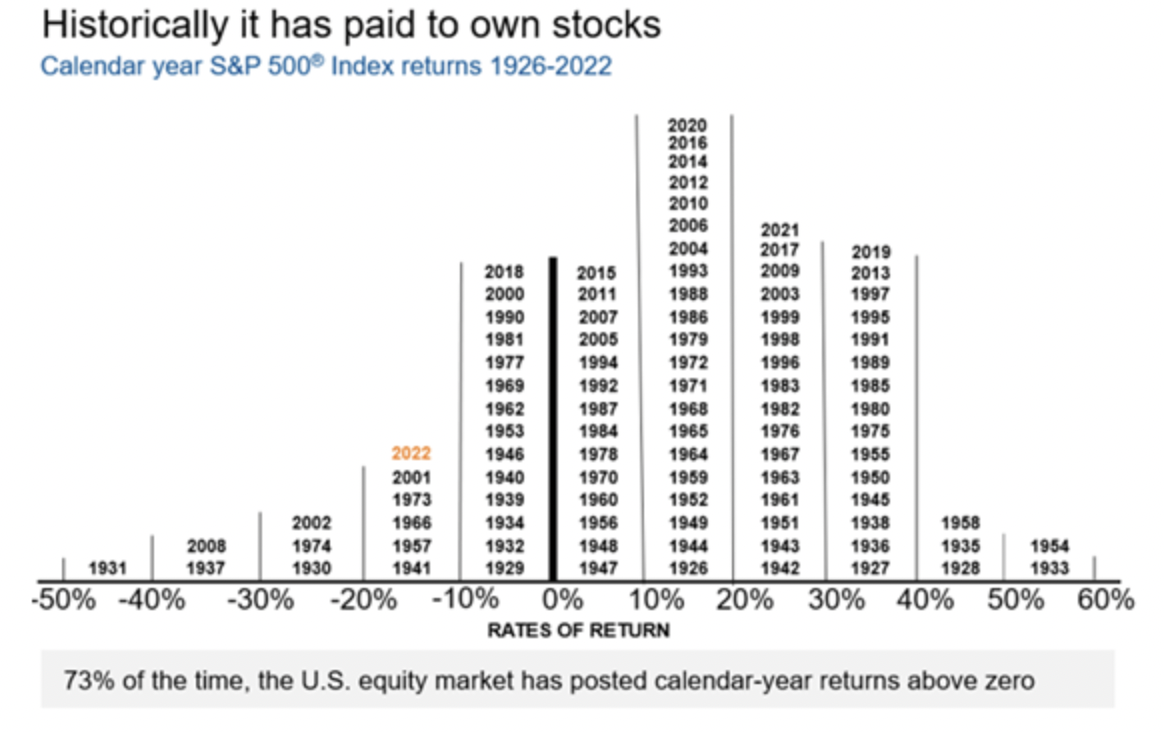
The S&P 500 is rising after falling the past four sessions as equites have shown some volatility amid festering uncertainty regarding the ultimate economic impact of aggressive global central bank tightening.
Bond markets are pricing in additional Federal Reserve interest rate hikes, acknowledging the central bank’s emphatic resolve to tame inflation despite the likely trade-offs.
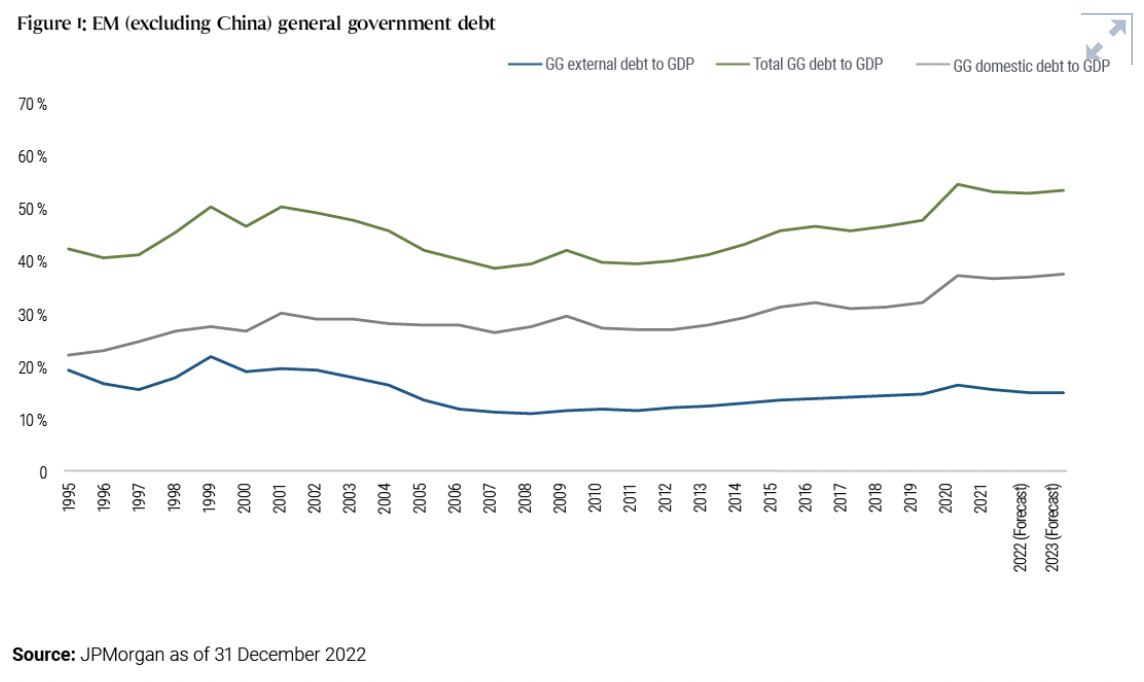
Some of the world’s largest economies ramped up calls to increase support to troubled emerging countries ahead of a Group of 20 finance chiefs meeting.
MPW’s dividend is safe.
The world of exchange-traded funds — still synonymous with passive investing — is turning into a battleground for Wall Street’s biggest players as they compete for a slice of the active-management industry.
Global bonds are poised to erase all of the gains they made in their best start to a year on record.
The economics behind the “super OSJ” brokerage model are unsustainable. Those firms are destined to transition to RIAs.
The common narrative is that we’ve (the US) been enjoying a long period of globalization and now that it is going into reverse, it will upend many of the benefits brought by globalization, to the US in particular.
What can we, as advisors, do to promote healthy finances?
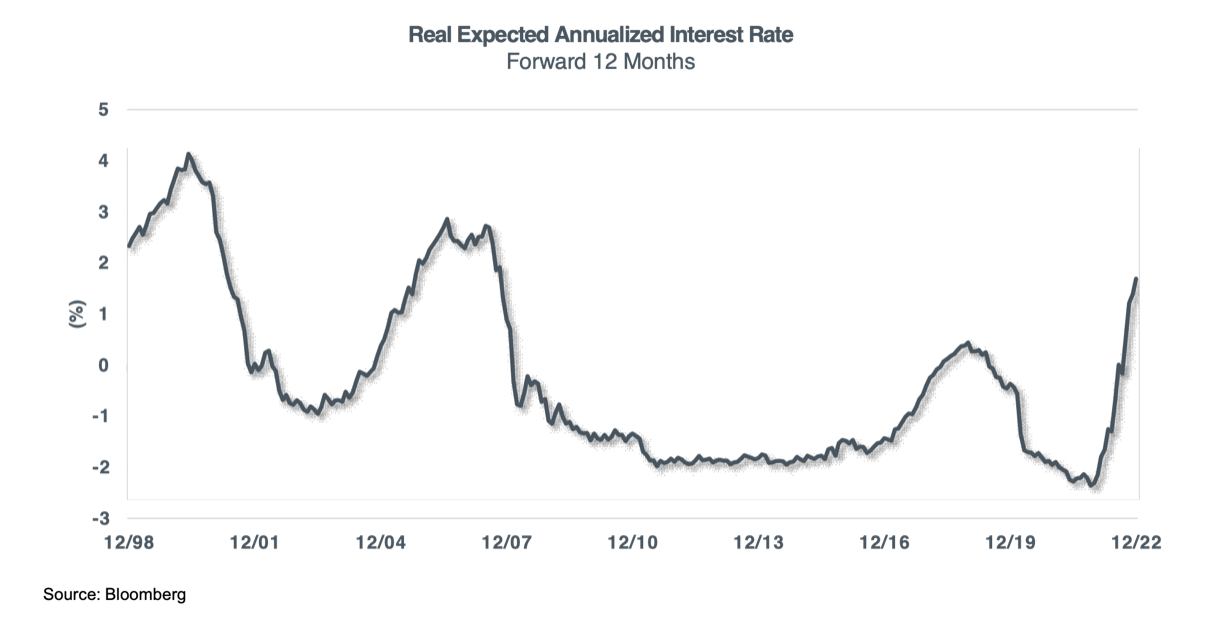
A swift reassessment of how high the Federal Reserve will raise interest rates this year has rocked the bond market in recent weeks.
With the consumer price index increasing during the last few years at a rate not seen for nearly 40 years, the investing challenge for the coming year is finding ways to generate real returns during exceptionally high inflation.
A malinvestment bubble has persisted for years, sucking in a considerable amount of capital from many sources.
Although most of the SECURE 2.0 changes won’t take effect until 2024 or later, there are things that advisors should keep in mind, particularly for clients who fall into one of these three broad categories: retirees, savers, and small-business owners.
For the first time in nearly two decades, investors can earn more than 5% on some of the safest debt securities in the world. That’s competitive with riskier assets like the S&P 500 Index.
US homes in areas prone to floods may be currently overvalued in the range of $121 billion to $237 billion, according to a report published Thursday in the journal Nature Climate Change.
Investors continue to seek signs of a change in season—and clues about how the Federal Reserve might react to it.
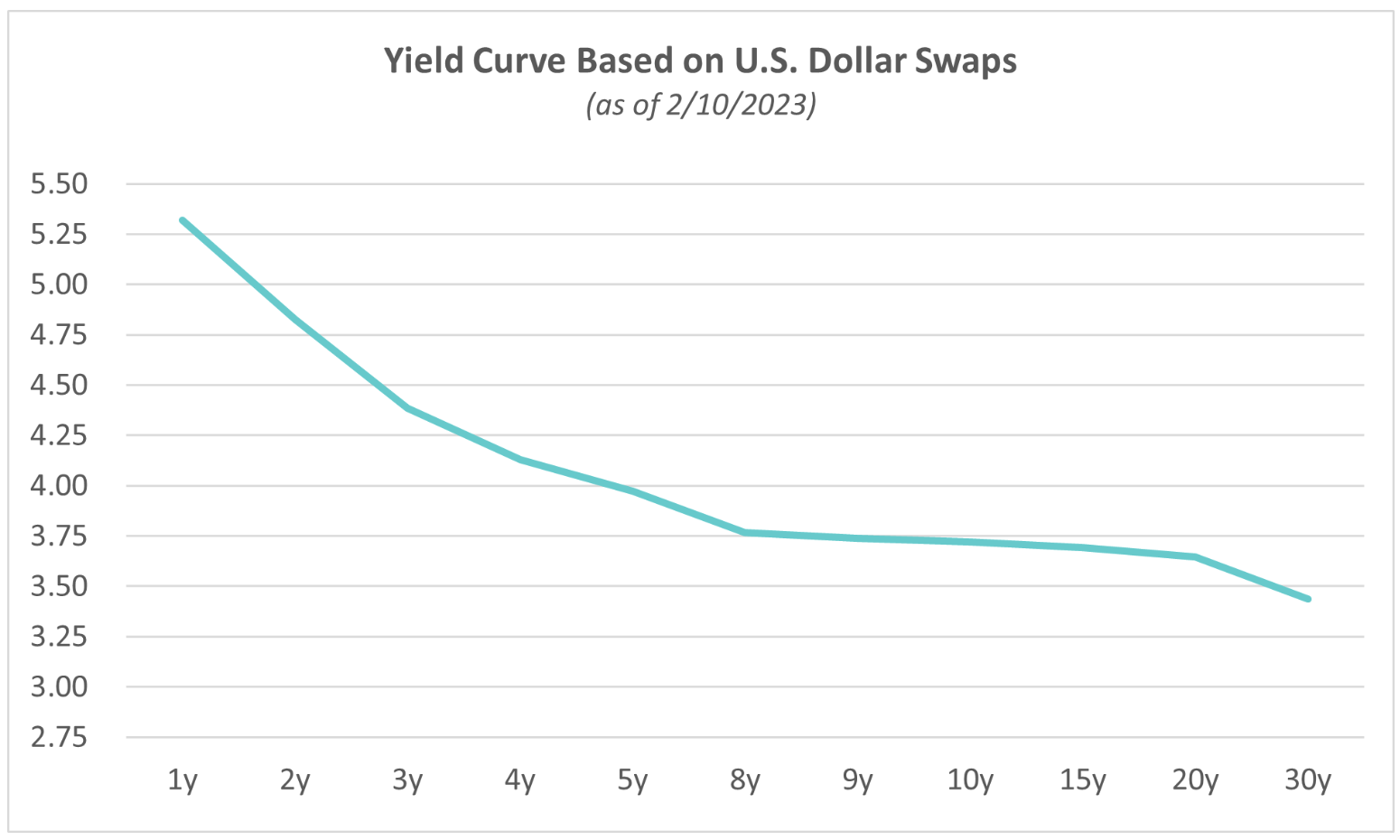
Many investors have attempted to capitalize on the inverted yield curve by purchasing long-term Treasuries (assuming continued declines at the long end will cause their bonds to appreciate). In his latest commentary, Venk Reddy, CIO of our Sustainable Credit Strategies, explains why he feels this approach is materially riskier than investing in short duration fixed income.
Gold is nearing its strongest buy signal in four months as the U.S. dollar eases off a rally that’s carried the greenback to its highest point since early January.
Here are some places where the genuinely rich keep their money.
There are several ways to include philanthropic giving in your estate plan. Here are five common options.
Last week, we discussed why the more bullish technical formations were at odds with the many recession forecasts.
Surging bond yields have been rattling investors for a year. Why they’re a problem for people hooked on an asset as volatile as equities can be seen by juxtaposing stocks with some of the safest securities in the world.
Morgan Stanley has picked an interesting moment to press ahead with expanding its offering of ESG-themed funds.
Advisors who have business owners as clients need to adapt their discovery process and service plans to help these independent and resourceful investors.
Drew O’Neil discusses fixed income market conditions and offers insight for bond investors.
Most think so.
Like all trusts, a charitable trust is a legal entity that you create for the purpose of holding and managing assets. The trust is wholly separate from you. It owns any assets it holds, pays taxes and requires management just like any other legally recognized entity.
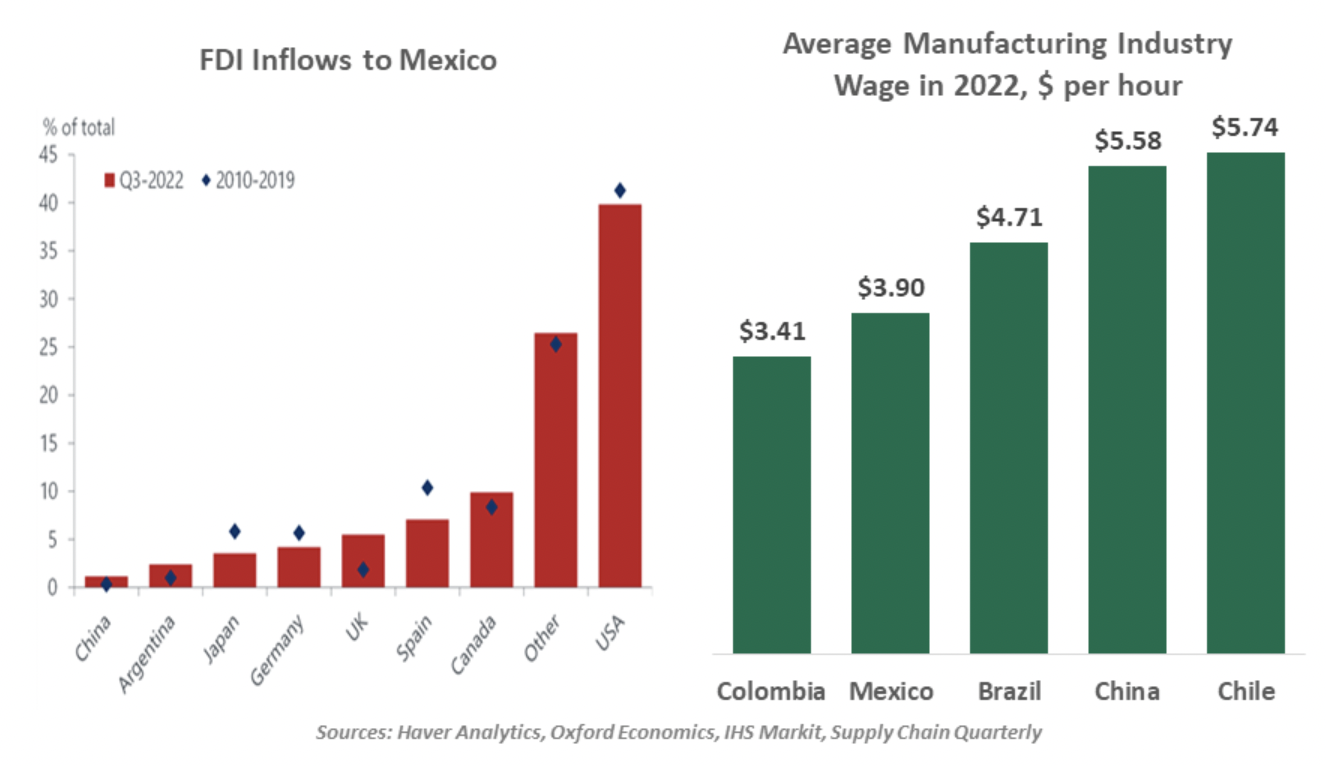
Mexico is downstream of shifting trade winds.
Following the 25 basis-point (bp) increase that the Fed announced on February 1, 2023, Franklin Income Investors Chief Investment Officer Ed Perks answered questions about his outlook on US interest rates as well as fixed income and equity securities for the rest of 2023.
The United States must grasp the opportunity that the money revolution has made possible by undertaking a government-financed investment program in 21st century industries and technologies on such a large scale that it would be certain to succeed.
It is far easier to engage people and reach them at an emotional level with video than with any other medium.
ETF Prime Host Nate Geraci is joined by VettaFi’s Dave Nadig and VanEck’s Jan van Eck to explore concerns around the growing concentration of corporate voting power among several large fund companies. Newfound Research’s Corey Hoffstein spotlights the Return Stacked Bonds & Managed Futures ETF (RSBT).
For months now, an uneasy truce has prevailed between the Federal Reserve and stock investors.
Chinese-based technology sits behind some of the world’s most powerful companies – Baidu, Alibaba, WeChat, and Tencent, the subject of a new book. That has created immense wealth for a few bold entrepreneurs, but new policies by the Chinese government aim to reduce that wealth inequality.
After withstanding a multitude of global challenges last year, emerging markets look poised for improvement as inflation recedes and the path of monetary policy comes into view.
Assumptions can be wise or unwise. They can be unduly optimistic or excessively pessimistic. Slightly different assumptions can produce giant changes in predicted outcomes. Assumptions are necessary but we shouldn’t make them lightly, nor forget we are making them.
For the nearly 2,000 attendees of the ETF Exchange conference, a lot has changed in a year.
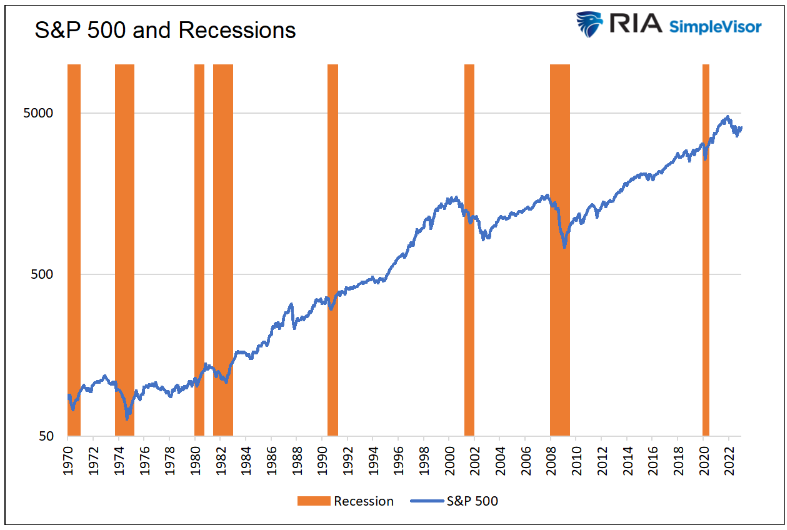
Despite mounting evidence supporting recession forecasts, the stock market remains at odds with that outlook.
Transparency and honesty are not the same, though both are essential for establishing trust.
The Loomis Sayles Mortgage & Structured Finance Sector Team shares insights on consumers, real estate markets and more.
Suppose recession warnings, such as the yield curve and manufacturing surveys, prove prescient, as they reliably have. In that case, this will be a rough year for the Goldilocks soft-landing believers.
The aftermarket auto parts industry has been dominated by fast-growing growth stocks O’Reilly automotive and AutoZone.
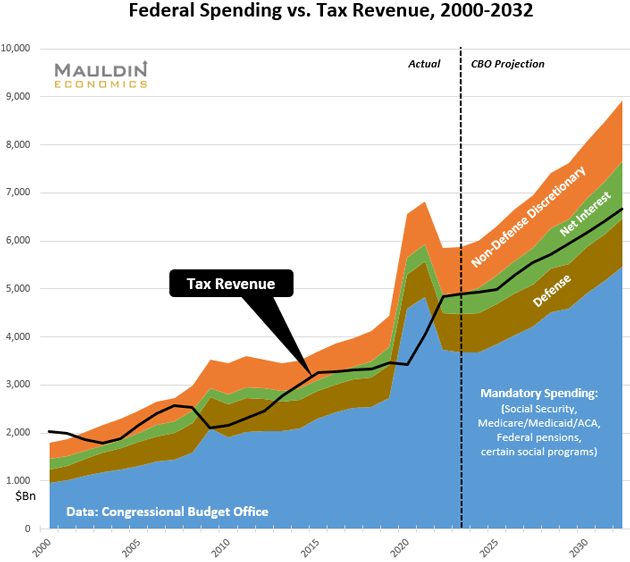
The federal budget deficit is widening rapidly, according to the latest estimates by the Congressional Budget Office, raising the risk of the Treasury running out of cash earlier than expected amid a debt-ceiling standoff.
Read Michael Contopoulos' latest report highlighting opportunities outside of Investment Grade corporate bonds and why one does not need to own credit to generate income at the moment.
Last year, 2022, the 10-year bond yield rose 225 basis points, delivering record losses to bond investors. Equities were not much better, as the S&P lost 18.11% of its value. But this year has been different. The 10-year yield is down 27 basis points, and the S&P 500 is up 6.08%. Here to discuss whether those rallies in stocks and bonds will continue, and how advisors can protect portfolios from the volatility that we saw last year is Tim Urbanowicz.
One of many things to break in last year’s market rout was a decade-long stretch in which gains in stocks overwhelmed gains in wages.
With the new year in its infancy, it may be too early to think about where to spend Thanksgiving or booking your car’s fall tune-up.
Doug Drabik discusses fixed income market conditions and offers insight for bond investors.
US workers are clearly feeling the strain of economic uncertainty, according to Franklin Templeton’s third annual “Voice of the American Worker” study.