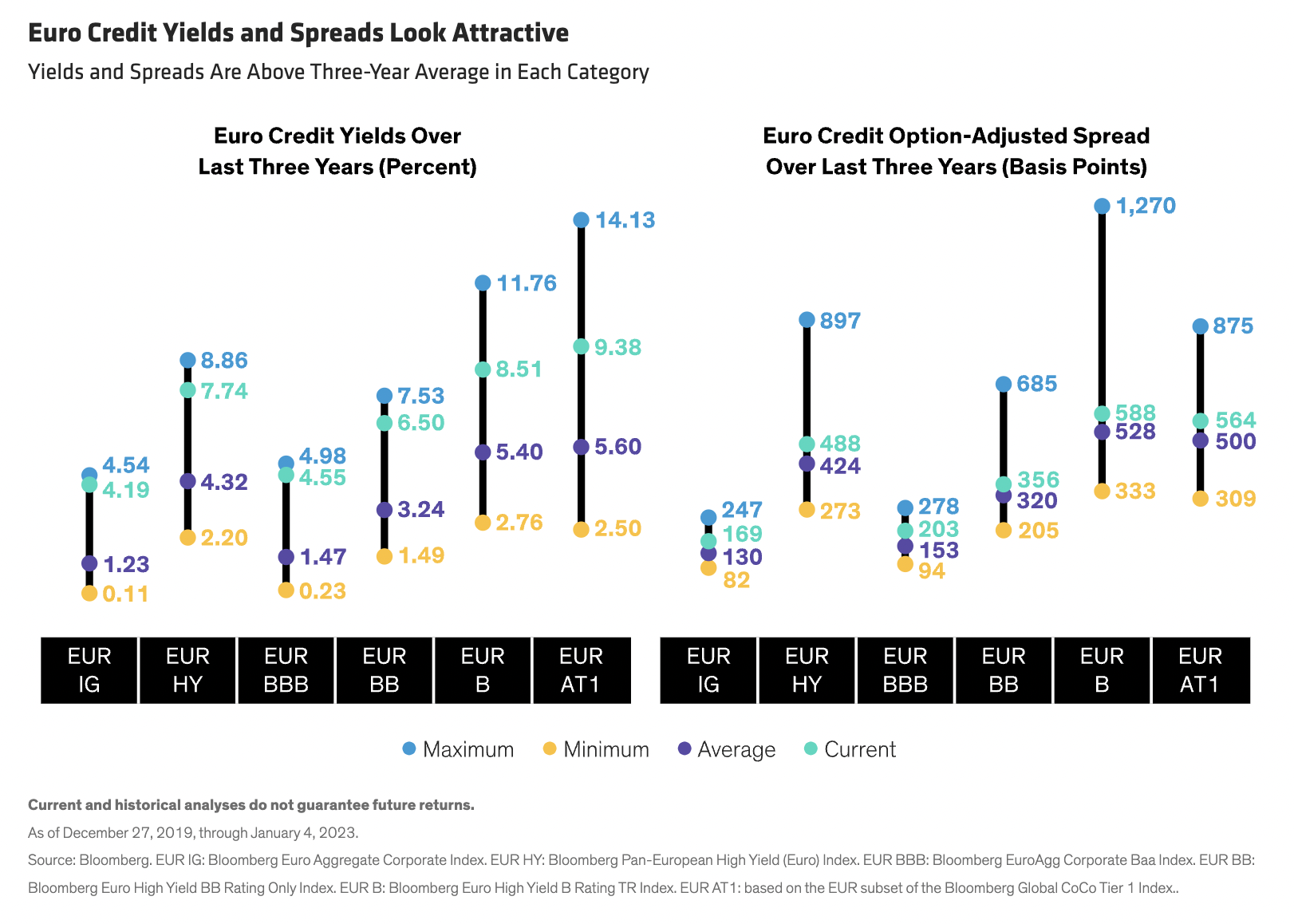
European bond-market performance was among the worst on record in 2022, as Europe ran the gamut of geopolitical, economic and market storms.
For many investors who started their investing journey following the financial crisis, forward returns will be disappointing compared to the last decade.
Review the latest portfolio strategy commentary from Mike Gibbs, managing director of Equity Portfolio and Technical Strategy.
An era of low inflation and low interest rates has ended.
Tesla Inc. shares kicked off the new year on an ominous note, buckling this week under renewed concerns about weakening demand for its electric cars, and sending its market value briefly below Facebook parent Meta Platforms Inc.’s for the first time in over a year.
Welcome to 2023. It’s Forecast Season on Wall Street, the time when everyone tells us what to expect for the new year. Do they really know? Of course not. Forecasters don’t know, investors know they don’t know, yet we all go through this exercise anyway.
Investors who use a 60/40 portfolio had a rough year. In the past, putting 60% in stocks and 40% in bonds has often helped investors hedge against losses in either asset class. But 2022 had other ideas.
This is my least favorite time of the year.
In the rough year ahead, bonds might be one of the only bright spots. It would mark a dramatic turnaround from 2022, when bonds fell alongside almost every other asset class, posting their worst year in a generation.
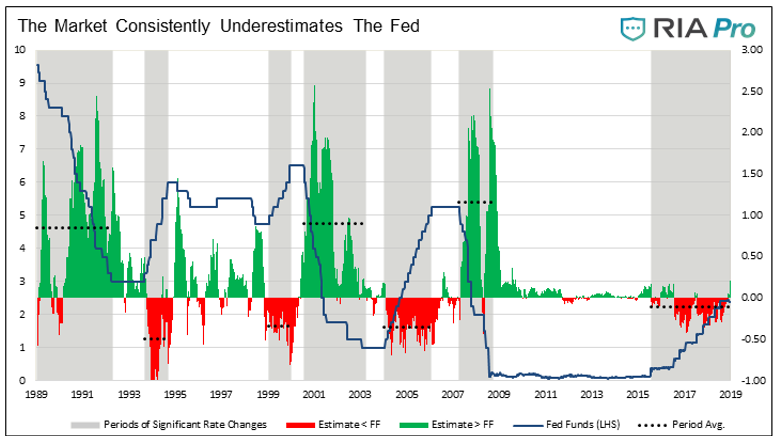
Federal Reserve officials Friday stressed further interest-rate hikes are needed to tame inflation even though there are emerging signs that price pressures are cooling.
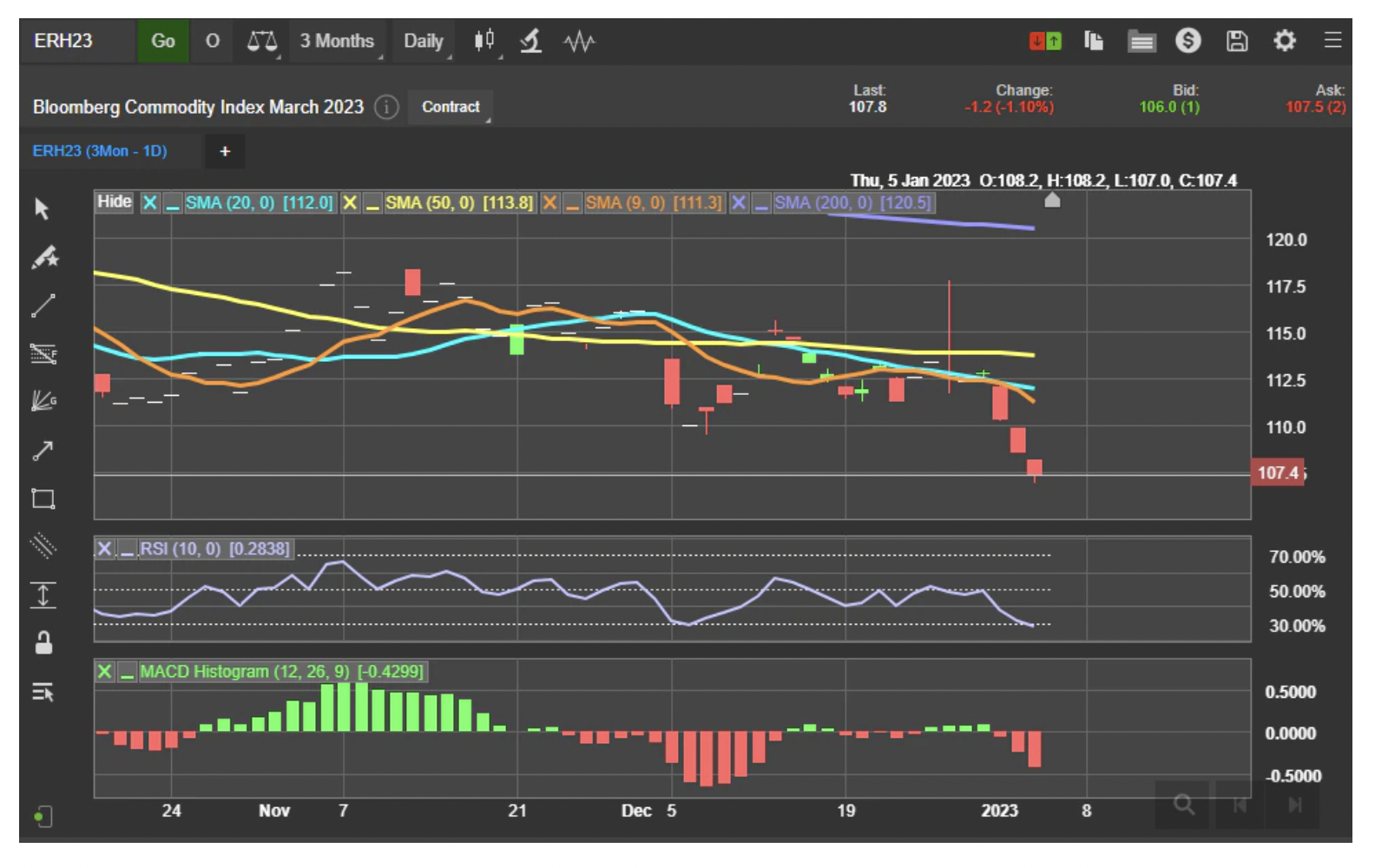
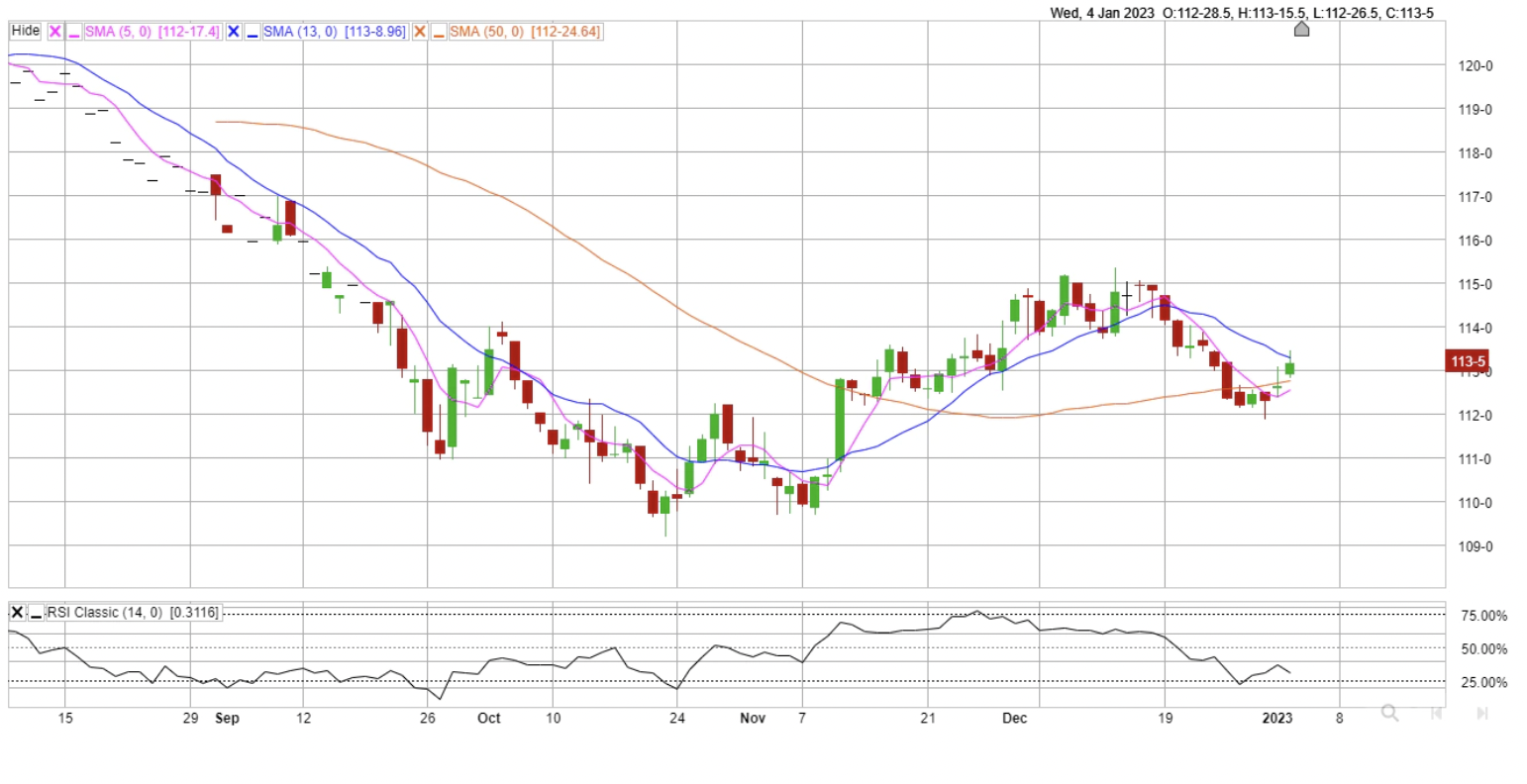
The March contract for the Bloomberg Commodity Index (ERH23) was down for the third consecutive day on Thursday. Since ending 2022 at 112.80, the contract is down 5.03 at 107.77.
Chief Economist Eugenio Alemán and Economist Giampiero Fuentes examine the factors which will contribute to the U.S. economy's path forward in 2023.
Making the most of a bonus is always important, but 2022’s payout feels even more precious. Many workers, especially in finance and technology, are likely to see slimmed-down bonuses. Amid economic uncertainty, maximizing those dollars is crucial.
European governments are set to unleash a deluge of bonds into markets this year. Investors will demand either a further shift higher in yields or a substantial improvement in the region’s inflation outlook to digest the coming wave of supply...
Optimists were still to be found in the world of US exchange-traded funds, where more than 400 new ETFs were launched despite a harsh bear market. Funds took in more than half a trillion dollars as more investors learned to embrace their easier-to-trade and tax-friendly structure.
Just recently, James Bullard, President of the St. Louis Federal Reserve, suggested the central bank might need to employ the “7% solution” to ensure the complete destruction of inflation.
There's only one thing you really need to know about investing in 2023, and it's both stunningly obvious and invariably forgotten: There's no free lunch.
One of the biggest hits in the $6.6 trillion exchange-traded fund industry last year has a worthy opponent in 2023: the bond market.
The U.S. economy continually showed its resiliency through a challenging year.
Bonds are bouncing into the new year after notching a record annual loss last year.
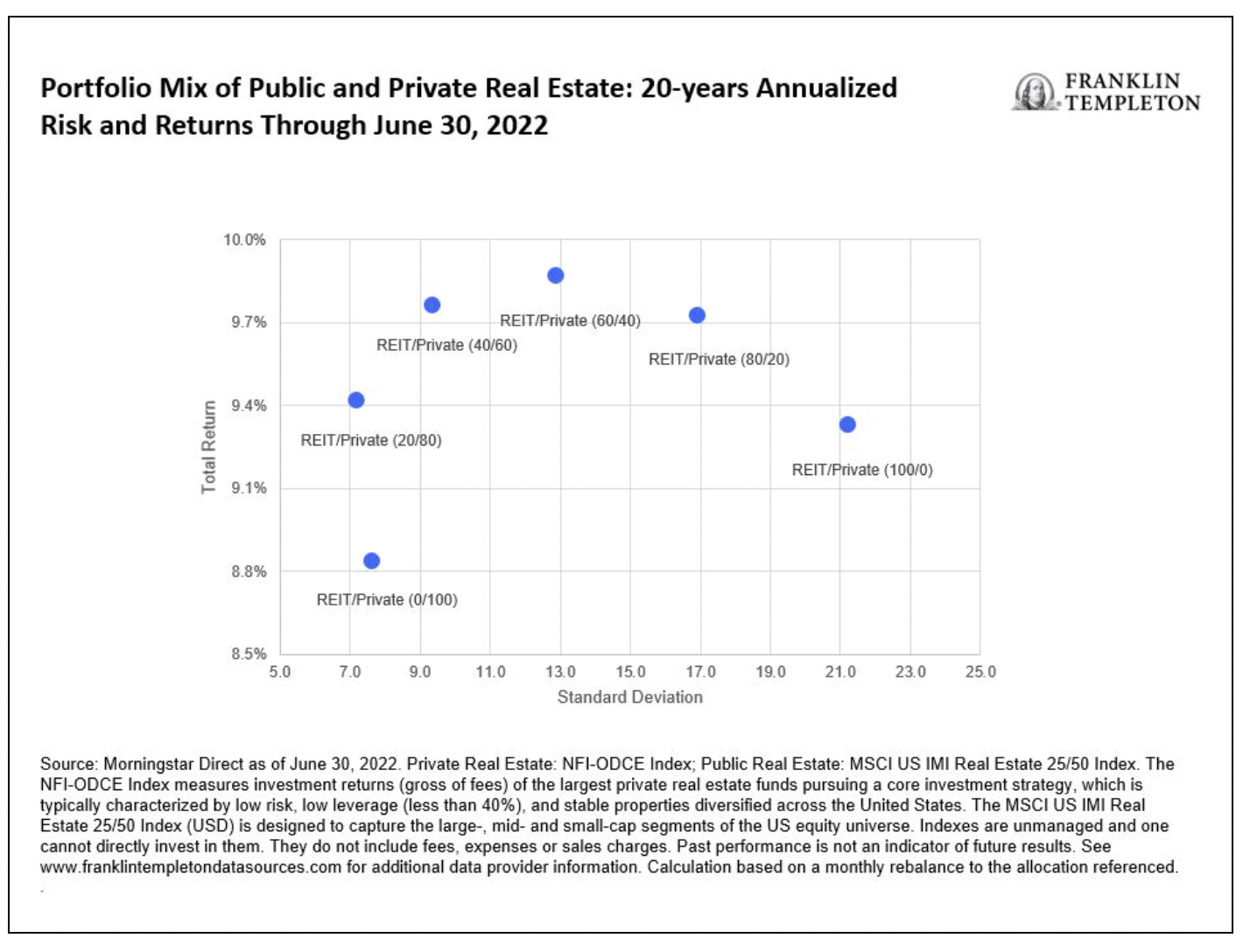
Public and private real estate investments present a compelling opportunity in the current environment of high inflation and rising interest rates, according to Daniel Scher and Blair Schmicker from Franklin Equity Group.
With inflation on the rise and the era of ultra-low interest rates over, financial markets will face a huge stress test in 2023.
Over the long-term, the fundamentals of the dollar suggest a downward bias is likely.
Economist Campbell Harvey has had a winning track record since he showed in his dissertation at the University of Chicago decades ago that the shape of the bond yield curve was linked to the path of US economic activity.
After the biggest loss for 60/40 portfolios since the global financial crisis, better days may lie ahead for the trillion-dollar complex of balanced investment strategies.
Even after a year in which the vast majority of the wealthiest Americans lost a chunk of their fortunes — and in some cases, lost big — in at least one way, they’re still coming out ahead.
The US stock market will bottom by the middle of 2023 as the Federal Reserve tamps down inflation without causing anything worse than a “mild” economic recession, according to Byron Wien’s annual list of surprises.
U.S. equities are solidly higher in afternoon action, paring some of the losses that have plagued the start of 2023.
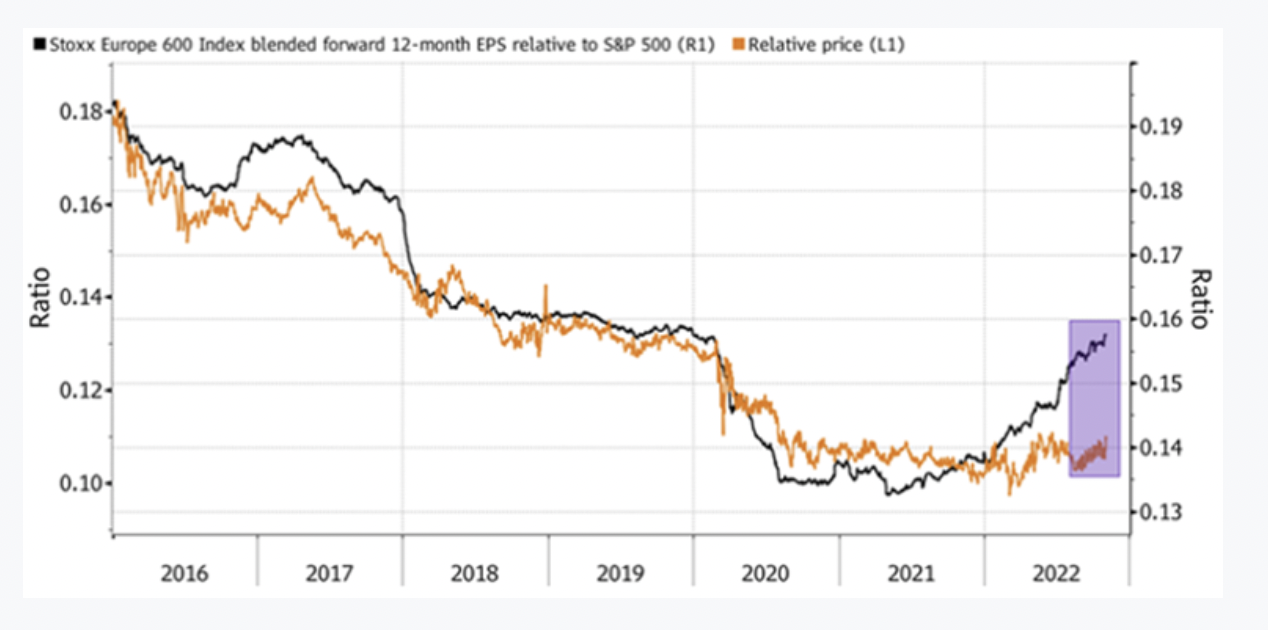
In our Quarterly Strategy Report, we illustrate the relative attractiveness of select developed international sectors.
2022 wasn’t the easiest of years to handle for investors.
Inflation was the bogeyman of 2022.
The economy faces dual threats: the inflation we can see and a recession we dread. When will we know whether we have won or lost either fight?
Let's examine the three paths the Fed might take in 2023 and what they mean for stock prices.
Bob Doll, CIO at Crossmark Global Investments, provides his annual 10 predictions for financial markets.
Craig Burelle sets the stage for our Sector Teams' Outlook blog series with his views on the macro backdrop in 2023.
Although the latest CPI data showed that inflation is slowing, it is still the number-one concern for clients. Investors are worried about the Fed’s reaction to interest rates, economic turbulence, and a potential recession. My guest today is here to discuss four topics:
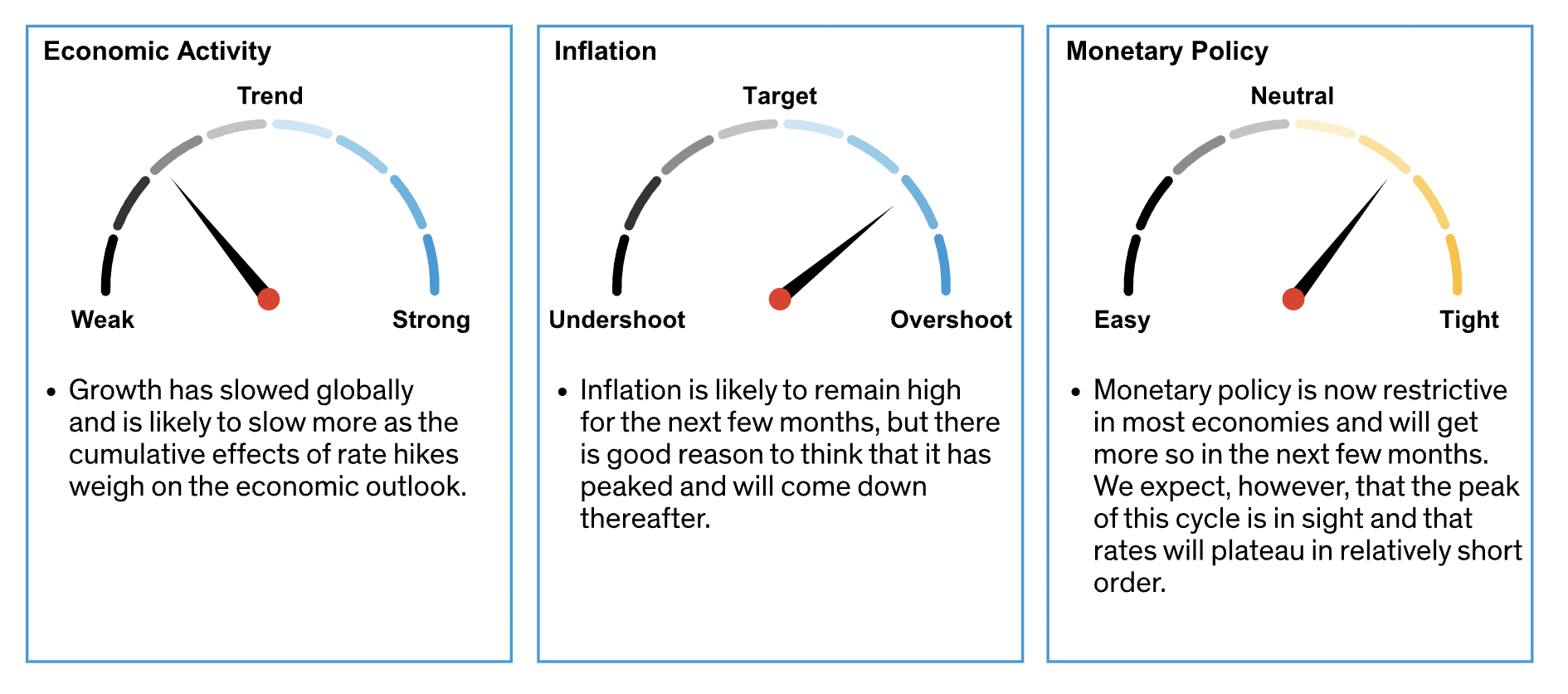
After a year defined by inflation and the policy response to it, we expect 2023 to be a year of transition.
US auto sales likely rose in December and will rebound in the new year as a recovery in vehicle production will more than offset the effects of inflation and rising interest rates.
US Treasuries headed for the strongest start to a year in more than two decades as investors scooped up government debt on wagers the Federal Reserve will further slow its pace of rate hikes as inflation cools.
In some ways, the 2023 economic outlook for the US is locked in. The Federal Reserve’s goal is to push the rate of inflation back down to 2% over the next few years.
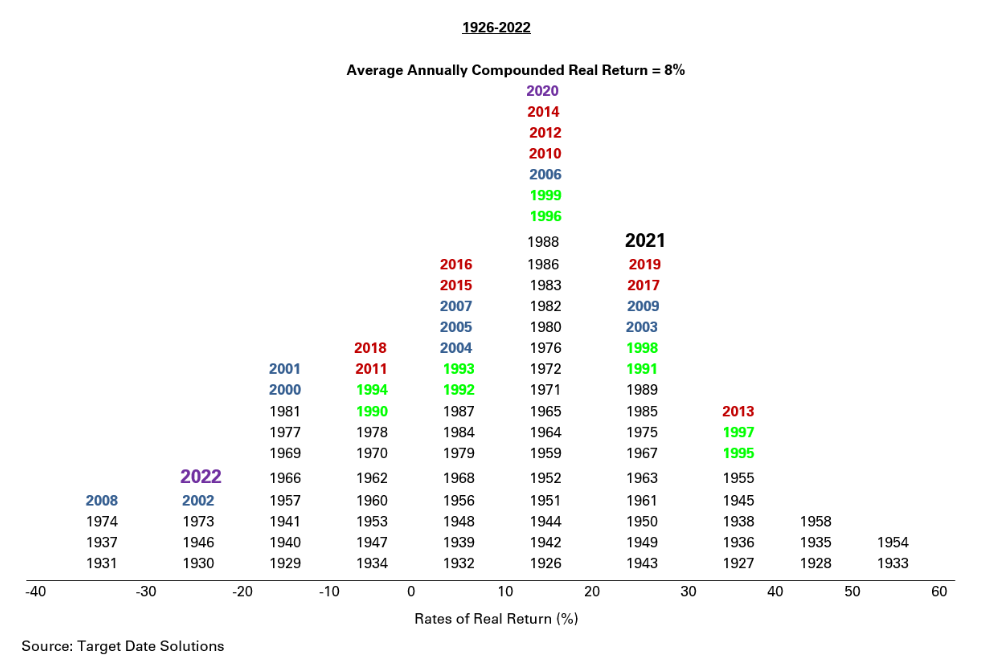
This past year was disappointing for stock and bond investors. The real 25% loss in stocks was in the bottom decile and the real 20.3% bond loss is the worst in the past 97 years. Greater losses lie ahead.
Relative to the accumulation phase, strategies that mitigate the unique risks faced by retirees in decumulation are less understood and researched. By identifying and illustrating those risks, planners can better prepare clients for retirement.
Quarterly commentary giving an overview of the markets and the importance of having and implementing a strategy when investing in the markets.
Advanced economies and emerging markets are increasingly engaged in necessary "wars" – some real, some metaphorical – that will lead to even larger fiscal deficits, more debt monetization, and higher inflation on a persistent basis.
Nikko Asset Management’s Global Investment Committee recently got together to discus their views heading into 2023.
Dave Nadig, Financial Futurist at VettaFi, previews the upcoming year in ETFs and the financial markets. Dave also discusses potential implications of longer-term asset management trends including crypto, ESG, direct indexing, and the rise of passive.
Billionaire philanthropist Chuck Feeney is credited with saying, “I want the last check I write to bounce.” While that is ideal, it’s unrealistic. Or is it?
I’m looking over my previous “trends” article, published at this time a year ago, and some of my ”fearless predictions” were outlandish then but now seem ordinary. That means I did something right.
U.S. equities closed out 2022 in the red, and all three major indexes registered solid losses on a yearly basis. The stock market posted its worst yearly decline since 2008.
The health of borrowers is the key concern for all of finance in the coming year.