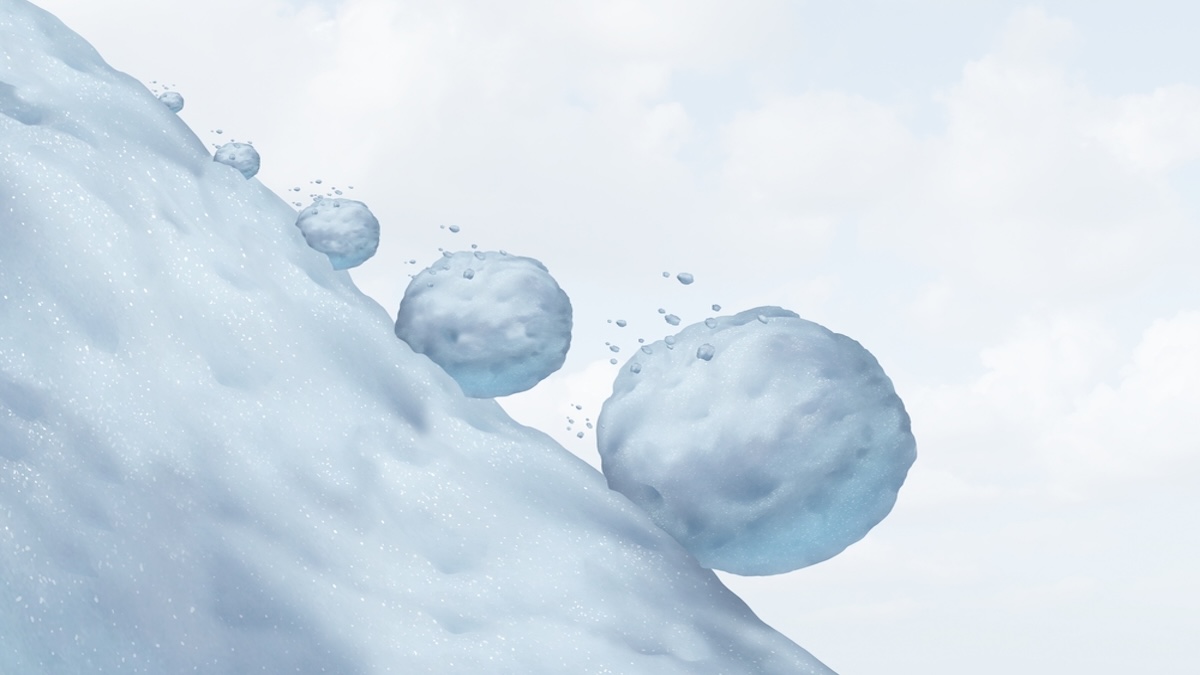
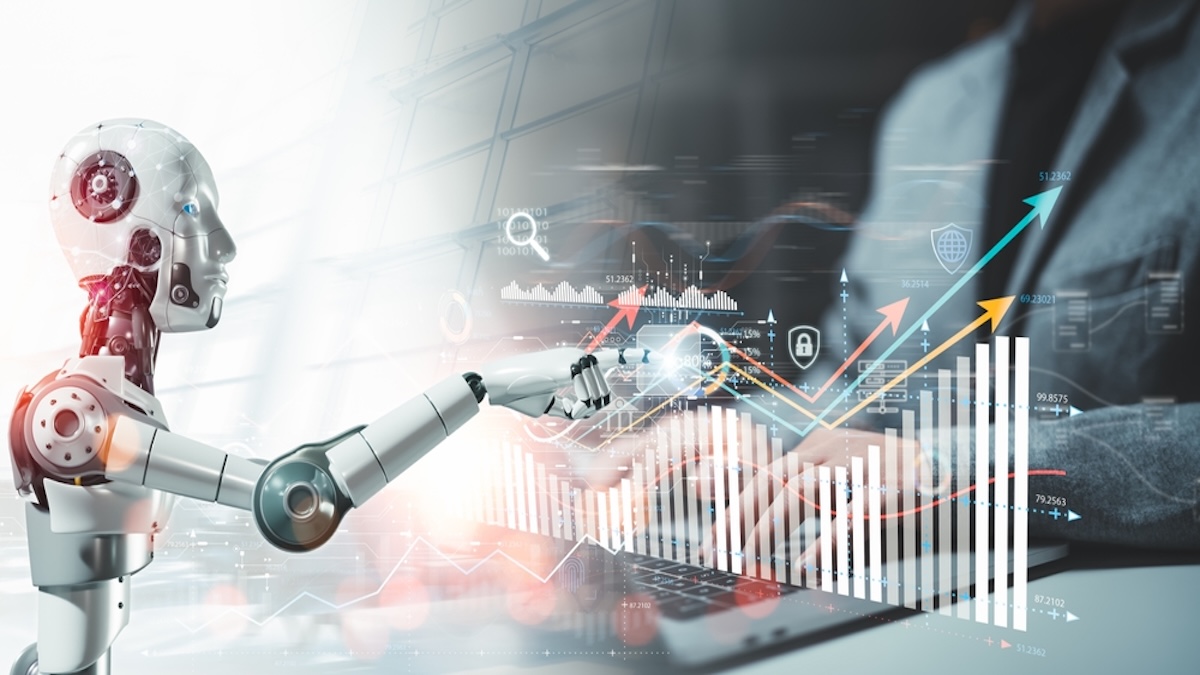
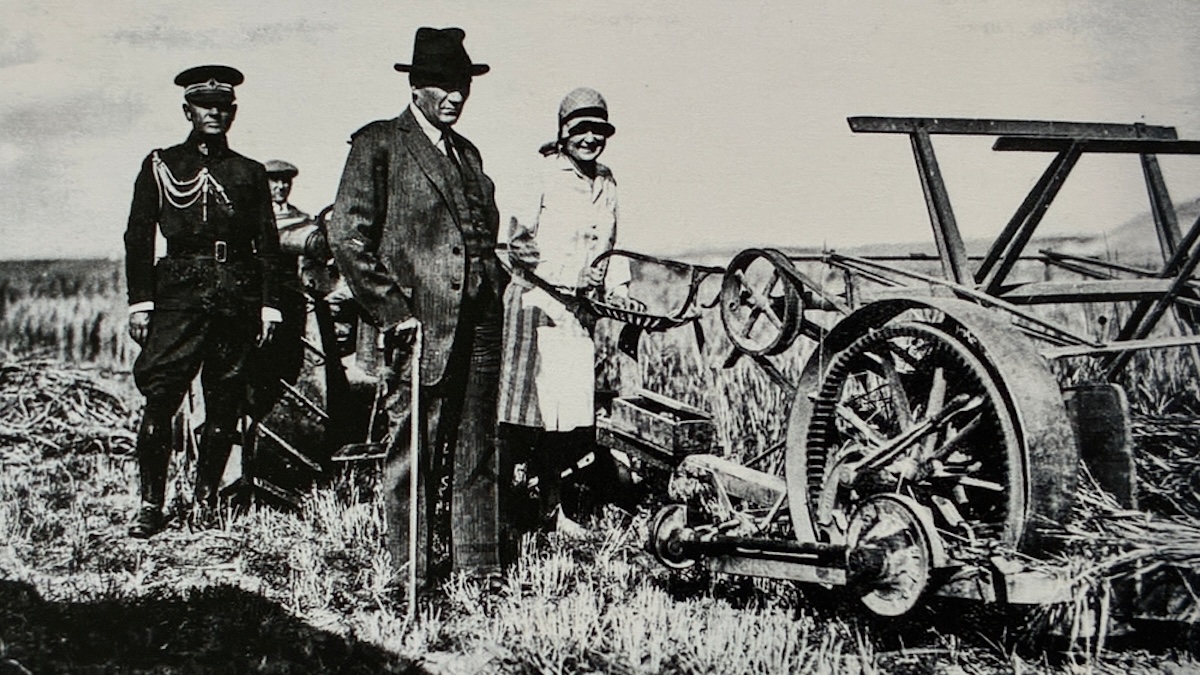
A snowball effect of asset values can similarly empower wealth effects: the tendency for consumers to spend more as the value of their investments rises. Wealth effects are surprising at first glance: household investments may be illiquid and tend not to produce substantial cash flow. However, a rising net worth builds a consumer’s confidence in their ability to afford purchases.
The U.S. economy remains resilient despite headwinds including sticky inflation, trade instability and rising geopolitical tensions. State and local government tax revenues have followed suit and have posted solid growth, aided by robust equity market returns.
The U.S. economy has traveled farther than most forecasters expected. Strong household spending, healthy labor markets and continued business investment have kept the expansion on course.
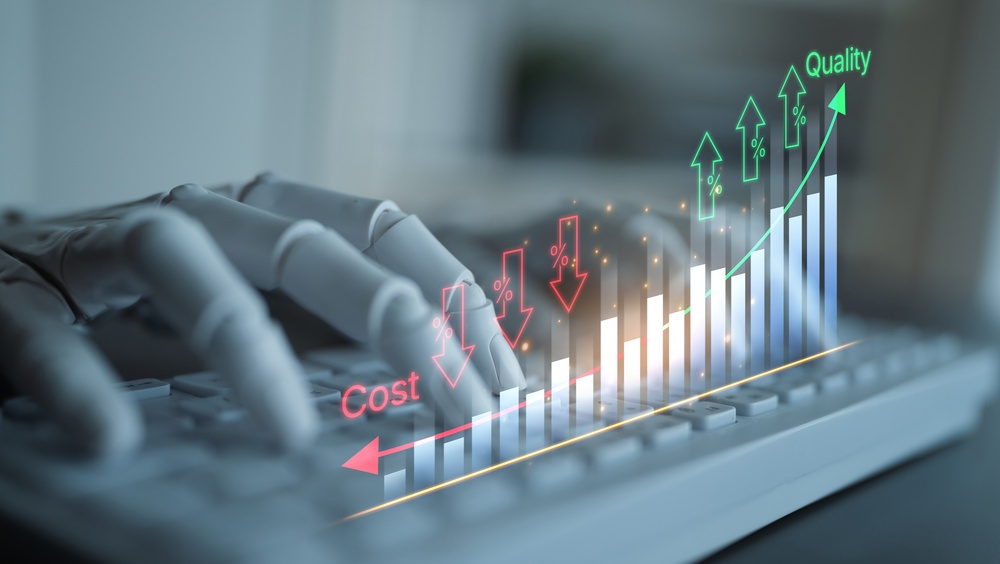
Artificial intelligence (AI) technologies are developing faster than investors anticipated just a few years ago, fueling a popular narrative that AI will trigger widespread job cuts. Yet there’s little evidence to back this view. Instead, we find that AI is changing hiring patterns, altering skill requirements and shifting the mix of work performed within firms.
Every runner has a natural pace: the speed that we maintain under optimal conditions like flat terrain, cool temperatures and a good night of sleep. Runners can train to speed up to meet a target time, or slow down for endurance.
I typically avoid business books when I am on vacation. But I made an exception during our sojourn last month for Andrew Ross Sorkin’s 1929. Nearly a century after the Great Crash, that era is still being studied for lessons that might be relevant in the current day. The potential for financial instability is ever-present.
The recent global bond sell-off may be more than a temporary repricing. Rising government debt, persistent inflation risks and shifting economic expectations could keep longer-term yields elevated relative to the post-financial-crisis era.
Occasionally, we are confronted with decisions where there are no easy options. The prevailing circumstances bound our choices, and we may face criticism no matter what we do. Collectively, the Federal Open Market Committee (FOMC) finds itself in just such a situation as it prepares for its upcoming meeting.
The Federal Reserve has spent the past four years trying to cool price increases through higher interest rates. The federal funds rate is still well above its pre-pandemic average, mortgage rates remain elevated, and borrowing costs for households and businesses are considerably higher than they were in the era of ultra-low interest rates.
I haven’t always taken the most conventional approach to economics. In a world where many practitioners construct elaborate models to arrive at conclusions, I often find more value in simply following my instincts. During stressful times and paradigm changes, thinking outside of the equations is essential.
Most people experience transportation through roads and airports. Traffic jams on highways and delays at major hubs are familiar frustrations. But the world's most important transportation network lies largely out of sight.
A hard line on trade was a popular plank of the first Trump candidacy. But once in office, his advisors used slow, conventional investigations and negotiations toward the goal of fairer terms of trade.
The term “backfire” originally referred to the intentional burning of underbrush when there is a wildfire on the horizon, to keep a bad situation from turning worse. Over time, however, backfire has come to mean an action that makes a bad situation worse.
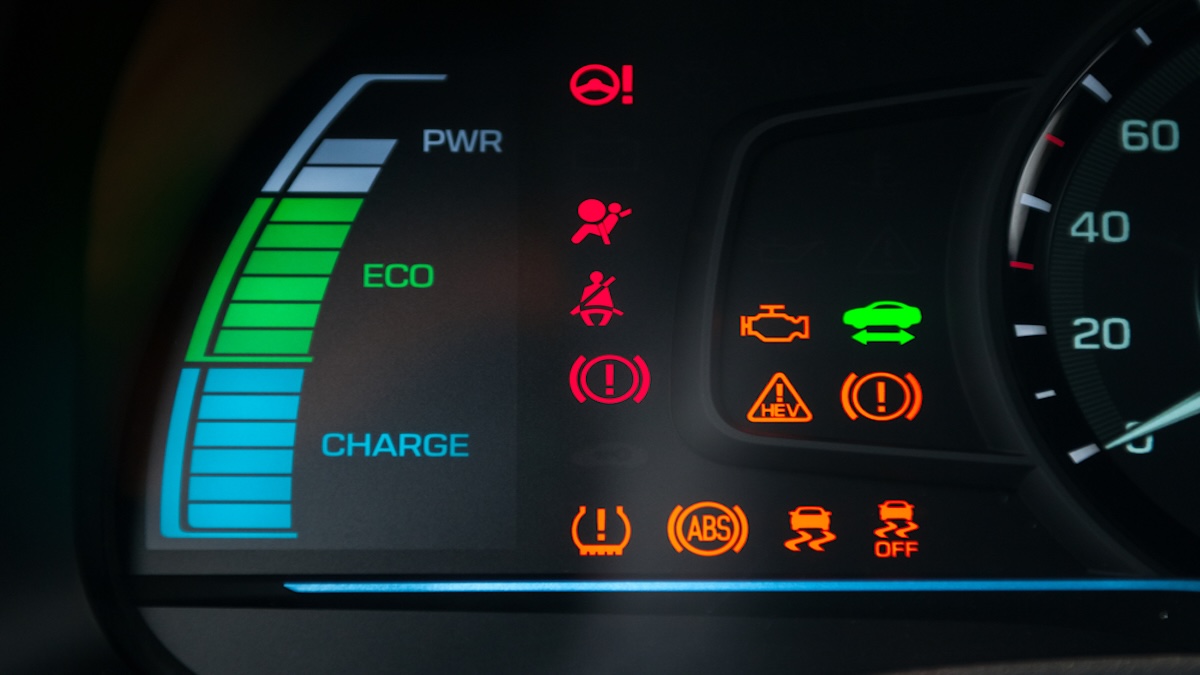
When a driver sees an unfamiliar light on the dashboard, the hope is that it’s a false positive that will go away on its own. But a persistent warning must be addressed before it becomes a bigger problem. The global economy is moving forward with several warning lights flashing, and those signals are becoming harder to ignore.
In choppy waters, many novice ship passengers will experience sea sickness. The only sure remedy is to wait it out. Symptoms will pass, as will the rough waters.
To some, the debate over inflation targeting is largely an academic exercise. But its outcome will have direct consequences for the paths of global interest rates and global markets. Some background on how we arrived at this juncture, and where we might go from here, follows.
Outdoor sports and exercise are more difficult at the height of summer. Runners slow their paces, and teams start their practices early to beat the heat. Competitors must marshal their energy carefully to perform at their best.
Governments can print money, but they cannot print credibility. Once investors begin to question a country's fiscal trajectory, borrowing costs rise, confidence erodes, and policy choices become increasingly constrained. The age of cheap debt allowed many governments to overlook these limits. Today, they are becoming harder to escape.
The first step in recovery is recognizing a problem. For decades, some U.S. states have had problems with indebtedness. But as we take stock of state finances today, we see many examples of recovery.
The arrival of the new academic year prompted me to revisit a piece that we wrote in 2023, which detailed the damage that the pandemic had done to young students. In the years immediately following COVID-19, achievement scores skidded, suggesting that online learning was a poor substitute for time in the classroom.
We provide research and advice on asset allocation, the selection and weighting of various investment categories. Subject to internal review and governance, our recommendations guide the investment decisions in our family of mutual funds and institutional client portfolios.
Electricity has become a major global focus. It essential to powering the modern economy: regions with capacity will generate growth, while those without adequate supplies may be vulnerable to shocks.
Forecasting is always fraught, but geopolitical turmoil makes it especially hazardous. Economic projections are only as reliable as the assumptions behind them, and those inputs can change quickly when conflicts are involved.
I am not right as often as I would like. And feeling bad about being right occurs very, very rarely. But now is one of those times. I was not surprised when the ceasefire between the United States and Iran broke down long before it was due to expire.
Election season often follows a familiar script. Investors debate congressional control, speculate on policy outcomes and search for clues about what markets might do next.
The summer has once again brought a miasma of wildfire smoke across wide stretches of the nation, leading to hazy views and slower activity. The clouds in our outlook are not merely atmospheric. A failed ceasefire and renewed conflict in the Middle East have created new reasons to worry about economic performance.
Lock, stock and barrel, a British phrase, originally referred to the three essential components of a firearm. Over time, it evolved into shorthand for the whole package. When tensions flare in the Middle East, the global economy often feels the consequences lock, stock and barrel.
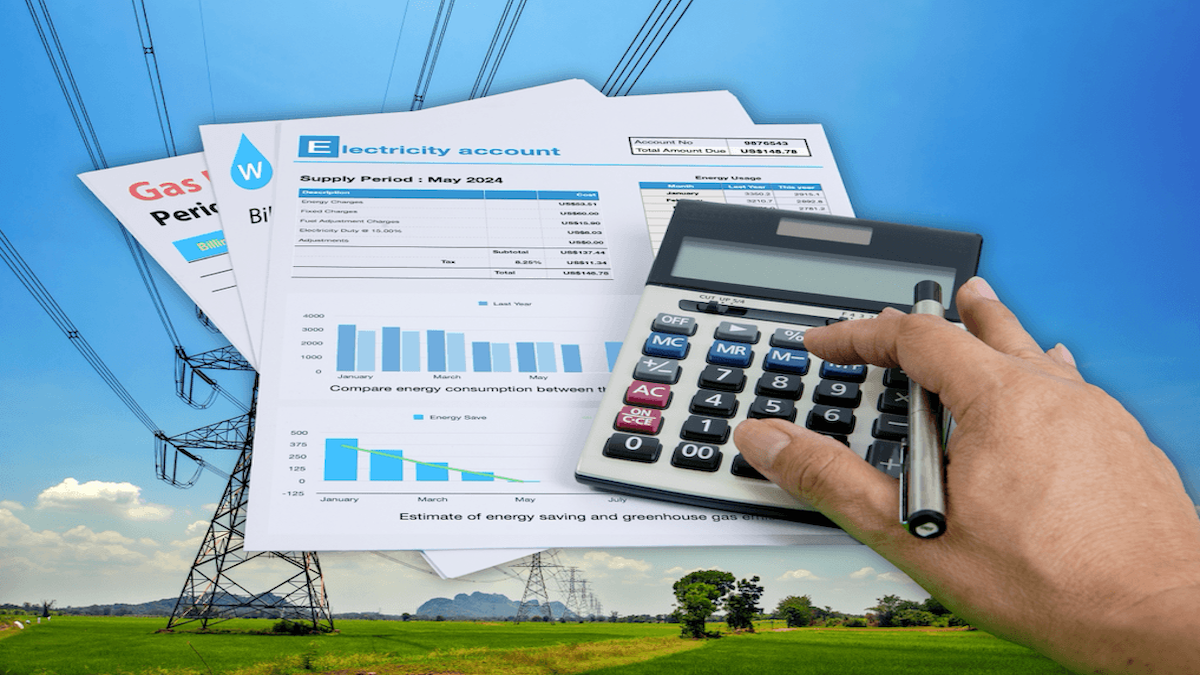
I really struggle to understand my utility bills. They often run to several pages, with sections describing just how difficult it is to get water from the source to your faucet, or internet service from a satellite to your home router. At the end, there is a long list of charges from a range of payors that adds up to an astronomical sum.
The measurement of inflation has been getting a lot of attention lately. Some modifications are underway, with more potentially to follow.
General Douglas MacArthur once remarked that “rules are mostly made to be broken.” He was at odds with U.S. President Harry Truman over the conduct of the Korean War, feeling that the restrictions placed on his forces weren’t supportive of success.
We had a data center at my first banking job. It was a dusty room filled with old Federal Reserve Bulletins, Economic Reports of the Presidents, and annual reports from the International Monetary Fund. I was the search engine, and the operation was powered by caffeine.
Productivity is an essential component of economic success. It allows for growth without inflation; compensates for demographic deficits; and helps nations attract investment.
Former Fed Chair Alan Greenspan’s passing has brought a stream of retrospectives on his approaches to managing the economy. He erred on the side of parsimony, favoring short public statements. Greenspan’s vague communication style offered little clarity over the future path of interest rates.
While the Middle East is still far from calm, it does appear the worst of the volatility in the region is in the past. The U.S.-Iran ceasefire is in place, with negotiations underway for a more durable peace.
Circumstances since 2020 have repeatedly demonstrated how adaptable the economy is in the face of new challenges. We see no reason for that resilience to fade in the balance of the year.
The AI boom goes from strength to strength. Big technology companies are pouring hundreds of billions of dollars into chips, data centers and power-hungry infrastructure. One estimate puts annual AI infrastructure investment above $650 billion in 2025 and potentially over $800 billion in 2026..
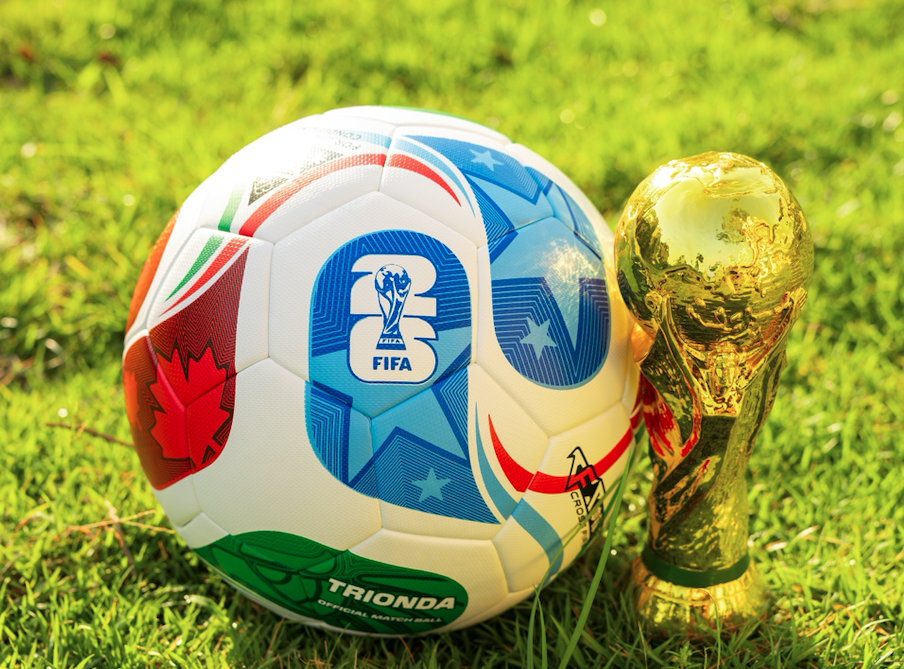
The ongoing World Cup showcases three countries working together. The USMCA review will reveal whether that cooperation extends beyond sport. A shared platform can continue to deliver strong outcomes, but only if the rules remain clear, stable and broadly accepted.
The announcement of an extended ceasefire in the Middle East is welcome news. The accord, which is scheduled to be signed late this week, reduces a source of geopolitical uncertainty that has hovered over the global economy. But significant risks remain.
At graduation ceremonies, audiences are often reminded to limit their audible reactions and hold applause, so that all graduates’ names can be heard. But a few viral videos this year showed a new disturbance to be managed: graduating students booing speakers if they extolled the virtues of artificial intelligence (AI).
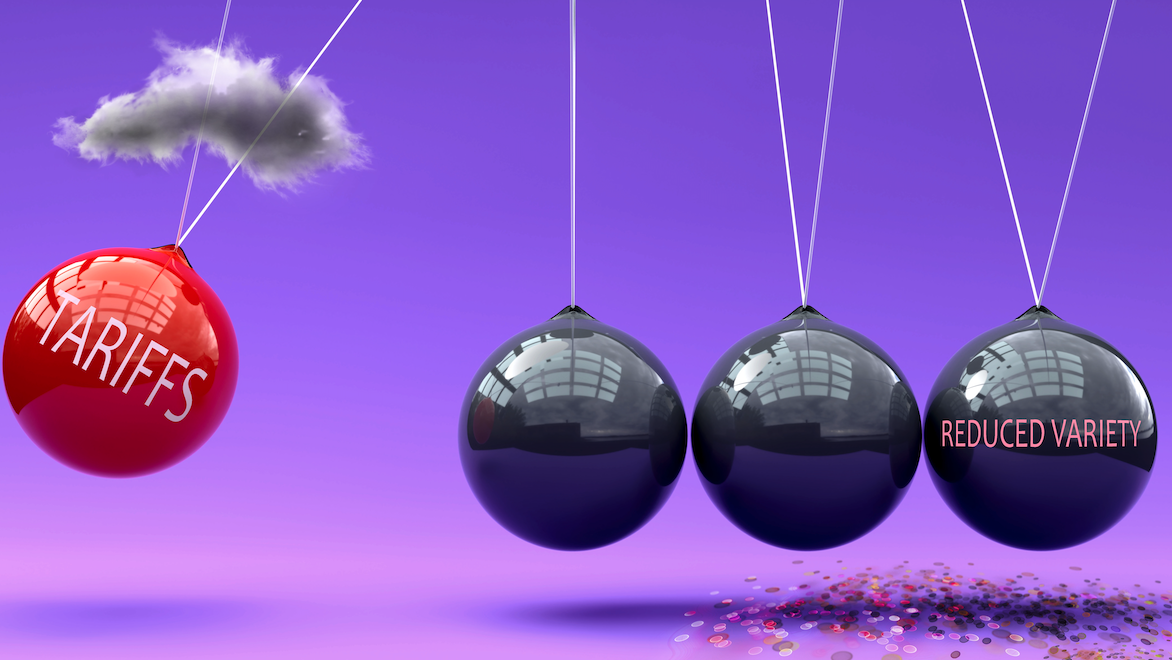
Tariff rates will vary, but their persistence is certain.
Fertilizers sit at the center of this transmission mechanism. As much as a third of the global supply of these commodities passes through the Strait of Hormuz, which has largely been closed for three months. This has triggered shortages and a price spike.
An increasing number of our neighbors are now retired. As they have made that transition, their sensitivity to the costs of living has increased, as has their skepticism over the way that inflation is measured. A common refrain: “I don’t care what the numbers say…things are REALLY expensive these days!”
Economies around the world aren’t just reliant on AI investments for growth. The appreciation of AI stocks has supported spending, which is following “K-shaped” patterns. A significant correction to the valuations of tech leaders would therefore be even more likely to result in recession.
An unexpected rap on your front door is sometimes cause for anxiety. You are not sure who or what is out there, wanting to get in.
Contrary to what legal television series portray, verdicts rarely turn on a single moment of drama. They take shape gradually, as evidence accumulates and a broader narrative comes into focus.
This week marked the passing of former Massachusetts Congressman Barney Frank. His signature legislation, the Dodd-Frank Act of 2010, was the most recent increment in a long-running history of tighter financial regulation. Some of those rules are now coming under scrutiny, with the goal of making bank lending more competitive.
During the American cigar craze of the 1990s, a couple of my neighbors purchased humidors and began collecting. The holy grail for them was Cuban Cohibas, banned from import by longstanding U.S. sanctions.
Nineteenth-century oil processing plants used simple, column distillation of crude oil to produce kerosene, which was in high demand for lighting lamps. The process also yielded a dangerously flammable byproduct called gasoline which had no obvious use.
Kevin Warsh was confirmed this week as the next Chair of the Federal Reserve’s Board of Governors. As we discussed in a recent article, his transition comes at a delicate time; inflation is rising, and questions about the Fed’s independence are pressing. The honeymoon period will be brief.
The United States has not felt the greatest costs of the Iran conflict, but challenges are becoming visible. Energy prices have risen, with limited prospects for relief. Inflation measures are poised to spread to other product and service categories. Inventories that helped to blunt the impact are depleting; supply chain distortions are accumulating.