The announcement of an extended ceasefire in the Middle East is welcome news. The accord, which is scheduled to be signed late this week, reduces a source of geopolitical uncertainty that has hovered over the global economy. But significant risks remain.
As of this writing, the full text of the agreement has yet to be shared. Reports suggest that the U.S. and Iran will drop their respective blockades, allowing shipping traffic in and around the Strait of Hormuz to resume. Iran will receive relief from sanctions on oil exports, and the release of some funding that has been frozen.
Read more: Tariff Endgame Taking Shape
A 60-day cease fire will go into effect, during which time negotiations will continue over Iran’s nuclear program and the long-term security of maritime transit through the Strait. That window could easily be extended if negotiations are progressing. Few think that we will return to the kind of aggression that we witnessed in March and April.
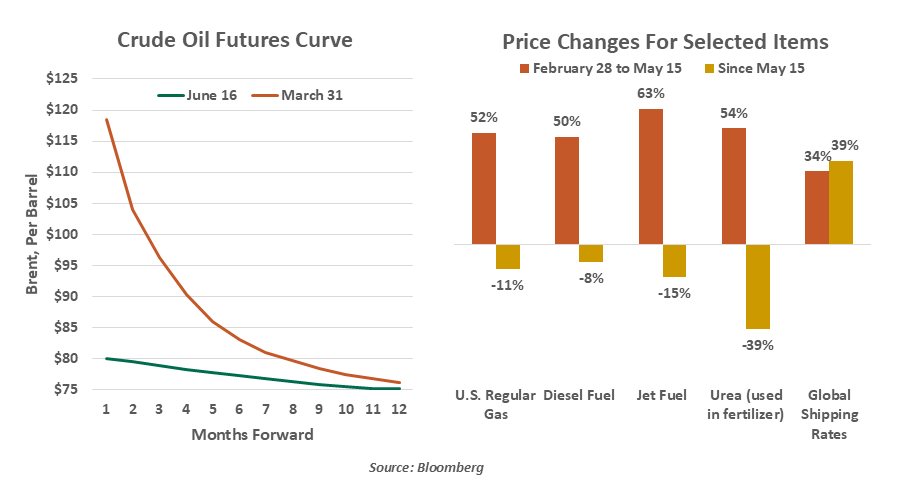
The agreement reduces global inflation risks. Oil markets are reflecting a much more benign outlook, and the prices of items disrupted by the war have begun to recede. Long-term bond yields have fallen, and the likelihood of interest rate hikes from major central banks has been reduced.

All of that said, a return to normalcy may take time…and the old normal may never return. It will take a while to fully reopen the Strait; mines need to be removed, insurers need to gain comfort, and stalled oil, gas and fertilizer production needs to be restarted. According to Eurasia Group, it will take several weeks to re-establish 30%-50% of the pre-war traffic. Global shipping rates have continued to escalate, despite the truce.
Interested parties will be watching upcoming negotiations very closely. Having demonstrated an ability to close the Strait, Iran has a high asking price for conceding it. It seems unlikely that shippers will be comfortable reestablishing prewar supply lines until there are more durable guarantees of their safety. The linkage of this topic to discussions over Iran’s nuclear program (which have proven very difficult in the past) complicates matters considerably. Israel’s patience may be tested if Iran is seen as dragging its feet to conceal its uranium.
Lingering uncertainty will lead energy consumers to have a long-term look at their sourcing. New pipelines may be built; new sources may be developed; and alternatives to fossil fuels will gain momentum. Demand for fuel from the Persian Gulf may never be the same.
Much as we might like to think that the war is over, a guarded posture is still recommended. Volatility is never far from the surface in the Middle East.
Information is not intended to be and should not be construed as an offer, solicitation or recommendation with respect to any transaction and should not be treated as legal advice, investment advice or tax advice. Under no circumstances should you rely upon this information as a substitute for obtaining specific legal or tax advice from your own professional legal or tax advisors. Information is subject to change based on market or other conditions and is not intended to influence your investment decisions.
© 2026 Northern Trust Corporation. Head Office: 50 South La Salle Street, Chicago, Illinois 60603 U.S.A. Incorporated with limited liability in the U.S. Products and services provided by subsidiaries of Northern Trust Corporation may vary in different markets and are offered in accordance with local regulation. For legal and regulatory information about individual market offices, visit northerntrust.com/terms-and-conditions.
A message from Advisor Perspectives and VettaFi: Discover something new! Click here to register for our upcoming webcasts.
© Northern Trust
Read more commentaries by Northern Trust