529 plans do not earn interest like a traditional savings account. However, they offer strong growth potential through a range of investment options.
Given the uncertainty of what potentially happens next, the recent rally is an excellent opportunity to adjust portfolio risks to navigate the next leg of this market cycle.
Margin debt is the amount of money an investor borrows from their broker via a margin account. This video provides an update on FINRA's margin debt with data through April 2025.
Clients aren’t asking their financial advisor to be everything. They’re asking for clarity and confidence in what matters most to them. Simplifying the client experience may be the most strategic move advisors can make.
The wealth management industry is prepared to court its newest potential clients: Gen Z. Instead of trotting out older professionals with decades of experience, companies are utilizing generative AI to develop digital assistants.
In this article, I focus on five essential age-based milestones and life events that collectively present more than 40 million advice opportunities, enabling financial advisors to showcase their care and expertise beyond traditional investment strategies.
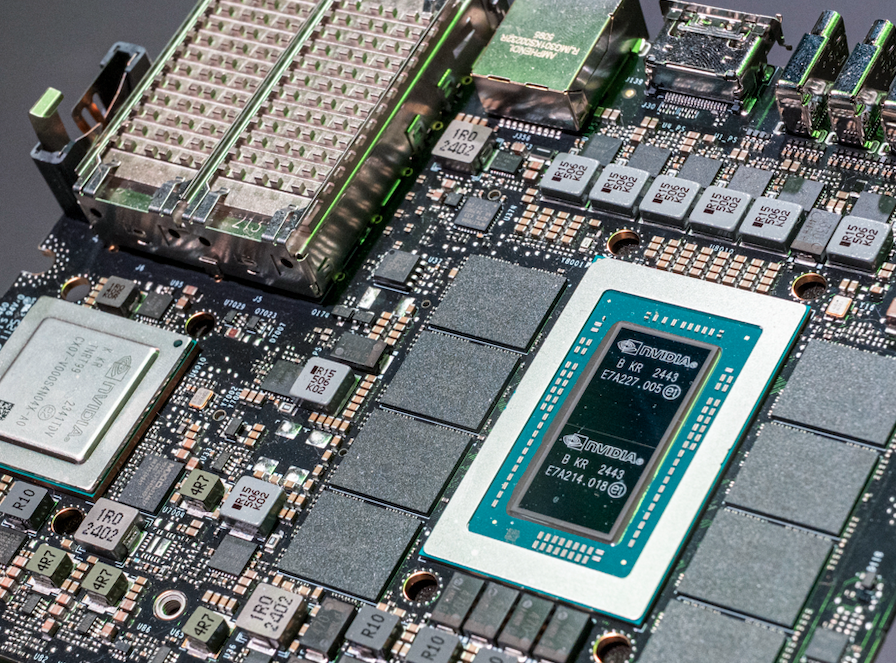
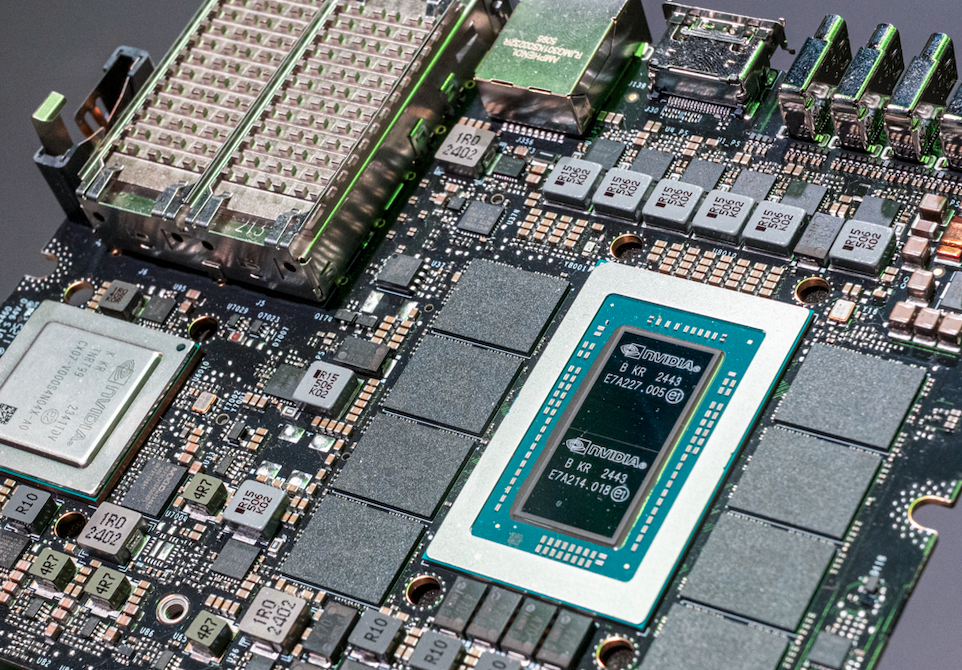
Nvidia Corp. faces the final test of an earnings season-driven rally that has sent its shares up more than 40% from an April low.
Exchange-traded funds have amassed trillions of dollars by offering investors greater tax efficiency, liquidity and lower costs than mutual funds.
Residential mortgage-backed securities, or MBS, are a big part of the securitized investment market. Here's what to know about MBS investing.
Mounting concerns regarding growing U.S. government deficits and a volatile tariff policy create a challenging backdrop for U.S. bonds.
Actively managed ETFs pulled in approximately 40% of the industry flows through the first four months of 2025. These ETFs tap into professional expertise, which has been helpful in the volatile market environment. The latest model allocation changes made by BlackRock’s team will help more ETF-minded advisors have greater access to active strategies.
Rising imports of glass containers are just one sign of how the US lost its manufacturing culture.
Moody’s finally downgraded US government debt on May 16th to Aa1, its second highest rating. With the US $36 trillion (and rising) in debt, it’s not hard to see why. But Moody’s was late to the party with S&P and Fitch (the other two major ratings agencies) having done so long ago.
SS&C ALPS Advisors’ Paul Baiocchi dives into key ETF trends, from active and alternatively-weighted strategies to international and thematic ETFs. VettaFi’s Cinthia Murphy goes inside the world of S&P 500 ETFs, exploring several unique angles to the industry’s flagship products.
VettaFi’s Head of Research Todd Rosenbluth discussed the abrdn Bloomberg All Commodity Strategy K-1 Free ETF (BCI) on this week’s “ETF of the Week” podcast with Chuck Jaffe of “Money Life.”
Many buffer ETF providers advertise these products as substitutes for bank products such as CDs. However, for residents of high-tax states, T-bills are more attractive than CDs, so for us that’s the more relevant comparison.
Let’s unpack the state of the markets today, explore where opportunities lie and review several strategies to navigate the months ahead.
Without proper financial guidance and planning, the end of their career could be followed by serious financial difficulties. While every athlete’s legal, tax, and financial picture is different, here are some of the topics that should be reviewed with athletes.
Banks are contemplating a role for themselves in stablecoins if pending US legislation helps take cryptocurrencies and their gateway products mainstream.
There’s a lot to like about the travel industry right now from an investment standpoint. You just have to know where to look.
Keep your market perspective in check, avoid anchoring, and focus on your investment goals rather than market volatility.
Private credit firms are seeing an opportunity to finance everything from public transit systems to local utilities as the federal government and banks pull back on funding.
Over the past four months, the price of gold in yuan terms has climbed by 24 percent, the strongest January to April performance on record. The Shanghai Benchmark Gold Price rose 6.9 percent in April alone. It was the fifth consecutive monthly gain.
From an energy perspective, while the trade dispute with China initially impacted oil prices and raised concerns about oil demand (mirrored across tariff discussions), the direct effect on midstream has been limited.
In 2025, AI crossed a subtle but monumental threshold: it stopped just answering questions and started executing goals.
Markets rallied after a surprise tariff rollback, but with valuations stretched and policy signals still mixed, investors appear to be leaning toward flexibility, fundamentals, and selective exposure.
Given the headwinds Target has faced this year, many advisors were not expecting to hear good news at the retailer’s latest earnings call.
Though silver has been quiet lately, it’s important to be aware of the many bullish factors that are setting the stage for a strong move higher.
The Endowment Tax was introduced during the first Trump administration as part of the 2017 Tax Cuts and Jobs Act (TCJA).
For many of us, ETFs have been synonymous with passive management.
Long-term interest rates have become much less predictable, and that means volatile prices for long bonds.
You wouldn’t exactly call it understated. In a video, Sam Altman, co-founder and chief executive officer of OpenAI, jostles through a busy San Francisco sidewalk.
Investors have breathed multiple sighs of relief in recent weeks as the Trump administration has dialed back its extreme tariff rates on China and other countries. In addition, first-quarter earnings were better, overall, than many expected given the quarter’s uncertainty.
Having raised $445 million from investors including Microsoft Corp. and SoftBank Group Corp., the British firm entered insolvency proceedings this week after a major creditor seized $37 million from its accounts, leaving $5 million in the company’s coffers.
Even though Bitcoin has retreated from record territory, options show that traders remain extremely bullish with open interest reaching an all-time high.
On the latest episode of ETF 360, VettaFi’s Kirsten Chang interviewed Innovator’s Director of Product Management Joe Becker to discuss one of their newest product launches, the Innovator Equity Premium Income – Daily PutWrite ETF (SPUT). This new product uses the put instead of the covered call.
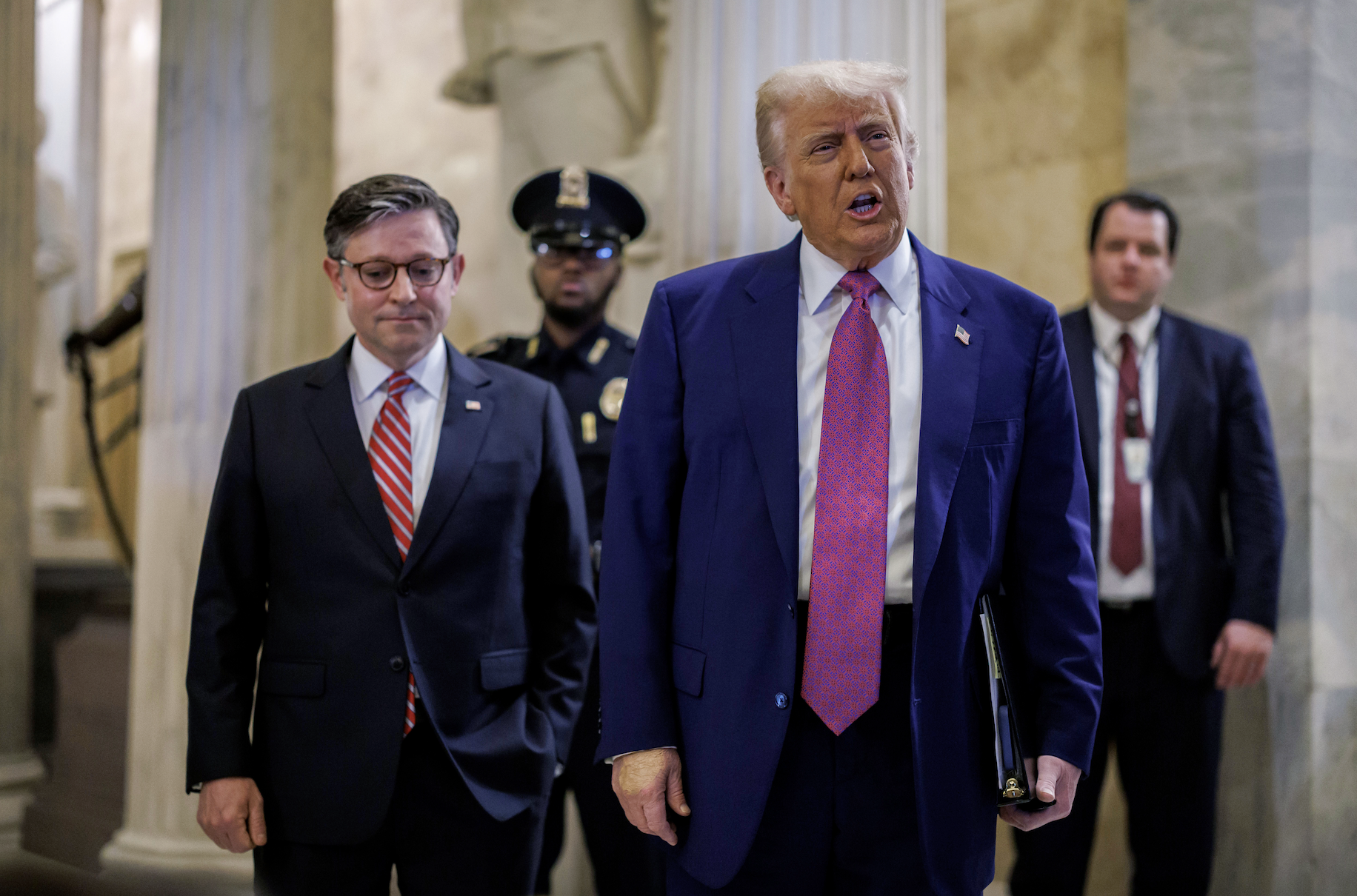
House Republicans narrowly passed President Donald Trump’s economic package after a series of all-night negotiations and 11th-hour compromises.
Someday, the dollar will cease to be the world’s reserve currency. But don’t hold your breath waiting; there is nothing even close to being able to take its role.
Investors should always be attuned to inflation risk, but it seems pronounced in this moment. How should your clients adjust behavior and investments?
As AI capabilities continue to advance, we can expect even more sophisticated financial planning tools to become accessible to the average person, potentially improving retirement outcomes for many.
OpenAI will acquire the AI device startup co-founded by Apple Inc. veteran Jony Ive in a nearly $6.5 billion all-stock deal, joining forces with the legendary designer to make a push into hardware.
Direct indexing has been in the news a lot more in recent years. Larger industry players have strategically acquired a number of providers—including Parametric. And many new entrants have entered the space, looking to build on its success.
Investors active today can be forgiven if the events of the past few months have been a bewildering experience.
The market narrative appears to change on a dime these days. Stocks may have staged a comeback to recoup almost all their post-“Liberation Day” losses. But the bottom line on the fixed income market hasn’t changed all that much.
Cathie Wood’s funds made their biggest purchase of Taiwan Semiconductor Manufacturing Co. shares in nearly a year, underscoring a change in stance from being mostly sellers of the chipmaker since the third quarter of last year.
Trade pacts with America will not mean a return to the old normal.
One of the biggest stories in the ETF market in 2025 has been the nonstop impressive asset-gathering pace of the Vanguard S&P 500 ETF (VOO).
Join the team at American Century Investments for a product spotlight on their suite of active ETFs.
The world’s largest asset manager is adding to bets on the artificial intelligence within its US model portfolios while trimming its overall equity risk because of tariff uncertainty.
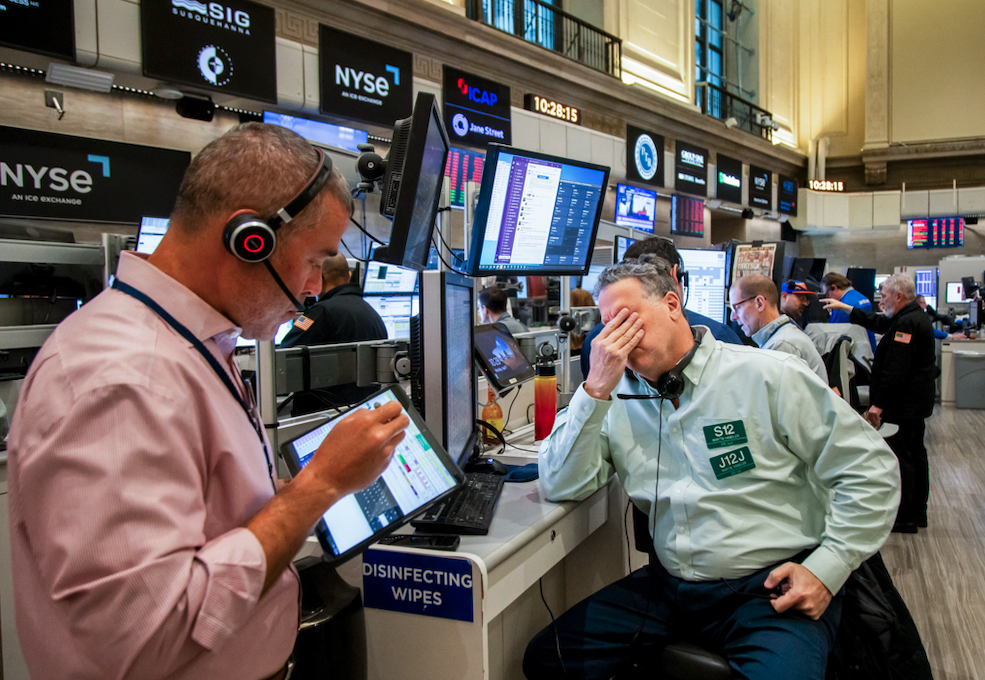
Investors dumped US stocks Wednesday afternoon following a disappointing Treasury auction that sent bond yields surging past levels seen during April’s market rout.