Americans will vote in the midterm elections next Tuesday.
“If the Fed loses its independence, the age of magic money could end in catastrophe”.
After the Federal Reserve meets Nov. 1 and 2 this week, we may know more about how this Fed will be remembered: as a Volcker Fed that decisively conquered inflation or, instead, a Burns Fed that allowed the country to slip into a stagflationary quagmire.
The uncertainty of a looming recession and high market volatility makes almost all investment options look doubtful as investors search for safe and reliable investment tools.
Few would disagree that the period from 1870-2010 saw immense technological advancements that improved our quality of life. But, according to Bradford DeLong, far fewer advances lie ahead, and societies should adapt by “slouching” away from a free-market system. He’s wrong on both counts.
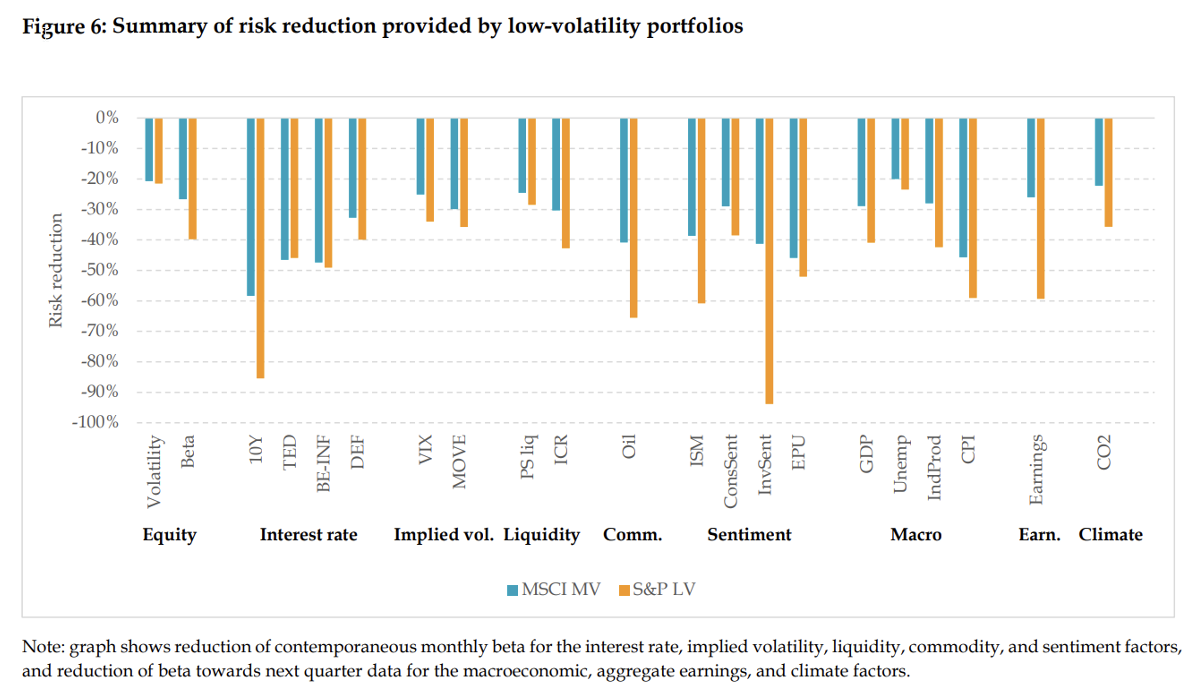
So-called low-volatility portfolios are an apparent anomaly – they appear to offer higher returns with less risk (volatility). New research shows that they are indeed uncorrelated to sources of macroeconomic risk. But their popularity has driven up valuations, dampening the prospects for future returns.
In 1990, a new tech start-up was spun out of Apple to invent the future.
I literally grew up in the oil patch: Wise County, Texas, 60 or 70 miles northwest of Fort Worth in a little town called Bridgeport. The two first-generation Greek immigrant brothers who became Mitchell Energy talked old man Christie into funding Christie, Mitchell and Mitchell and they drilled (hundreds?) of natural gas wells which they eventually sold to an Illinois utility. This was in the 1950s and ‘60s.
In these tumultuous times on Wall Street, at least one investing trend is proving remarkably consistent: Dividend ETFs are notching relentless inflows as traders take refuge in the stock-market storm.
The Harvard Business School’s Michael Porter is the leading authority on industry structure and competitiveness. His framework shows how RIAs should think strategically about the current state and future evolution of their industry.
Now that the Party Congress is over, Xi Jinping has one big decision to make. Sinology explores.
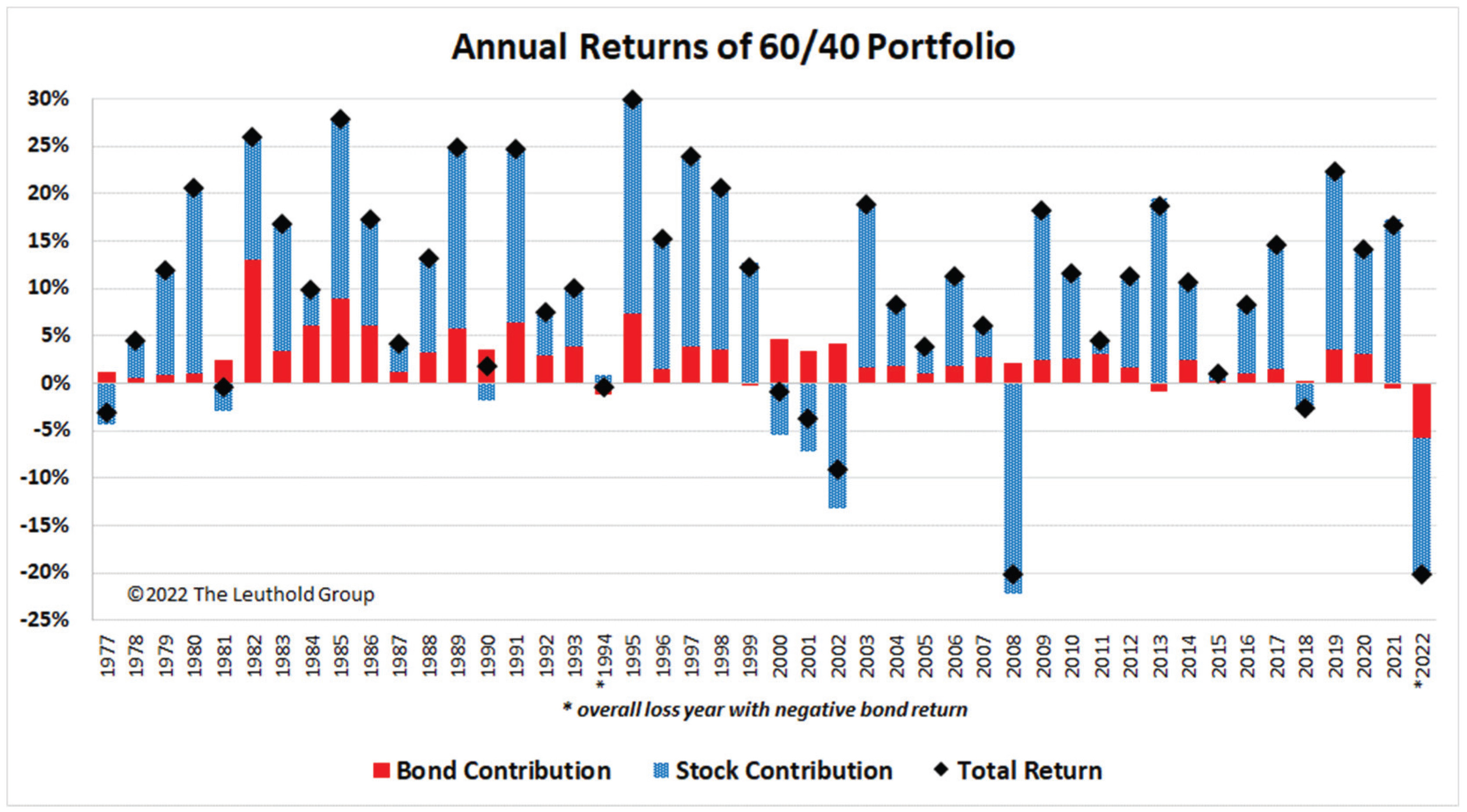
The balanced portfolio strategy of allocating 60% to equities and 40% to fixed income generated a highly satisfactory 7.9% annualized return over the last 30 years.
Surging US tuition costs have more American parents sending their children to college in Europe as they look to save money on higher education.
In recent reports, we’ve been highlighting that innovation—as a factor represented by R&D as % of sales—has stopped underperforming and it is selling for an attractive valuation.
Bond yields may keep rising, but a significant driver of yields is done selling.
I’ll be the first to say that the RIA model is not for everyone.
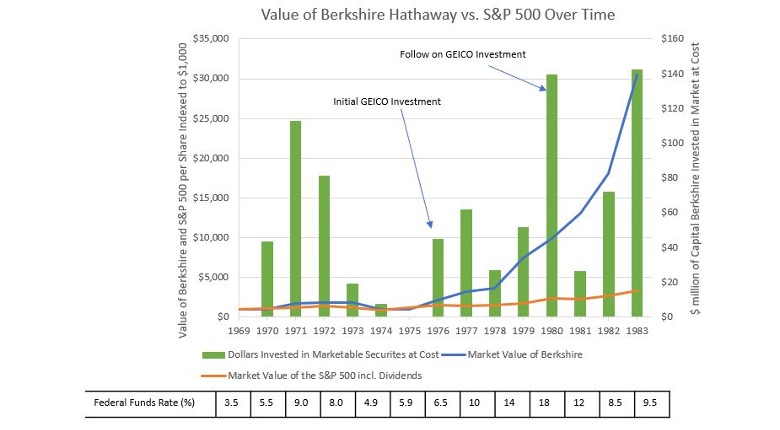
We explore what Warren Buffett did during the last period of extended inflation in the U.S., the 1970s.
Brent oil has dropped more than 30% from this year’s high, but you wouldn’t know it if you live in Paris, Mumbai or Accra.
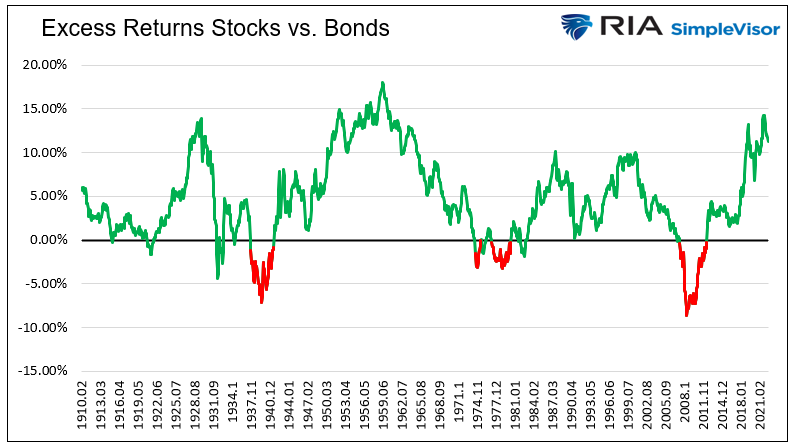
I look back to other periods when bonds outperformed stocks. This analysis allows us to assess specific stock traits and specific industries that over- and underperformed in those eras.
From an investment standpoint, aggressive regime shifts like the current one often create price dislocations as allocators restructure their portfolios, according to K2 Advisors.
Market cycles are inevitable in investing, and investors are understandably wary of downturns in the equity market. While today’s interest rate trends may mean that bonds are a less appealing defensive asset than they have been historically, it is possible to position allocations defensively with factor-based equity indices. Combining well-chosen defensive factors with the S&P 500 and bonds has historically resulted in reduced volatility, as well as incremental returns.
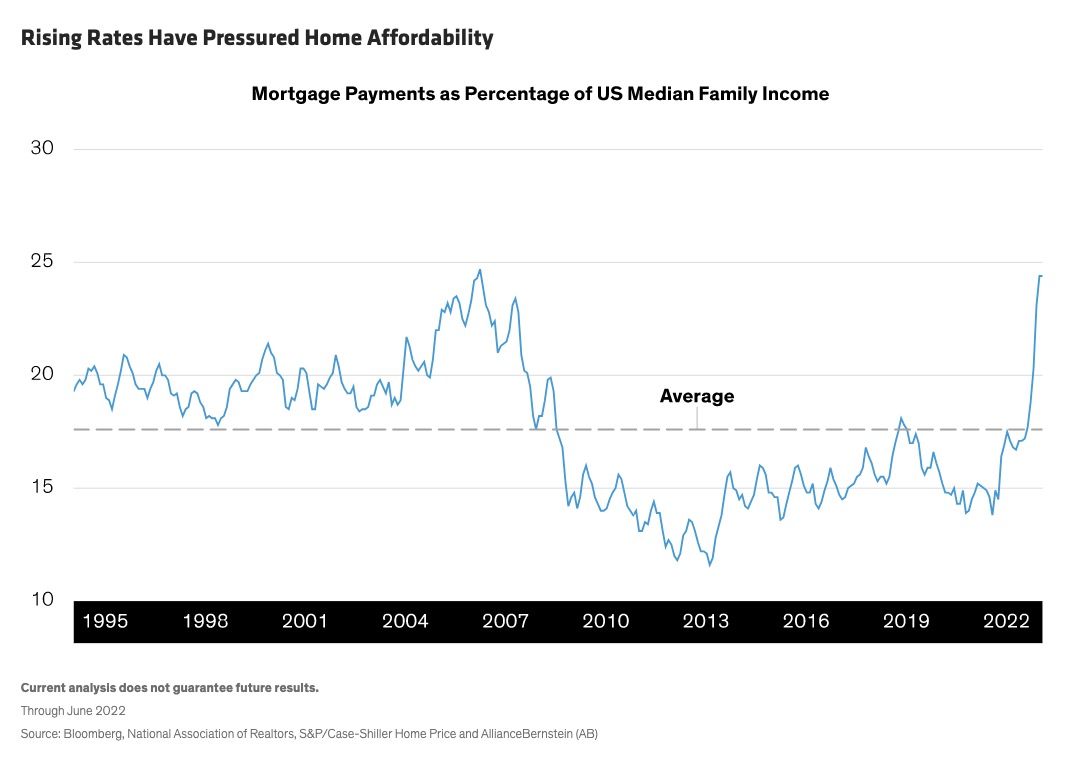
As the housing market heated up during the pandemic, many would-be homeowners found themselves unable to buy despite making multiple offers or waiving inspections.
Millennials were more comfortable with the stock market this year, a May survey found. We explore the outlook for equities through a generational lens.
A couple of weeks ago, in our quarterly strategy report, I argued that it appeared that innovation had bottomed.
Digging in a little deeper, we sifted through this first quintile of the S&P 500 for other insights.
Sandpiles can be fun. Nothing beats taking kids to the beach (or being a kid!) and watching their creativity blossom into all kinds of magical shapes. The problem with sand construction is it doesn’t last. I have it on good authority that building your house on the sand probably won’t end well.
A shift toward private markets is cushioning many of the world’s largest investors from the wreckage wrought by runaway inflation and spiraling interest rates.
2022 has hit investors with an unprecedented 1-2 punch of sharply negative returns in both the equity and fixed income markets, but our Strategic Income team feels the selloff has created attractive opportunities in high yield bonds.
The top 50 broad strategy funds – determined by highest historical performance through 2021--outperformed the market by 21 percentage points through the first six months of 2022.
The OPEC+ plan to curb oil production complicates the global economic, inflation, and geopolitical outlook and will likely lead to higher prices for key commodities.
A couple weeks ago, in our quarterly strategy report (see: QSR-Has Innovation Bottomed?), I argued that it appeared that innovation had bottomed.
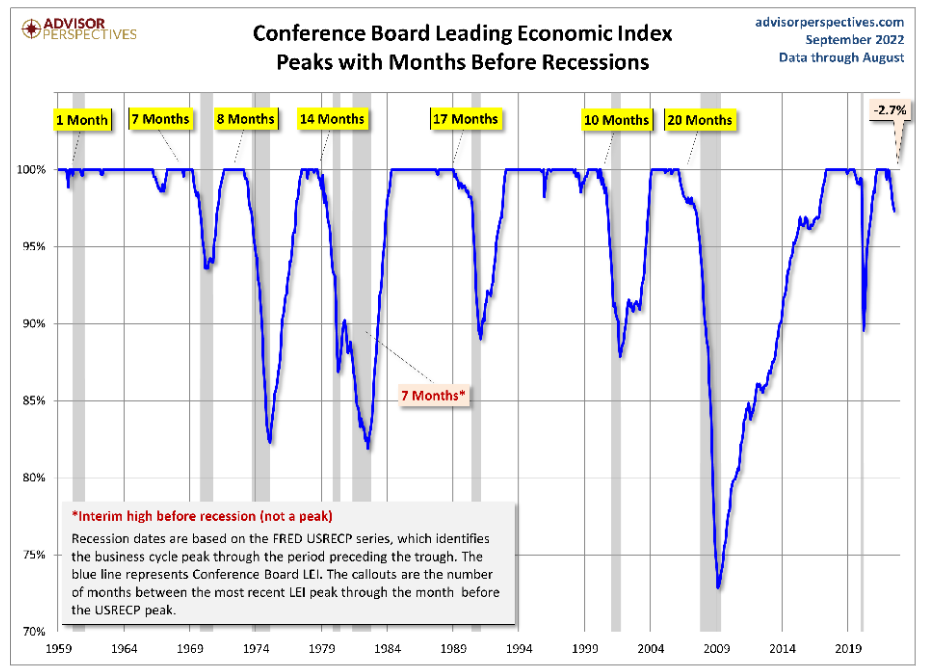
In recent months, the economy has shown remarkable resilience in the face of a cyclical downturn.
A well-established problem facing investors with an environmental, social and governance (ESG) mandate is the wide divergence of ratings assigned to companies by different vendors. New research shows that those stocks with the greatest divergence had higher performance.
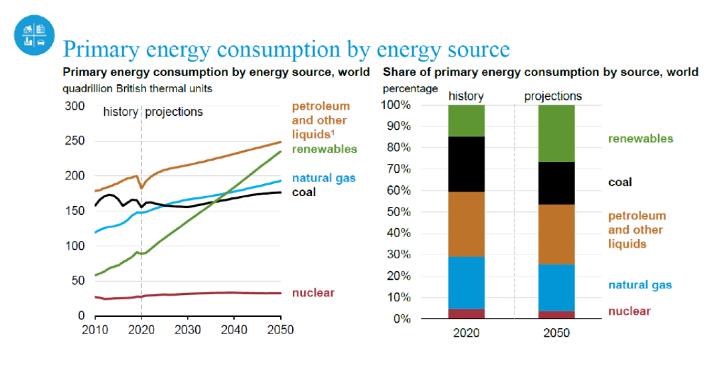
To reach net-zero emissions by 2050 and limit global warming to 1.5C, investment in renewable energy sources needs to surpass finance flows to fossil fuels by a factor of four over the next decade, according to research from BloombergNEF.
Direct indexing is the most powerful trend sweeping through the advisory profession. When done right, it lets clients build low-cost, tax-efficient, and highly customized portfolios. Those portfolios can track a broad market index or implement a factor-based strategy. They can follow an ESG or sustainability mandate. Here to discuss the latest developments in the direct indexing world are two members of Envestnet’s management team.
Taking the right precautions, such as implementing two-factor authentication, firewalls, and encryption, protects data in transit and reduces cybersecurity risk. Focusing on careful password management when working with a team reduces the risk of cybercrime and offers peace of mind.
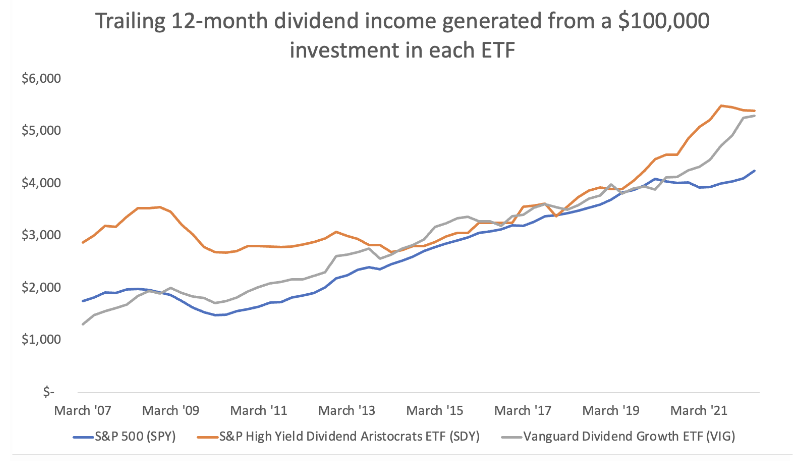
One investment with the ability to provide current income, inflation protection, and even the potential for capital appreciation has been largely overlooked – rising dividend stocks.
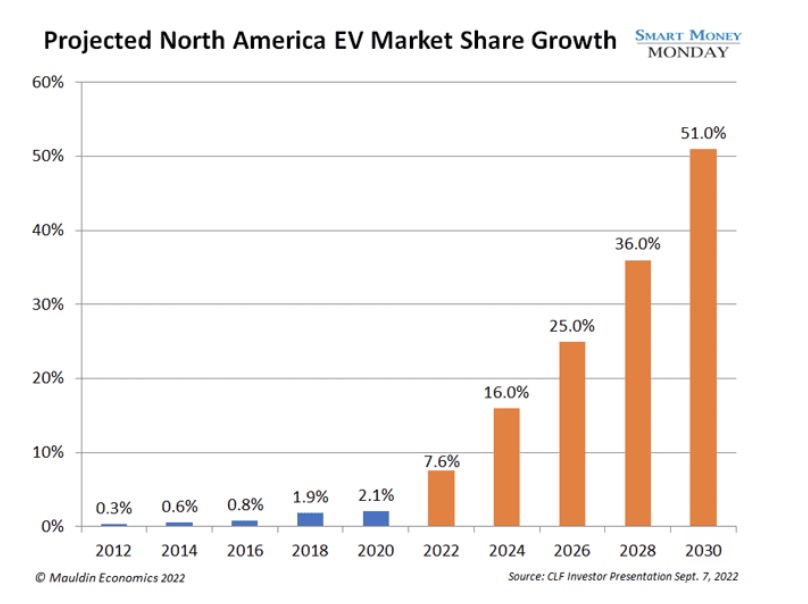
Every time I cruise around Raleigh, it’s like Tesla drivers have multiplied.
For most of 2022, the VIX been above its average, which historically has led to lower equity returns. I will review the risks that investors face, which explain the continued high level of uncertainty.
With investors feeling anxious and looking for answers in these volatile and uncertain economic times, advisors should stick to a basic roadmap to help clients stay the course. Here are four ways advisors can do that.
Just 18.5% of homes in Florida counties that were told to evacuate have coverage through the National Flood Insurance Program (NFIP), which is administered by FEMA. Most regular homeowners’ insurance policies don’t cover flood damage, which is why Congress created the NFIP in 1968. But at an average cost of $995 a year, according to Forbes, the insurance may be out of reach to many households.
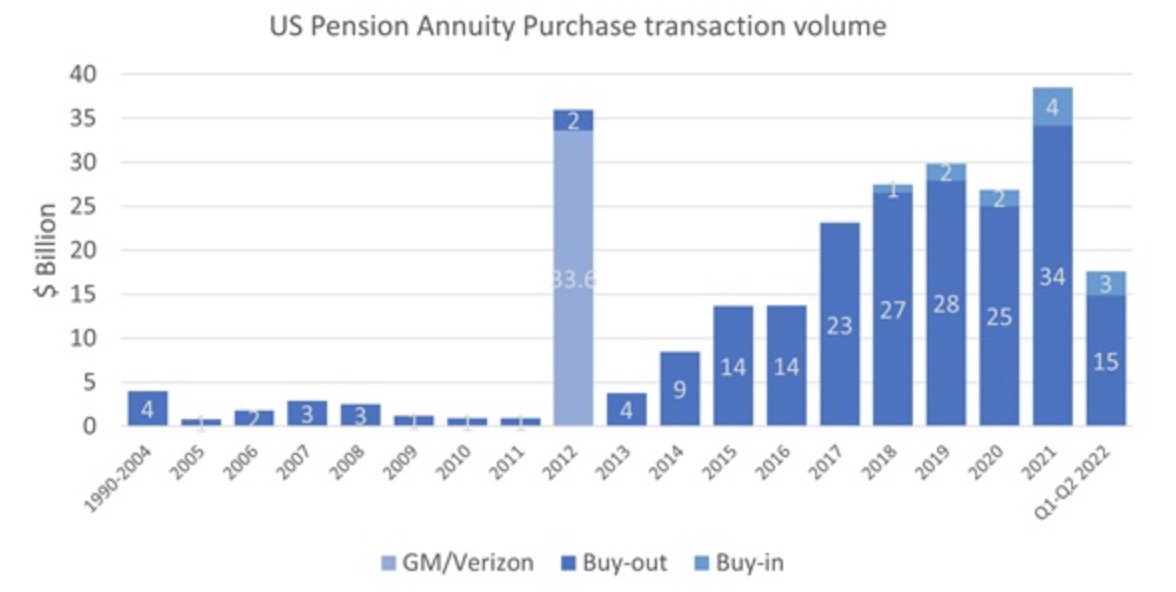
10 years have passed since the watershed year for pension risk transfer.
It appears to us that global innovation has bottomed and offers attractive value.
Unlike with 401(k) plans and other retirement savings accounts, the IRS does not set annual contribution limits for 529 college savings plans. Instead, the states that sponsor individual 529 plans set parameters for the life of the plan.
In the 1980s there was a famous TV ad for Wendy’s with the tagline “Where’s the beef?”.
Our leadership is forcing changes on us at a rapid pace that don’t make sense.
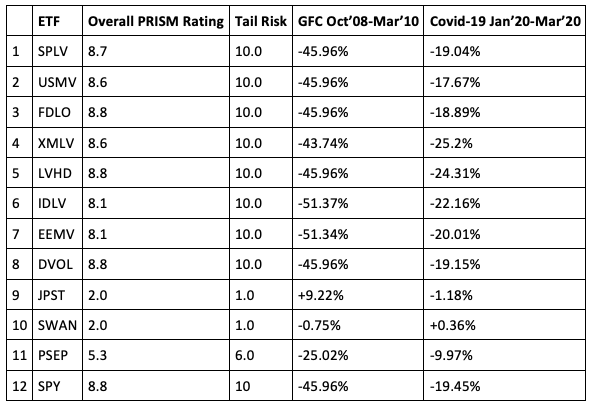
Low volatility does not mean low risk when it comes to ETFs. By selecting products that minimize losses rather than volatility, advisors can achieve better outcomes for clients.
“Invest in what you know.” You’ve likely heard this advice before.
Frequent flyers are accustomed to turbulence on some flights. Indeed, many expect it. Despite such anticipation, however, the turbulence can once in a while create significant anxiety among even the most seasoned travelers.
The world will be going from an era of zero rates and loose monetary policy to higher rates and likely slower growth, except in certain sectors. Adjusting to this change will be both problematic and also full of potential opportunities.
Balancing acts. As the Fed walks the line between curbing inflation and averting recession, anxious investors are seeking to balance the two risks. Amid the uncertainty, we believe stock selection matters more.