The asset management unit of JPMorgan Chase & Co. has wiped its ESG portfolios clean of their exposure to the Adani empire.
Close to 90% of the world’s central banks are at some point in the process of creating their own digital currency. Are you ready?
As President Joe Biden’s administration prepares to accept requests for $39 billion in funding to jumpstart US production of microchips, his commerce chief emphasized the program’s focus is strengthening national security rather than boosting struggling chipmakers.
Janus Henderson Group Plc’s new boss has a plan to revive the struggling money manager, whose clients have yanked about $130 billion since 2017.
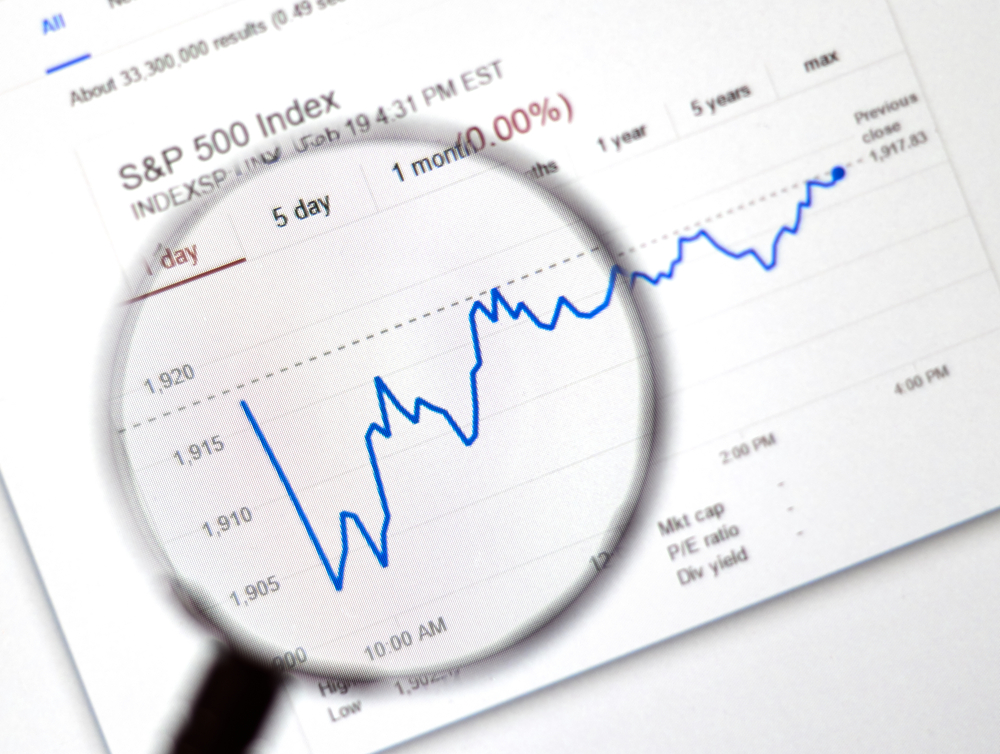
The S&P 500 is rising after falling the past four sessions as equites have shown some volatility amid festering uncertainty regarding the ultimate economic impact of aggressive global central bank tightening.
The common narrative is that we’ve (the US) been enjoying a long period of globalization and now that it is going into reverse, it will upend many of the benefits brought by globalization, to the US in particular.
Concerns about further interest-rate hikes, a fizzling stock rally and a US crypto crackdown all suggest Bitcoin and other tokens should be beating a hasty retreat. Instead, they’re extending their 2023 rebound.
Professional speculators are turning risk-on by gobbling up technology shares, after largely missing out on the new-year rally in the stock-market’s biggest winners.
Stocks mixed around mid-day as investors digest data.
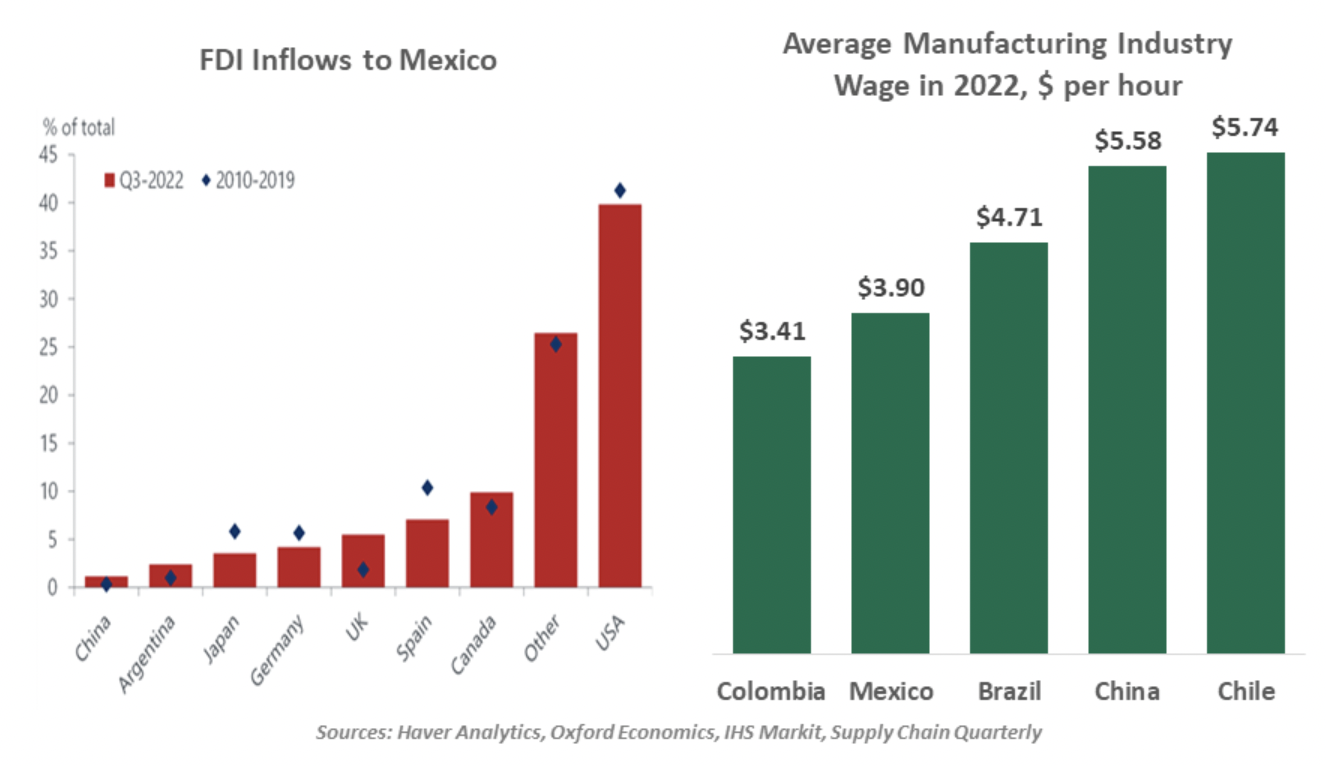
Mexico is downstream of shifting trade winds.
US stocks are ripe for a selloff after prematurely pricing in a pause in Federal Reserve rate hikes, according to Morgan Stanley strategists.
Chinese-based technology sits behind some of the world’s most powerful companies – Baidu, Alibaba, WeChat, and Tencent, the subject of a new book. That has created immense wealth for a few bold entrepreneurs, but new policies by the Chinese government aim to reduce that wealth inequality.
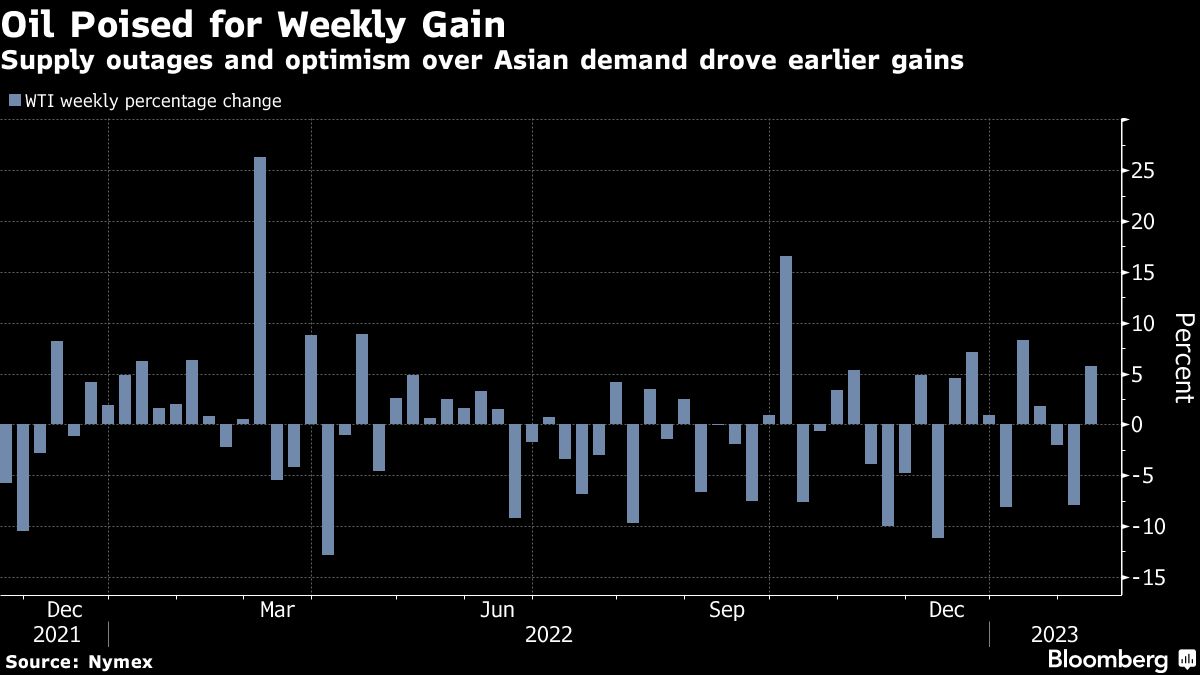
Oil headed for a weekly gain as a bullish outlook for Chinese demand outweighed lingering concerns over a global economic slowdown.
For all the fretting about the political standoff over the US debt ceiling, one fund manager sees the deadlock providing a boost to the stock market.
This Super Bowl will also be remembered, I believe, as a major turning point in sports betting in the U.S. More than 50 million American adults are expected to bet on the game, the most ever and a remarkable 61% increase from last year.
Stocks lower as investors digest data, Fed commentary.
With Caixin China PMI numbers today broadly confirming Monday’s official CCP data, the outlook for China and its neighbors remains bright.
Brookfield Infrastructure Partners LP’s $15 billion commitment last year to help finance Intel Corp.’s giant new semiconductor complex in Arizona, the first deal of its kind, sent investors and bankers racing to find similar opportunities.
U.S. stocks declining, as the markets trim a strong start to 2023 ahead of this week's host of key economic and earnings data, as well as the Fed's monetary policy decision.
Since its launch in November, ChatGPT has been a smash hit. To explore the benefits of airline deregulation in the U.S., we sought the help of the AI content generator.
Slowly but surely, investment bankers from New York to London are chipping away at the tens of billions of dollars in leveraged buyout debt that remains famously stuck on their balance sheets.
As Royce Investment Partners, the pioneers of small cap investing, celebrate their 50th anniversary, Chuck Royce and Chris Clark take a look at the past 50 years to provide a take on what they have learned and how it guides their views on what is yet to come for the asset class.
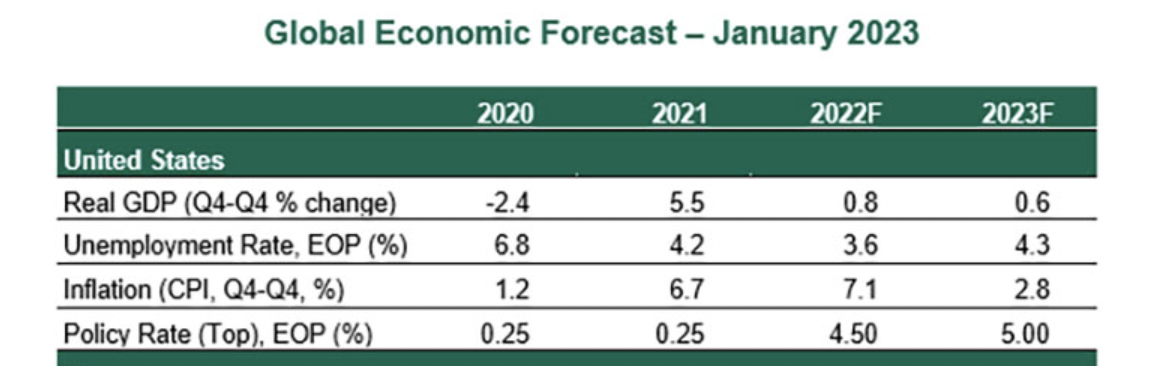
It is possible, contrary to the predictions of most economists, that the US will get through this disinflationary period and make the proverbial “soft landing.”
The Northern Trust Economics team shares its outlook for key markets in the month ahead.
U.S. equities finished mixed in a lackluster trading session, as Q4 earnings season shifted into a higher gear today.
Cathie Wood’s flagship strategy is on course for one of its best months on record, joining assets across Wall Street that are so far defying gloomy expectations for the year ahead in emphatic style.
The problem with speculation is that there’s usually a gap between the underlying risk and the inevitable outcome.
2022 was a year of disappointment and negative surprises as economies faced the consequences of geopolitical turmoil and central banks fighting inflation.
U.S. stocks are extending a late last-week rally, with Q4 earnings season set to shift into high gear.
The world’s leading CEOs, politicians, and various do-gooders were in Davos, Switzerland, this week, discussing ways to solve our collective problems and create opportunities for their own companies. The most important conversations were off the record and many of the public speeches were simply performance art.
A January survey conducted by Bank of America shows that 91% of money managers believe China will “fully reopen” in 2023. That’s a significant increase from December 2022. Growth expectations for the country are also at a 17-year high.
The America First trade that sent money gushing to the US over the past three years is finally starting to lose its shine as market optimism gravitates back to unloved markets outside of the world’s biggest economy.
Market watchers on Wall Street attribute this week’s stock selloff to the insidious threat of recession.
U.S. equities are higher, as the markets look to get back to their winning ways after a two-day losing streak.
A chart breakdown in the S&P 500. Signs of complacency in a closely watched options gauge.
The best start to a year for bond returns is helping fuel an unprecedented debt-sale bonanza by governments and companies around the world of more than half a trillion dollars.
The Loomis Sayles Emerging Markets Debt Sector Team shares their views on growth, corporate defaults and inflation.
Portfolio Manager Michael Oh, CFA, reviews what he seeks out in innovative companies and why he thinks Asia may be in the early innings of innovation in more than technology.
In 1817, David Ricardo developed his theory of comparative advantage to explain why countries engage in trade together, even when one country has an absolute advantage.
Investors don’t appear to have been fazed by the FAA mishap. Shares of U.S. domestic airlines finished Wednesday up more than 1% before advancing a further 4% on Thursday in response to positive earnings estimates.
A Nevada lithium mine that would be only the second in the US is getting backing from the Biden administration as it seeks to boost the domestic supply of the critical mineral needed to make electric vehicle batteries.
U.S. equities are lower in pre-market trading with the Street digesting a slew of results from the banking sector to kick off Q4 earnings season.
U.S. stocks are choppy as the markets wrestle with the implications of a highly anticipated December consumer price inflation report that showed the headline figure declined but the core rate rose, both in line with expectations.
The six biggest Wall Street banks are expected to slash their corporate bond issuance in 2023 for a second year in a row, offering a bright spot for investors nursing record losses from the debt last year.
Demand for Europe’s debt sales has topped half a trillion euros already this year as investors seek to put money to work in bonds offering some of the highest yields in years.
Emerging-market stocks extended their lead over US shares in the early days of the new year, with the equity benchmark rising to a six-month high against the S&P 500 Index.
Asia’s benchmark stock index was on track to enter a bull market, as China’s reopening and a weakening dollar lure investors back to the region.
Learn trading techniques to better control pricing when buying or selling ETFs.
An era of low inflation and low interest rates has ended.