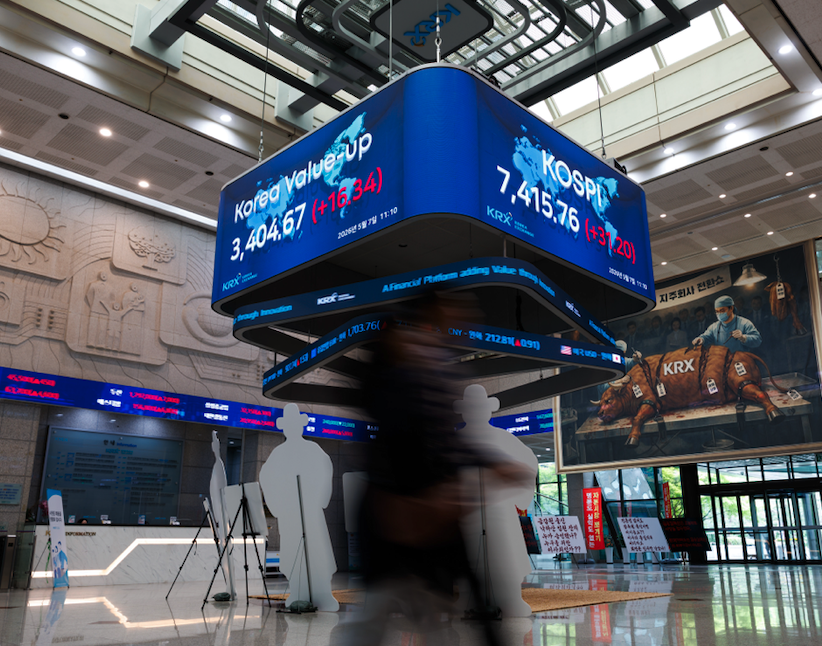
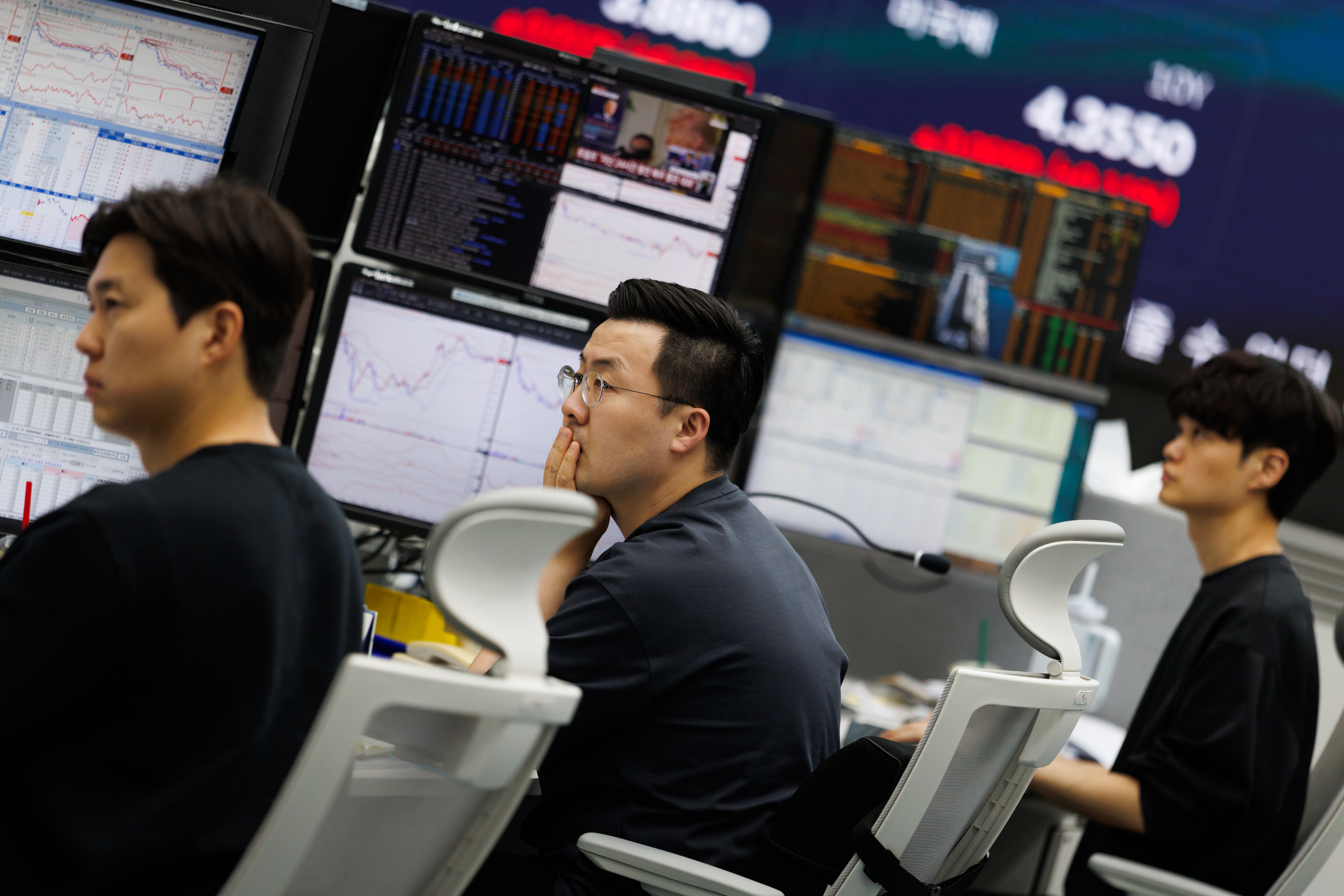
At first glance, the retreat of foreign asset managers is ominous. Signs of a domestic retail frenzy are everywhere. Cash deposits in local brokerage accounts have reached 137 trillion won ($91 billion), a two-third jump from six months ago.
Emerging markets (EM) are using low-cost renewables to cut fuel imports, stabilize power costs and improve energy security—positioning EM as the growth engine of the energy transition. Countries and companies that leverage their dominance in critical minerals and green technology could pull ahead, creating dispersion in potential outcomes for investors.
Model portfolios are a key pillar for asset managers competing for advisor and investor attention. They offer straightforward, pre-packaged tools that help investors target and achieve specific financial goals. Designing and operating models, however, takes a particular set of skills. Goldman Sachs Asset Management recently made a big hire therein.
With mega tech AI capital expenditure projected to cross a staggering $660 billion to $750 billion, according to estimates from firms like Goldman Sachs, CreditSights and Bloomberg, saying the stakes are high for Nvidia and the AI ecosystem is an understatement. It’s no wonder we can focus on little else this week.
While most institutional investors recognize that private equity and public equity share similar economic risks, they often seem to ignore how their aggregate equity portfolio is affected by their substantial allocation to private equity.
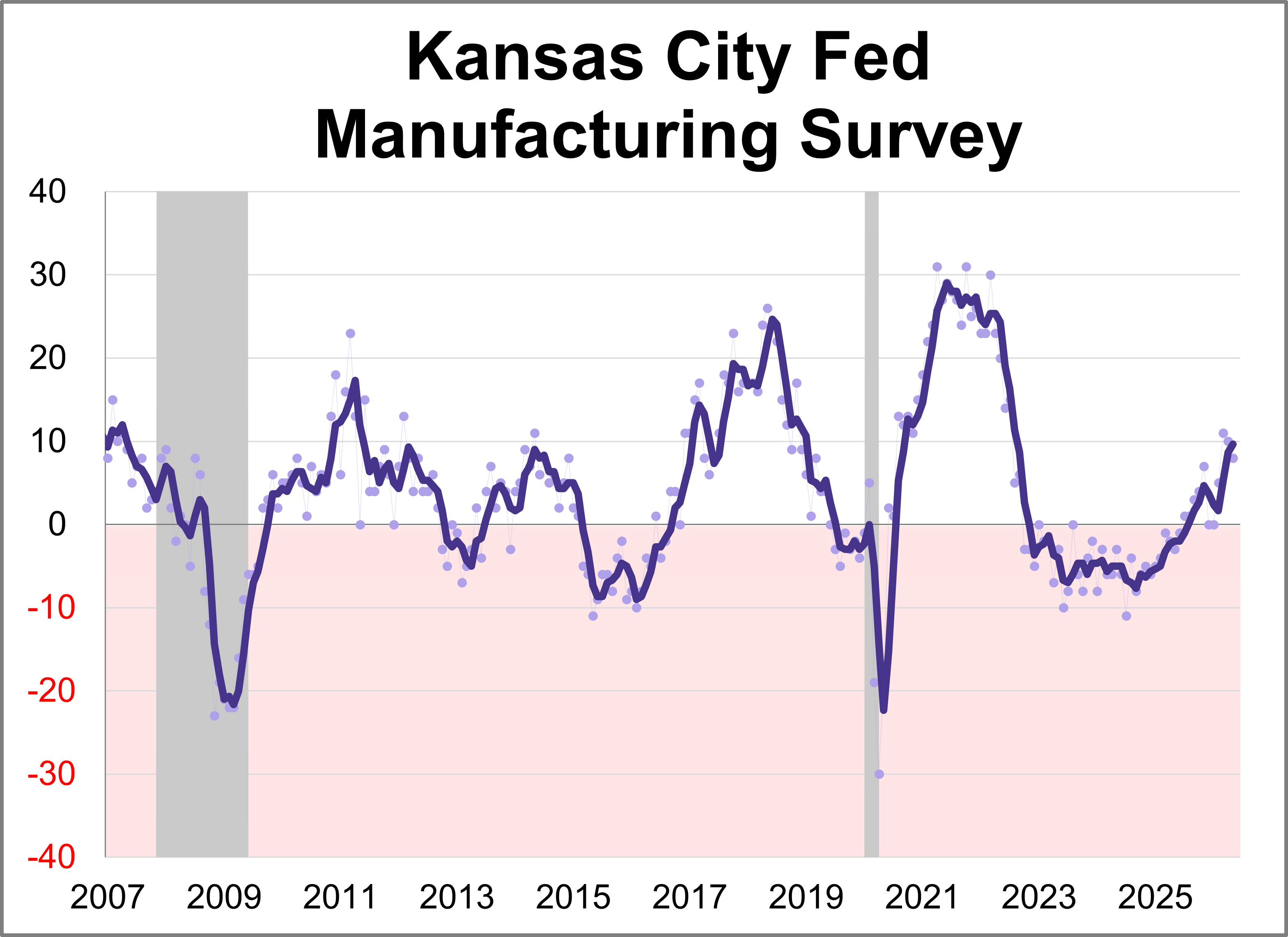
The Kansas City Fed Manufacturing Survey revealed regional activity continued to increase in May. The composite index came in at 8 this month, down slightly from 10 in April but still indicating continued expansion.
There’s a whiff of panic among investors these days. US Treasury yields have climbed to levels unseen in more than a year at the same time as a furious rally has left stocks near all-time highs. Surely, both moves can’t coexist for long, goes the narrative.
Wall Street is racing to turn computing power into a tradable commodity with the first ETFs being filed even before the futures contracts they would track have started to trade.
Nvidia Corp., facing more investor skepticism, used its latest quarterly report to tout progress in diversifying the company, which aims to rely less on the giant data center operators that have fueled its runaway growth.
Najimah Roberson, a lifelong renter, spent the past two years searching around Harrisburg, Pennsylvania, for a home she could afford — getting outbid nearly 30 times along the way.
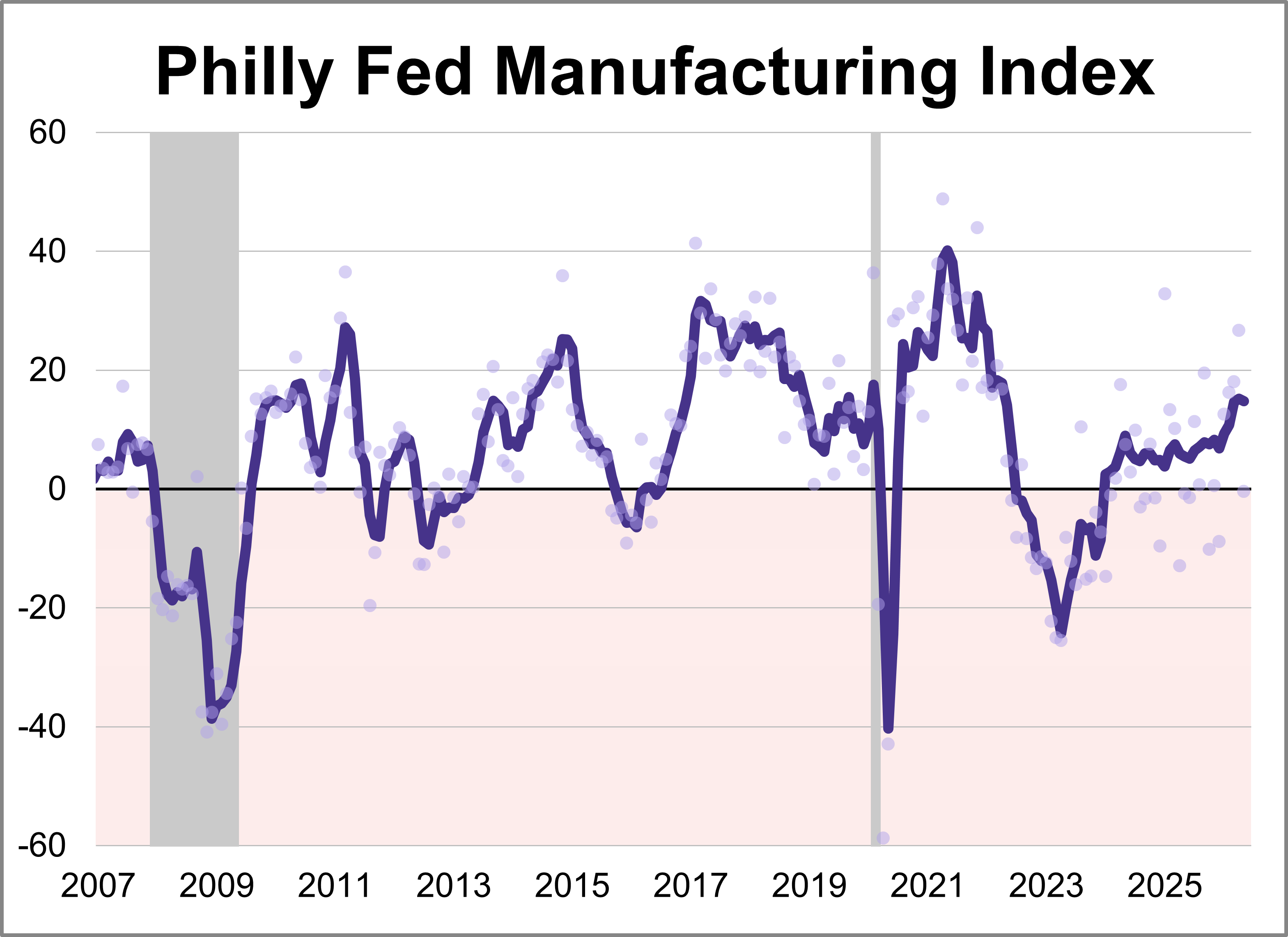
The latest Philadelphia Fed manufacturing index showed activity weakened in May, with the index sinking 27.1 points to -0.4. The latest reading marked the lowest level for the index this year and was worse than the forecast of 17.6.
Enterprise software is undergoing its most significant reset in a generation. Artificial intelligence (AI) is reallocating value within software—creating clear winners and exposing vulnerabilities in business models that have worked well for the past two decades. We believe investors who treat software as a uniform asset class will make costly mistakes.
The consumer is still spending, but with a higher level of caution. Inflation remains a persistent pressure point, particularly for lower- and middle-income households. This has caused the U.S. personal saving rate to fall to 3.6% as of March 2026, leaving significantly less breathing room for discretionary purchases.
LPL Research examines rising inflation risks amid geopolitical tensions, while resilient growth and strong investment support continued expansion.
It’s human nature to allow familiar patterns to guide our decision-making processes. But it’s just as important to recognize when changing conditions warrant a rethink. Return patterns in global equity markets appear to be shifting in ways that should prompt investors to revisit their allocations.
The exchange-traded fund marketplace continues to expand. Now with more than $20 trillion in assets under management ($14 trillion in the U.S., growing at an 18% five-year annualized clip), 2026’s volatility and emerging investment themes have taken the universe to new heights.
The "four horsemen" of the labor market are the unemployment rate, hiring rate, layoff rate, and vacancy rate. Analyzing them together may sharpen investors' read on the economy.
Inflation surged higher in April, with the Consumer Price Index (CPI) jumping 3.8 per cent from 3.3 per cent in March and the Producer Price Index (PPI) up six per cent from four per cent in March. The increase in the CPI owed much to energy and food prices.
Alex Evangeli has traded ETF products since 2007. He founded and led the fixed income trading business at Virtu Financial in Europe before relocating to New York to trade and lead the development of fixed income trading technology for the ETF block business.
Exchange traded fund inflows have topped $750 billion in 2026. This puts the industry on pace to challenge the $1.5 trillion annual record set last year, Todd Rosenbluth, head of research at VettaFi, told host Nate Geraci on this week’s ETF Prime. Both suggested the industry could approach or surpass $2 trillion by year-end.
The rapid deployment of artificial intelligence (AI) is evident; 99% of CEOs say their companies are investing in the technology. Apparently, AI is also quick at garnering assets. Launched less than three months ago, the Pictet AI Enhanced US Equity ETF (PQUS) is already approaching the $100 million mark in assets under management (AUM).
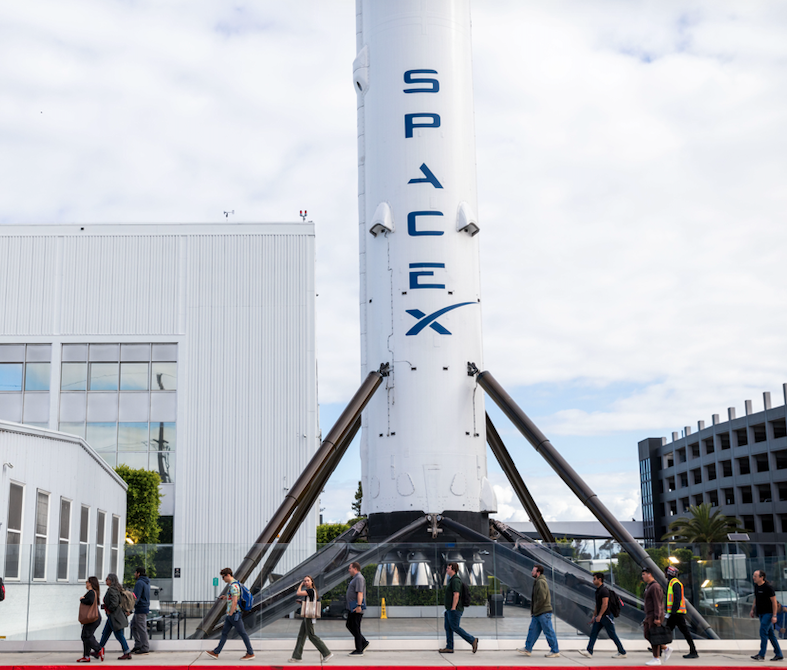
Space has evolved from a niche corner of the stock market into an area that offers the potential for diversity and growth. The euphoria around SpaceX’s market entry is driving fresh investor flows into the sector. Since the news of the offering first became public in early December, smaller space and related stocks have soared.
Veteran strategist Jeff Currie said the world is in the early stages of a commodity supercycle that may last another decade or more as the artificial intelligence buildout collides with chronic underinvestment in energy and materials capacity.
The Texas Permanent School Fund bought more than 29 million shares totaling about $740 million worth of the State Street IG Public & Private Credit ETF, trading under the ticker PRIV, in the first quarter, according to a filing Friday.
Nineteenth-century oil processing plants used simple, column distillation of crude oil to produce kerosene, which was in high demand for lighting lamps. The process also yielded a dangerously flammable byproduct called gasoline which had no obvious use.
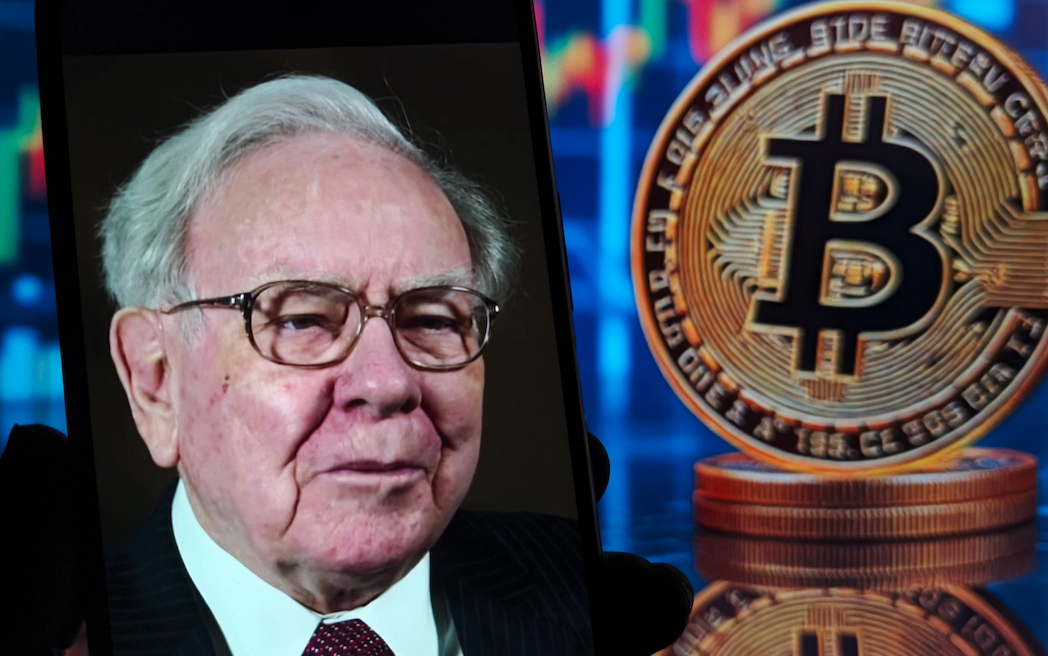
That Buffett cash hoard has also created a lot of speculation, innuendo, and assumptions, which is what I want to walk through in today’s discussion. Primarily, what that cash hoard actually represents, the popular theories explaining it, and what it really costs shareholders to hold.
One thing most people don’t know is that prior to the invention of the Fed, other than during wars, there was almost no inflation. Various sources including the Federal Reserve regional banks show the purchasing power of $1 in 1900 was the same as or higher than it was in 1800.
Emerging market debt is compelling as a medium‑term structural allocation, particularly for investors seeking to diversify away from concentrated U.S. exposures.
Tax-equivalent yields on high-quality munis are hitting 7% to 9%. Discover how WisdomTree ETFs, WTMU and WTMY, exploit the steep yield curve.
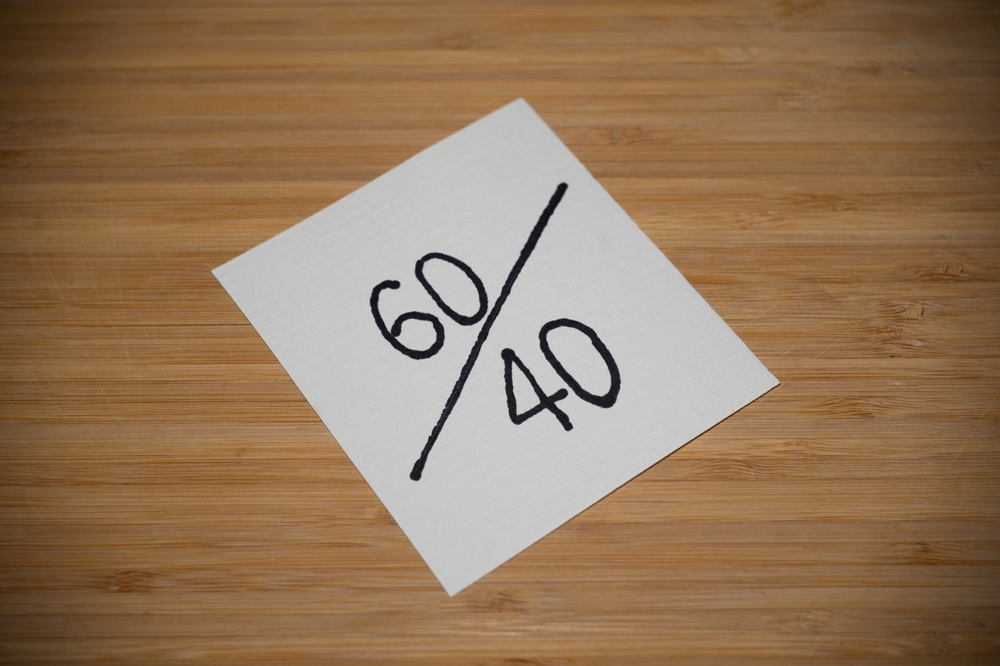
As inflation lingers and market dynamics shift, advisors are rethinking the 60/40 portfolio with managed futures and options income ETFs.
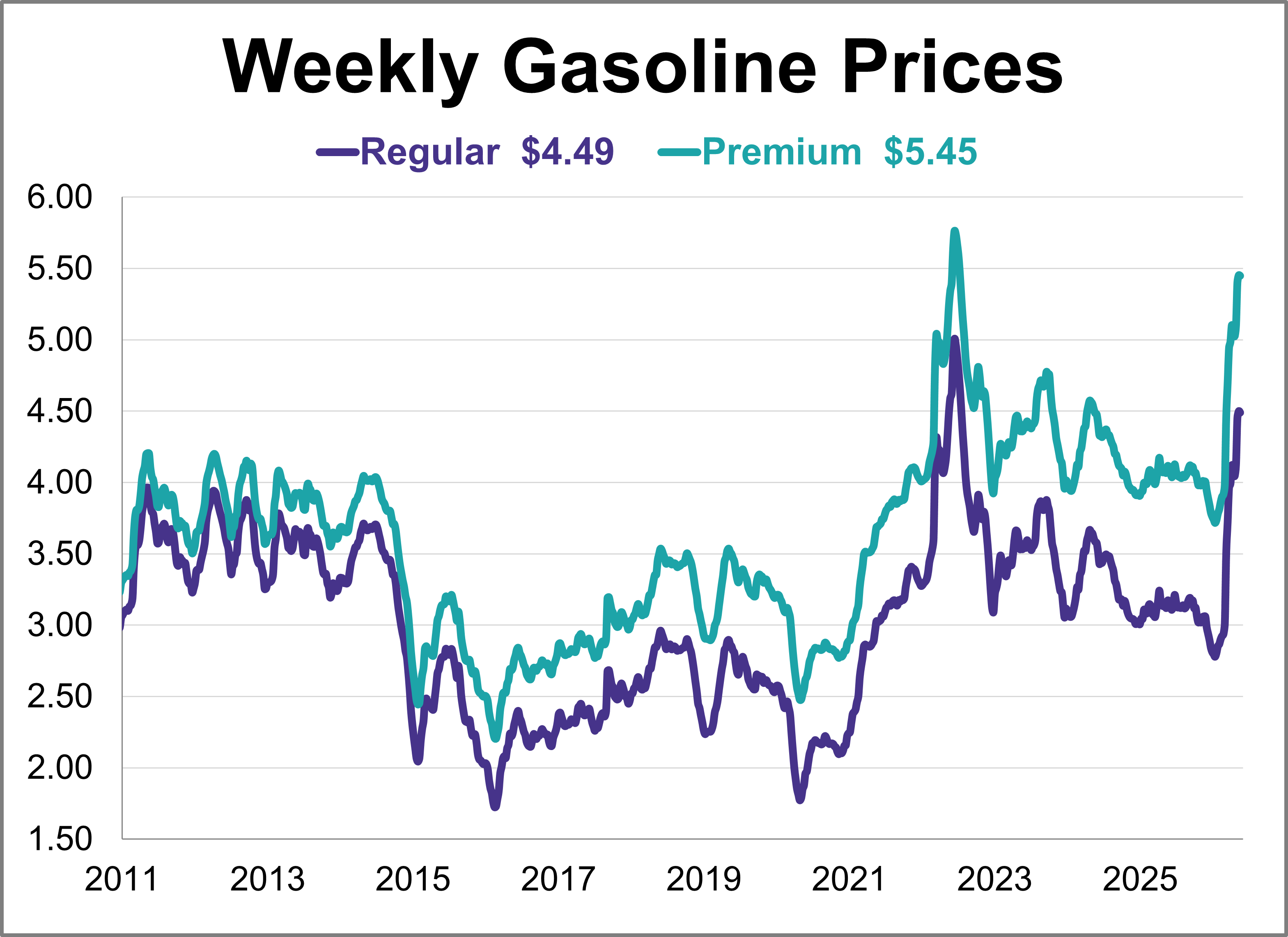
Gas prices were relatively flat this week, remaining at their highest level in nearly four years. As of May 18th, weekly prices were down 1 cent for regular and were unchanged for premium.
The percentage-of-assets fee is so embedded in advisory economics that most firms treat it as a fixed constant rather than a business decision. It shapes how you staff, how you plan, and how you define the relationship with clients. But the AUM model is neither as old nor as inevitable as it feels.
Bringing family into an advisory firm is not a shortcut. It can add complexity and raise expectations. But when the mission is clear, standards are applied consistently, and systems are strong, involving family can create meaningful long-term stability. That stability, however, depends on fairness.
The 30-year rate increased six basis points to 5.18% on Tuesday, a level last seen on the brink of the global financial crisis in 2007, rising alongside US government yields across maturities.
Investors are pouring money into commodities funds as the US-Iran war stokes inflation, according to Invesco Ltd.
The nothing-burger that came out of the Xi-Trump summit drove home a new reality for global investors. The NACHO trade, which stands for “not a chance Hormuz opens,” is on. Prospects of prolonged inflation have risen, sending global bond yields higher and the US dollar stronger.
We’ve all been in meetings that “could have been an email,” so why not have a jury trial that could have been an AI prompt?
I’ve long been a student of game theory, the branch of mathematics that studies how rational actors make decisions when their outcomes depend on what everyone else does. It’s a helpful framework for understanding markets and geopolitics, and right now, there’s no better place to apply it than Taiwan.
AI has moved from buzzword to business reality. For Advisors and RIAs, the question is no longer whether AI will matter. It’s how fast your practice can use it to remove friction, improve service, and stay focused on the work clients actually value.
The artificial intelligence (AI) evolution moves at breakneck speed. While generative AI is still a significant part of the underlying investment thesis, physical AI is rapidly accruing momentum.
The summit in Beijing between US President Donald Trump and Chinese President Xi Jinping delivered little in the way of diplomatic breakthroughs but bears important cross-asset implications.
As Kevin Warsh takes over as Federal Reserve chair with his own goals, he may face challenges even beyond rate policy, from inflation to independence to a bulbous balance sheet.
Chemistry is a vital component when building an organizational powerhouse. This applies not only to just sports, but also the executive world. In the NBA, the New York Knicks assembled the “Nova Knicks.” This effectively reunited a championship-caliber core of Villanova alumni in Jalen Brunson, Josh Hart, and Mikal Bridges.
Leadership transitions at the Federal Reserve (Fed) are rare. Only seven individuals have served as Fed chair since the 1970s, underscoring how infrequent turnover is at the Fed’s top job. That rarity is why investors pay close attention when a new chair is appointed, especially when the incoming leader brings a different perspective. Kevin Warsh has been a vocal critic of Fed policy and communication in recent years.
The sooner the mass of retail private credit managers realize they are zombies and give up the ghost, the sooner we can burn the whole thing to the ground and conjure a better model from the ashes. But there is no time like a crisis to have conversations about how to make the structure work better for everyone in the future!
Semiconductor stocks, along with some computer hardware companies, are the market’s latest AI darlings. Momentum and gamma are driving the outperformance, and, in their wake, a supportive narrative is trying to justify it.
In this episode of "ETF of the Week," Todd Rosenbluth (Head of Research at VettaFi) joins Chuck Jaffe to dive into the Roundhill Memory ETF (DRAM). Launched in April 2026, this fund has shattered records, amassing over $6 billion in assets in just over a month.
Investors were forced to pay attention Friday, when the most interest-rate sensitive corners of the market saw big plunges in an ugly market selloff. The small-cap Russell 2000 Index dropped 2.4% for the biggest single-day decline since November.
Yields on US bonds dipped as much as three basis points Monday after Iran’s semi-official Tasnim reported that Washington proposed a temporary waiver on Iran oil sanctions until the final agreement, citing a source close to the negotiation team.
In the race to build the infrastructure that powers artificial intelligence, Alphabet Inc.’s Google has an enviable position: The company has a healthy cloud computing business, makes its own chips, and has struck deals to share them with companies like Anthropic PBC and Meta Platforms Inc.