Kevin Warsh has rightly called into question the effectiveness of the Federal Reserve’s communications — but his arrival as chairman only seems to have made the problem worse. To put this right after the next Fed meeting this week, he’ll need to rethink his approach to explaining where things stand.
The future of retirement planning is not a new model replacing an old one, but a more holistic approach that blends rigorous analytics with important client input. Advisors who adopt this integrated model will find that it deepens client conversations, clarifies tradeoffs, improves long-term decision-making.
The latest inflation report points to a hard truth: The US is not going back to a 2% inflation rate anytime soon. At least not easily.
Periods like this can feel especially tense, with higher stakes and more urgent headlines. Yet over time, markets have shown they are forward-looking and resilient, absorbing uncertainty rather than freezing in it. While today’s geopolitical backdrop may feel unsettling, it fits a long history of disruptions that markets have ultimately navigated.
As I go through the strengths and weaknesses of each model, my goals are to point out where the models are strong and to point out potential weaknesses such as conflicts of interest, which are important to be aware of in working with clients. Although we are all fiduciaries, financial incentives matter because we are all human. I know great advisors across all fee models.
Heading into the September 16 FOMC meeting, the debate over whether the Fed should raise rates or hold is heated. To help you appreciate the range of views, I present this article as a courtroom exercise. I will let the prosecution make its case for a rate hike, and the defense for a hold.
ETF share classes represent a structural innovation that combines the benefits of mutual funds and exchange-traded funds (ETFs) within a single pooled portfolio. This evolution expands investor choice, offering both ETF and mutual fund shares under a unified investment strategy.
Market madness has never been hard to diagnose. It’s almost two centuries since Charles Mackay published Extraordinary Popular Delusions and the Madness of Crowds. Benjamin Graham pioneered value investing in the 1930s by inviting everyone to think of “Mr. Market” as a manic-depressive who makes mistakes that can be exploited.
America’s data center boom will need $110 billion to build 45 gigawatts of new power generation through 2030, according to an analysis by Moody’s Ratings.
The list of challenges confronting Wall Street piled up this week. Oil firmly above $100. Inflation refusing to disappear. A defiant bond market that all but dared Scott Bessent to bring more policy firepower.
China criticized warnings from leading US technology executives to put the brakes on artificial intelligence development and claims that Chinese progress posed a dire security threat to the world.
The bond selloff has driven a key Treasury yield to the verge of 5%, worsening angst from Wall Street to Washington about higher borrowing costs hitting the US economy.
US convertible bond sales have reached their highest annual total on record, according to data compiled by Bloomberg, as companies look to fund heavy artificial intelligence-related spending.
Wall Street has a rule for how equity bull markets end: the economy rolls over or the Fed tightens until something breaks. Neither is in place right now, but rate risk is creeping back.
US stocks fell for a fourth straight day, their longest slide since June, as the relentless climb in oil prices and fresh evidence of sticky inflation boosted Treasury yields and bets the Federal Reserve will lift interest rates.
A quarter-century after the Sept. 11, 2001, terror attacks, families returned to the World Trade Center site on Friday to read aloud the names of the dead, marking a milestone anniversary of a tragedy that reshaped America.
A key gauge of US consumer prices rose by more than expected last month, bolstering the case for Federal Reserve officials to raise interest rates next week.
Federal Reserve officials have signaled they’re prepared to raise interest rates if inflation doesn’t improve soon, but they may find their main policy tool will do little to restrain some of the forces pushing up prices now.
Meta Platforms Inc. was upgraded to overweight at JPMorgan Chase & Co. on Thursday, the latest example of how sentiment toward the Facebook parent’s position with artificial intelligence has been improving.
Gold hovered near $4,400 an ounce, as traders awaited US inflation data due later this week for clues as to whether the Federal Reserve will hike interest rates this month.
The midterm election season has entered its final stretch, and Wall Street is busy drawing up game plans for a range of scenarios. Yet, in a fortuitous turn of events, the best outcome for markets is also looking like the likeliest one.
Brent oil spiked to $105 a barrel as rising tensions in the Middle East heightened concerns over global supplies.
The alternative is to be proactive by helping a grieving client name and address the financial concerns that loss creates, without ever rushing them. Doing that well takes two things: an understanding of how grief actually unfolds and a deliberate process for the conversation itself.
As clients come to advisory shops more informed, due to the plethora of financial advice available online, firms will need to be able to “stress test the information or bias” they arrive with. A comprehensive team, with training across advisory areas, can offer clients more depth of service.
When navigating leadership decisions that leave a team feeling underappreciated, offering benefit of the doubt can reduce personal frustration and help maintain productive daily interactions.
Every year, Americans send hundreds of billions of dollars of retirement savings to life insurers in return for annuities that promise a future income. It’s an industry built on trust and prudence.
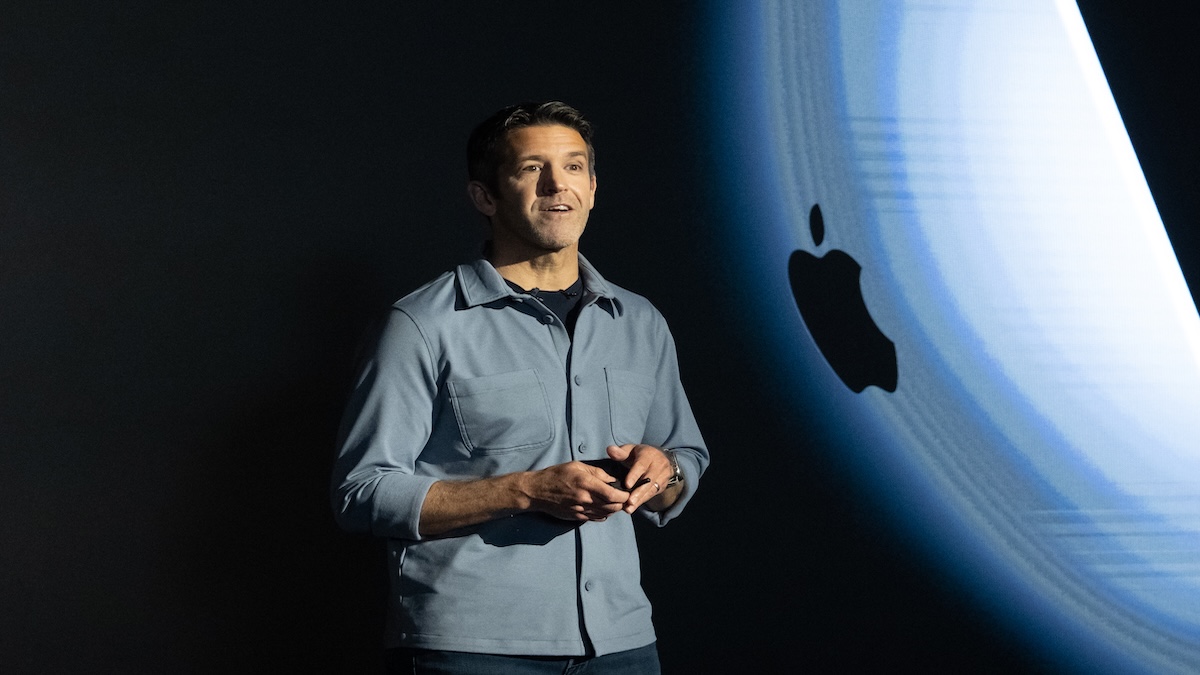
Apple Inc.’s $570 billion summer surge is saddling new Chief Executive Officer John Ternus with high expectations heading into the company’s most anticipated event in years: the unveiling of the foldable iPhone on Wednesday.
At least a third of all Federal Reserve officials have said they would consider meeting less frequently to set interest rates, giving Kevin Warsh an early opening for one of the biggest structural changes he’s proposed as the central bank’s new chairman.
Defiance ETFs has submitted paperwork to the US Securities and Exchange Commission for a series of leveraged funds that would seek to double the moves of some individual stocks — over periods measured in just hours, rather than days.
Donald Trump’s pledge to ensure that Bitcoin mining activity is centered in the US is rapidly disintegrating under the twin forces of the artificial intelligence boom and a prolonged crypto slump.
Direct venture investment rewards a rigorous, patient approach. The companies that generate exceptional returns tend to combine all three factors above: genuine growth momentum, clear category ownership, and strong institutional support.
The value of actively bringing the quieter partner into the conversation by turning toward them, making eye contact, and asking for their thoughts. Even if the answer is still a shrug, the question signals that their view belongs in the conversation.
Organizations are beginning to rethink how development projects are priced. One emerging approach is the use of a max-price software model. This establishes a predefined budget ceiling while allowing priorities to evolve throughout the project.
Stock investors are caught between the pull of strong earnings and mounting macroeconomic risks, with key events carrying binary outcomes that argue for some protection.
Healthcare automation startup Forus has raised $150 million at a $3 billion valuation just months after completing a previous funding round.
Around 2020, Apple Inc. Chief Executive Officer Tim Cook returned from a trip to Asia unusually energized about a new product category: foldable phones.
SpaceX’s stock has been stuck in a tight trading range recently, but a wave of new buying may soon arrive when the Nasdaq 100 Index goes through its quarterly rebalancing later this month.
A sudden reversal in momentum for previously high-flying shares of industrial companies over the past three weeks has some investors bracing for more pain ahead.
If you were Nvidia Corp. Chief Executive Officer Jensen Huang and you were laying out a few sector-shifting artificial-intelligence trends that could take shape over the coming months and years.
Apple Inc. has spent much of the past 15 years refining existing product lines and launching services to generate more recurring revenue. There have been a few fresh device categories, like the Apple Watch and AirPods, but no steady stream of new concepts.
Anthropic PBC is set to finalize an expansion of its revolving credit facility to $15 billion, according to people familiar with the matter, clearing a hurdle before the artificial intelligence firm’s public filing for its highly anticipated IPO.
The US Securities and Exchange Commission is eyeing a plan to expand access for retail investors to private markets and allow investment advisers to charge performance fees to a wider set of clients.
Sift through the filings of pension funds and insurers around the world and one thing stands out: some of the biggest holders of US assets have little protection against a weaker dollar, leaving the currency at risk of steeper declines if sentiment suddenly turns.
How should investors think about today’s stock market valuations? The answer likely sits between rich and cheap. If earnings keep growing rapidly alongside AI spending, the market, in aggregate, may be fairly priced despite CAPE's warning. But a recession — or a slowdown in planned AI spending — is a real risk to that outcome.
True diversification means gaining exposure to different drivers of performance rather than simply holding a larger count of securities. For many retail investors, this exposure is available through listed infrastructure funds, utility strategies, and ETFs focused on energy storage and industrial innovation.
The National Football League is holding off on making any alliances with prediction market companies even as many other top leagues and events embrace the new form of sports betting.
US job growth surged in August and the unemployment rate held steady, suggesting the labor market has more momentum than previously thought.
US stock futures erased early gains to briefly touch session lows on Friday after the US added 162,000 jobs in August, raising concerns that the Federal Reserve may hike interest rates soon.
More than a year after wildfires devastated Pacific Palisades, a nonprofit is advancing a plan to tap the public debt market to create housing in the slow-to-recover Los Angeles wealthy enclave.
Global bond yields have climbed to the highest levels in almost two decades, pushing up mortgage repayments and corporate financing costs. But one corner has remained unusually resilient: emerging markets.