Policy changes at the Bank of Japan could potentially reverse capital flows, shift global yields higher, contribute to a stronger yen, and increase the value of Japanese stocks.
While bond prices are generally down, the income they provide is up, providing potential opportunities for fixed income investors.
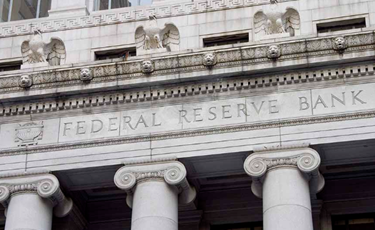
With unanimity, the Fed opted to keep the fed funds rate unchanged but remains attentive to the idea that inflation risk should still be paid attention to.
Earnings results thus far underscore the strong bifurcation within the market, which is confirmed by the continued deterioration in breadth throughout the current correction.
With the Federal Reserve poised to change direction, investors who have been investing in very short-term securities may soon face "reinvestment risk."
Investments in alternative energy have become unattractive due to higher interest rates, not changes in government policies, adoption or pricing of green technologies.
While surface-level economic data appear resilient, details below the surface are mixed.
Interest expense is a large and growing issue for both the economy and stock market, which reinforces why investors should stay up in quality amid interest-rate-driven headwinds.
A run of shrinking quarterly profits may finally end soon, but it's probably not time to break out the champagne just yet.
As the Federal Reserve signals it will keep interest rates higher for longer, the market appears to be reflecting the uncertainty about the path of policy going forward.
Corporate defaults and bankruptcies are on the rise, but we don't believe it should be a concern for investors who hold highly rated corporate bond investments, like those with investment-grade ratings.
Expectations of "higher for longer" U.S. interest rates has helped drive the dollar's recent rally.
Certificates of deposit (CDs) and Treasuries both can offer steady, predictable investment income—but how to decide between them? Here are five factors to help you choose.
Monetary tightening still continues in the form of quantitative tightening, bringing potential volatility, earnings pressures, and lackluster performance to stock markets.
Historically, government shutdowns have not caused a major reaction in the markets. But shutdowns can increase market volatility, and an extended shutdown could have an impact on the overall economy.
The Federal Reserve weighs the data while investors wonder: Is the rate-hike cycle over?
The September Federal Reserve meeting provided few surprises, but ongoing uncertainty about the Fed's next move may mean more volatility ahead.
A return to the Great Moderation Era looks unlikely, which might lead to an increasingly volatile—and somewhat unfamiliar—inflationary, economic, and geopolitical landscape.
It’s no secret: being an independent Registered Investment Advisor means having the freedom to always do what’s right for your clients. With ultra-affluent clients, extra special attention and resources are needed. Enter the Multi-Family and Single-Family Office. Through a broader suite of services and expertise, these firms help families oversee their entire financial lives while preserving their privacy, objectivity, and access to solutions. And there’s a growing need for more.
“In this industry, the more solutions you provide, the happier and more satisfied clients are, and the more willing they are to provide introductions to you.” Shannon Kennedy, Global President at BMO Family Office.
To see what it takes to build the Multi-Family or Single-Family Office you’re dreaming about, and what the future has in store, download this white paper with comprehensive perspectives, model breakdowns, and more.
Competing narratives have emerged to describe the state of the U.S. economy.
Changes in sentiment may drive the performance of the Eurozone equity markets, even with disappointing economic data.
We expect yields to fall later this year and into 2024 as inflation continues to cool.
The August jobs report confirms the labor market's continued slowdown, which is for now consistent with the Fed's soft-landing desires—but not without warning signs.
Although high-yield bonds have performed well so far this year, we continue to take a cautious view.
Markets are prone to cyclical behavior, which presents risks and opportunities for investors. Here are some basics investors should know about market cycles, recessions, and recoveries.
China's economy may have spillover effects on global economic and earnings growth, but it's unlikely to lead to global financial contagion and send stock markets materially lower.
Taxable municipal bonds may be an attractive option for investors in lower tax brackets, but there are things investors should know before making a decision.
With the path of least resistance for stocks seemingly lower for now, key to watch will be a stabilization in interest rate volatility and clarity on the path of monetary policy.
Foreign stocks are again competitive with their domestic counterparts. Here are four ways to gain exposure.
As businesses worldwide adopt technology, the innovation of AI may result in market leadership changes, global economic growth, and investor opportunities.
Will the economy roll into a formal recession, or is a recovery underway? It's a close call.
Earnings season has thus far been a mixed bag, and despite a notable increase in the beat rate, the market is rightfully shifting focus to guidance for the rest of the year.
The surprise move takes the rating to AA+ from AAA.
Everyone’s journey to the independent Registered Investment Advisor (RIA) model is different. It’s about taking a series of small steps, knowing they could add up to something big. And if you’re unsure of where to start or just looking to learn more about what’s involved in the process, this interactive whitepaper could hold the answers. It’s a compilation of the knowledge and learnings from Schwab’s more than 35 years of working with thousands of financial advisors as they make the switch.
During the past decade, a turnaround in the Golden State has resulted in higher credit quality for many issuers.
Central bank policies are set to diverge from the steady hikes characterizing the first half of 2023, contributing to increased market volatility for the remainder of the year.
In a unanimous decision, Federal Reserve policymakers raised the federal funds rate to 5.5%, the highest point since 2001.
There are multiple factors to consider, including your tax rate.
The recent broadening out in market breadth has been accompanied by frothier investor sentiment, but using sentiment as a market-timing tool is tricky (if not impossible).
A high probability for an El Niño event in the second half of 2023 brings concerns of extreme weather, persistent inflation, supply chain disruptions, and market volatility.
As summer temperatures peak, inflation just won't completely cool down. The question is how much more the Federal Reserve should do about it.
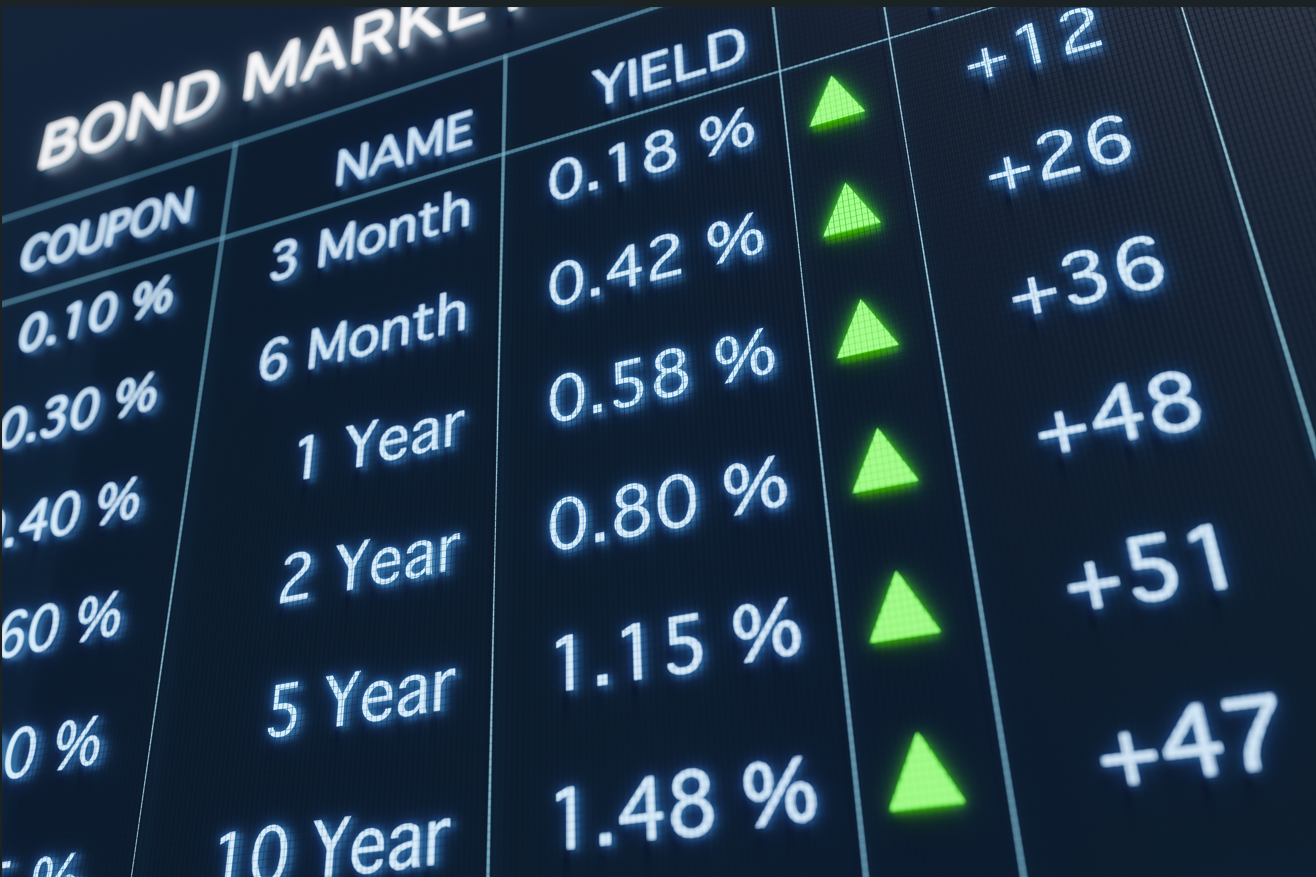
Now that short-term Treasury yields have reached 5%, further upside is likely to be limited.
The recent collection of labor data has painted a mixed jobs picture, but underlying wage strength and still-strong payroll growth will likely keep the Fed in a hawkish position.
Given attractive yields and strong credit conditions, we have a positive view on the municipal bond market for the second half of the year.
India's growth initiatives and demographics may help its economy continue to advance; its stocks seem to have priced in high expectations for the world's fifth-largest economy.
After falling into its own recession last year, the housing market has started to turn decisively higher; but a sustained recovery might not be the strongest elixir for the economy.
We expect generally good performance during the second half of the year, although volatility may increase, especially for high-yield bonds.
Japanese stocks may help boost the performance of international markets although the unique nature of Japan's economic and business structure could pose some risks.
Though recent data suggests China's re-opening growth has slowed, it's likely temporary. As China's recovery continues, it may have implications for U.S. inflation and rates.
With unanimity, the Federal Open Market Committee held the federal funds rate in its current range, but updated projections suggest this rate-hike cycle is not yet over.