They don’t make technology predictions like they used to.
What will the workplace look like a year from now? The snow globe of work has been undeniably shaken to its core since the arrival of Covid-19.
It’s hard to believe that the post-Covid world at one point was supposed to usher in a new consumer-led boom worthy of the “Roaring Twenties.”
Enjoy the latest Newsletter from Harold Evensky.
U.S. stocks continue to oscillate around the unchanged mark.
The end of 2022 can’t come soon enough for many in the banking industry. Sputtering capital markets, job cuts, raging inflation, the crypto meltdown and rising interest rates marked a year of upheaval.
U.S. stocks are rising in pre-market action in the first trading session of the week following the long holiday weekend.
Technology stocks are headed for their worst December since the bursting of the dotcom bubble two decades ago as optimism about potential relief from Federal Reserve interest-rate hikes fades on signs of labor-market strength.
Millennials want to be valued team members. They value productive working relationships with their supervisors. Here my leadership lessons for millennial team members.
Private credit can be an attractive asset that has provided high yield and protection against the risks of rising inflation. In addition, the asset class has a strong credit history – specifically senior, secured, sponsored debt.
Banco Bradesco SA, Brazil’s second-biggest bank by market value, plans to buy more minority stakes in tech companies to speed up its expansion in the US.
U.S. equities are modestly higher but near the unchanged mark in pre-market action.
Stubbornly high inflation, soaring borrowing costs and geopolitical uncertainty hindered dealmaking in 2022, sending global mergers and acquisitions activity down by almost a third compared with last year’s record haul.
As the world economy prepares for a true transition to decarbonization, interest in renewable energy has re-emerged as an important topic for investors. This interview features Rene Reyna, who is head of thematic and specialty product strategy for the ETFs and Indexed Strategies teams at Invesco.
The year isn't yet done with rattling investors' cages. The Bank of Japan’s surprise widening of its yield curve-control policy on 10-year government bonds will have an impact far beyond its shores.
For a century, the world’s oceangoing fleet has been powered by crude. The 50,000 ships plowing the high seas consume more than five million barrels every day, not much less than all the aircraft in the sky.
Private equity titans including KKR & Co. and Thoma Bravo pursued unorthodox paths to dealmaking this year in response to a challenging environment likely to persist in 2023.
The economics teams looks back at the most significant stories we covered during 2022.
Here’s a breakdown of the pros and cons of trading in your traditional bank for a virtual banking experience.
Amazon.com Inc.’s founder has long been obsessed with the company’s beginning — and its end.
“I have never seen so much bearishness in the market,” Jeremy Siegel said, “which is a great sign for stock investors.”
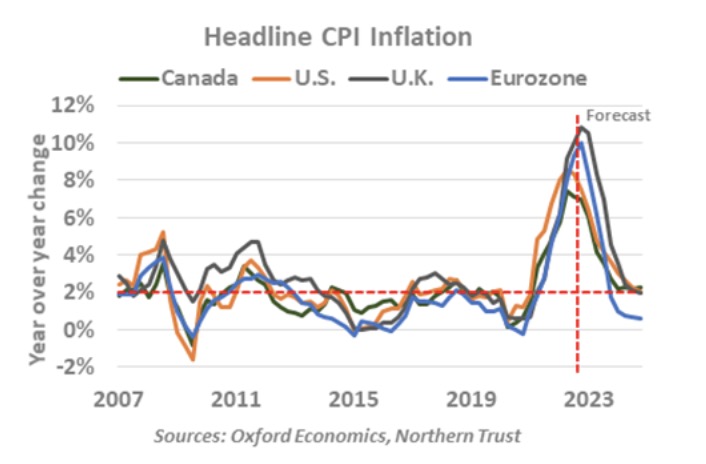
Inflation trends are moving in a favorable direction, but the change is likely too slow for the Fed to take its foot off the brake anytime soon.
This important milestone is the culmination of decades’ worth of research and lots of trial and error, and it makes good on the hope that humanity will one day enjoy 100% clean and plentiful energy.
The European Central Bank is likely to continue hiking rates next year, but the end point remains uncertain.
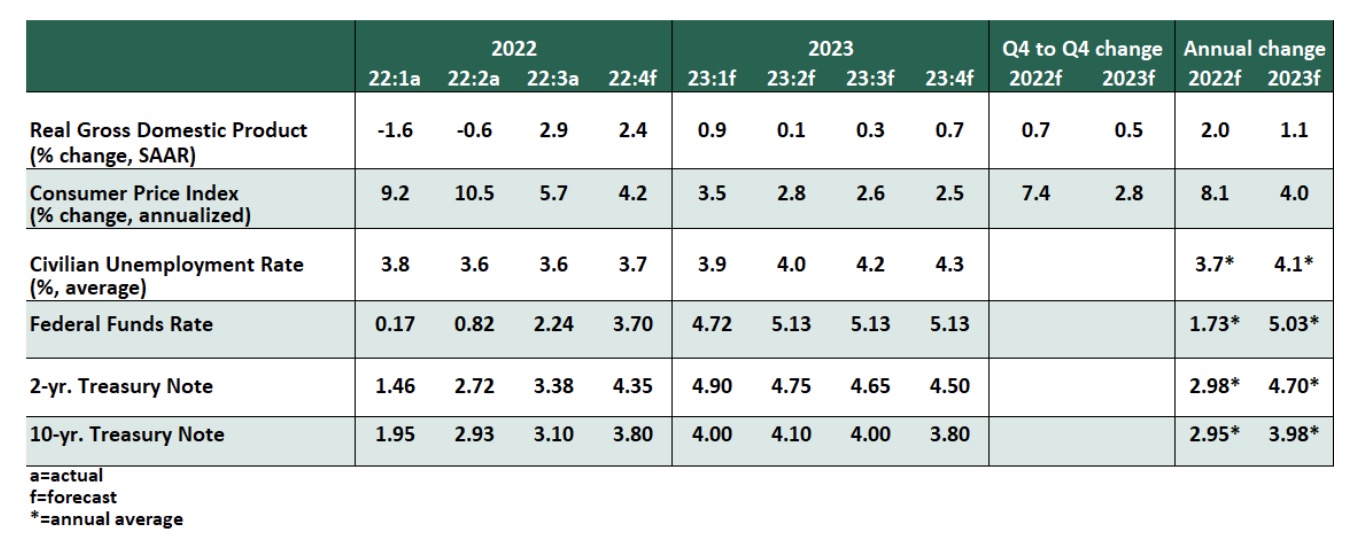
The Northern Trust Economics team shares its outlook for inflation, growth, employment and interest rates.
U.S. stocks are solidly lower as the markets continue to digest the economic implications of yesterday's 50-bp rate hike from the Fed.
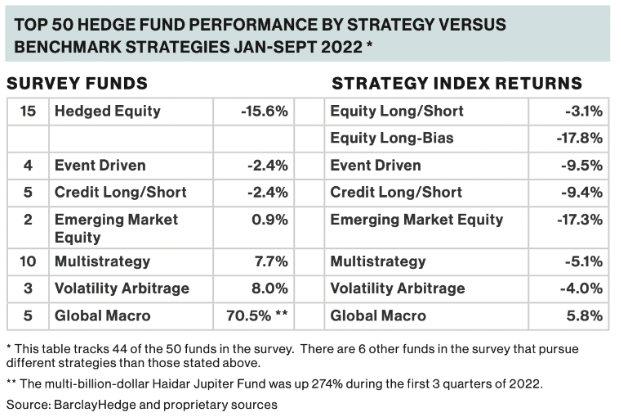
Global Investment Report's 3Q Update of the 2022 hedge fund survey.
One thing to consider when opening a 529 plan is whether it should be a custodial or individual account. While both allow you to save for college costs and enjoy some tax breaks, they differ in terms of who has control of the account and the assets in it.
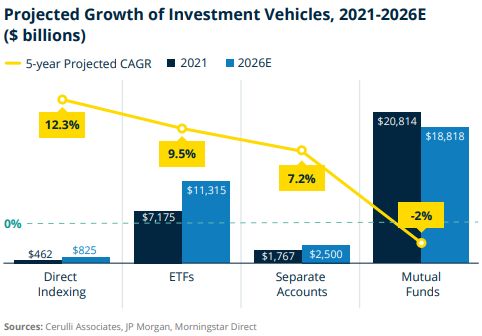
Over the coming years, Direct Indexing is expected to grow at a faster rate than traditional financial products such as mutual funds, exchange-traded funds (ETFs), and separate accounts.* But what does it have to do with you and your clients?
The current market environment is attractive for a covered call strategy.
U.S. stocks are soaring in pre-market trading amid a softer-than-expected November consumer price inflation report.
As the US economy veered toward the biggest inflation shock in four decades, investors flocked to the one corner of Wall Street that seemed a sure-fire refuge: Treasuries that provide extra compensation to keep up with rising consumer prices.
Rather than feudalism, we are headed toward hyper-capitalism, where each person is an entrepreneur constantly selling his or her services to the highest bidder.
We’ve broken down nine of the best 529 plans.
It has been my tradition to informally rate the investment-related books I read in the past year.
Ole Hansen, respected commodity strategist at Denmark’s Saxo Bank, says it’s possible once markets realize that global inflation will remain hot despite monetary tightening. I believe, as I’ve said before, that gold could climb as high as $4,000.
As the debate heats up over ESG investing, fixed-income professionals say they need more data than what’s currently out there.
U.S. stocks ended higher in a quiet day, trimming some of the week's losses.
An index strategy that’s all about customization is expected to grow faster than other investment vehicles over the next four years as investors’ desire for personalization intensifies.
There’s enormous scope for India and Greater China to increase GDP per capita relative to the U.S. and other developed nations
As global warming worries approach critical mass, corporate bond investors expect issuers to be part of the solution.
Emerging-market central banks face a Catch-22 where plunging economic growth means they can’t keep monetary conditions tight, but elevated inflation doesn’t allow them to halt rate hikes either.
Let’s look at the powerful feature set an advisory firm could put together from a collection of the higher-rated, low-market-share programs and solutions that I’ve collected from past surveys, many of which you may not even be aware of.
Most advisors – from lifestyle advisors to the leaders of larger firms – have failed to create their desired level of success because they fail to invest in the asset with the greatest return.
After years of uncertainty around how U.S. retirement plans could consider ESG factors, the dust is finally settling. It’s official: A Nov. 22 rule issued by the Department of Labor (DOL) allows retirement plans to consider financially material ESG factors when selecting investments and exercising shareholder rights.
Over the past 12 months, global container shipping rates have steadily declined to their long-term averages as supply chain snarls have receded and backups at ports have disappeared. Now, another segment of the cargo shipping industry is seeing day rates explode to record highs.
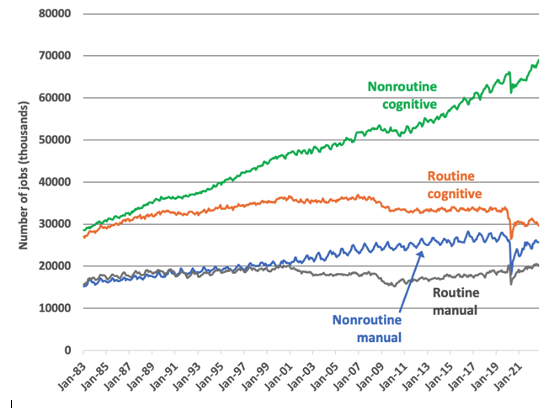
Change is constant, in the economy and everything else. We talk about it often. Yet when we talk about the economy changing, we usually mean the economy’s condition is changing—from expansion to recession, deflationary to inflationary, emerging to developing, etc. That’s different from changes in the economy’s actual structure.
One bad year in the stock market has turned Wall Street strategists into bears after two decades of bullishness.
U.S. equities are sliding as investors sift through the November labor report that showed stronger-than-expected job growth.
Review the latest portfolio strategy commentary from Mike Gibbs, managing director of Equity Portfolio and Technical Strategy.