Bitcoin options are showing that traders are setting their sights on a return to the $100,000 price level amid optimism that investors will turn back to digital assets following the crypto market’s crash in the fourth quarter.
On this special episode of the “ETF of the Week” podcast, VettaFi’s Head of Research, Todd Rosenbluth, reviewed some of his favorite ETFs of the Week picks from 2025 with Chuck Jaffe of Money Life.
The ETF industry just coming off a record year with nearly $1.5 trillion in net inflows. As we head into 2026, the "ETF Playbook" is changing. In this episode, host Nate Geraci is joined by Todd Rosenbluth, Head of Research at VettaFi, and Cullen Roche, Founder of Disciplined Funds, to break down the most critical trends facing investors this year.
Income ETFs can help retirees and their advisors navigate complicated economic times as they strive to meet their goals.
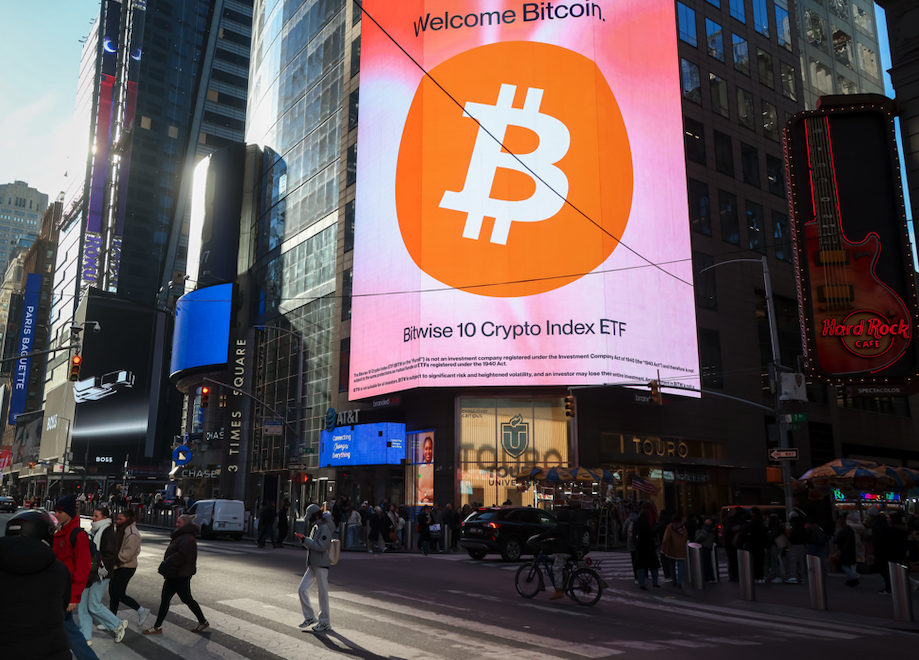
Morgan Stanley filed for Bitcoin and Solana exchange-traded funds, marking its first foray into the popular corner of the funds world two years after the explosion of crypto-focused ETFs in the US brought them into the mainstream.
We’ve reached the 100-year milestone for our dataset that we began collecting in the 1970s. We'll review key data from the prior century to gain perspective on that period and consider what it could mean for the future.
The construction of data centers has come to define the US economic narrative of 2024 and 2025. This unprecedented buildout reflects the urgent need to adapt national infrastructure to the rapid proliferation of artificial intelligence (AI).
Canada’s strong showing was part of a broader global rotation away from U.S. mega-cap technology stocks and into international “value” markets.
A plan-based benchmark changes the advisor’s role from portfolio reporter to progress partner. Instead of reviewing performance against a market index, the discussion can focus on metrics such as cash flow resilience, adherence to the risk budget, and after-tax outcomes.
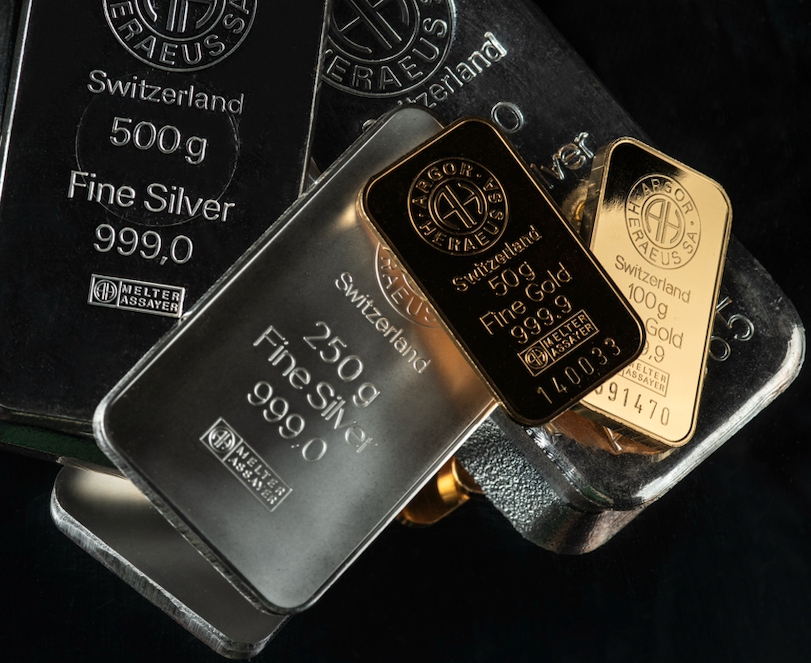
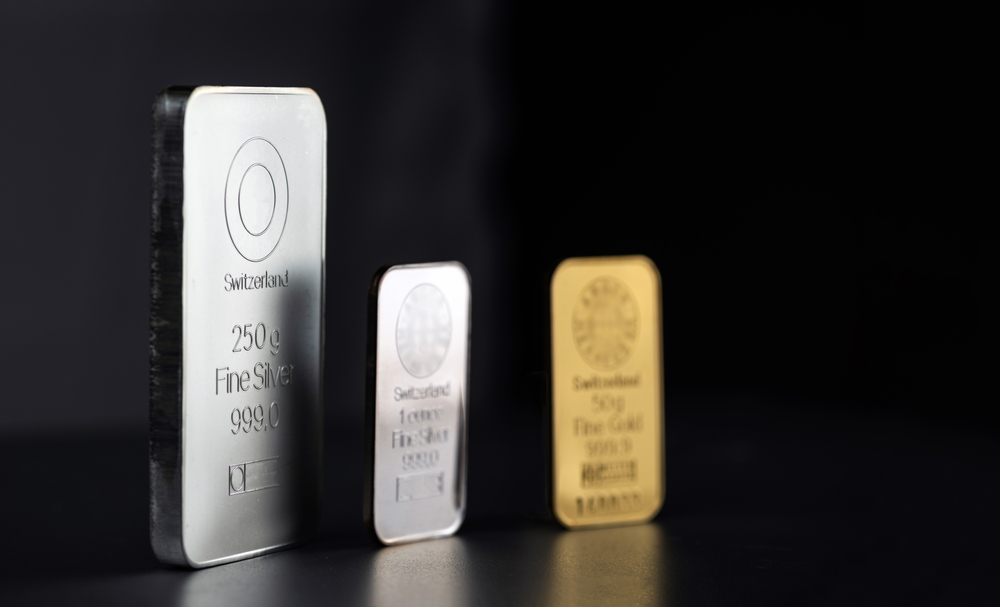
Silver was the best-performing commodity last year, up an astounding 145%, but precious metals as a whole delivered solid returns. Gold, silver, platinum and palladium all responded positively to a number of factors, from rising geopolitical tensions to changes to global trade to the accelerating energy transition.
Silver’s parabolic rise has been remarkable. In this article, we examine the two similar price surges to provide context for what may be occurring today and, importantly, for what might cause this bubble to pop tomorrow.
Advisors who run or plan to run ETF-based portfolios need to have a formalized trading methodology. For those who haven’t yet developed one, this article is intended to help accelerate progress and avoid some risks that may not be obvious to anyone who is primarily experienced with trading mutual funds.
The defining feature of every bubble is the same: a growing inconsistency between the long-term returns that investors expect in their heads - based on extrapolation of the past, and the long-term returns that properly relate prices to likely future cash flows - based on valuations. Every bubble smuggles the same tragic past into the same tragic future by packaging it with new wrinkles that convince investors that this time is different. Ultimately, they still end the same way.
In 2025, the prices of precious metals rose sharply, with silver prices recently surging past $80 per ounce. Of course, when precious metals rise, there is always the same group of commentators (mostly paid newsletter writers and physical metal dealers) to declare that a financial analysis is underway.
As the private-credit market matures, it’s also becoming more accessible to a wider range of investors. But variation in outcomes has increased. In our view, that’s a byproduct of growing scale and competition.
With 2025 in the books, we take a brief pause to reflect on QuantStreet over the last few years. We started managing our first portfolio in December of 2021. What started out as just an idea has grown into a business serving many clients, both retail and institutional. 2025 was a year of growth for QuantStreet, and we hope to continue to build on this in 2026.
To help our clients and the marketplace navigate this evolving landscape, in the following sections, we’ve identified five key ETF industry themes to watch in 2026. These areas reflect the ongoing growth, innovation, and strategic shifts shaping the ETF industry, and they will be critical in understanding where opportunities and challenges lie in the year ahead.
Cathie Wood’s ARK Blockchain & Fintech Innovation ETF delivered a standout 29% return in 2025, defying an industry downturn by stretching the definition of “financial technology.”
Hedge funds are racing to Caracas to scout assets following the high-stakes removal of Nicolás Maduro by the Trump administration. Investors view the potential reintegration of the oil-rich nation into the Western financial system as a historic opportunity for restructuring debt and infrastructure.
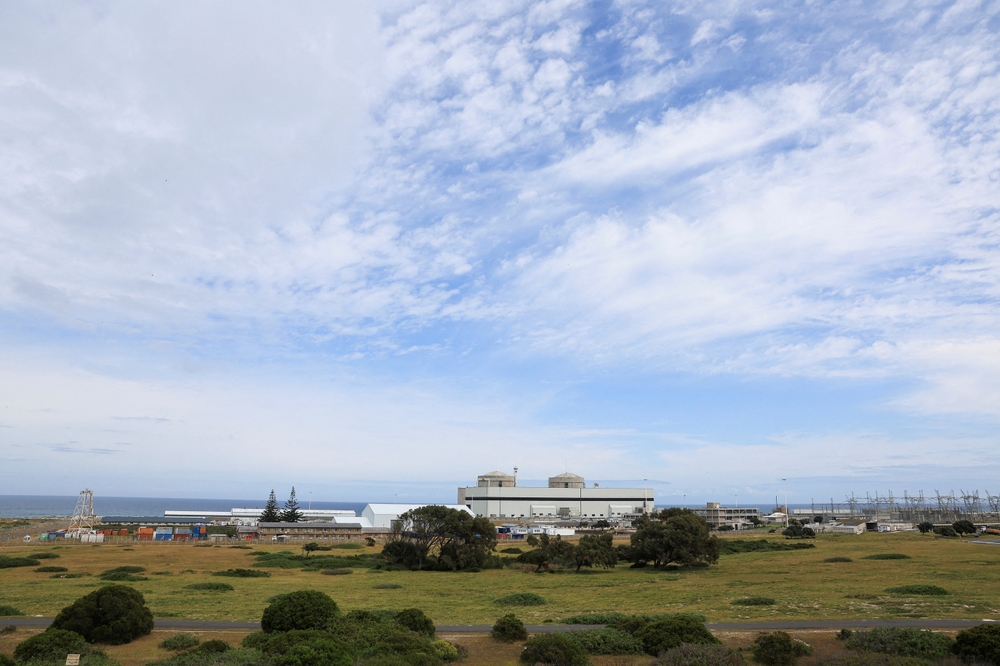
Nuclear power tends to be attractive for its reliability, longevity, and emission free-power generation. Despite these benefits, nuclear energy represents a relatively small portion of worldwide power generation. In 2024, nuclear accounted for 9% of the global electricity mix.
Our 2026 outlook shows fixed income continuing to benefit from elevated rates, while equities still face a narrowing edge over risk-free investments.
In late December, I attended the Direxion Investments opening bell ceremony at the New York Stock Exchange. In October 2025, Direxion launched a new family of ETFs into their ever-growing roster of leveraged and inverse funds: the Titans ETFs.
Michael serves as Head of Distribution for Eventide. He is responsible for Eventide's product, distribution, and education strategy. Mr. Schnackenberg leads Eventide's Sales, Marketing, Key Accounts, and Eventide Center for Faith and Investing teams.
Investors and advisors have numerous goals to meet with their portfolios. Some investors full send their portfolios to produce as much capital appreciation as possible. Others, especially those at or near retirement age, look for current income and ballast to steady their financial ships.
With silver and gold both surging significantly higher over the past couple of weeks, a correction was inevitable. When an asset price quickly rises, at some point, it will ultimately become oversold. Investors book profits, and the price corrects.
Emerging-market stocks posted a strong start to 2026, following a $7.2 trillion annual rally, as Asia’s expanding role in artificial intelligence lifted Chinese technology shares to their biggest gains since September and pushed benchmarks in South Korea and Taiwan to record highs.
The Federal Reserve delivered a widely anticipated rate cut in December, signaling caution about growth risks while maintaining a “wait and see” stance.
RiverFront’s Investment Team is proud to present the summary of our 2026 Outlook, which will be released this Friday, December 19th. In 2025, the tech-heavy US stock market rode a wave of AI awareness and spending.
On this special episode of the “ETF of the Week” podcast, VettaFi’s Head of Research, Todd Rosenbluth, reviewed some of his biggest takeaways for the ETF industry in 2025 with Chuck Jaffe of Money Life.
The U.S. economy appears poised for a measured and confident expansion into 2026 driven by a stabilizing monetary policy, corporate strength, and resilient household income growth. Our outlook suggests a supportive environment for risk assets, particularly domestic equities, while favoring specialized strategies in fixed income.
Thematic ETF assets climbed 49.6% through the first 11 months of 2025, reaching $467.93 billion by the end of November, according to research from ETFGI.
We examine what’s driving gold’s ascent — from central bank reserves to portfolio hedging — and why it can play a strategic role for investors.
Bitcoin briefly topped the $90,000 mark on Monday before tumbling, leaving traders waiting on a potential breakout after the token missed a Santa rally that sent stocks to record highs.
SoftBank Group Corp. agreed to acquire private equity firm DigitalBridge Group Inc. in a deal valuing the data center investor at $4 billion including debt.
Plenty of headlines were written as the One Big Beautiful Big Bill Act (OBBBA) made its way through U.S. Congressional debates earlier this year. For the advisor community, many were likely wondering how the OBBBA would affect their portfolio strategies. To be more specific, which investing themes could be boosted by this U.S. policy maneuver?
Global power demand is surging, energy security is the new macro imperative and innovation across grids and generation is redefining what “secure power” means for investors.
Bitcoin’s 30% slide from its all-time high is creating conditions financial advisers say are likely driving more tax-loss harvesting in digital assets than in previous years.
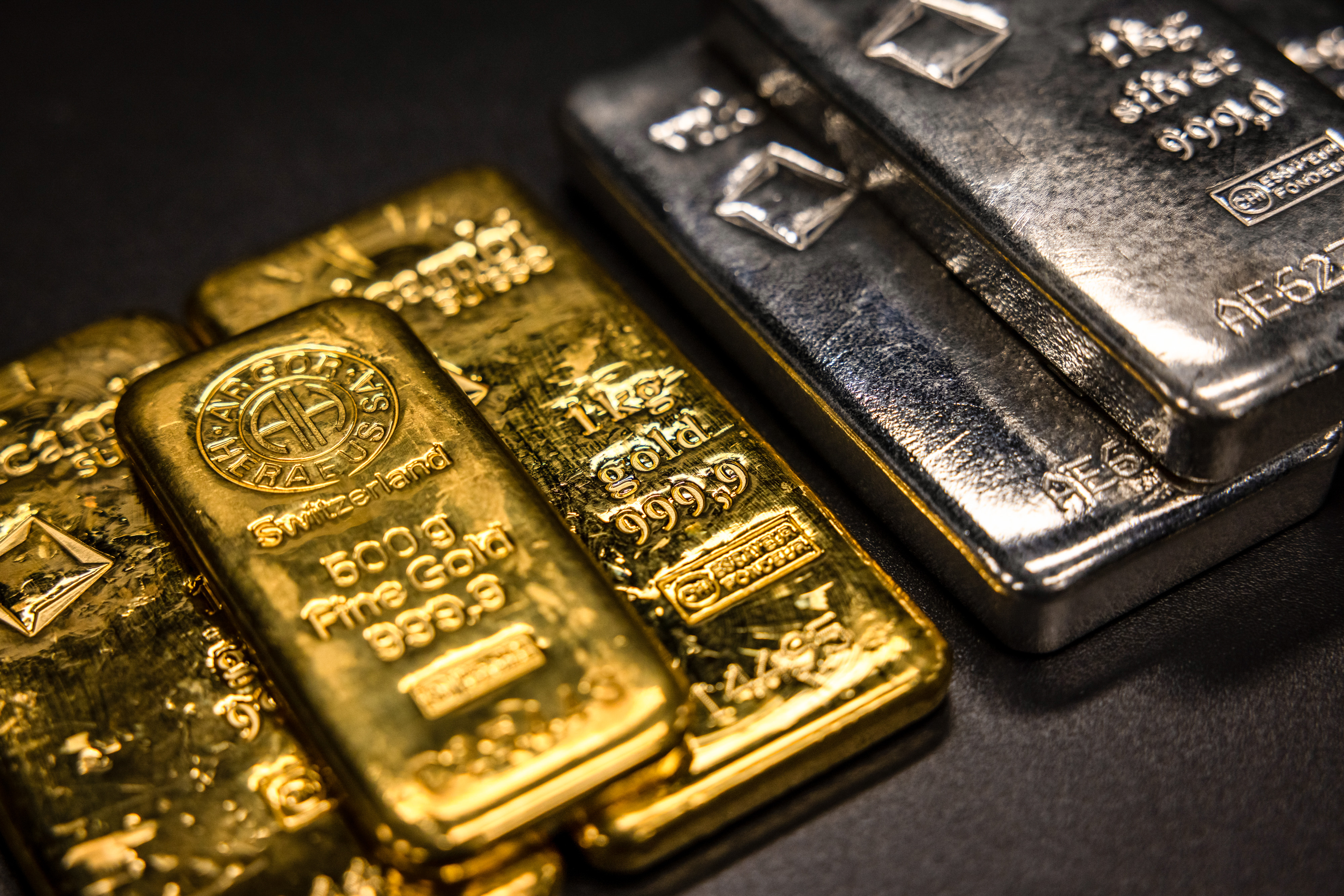
Gold, silver and platinum jumped to all-time highs to extend a historic end-of-year rally for precious metals, with support from escalating geopolitical tensions and US dollar weakness.
There are numerous hedging tools, each with its own benefits and drawbacks. One increasingly popular choice is the inverse exchange-traded fund (ETF), a vehicle designed to move opposite its benchmark and offer a straightforward way to target downside protection in a portfolio.
The “active” in active ETFs simply means there is not an underlying index. This somewhat obvious statement, made last February in my predictions column, was intended to dispel the misconception that active somehow means more risk or more tracking error, which certainly is not the case.
Participants’ financial well-being is our top priority, and we know that they’re struggling with emergency savings, so we’re offering a way for participants to save with confidence—the Vanguard Cash Plus Account.
AI remains the economy’s most powerful growth engine, but our Small Cap Growth team believes several other areas are also likely to deliver significant upside in the near-to-medium term.
As the dollar weakens and the migration to international equities continues, investors might still be on the fence when it comes to getting exposure.
Barring a miracle, bitcoin will end 2025 in the red, marking just the fourth time the largest cryptocurrency has done so in its history.
Gold rose to an all-time high above $4,500 an ounce on escalating tensions in Venezuela and expectations for more US rate cuts. Silver and platinum also advanced to records.
As traditional markets move into the final days of the year with a burst of seasonal optimism, the world’s largest cryptocurrency has barely stirred. Bitcoin is trading around $87,370, pinned in a $85,000 to $90,000 range and showing little sign of life — an asset built on hype, volatility and disruption ending the year in a standstill.
It’s that time of year when Wall Street polishes up its crystal balls and begins predicting returns for 2026. Since Wall Street never predicts a down year, which would be unwise for fee-based product revenues, these forecasts are often inaccurate and sometimes significantly wrong. Let’s review some previous years.
Challenging the conventional view of gold as a bubble, this analysis explores whether the metal's 109% surge since 2024 signals a permanent paradigm shift rather than a looming crash.
After three strong years in a row, major indexes ended the year seeking direction. While optimism abounds, here are some potential issues that could trip up U.S. stocks.
Cinthia Murphy, Investment Strategist at VettaFi, breaks down new survey data on how financial advisors are thinking about equities, fixed income, and crypto heading into 2026. Brittany Christensen, Head of Business Development at Tidal Financial Group, highlights her top ETF stories to watch in the year ahead.