Franklin Templeton recently hosted an investment forum in Singapore, and much of the dialog pointed to a growing gap in growth outlook emerging between Asia and the West.
U.S. equities are rising, although no notable directional drivers seem to be in play amid the holiday-shortened week, with the markets closed on Thursday for Thanksgiving and trading in a half day on Friday.
Despite stubbornly high inflation and recessionary fears, spending by consumers may not slow down as we approach the busy holiday shopping season.
The US crude market’s structure is signaling oversupply for the first time in almost a year, the latest indicator of the scale of the dramatic slump in the nearest section of the oil futures market.
The amount of time between aircraft as they land at Toronto Pearson International Airport might seem prosaic to the untrained eye, but there’s a lot more going on than pilots negotiating the gentle return to earth of hundreds of tons of metal.
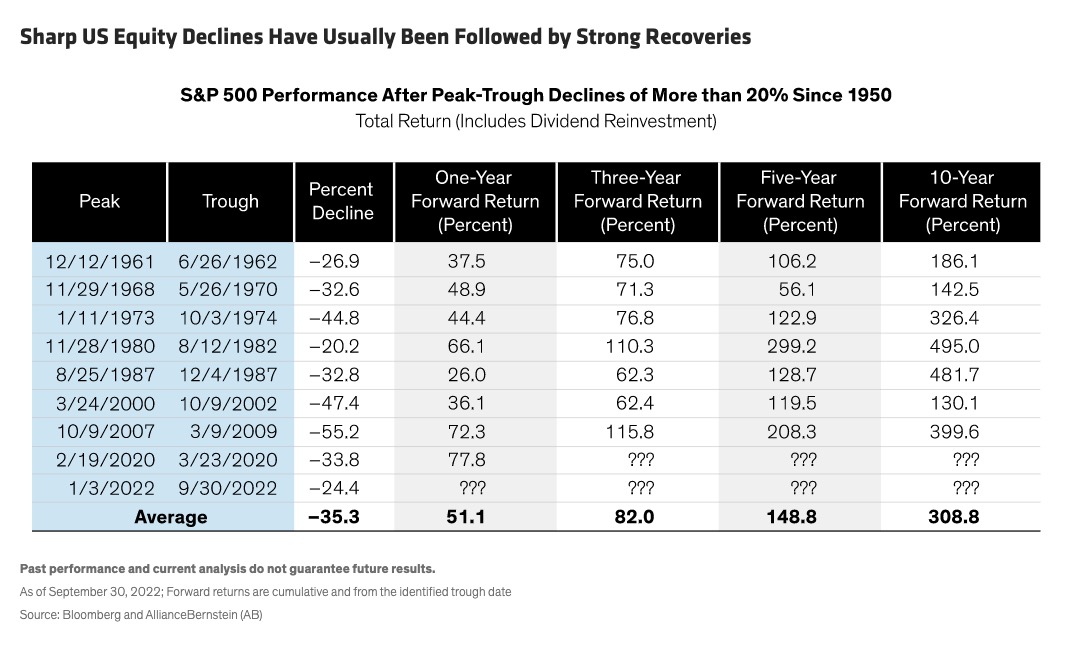
After a tough year for equities, is a recovery imminent?
Financial market participants are asking for more regulations and better supervision to help rein in exaggerated ESG claims.
Wall Street is struggling to whittle down the roughly $37.5 billion in risky corporate loans stuck on their books -- and the pile of so-called hung debt may be about to swell further as another large buyout financing stumbles.
It’s official: the supply chain for electric vehicle batteries is coming to America.
We believe highly innovative companies, when accounted for properly, are cheaper than their non-innovative peers in all regions of the world.
Treasuries fell across the curve and the dollar strengthened against most of its major peers after Federal Reserve Governor Christoper Waller pushed back on bets the US central bank was nearing the end of its hiking cycle, while traders were also on alert for a scheduled appearance by his colleague Lael Brainard.
The overriding story of Vietnam is the triumph of free markets over communism.
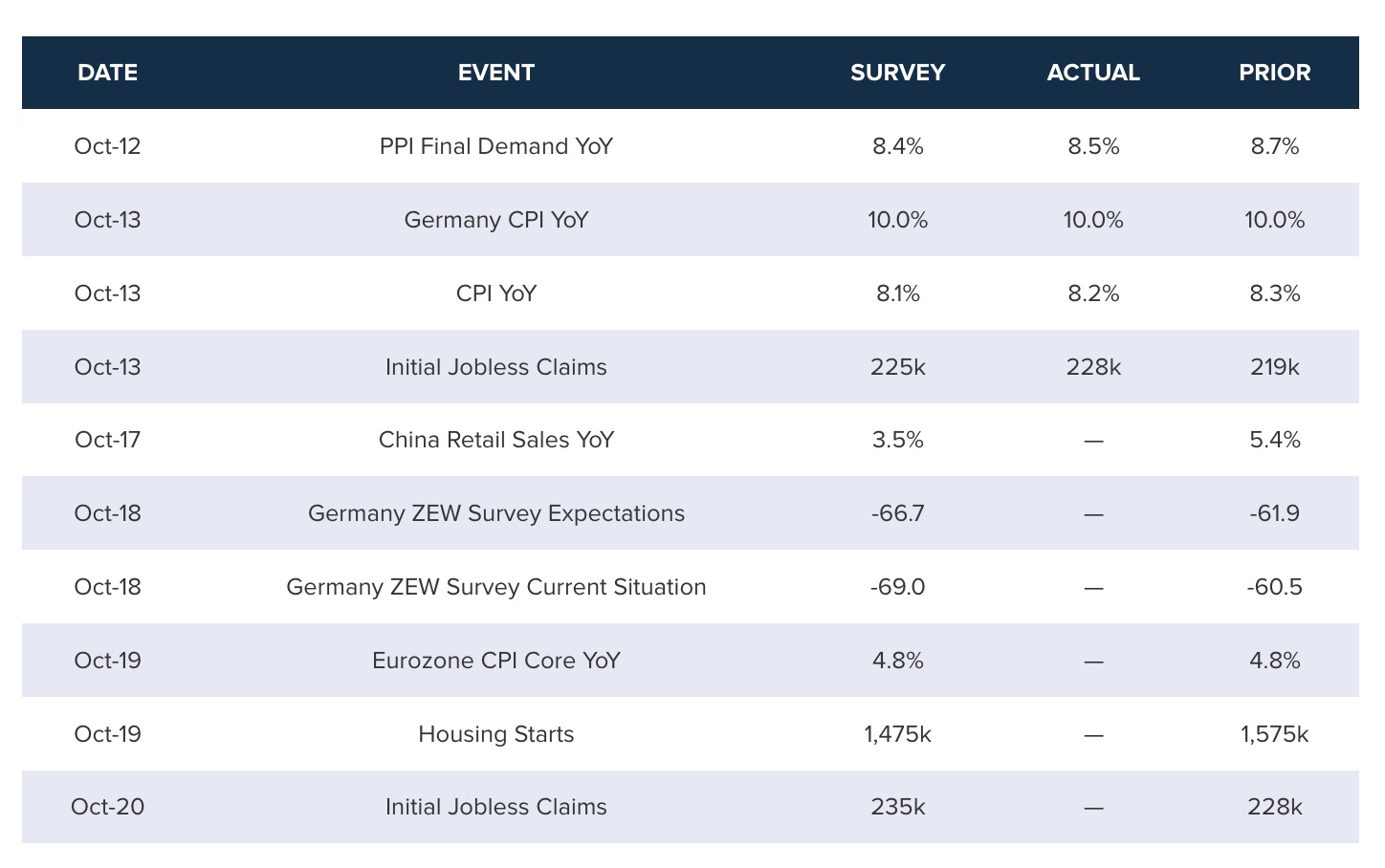
U.S. equities are mixed in restrained trading, with investors awaiting the next two pieces to complete the October inflation picture.
The US, Japan and other countries will offer a climate finance deal worth as much as $20 billion to help Indonesia shift its coal-dominated power grid away from the polluting fossil fuel.
FTX, until recently the world’s second-largest crypto exchange, filed for bankruptcy as its embattled founder, Sam Bankman-Fried, stepped down as CEO following a liquidity crunch that exposed the firm’s improper use of customer assets.
U.S. stocks posted its biggest daily gain since 2020 following data on October’s consumer price inflation (CPI), which came in cooler-than-expected.
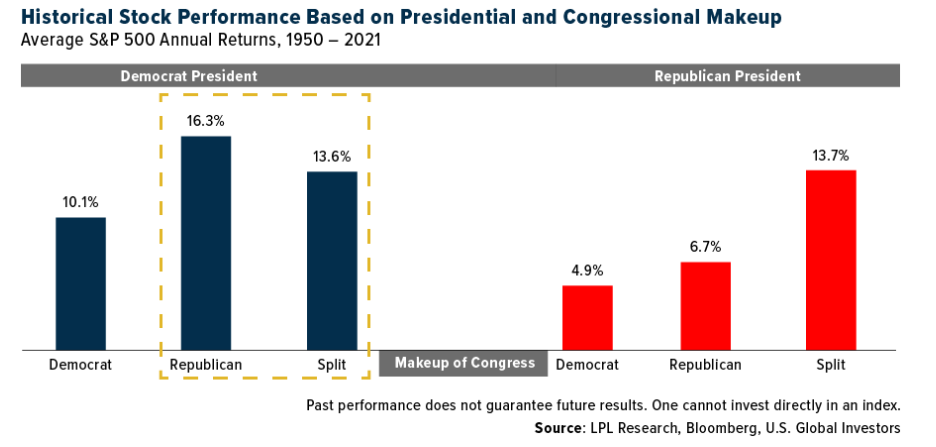
U.S. equities are lower as the global markets await the final results of the U.S. midterm elections as the control of the Congress remains undetermined.
China’s exports and imports both unexpectedly fell for the first time in more than two years, with rising risks of a recession causing overseas consumers to buy less and domestic problems such as Covid Zero controls and a housing slump hitting demand at home.
As I see it, decentralized assets have never looked more attractive than they do now.
U.S. equities finished lower with the Dow whipsawing within a more than 900-point range following the Fed's monetary policy decision.
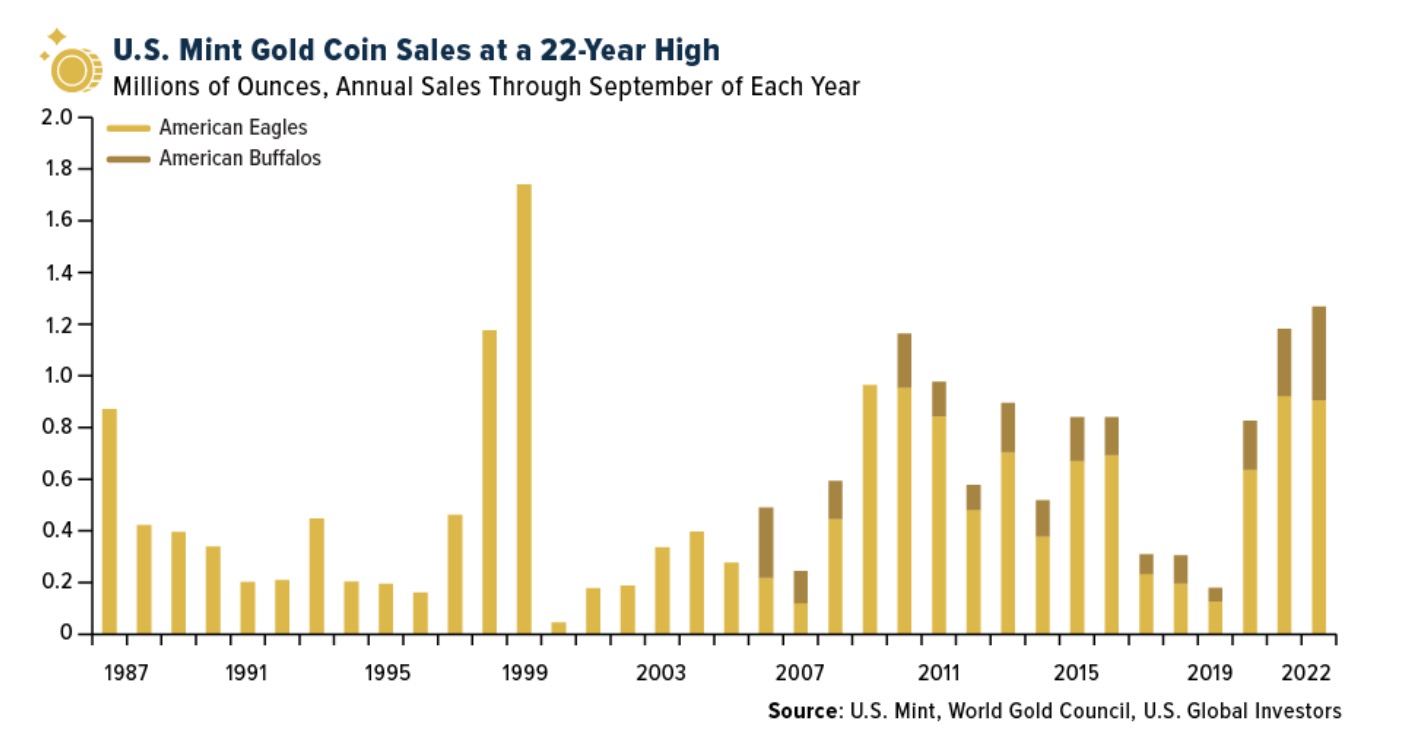
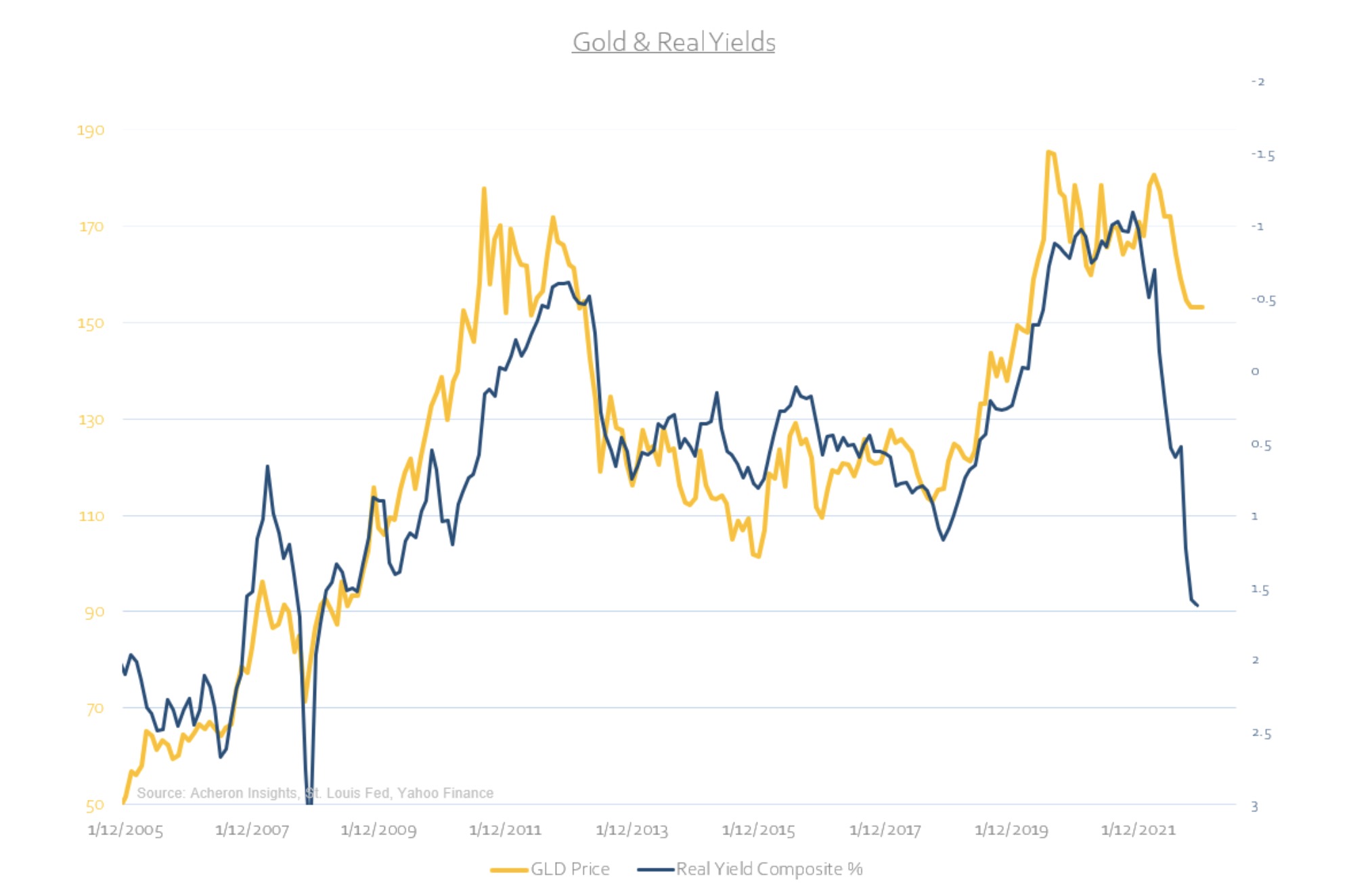
Rising and positive real yields continue to be a major headwind for gold over the short-term.
Electronic trading of corporate bonds has reached record levels, as credit-trading algorithms get smarter, grab market share, and make it easier for investors to buy and sell corporate bonds without affecting prices too much.
U.S. equities are declining, struggling to continue the past two week’s positive momentum.
The uncertainty of a looming recession and high market volatility makes almost all investment options look doubtful as investors search for safe and reliable investment tools.
In 1990, a new tech start-up was spun out of Apple to invent the future.
If putting his country first was impolite, Prince Abdulaziz — son of King Salman, half-brother of Crown Prince Mohammed bin Salman — warned he would have no choice but to be rude. “I’m pro-Saudi,” he said.
The US was awakened by the pandemic to the gaping holes in its supply chains for crucial medical supplies and electronics.
I literally grew up in the oil patch: Wise County, Texas, 60 or 70 miles northwest of Fort Worth in a little town called Bridgeport. The two first-generation Greek immigrant brothers who became Mitchell Energy talked old man Christie into funding Christie, Mitchell and Mitchell and they drilled (hundreds?) of natural gas wells which they eventually sold to an Illinois utility. This was in the 1950s and ‘60s.
China stocks’ frenzied week has ended how it began: with jaw-dropping losses.
It was supposed to be the silver lining to a year of brutal losses. As bond-fund managers watched the market value of their portfolio decline rate hike after rate hike, one thing was certain: companies would soon have to return to the market offering juicier yields.
Now that the Party Congress is over, Xi Jinping has one big decision to make. Sinology explores.
U.S. stocks are trading mixed in pre-market action.
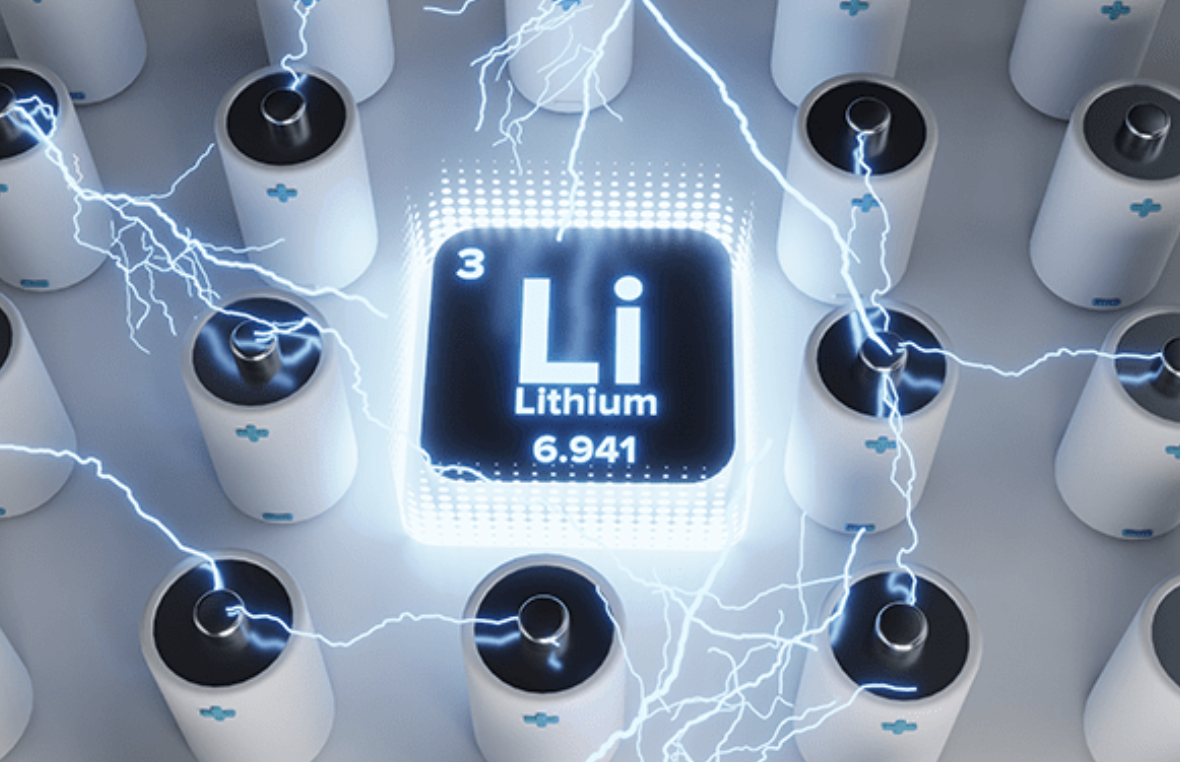
In North America and the U.S. specifically, the hunt for lithium, a key component of batteries used in electric vehicles (EVs), has historically trailed a handful of other countries.
Internal priorities and external circumstances have brought China's growth to an inflection point.
Macro uncertainties and tightening financial conditions are pressuring the real estate investment market. Tim Wang, Head of Investment Research for Clarion Partners, discusses the challenges and opportunities in this current environment.
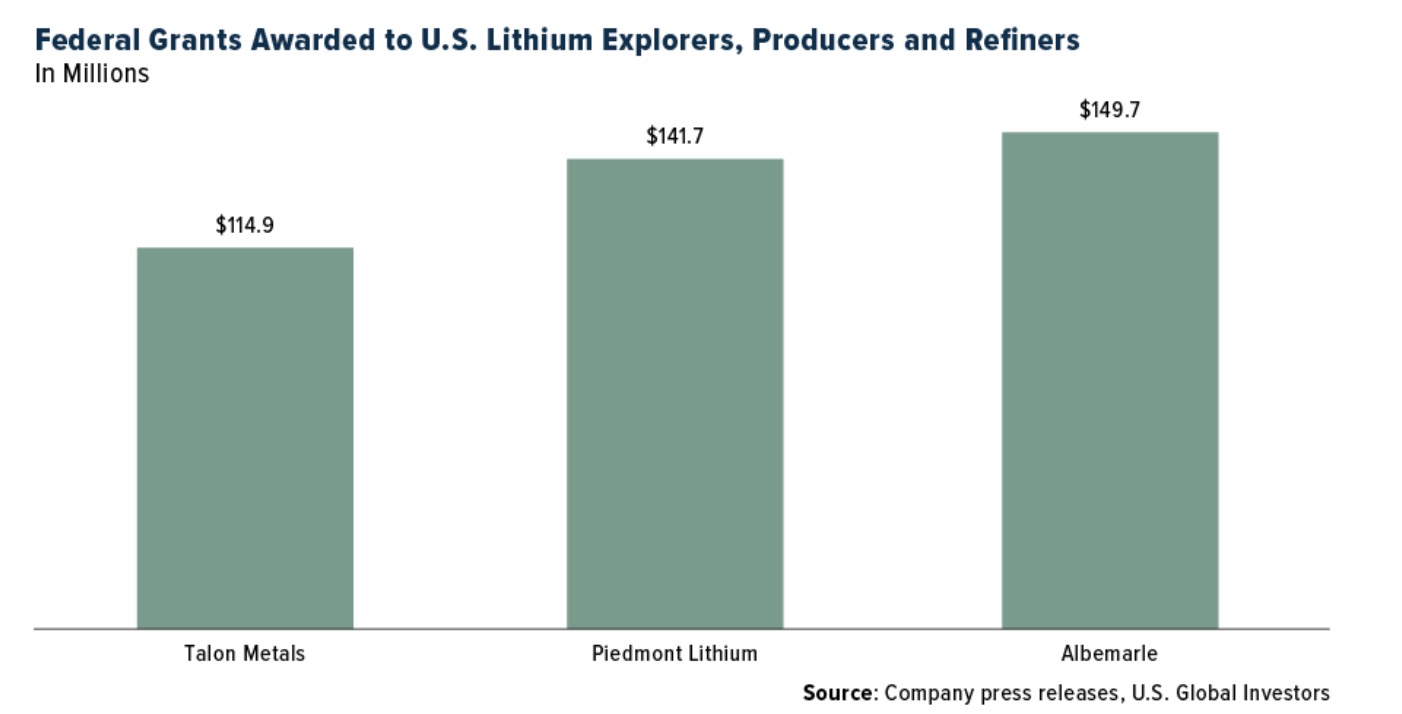
With this week’s announcement that the White House is deploying nearly $3 billion to boost domestic output of EV batteries and the minerals used to make them, it may be time for investors to take notice.
A surprise quarterly loss by US economic bellwether and aluminum giant Alcoa Inc. added to jitters over the world economy as the metal used in everything from iPhones to Pepsi cans hits headwinds.
Efforts to stockpile fuel mean Europe and Asia are approaching winter with healthy inventories as governments seek to counter shrinking supplies from Russia.
Citigroup calls it a “head scratcher.” Goldman Sachs terms it “striking resilience.” For Columbia Threadneedle, it’s a “reward for proactiveness.”
U.S. equities are beginning the new week sharply higher, getting a boost from the U.K.'s decision to abandon nearly all its tax cut plans.
Readers of a certain age will remember Carnac the Magnificent, Johnny Carson’s recurring alter ego.
Bank of America has positioned itself as one of the leading lenders in the green credit space, while peer Goldman Sachs is facing questions from the Securities and Exchange Commission over greenwashing claims.
The top 50 broad strategy funds – determined by highest historical performance through 2021--outperformed the market by 21 percentage points through the first six months of 2022.
U.S. stocks are mixed and subdued as the markets digest another hot inflation report in the form of the September Producer Price Index.
The era of “TINA”—short for “there is no alternative” and describing a phenomenon where bond yields were so low that many investors felt they had no choice but to invest in stocks, even at stretched valuations—has given way to a market where they can “pay attention to the yield(s).” Or “PATTY,” for short.
Banks globally are finding there are fewer corporate acquisitions to finance now, forcing lenders to focus on a less lucrative business: giving loans to corporations looking to cover rising expenses amid high inflation.
U.S. equities are mixed as investors await this week’s highly anticipated September inflation data.
We do not expect the current environment of weakening economic growth to dislodge the long-term staying power of our investment themes and have also taken great care to try to insulate against the most pernicious risks that inflation poses to equity investments.
The Harvard Business Review is celebrating its 100th birthday with a fat book of its most influential and innovative articles and an electronic fanfare of videos, charts and online articles.
A sizzling rally in global semiconductor stocks this week is starting to look illusory as a slew of disappointing earnings from major chipmakers pointed to a likely protracted downturn for the sector.