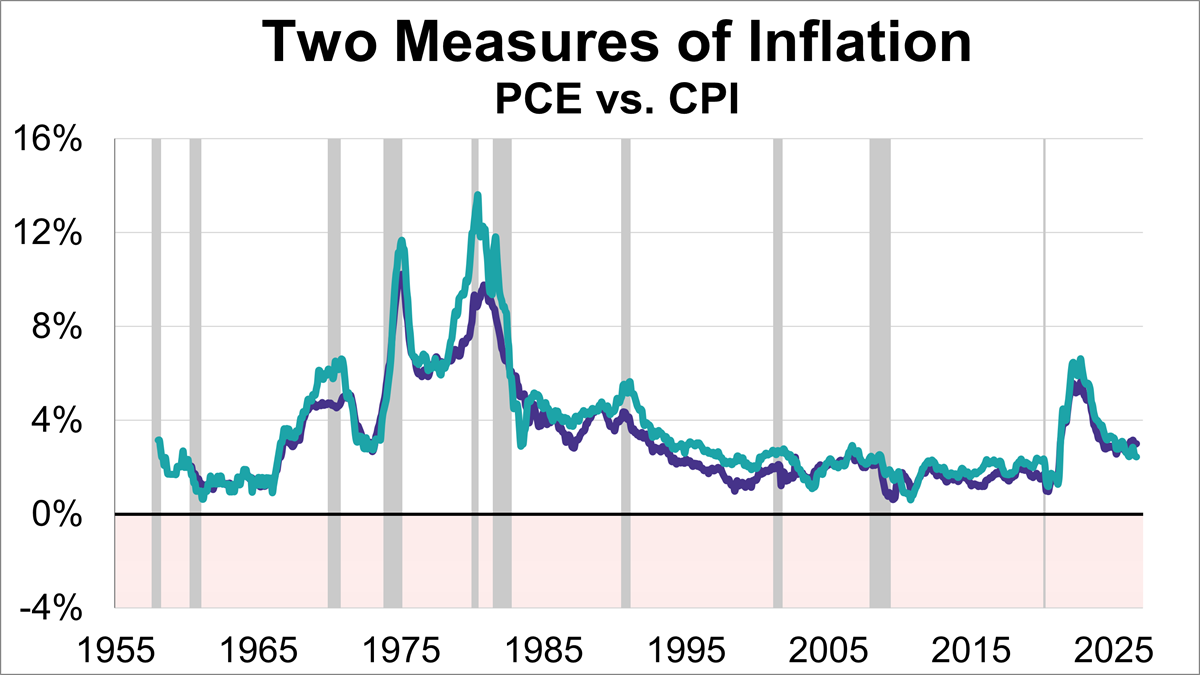
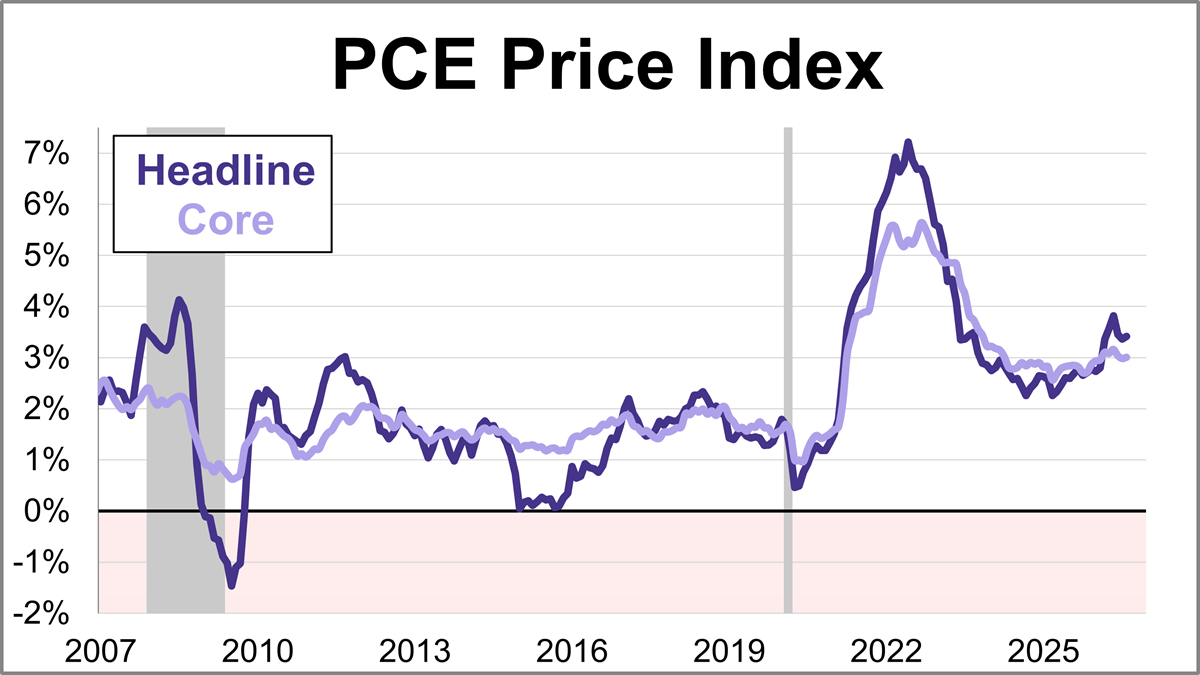
Inflation remains a hot topic, directly impacting everything from your grocery bill to interest rates. As of the latest data, two key inflation gauges — the Personal Consumption Expenditures (PCE) Price Index and the Consumer Price Index (CPI) — show that prices are still above the Federal Reserve's 2% target, with the core PCE at 3% and core CPI at 2.5%.
The Federal Reserve’s preferred inflation gauge, the core PCE price index, climbed 3% year-over-year in August. This marks no change from July's reading. On a monthly basis, core prices rose 0.2%.
Retail investors buy corporate bond ETFs expecting steady coupons and ballast against stock market volatility. Traditionally, fixed-income portfolios were anchored by defensive issuers like banks, industrials and utilities.
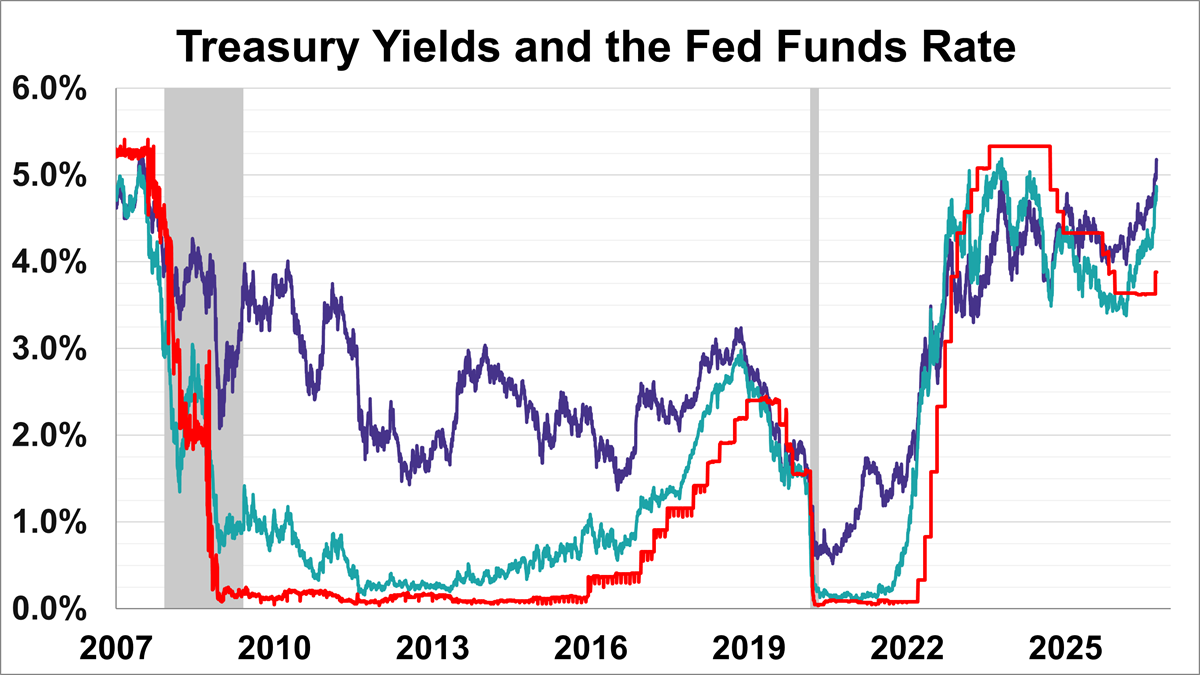
The yield on the 10-year note finished September 25, 2026 at 5.17% while the 2-year note ended at 4.81%.
Markets have dealt with serious whiplash from the Federal Reserve’s dramatic policy pivot this year. In just six months, the Fed funds futures market went from pricing in two rate cuts totaling 50 basis points to now pricing in two rate hikes in 2026.
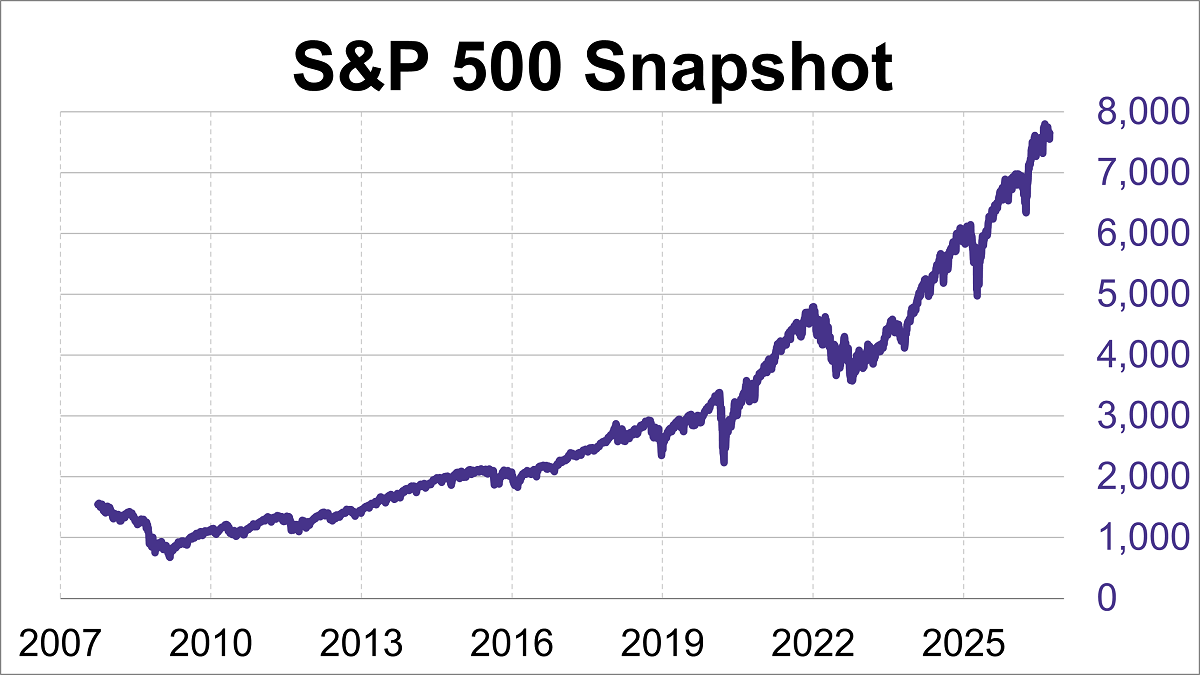
The S&P 500 wrapped up the week with a loss of nearly 1%, ending lower for a second straight week.
Join Defiance ETFs’ Brendan Cavanaugh, CFA, and VettaFi’s Kirsten Chang as they discuss how advisors can gain exposure to companies advancing autism care.
ETFs are increasingly breaking down the wall between public and private markets. Asset managers are finding ways to “ETF-ize” private equity and pre-IPO holdings — giving retail investors liquid, fractional access to growth opportunities historically restricted to institutional and accredited buyers. As companies stay private longer, the most explosive growth phases of high-profile startups often occur off public exchanges.
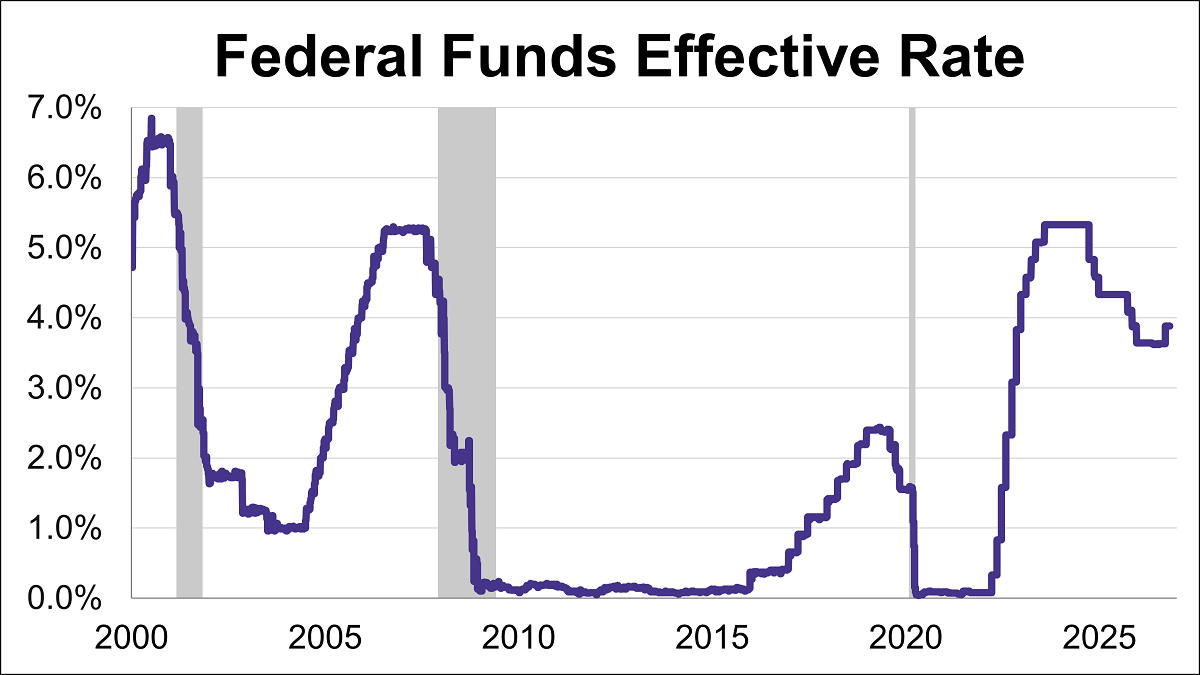
The Federal Reserve concluded its sixth meeting of the year by raising the federal funds rate (FFR) by 25 basis points to a target range of 3.75%-4%.
Join the experts at Sterling Capital for an educational webcast covering a unique corner of the fixed income market.
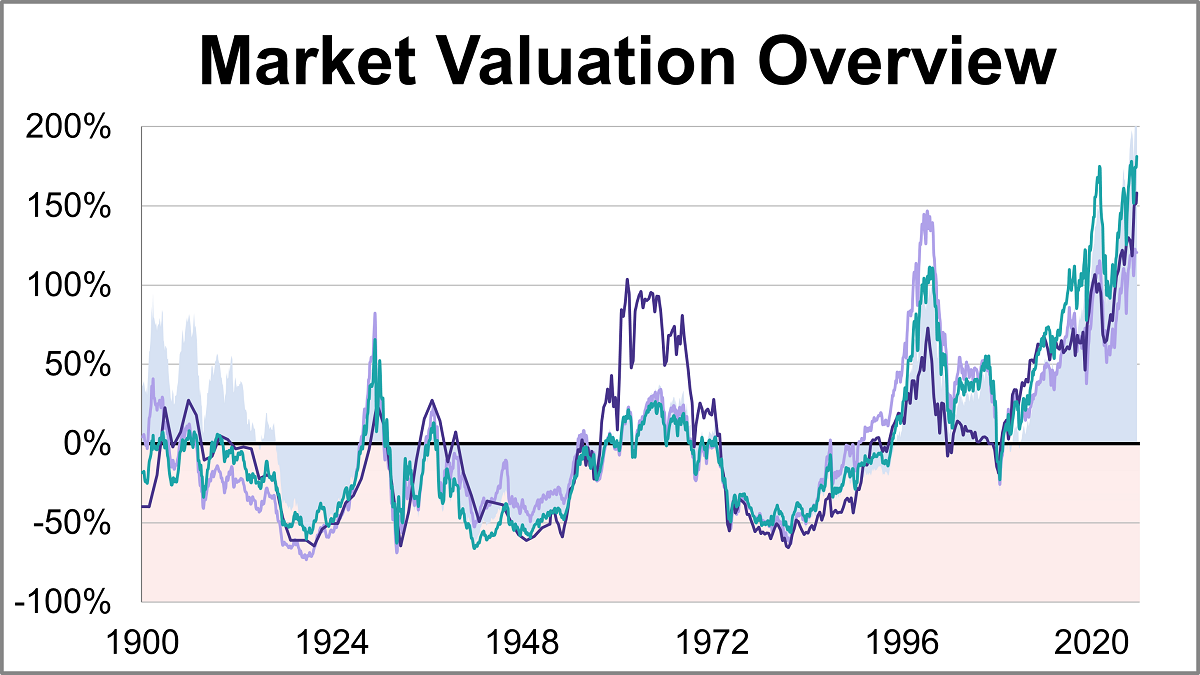
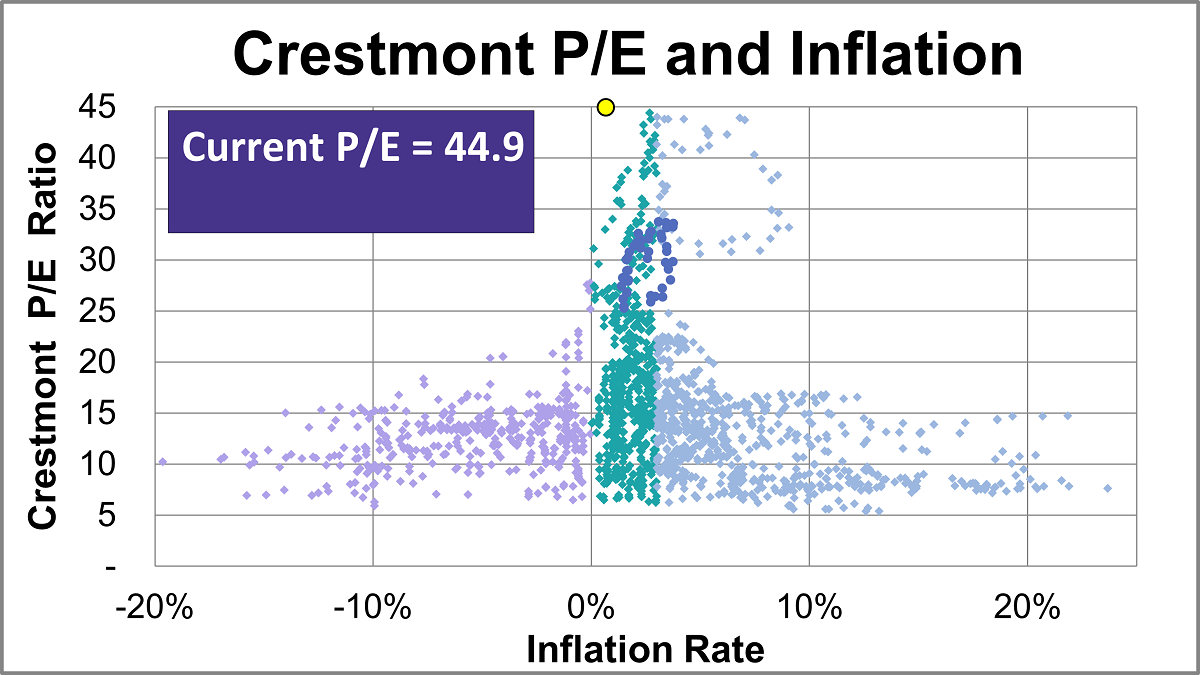
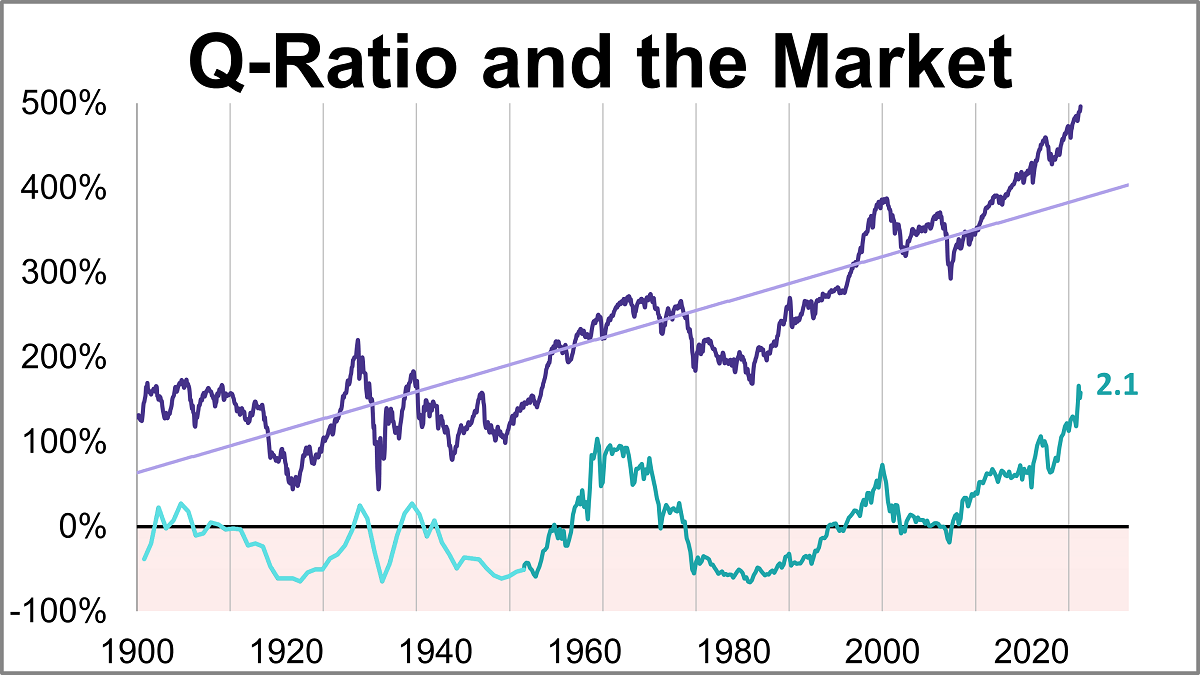
Here is a summary of the four market valuation indicators we update on a monthly basis.
Based on August's S&P 500 average of daily closes, the Crestmont P/E of 44.9 is 191% above its arithmetic mean, 220% above its geometric mean, and is in the 100th percentile of this 14-plus-decade series.
The Q Ratio is the total price of the market divided by the replacement cost of all its companies. As of August 2026, the latest Q-ratio is at 2.12.
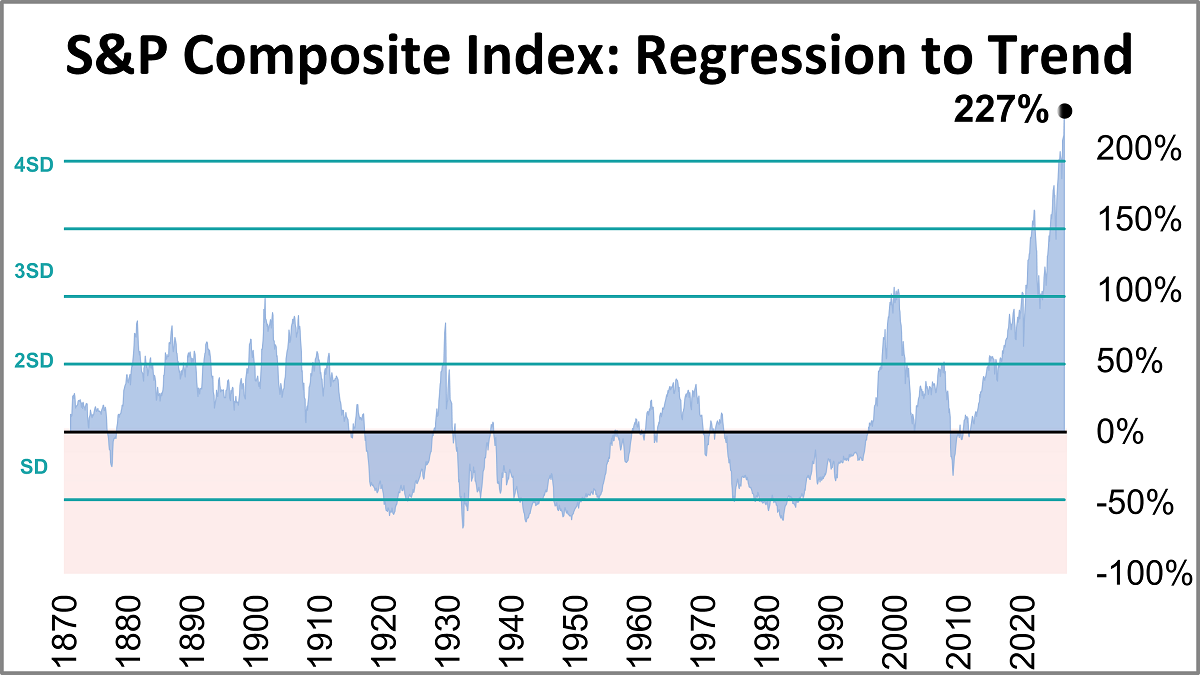
The inflation-adjusted S&P Composite Index was 227% above its long-term trend at the end of August.
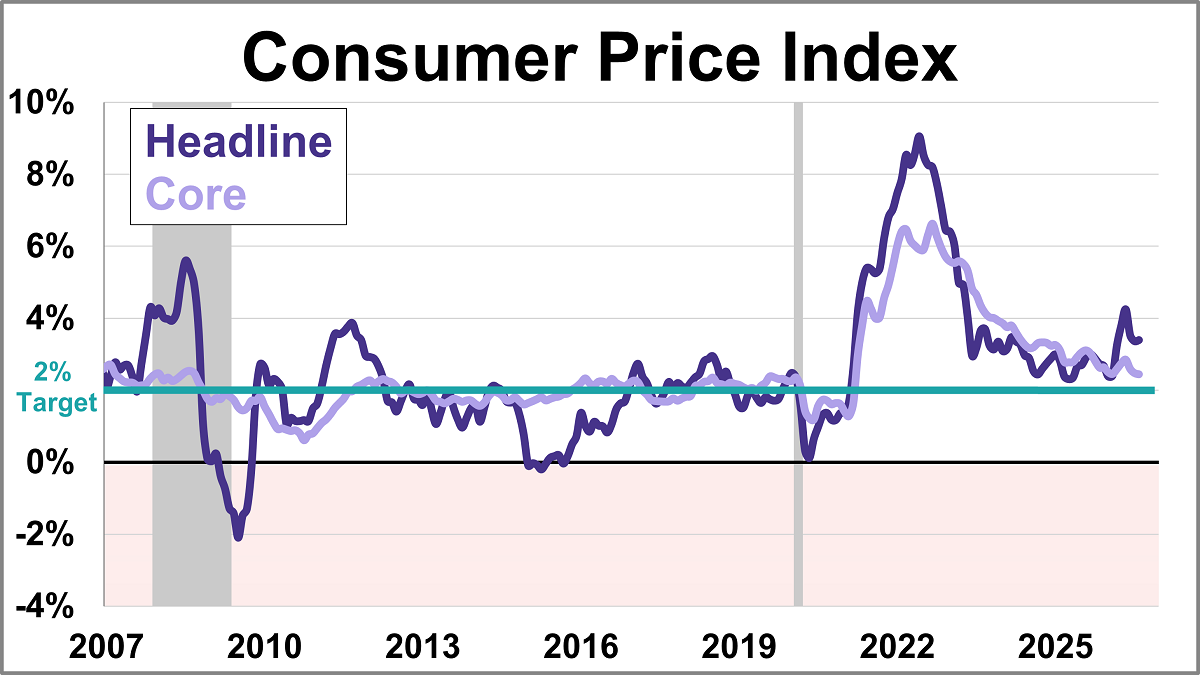
Inflation rose 3.4% year-over-year in August, as it did for the 12 months ending July. The headline figure for the Consumer Price Index (CPI) was in line with economist estimates.
Join the investment strategists at WisdomTree for an educational webcast that explores portfolio position going into the second half of 2026.
Join the experts at CIBC & Precidian Investments for a product due diligence session exploring their ADRhedged ETF (ADRH).
Join us for a live conversation on what it takes to make AI work inside an advisory practice. You won’t want to miss this VettaFi webinar on Aug 27, 2:00 PM ET featuring LPL Financial executives John Stevens, SVP, AI Product Management, and Miller Staten, Head of Product Operations, moderated by TMX VettaFi’s Kirsten Chang.
European equities have long been written off as the ultimate value trap — a sleepy, slow-growth market living in the shadow of Wall Street’s tech-fueled mega-rally. But a massive shift in market dynamics is unfolding across the Atlantic.
Join the experts at SoFi for a product due diligence session covering the evolving income landscape and how options strategies can help investors pursue monthly income in different ways.
Join the experts at Thornburg Investment Management for an educational webcast exploring how we’re going “Back to Normal” in international equities.
Gold’s outlook has brightened considerably following its first-half correction. Spot prices have rebounded to flirt with $4,400 per ounce, supported by renewed central-bank buying, softer economic data, and diminished expectations for further Fed tightening.
Join the experts at Eaton Vance for an educational webcast that unpacks the nuances of preferreds amid the new Fed regime, geopolitical landscape, and economic backdrop.
Join the experts at Calamos for a product due diligence session exploring this unique dynamic hedging product and where it could fit in your portfolio.
The mantra carrying the markets higher for years has been to leave it to mega-cap tech titans and AI leaders to drive the bulk of market gains, leaving cap-weighted indexes historically top-heavy. But a new narrative has begun to take over.
Following historic inflows, momentum in the covered call ETF market continues unabated. Yet first-generation buy-write products were often viewed somewhat narrowly as high-yield income vehicles built on sacrificing equity upside for immediate cash flow. While early strategies proved the massive appetite for yield, they also exposed key advisor pain points — from steep NAV erosion in bull markets to tax-inefficient distributions.
Join the experts at Harbor Capital and PanAgora for a product due diligence session exploring the Harbor PanAgora Dynamic Large Cap Core ETF (INFO).
Join the experts at T. Rowe Price for a product due diligence session exploring how modern derivative-based strategies can be used to supplement the income sleeve of a portfolio and systematically gain market exposure.
Markets may have ended the first quarter with a thud, but stocks put another record run in the books to close out the first half of 2026. The U.S. ETF market had already shattered records, crossing the $15 trillion threshold and cruising past $1 trillion in net inflows right before summer officially began.
Markets have been hyper-focused on AI, crypto and buffer ETFs, but REIT ETFs have quietly staged an impressive comeback. The REIT terrain has shifted rapidly over recent years, and forward-looking investors and advisors have taken notice.
Join the experts at MassMutual Strategic Distributors for an educational webcast exploring income riders and how to evaluation variable annuities beyond surface level features so you can match the right rider to each client’s investor profile and retirement goals.
Markets have treated AI as a gold rush of LLMs, chips and cloud applications, but as the industry shifts from chatbots to agentic systems — AI that autonomously runs workflows and makes decisions — hyperscalers are now facing a brutal physical bottleneck.
Join the experts at Reckoner for an educational webcast exploring the CLO space and how to navigate it.
Join the experts at Precidian Investments as they explore how to recognize, mitigate, and manage currency risk and how to better approach your international exposures.
GraniteShares and VettaFi are bringing together the experts to demystify autocallable and barrier ETFs: how they generate superior income, how barrier levels protect against the downside, and exactly how they fit into a modern income strategy.
Join the experts at CoinShares for a fireside chat to get all of your questions answered about bitcoin, beyond just the basics.
Join the experts at WisdomTree for an educational webcast exploring how an efficient core can add diversification without compromising on the essentials.
Join the experts at Pictet for a product due diligence session covering how PBOT opens portfolios to direct exposure to AI and automation, from semiconductors and software to advanced manufacturing and autonomous systems.
The primary contagion risk is sector concentration. Software and tech-enabled services represent roughly 15-20% of direct lending portfolios. A meaningful portion of these loans also resides in the Broadly Syndicated Loan (BSL) market – the bedrock of CLO ETFs – leading to a software weighting of 12–18% in typical CLO collateral pools.
Diversification is finally paying off. After more than a decade of U.S. dominance, international equity ETFs are enjoying monster inflows, outpacing their domestic counterparts for the first time since early 2023.
Join the experts at Measured Risk Portfolios for a product due diligence session covering the MRP SynthEquity® ETF (Ticker: SNTH).
Join Simplify to learn all about the Simplify VettaFi Private Credit Strategy ETF (PCR). Learn where it fits in your portfolio and how you can use it to get unadulterated exposure to private credit.
The U.S. ETF market has reached a tipping point. With nearly 5,000 funds now trading—officially outnumbering listed stocks — the industry is flooded with complexity.
Not long ago, CLO ETFs were niche vehicles only talked about at credit conferences and in sophisticated bond manager circles. But fast forward to 2026, and they’ve entered the mainstream – drawing meaningful interest from both institutions and retail investors.
There’s no stopping the momentum in the ETF market. January 2026 brought a record $166 billion in net inflows, surpassing the last three Januarys combined.
Another blockbuster year for bond ETFs is in the books. After two straight years of record net inflows, taxable fixed income ETF assets have nearly doubled since 2020 – crossing the $2 trillion mark. But the big story in 2026 will be rising pressure to move out of money market funds.
The MSCI Emerging Markets index rallied more than 30% in U.S. dollar terms, easily outpacing the S&P 500 and other developed market benchmarks. And many are expecting that broader outperformance to continue in 2026 – thanks to a combination of macro developments, valuations and AI exposure.
In a year where moderation, not momentum, may define returns, options-enhanced ETFs offer an attractive way to stay invested while monetizing the more limited upside many expect.
Ample volatility and shifting rate expectations have sent investors on an avid search for stability and diversification.
This actively managed strategy marries long duration purchased call options on the S&P 500 with 15% of the fund with a 1-year short duration treasury ladder with 85% of the portfolio, giving investors the potential long run compounding returns of the equity market, with measured risk in advance of a potential market decline.