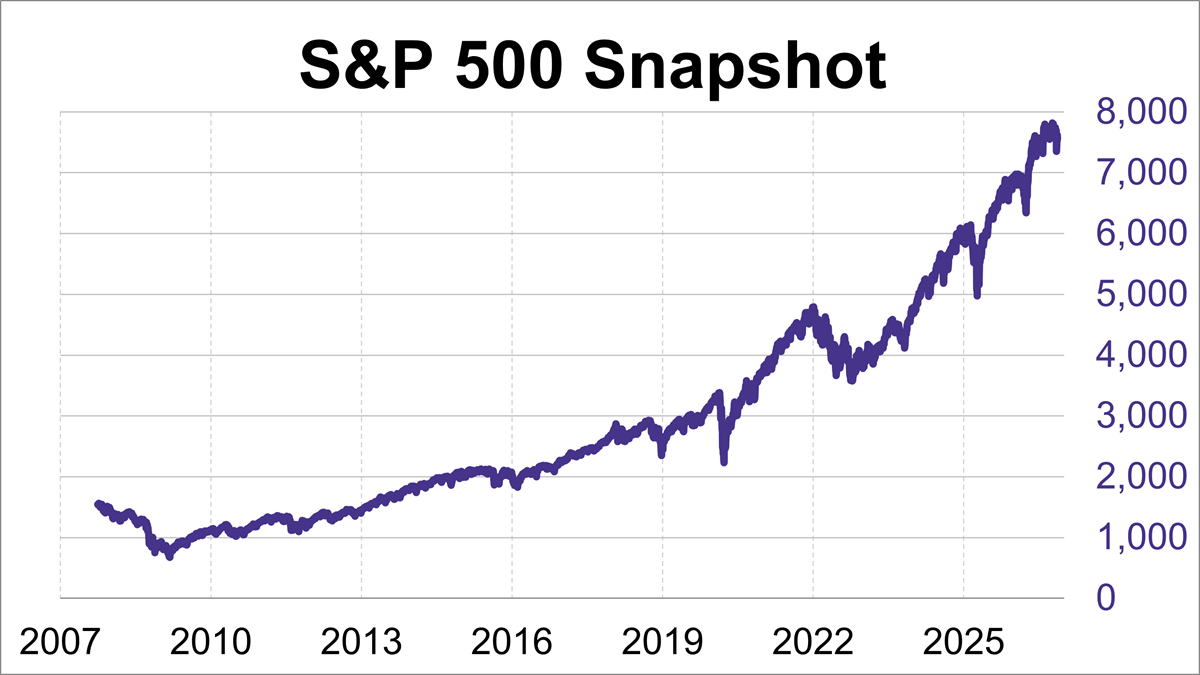
The S&P 500 rose 2.51%, snapping a four-week losing streak and logging its best week since August.
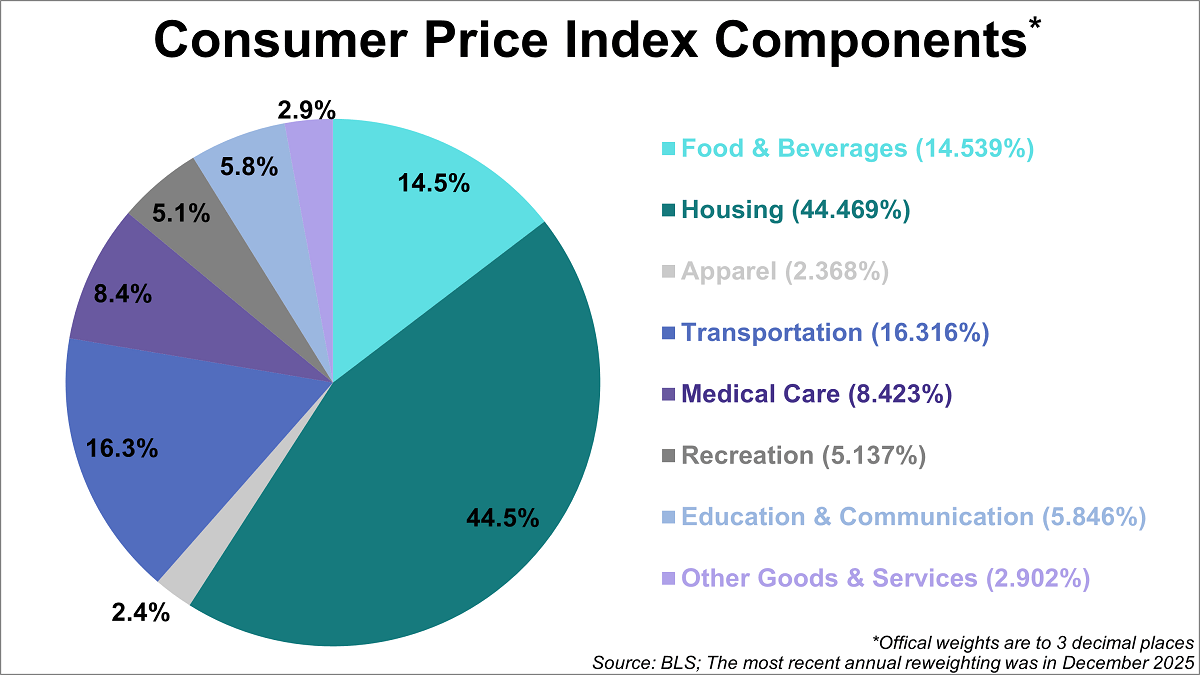
Inflation affects everything from grocery bills to rent, making the Consumer Price Index (CPI) one of the most closely watched economic indicators. The Bureau of Labor Statistics (BLS) tracks this by categorizing spending into eight categories, each weighted by its relative importance.
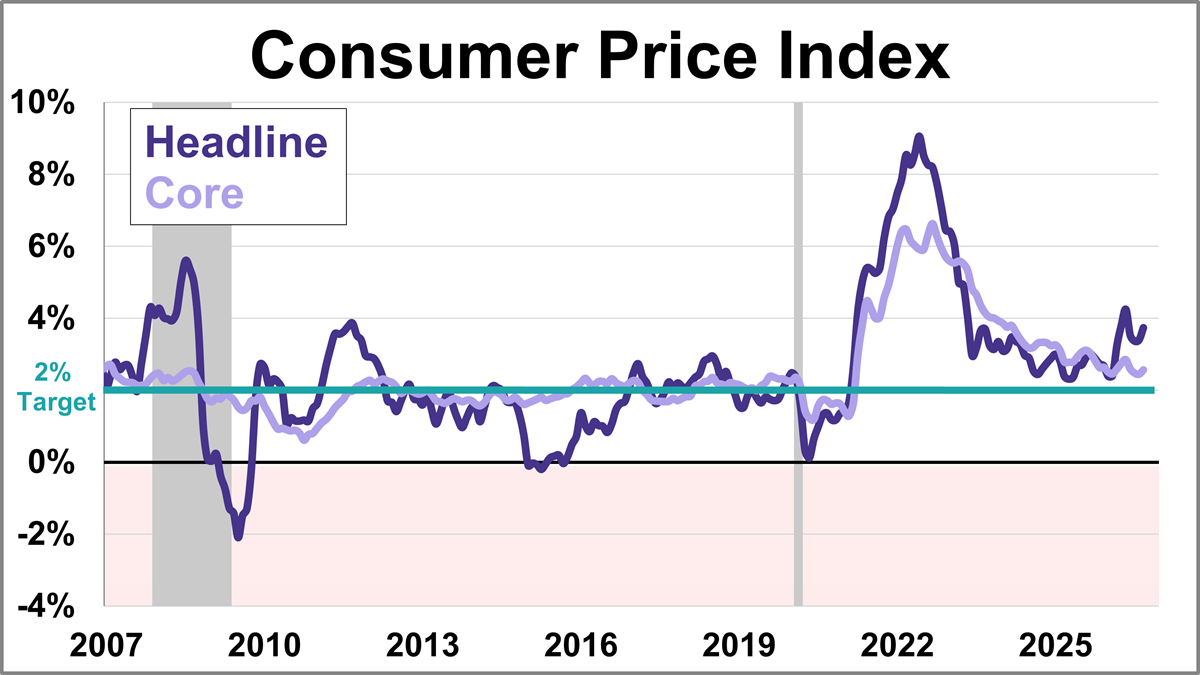
Inflation rose 0.4% month-over-month in October, down from September's print of 0.6%. The headline figure for the Consumer Price Index (CPI) was also higher than economist estimates of 0.3%.
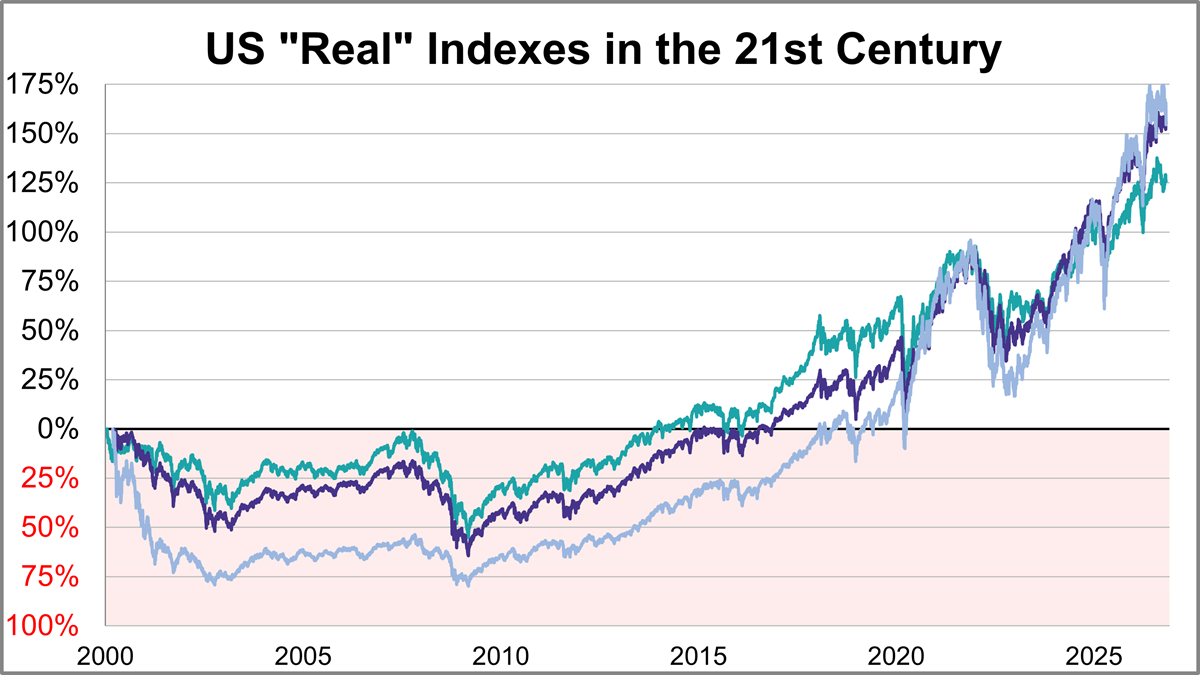
The S&P 500, Dow Jones Industrial Average (Dow), and Nasdaq Composite are all stock market indexes used to measure the performance of various aspects of the U.S. stock market. The indexes generally rise and fall together; however, the extent of gains or losses produced by each can differ depending on market conditions and the state of the economy.
Here is a look at real (inflation-adjusted) charts of the S&P 500, Dow 30, and Nasdaq composite since their 2000 highs. We've updated this through the October 2026 close.
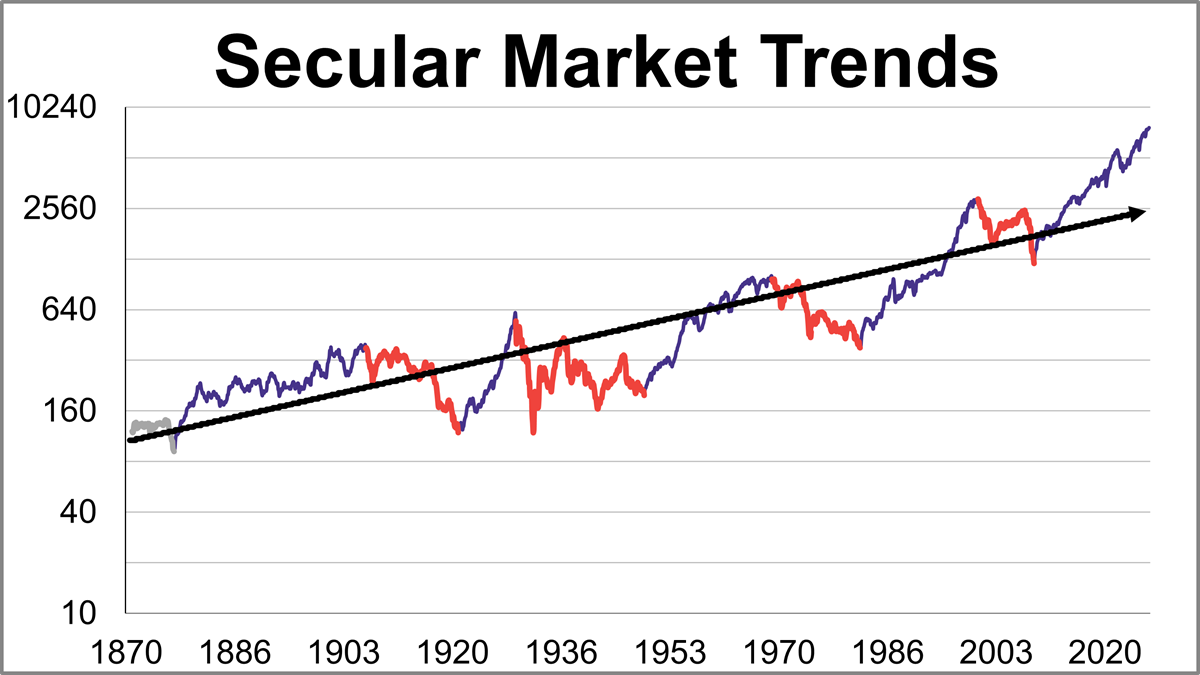
The S&P 500 real monthly averages of daily closes reached a its all-time high in October 2026. Let's examine the past to broaden our understanding of the range of historical bull and bear market trends in market performance.
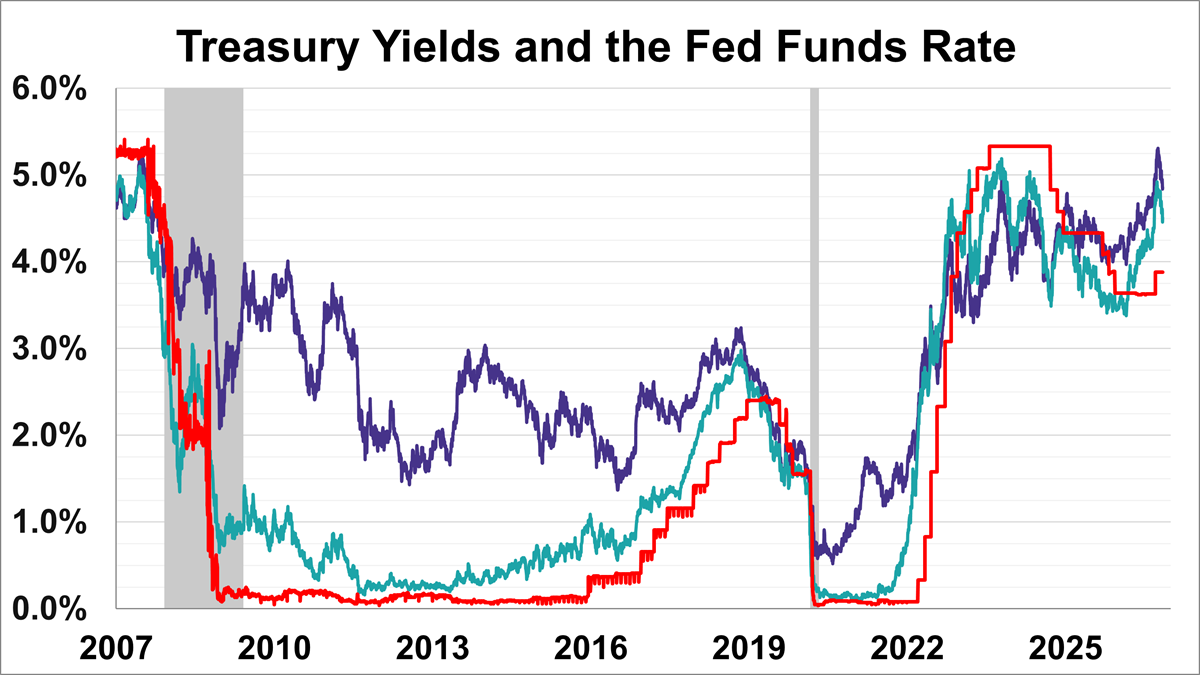
The yield on the 10-year note finished November 6, 2026 at 4.86% while the 2-year note ended at 4.51%.
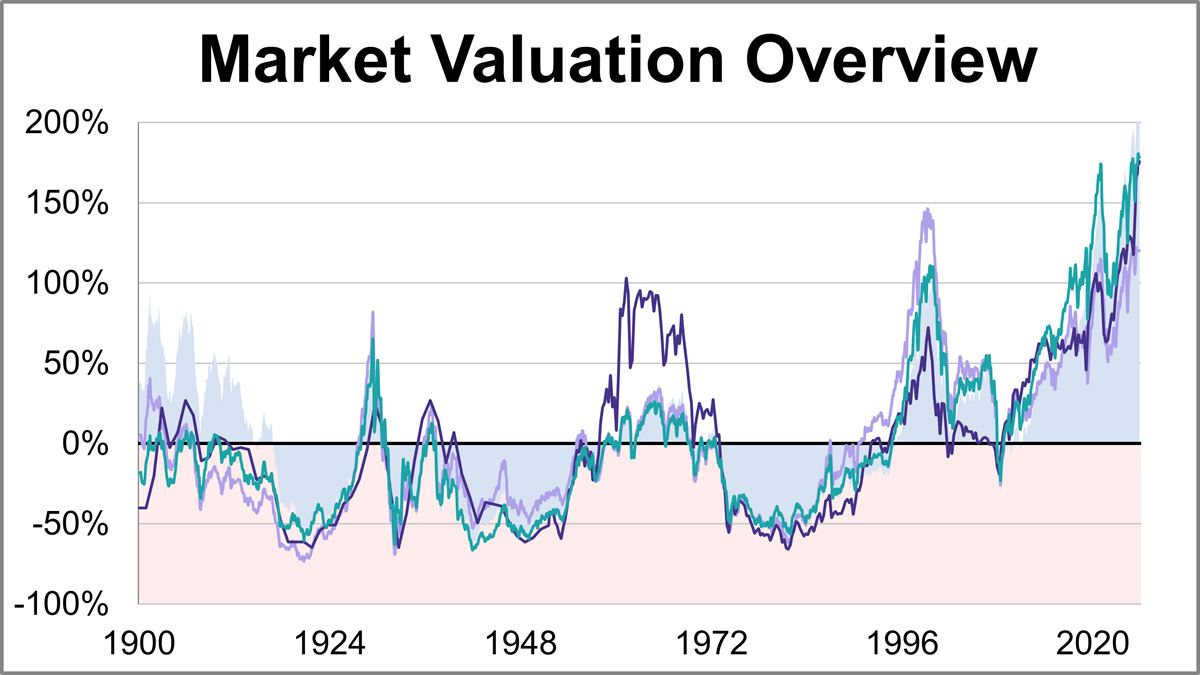
Here is a summary of the four market valuation indicators we update on a monthly basis.
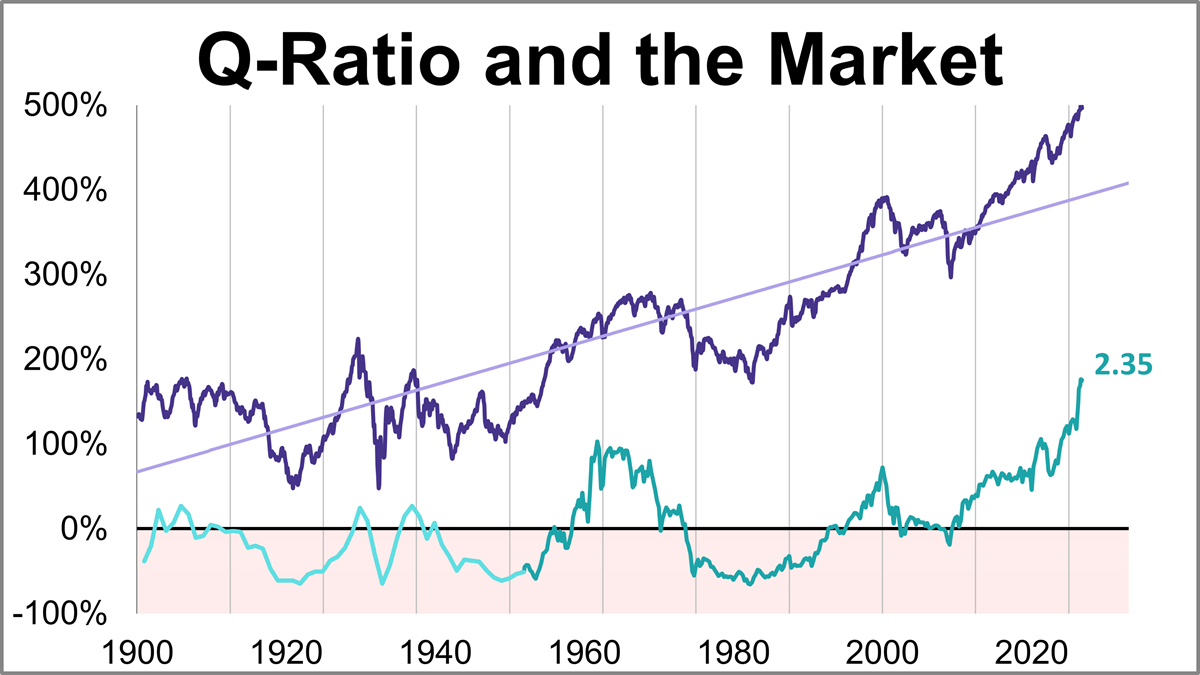
The Q Ratio is the total price of the market divided by the replacement cost of all its companies. As of October 2026, the latest Q-ratio is at 2.35.
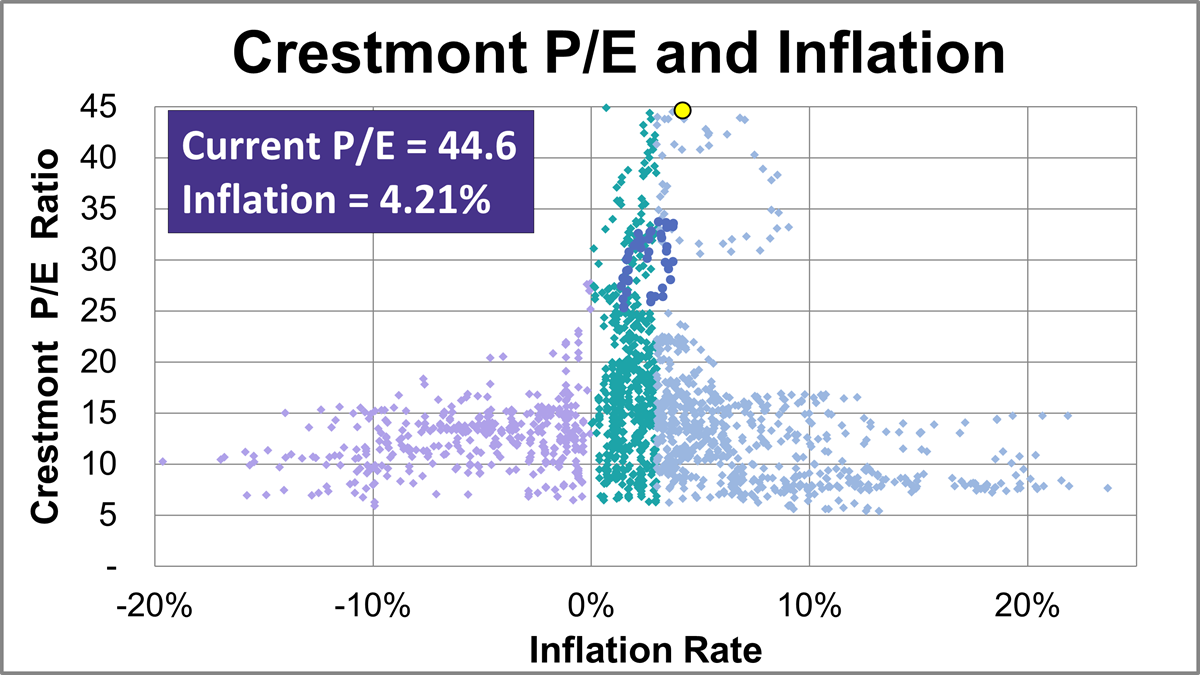
Based on October's S&P 500 average of daily closes, the Crestmont P/E of 44.6 is 189% above its arithmetic mean, 217% above its geometric mean, and is in the 100th percentile of this 14-plus-decade series.
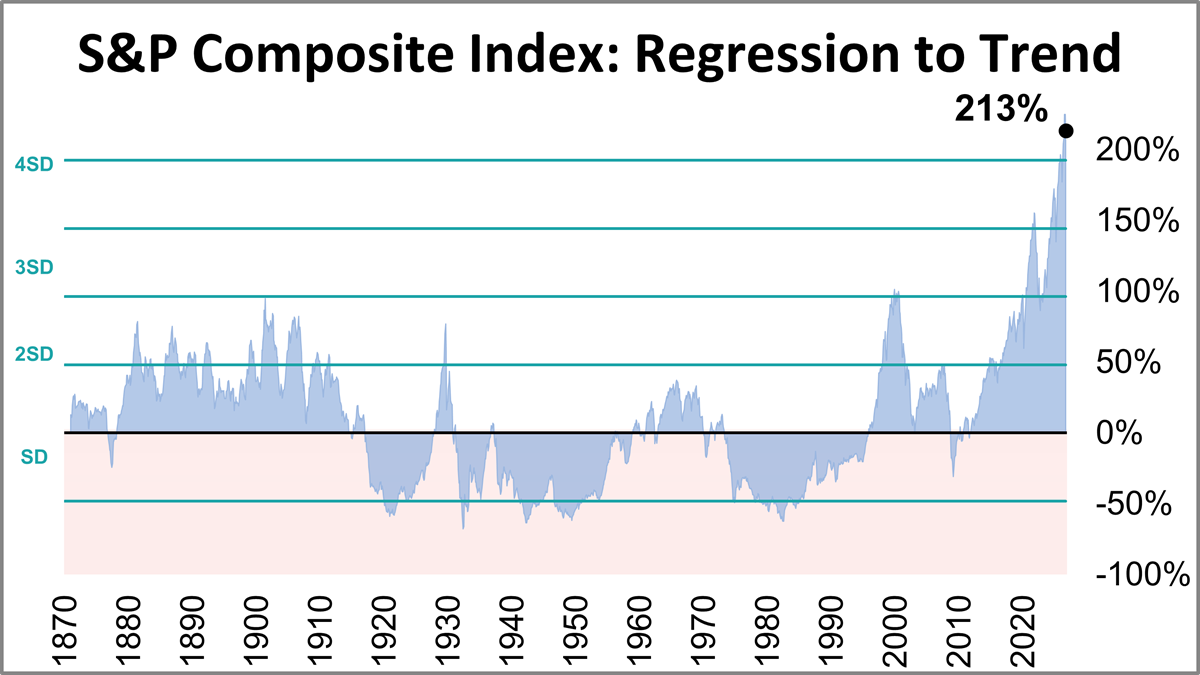
The inflation-adjusted S&P Composite Index was 213% above its long-term trend at the end of October.
Join Amy Y. Zhang, CFA, Portfolio Manager of the Alger Mid Cap 40 ETF (FRTY), for an in-depth discussion on today's mid-cap opportunity set and where she is uncovering high-conviction ideas across transformative themes such as artificial intelligence and healthcare innovation.
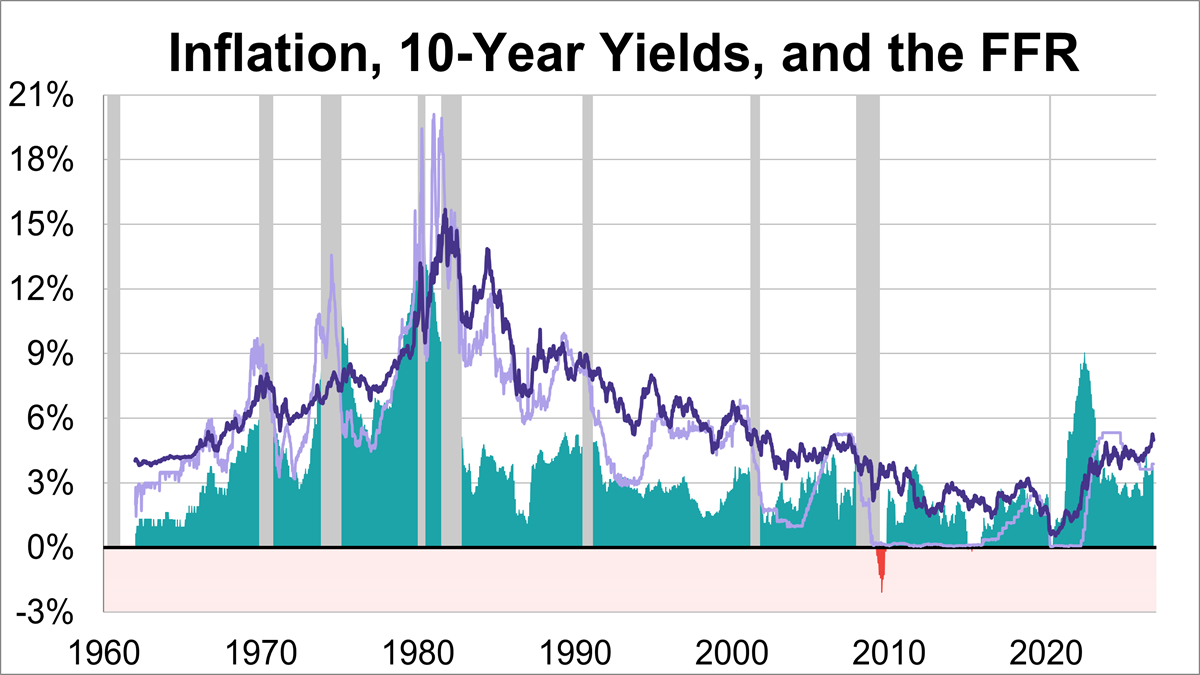
The 10-year Treasury yield has experienced dramatic fluctuations, ranging from a peak of 15.68% in October 1981, during the height of the Volcker era, to a historic low of 0.55% in August 2020, amidst the economic uncertainty of the pandemic. At the end of October 2026, the weekly average stood at 4.99%.
With the Fed resuming rate hikes, inflation remaining above target, and market volatility returning as a persistent feature of the investment landscape, advisors are increasingly turning to income not tied to duration or credit risk.
While market valuations remain on the loftier side, investors face a familiar dilemma. Chasing pure growth leaves portfolios vulnerable to sharp drawdowns, while hiding in traditional “deep value” risks inheriting mature businesses in structural decline — classic value traps.
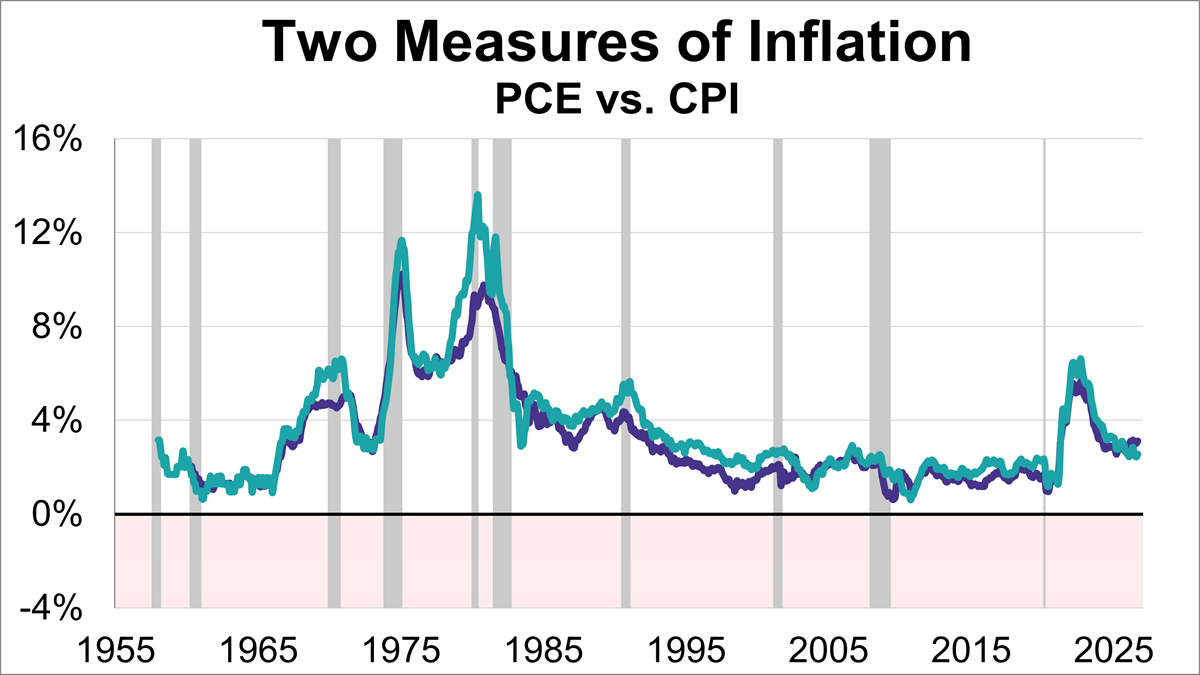
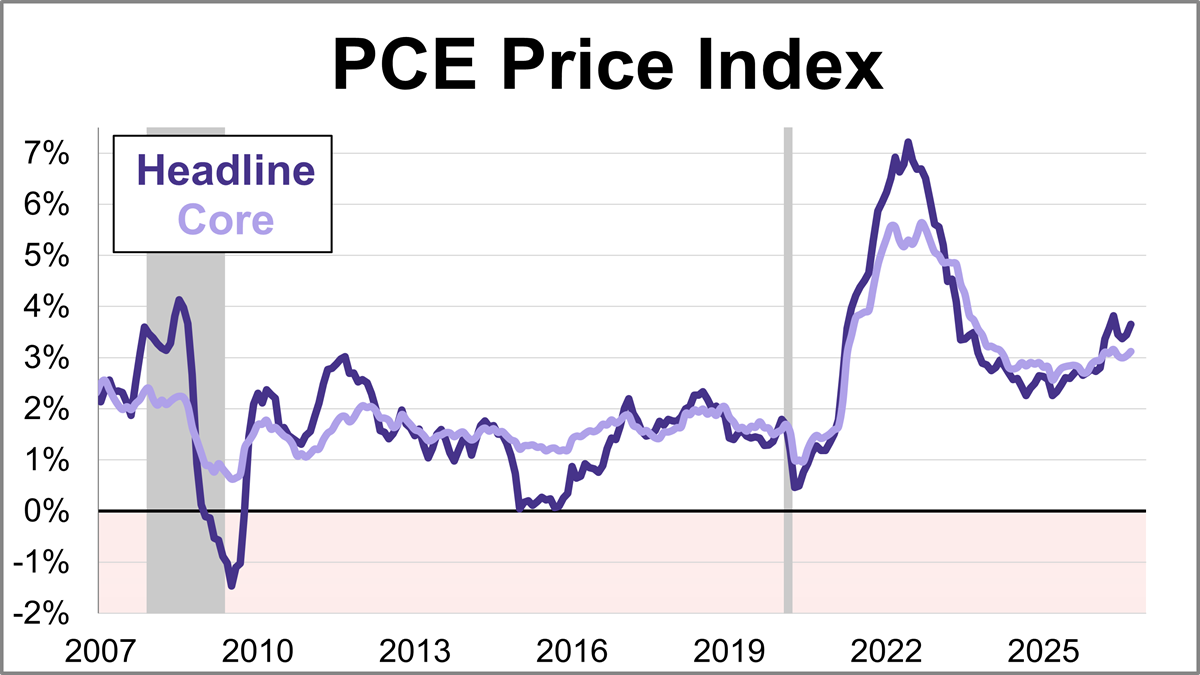
Inflation remains a hot topic, directly impacting everything from your grocery bill to interest rates. As of the latest data, two key inflation gauges — the Personal Consumption Expenditures (PCE) Price Index and the Consumer Price Index (CPI) — show that prices are still above the Federal Reserve's 2% target, with the core PCE at 3.1% and core CPI at 2.6%.
The Federal Reserve’s preferred inflation gauge, the core PCE price index, climbed 3.1% year-over-year in September. This marks a slight uptick from August's 3% reading. On a monthly basis, core prices rose 0.3%.
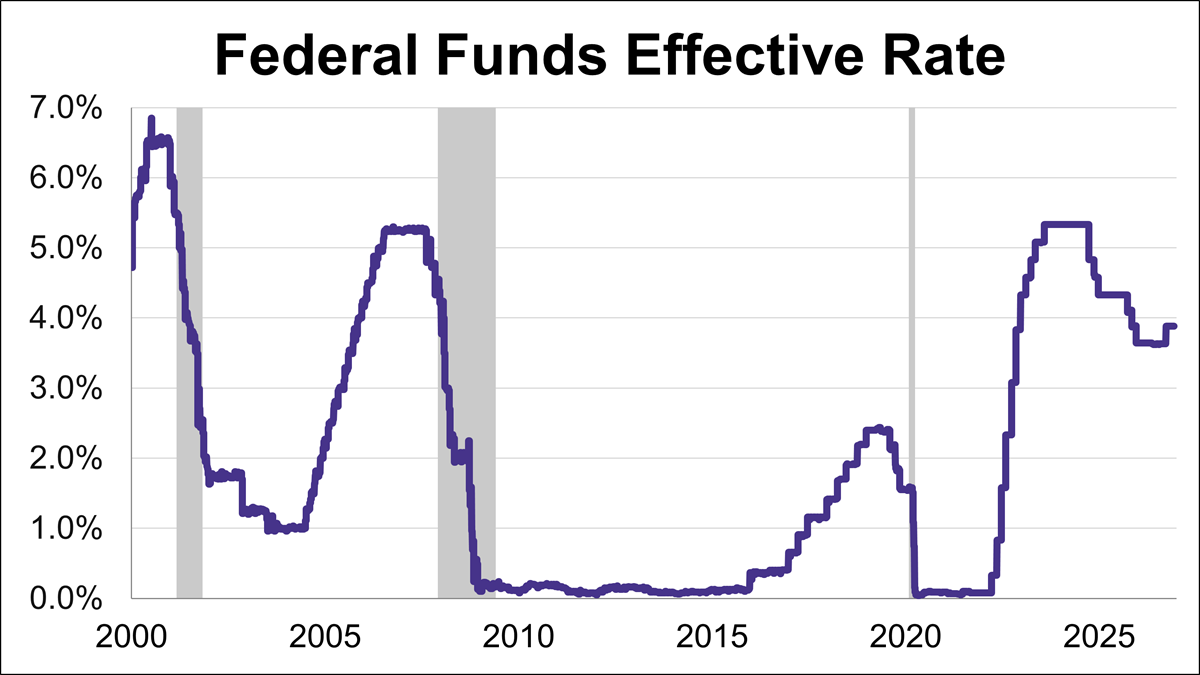
The Federal Reserve concluded its seventh meeting of the year by leaving the federal funds rate (FFR) unchanged, within the target range of 3.75%-4%.
The bond market is flashing levels not seen in nearly two decades. The 10-year Treasury yield is hovering near 5%, while real yields — measured by Treasury inflation-protected securities (TIPS) — are at their highest since before the 2008 financial crisis.
Join the experts at Alger for an educational webcast that explores the mid cap opportunity.
Fall is officially underway, heralding a season of change — and what a difference three months makes. The past quarter brought a dramatic Federal Reserve policy pivot and notable shifts in market sentiment and ETF trends. But within equities, the most striking reversal occurred inside the AI trade itself.
Join the ETF experts at REX Shares for an educational webcast exploring the peptide economy.
September’s fixed income sell-off marked a watershed moment for muni bond markets, delivering the steepest drawdown since the 2008 Great Financial Crisis. As benchmark yields spiked, prices across muni ETFs fell in tandem, and the volatility has not let up. This week, both 10-year and 30-year Treasury yields climbed to their highest levels since 2002.
Join the experts at Allspring for an educational webcast exploring how an ultra-short, active municipal bond strategy can navigate the unique challenges of today’s market.
Retail investors buy corporate bond ETFs expecting steady coupons and ballast against stock market volatility. Traditionally, fixed-income portfolios were anchored by defensive issuers like banks, industrials and utilities.
Markets have dealt with serious whiplash from the Federal Reserve’s dramatic policy pivot this year. In just six months, the Fed funds futures market went from pricing in two rate cuts totaling 50 basis points to now pricing in two rate hikes in 2026.
Join the experts at Thornburg Investment Management for a product due diligence session covering the Thornburg Premium Income Builder ETF (THOR), an active ETF which combines a high-conviction global portfolio of dividend paying companies with an actively managed options overlay.
Join Defiance ETFs’ Brendan Cavanaugh, CFA, and VettaFi’s Kirsten Chang as they discuss how advisors can gain exposure to companies advancing autism care.
ETFs are increasingly breaking down the wall between public and private markets. Asset managers are finding ways to “ETF-ize” private equity and pre-IPO holdings — giving retail investors liquid, fractional access to growth opportunities historically restricted to institutional and accredited buyers. As companies stay private longer, the most explosive growth phases of high-profile startups often occur off public exchanges.
Join the experts at Sterling Capital for an educational webcast covering a unique corner of the fixed income market.
Join the investment strategists at WisdomTree for an educational webcast that explores portfolio position going into the second half of 2026.
Join the experts at CIBC & Precidian Investments for a product due diligence session exploring their ADRhedged ETF (ADRH).
Join us for a live conversation on what it takes to make AI work inside an advisory practice. You won’t want to miss this VettaFi webinar on Aug 27, 2:00 PM ET featuring LPL Financial executives John Stevens, SVP, AI Product Management, and Miller Staten, Head of Product Operations, moderated by TMX VettaFi’s Kirsten Chang.
European equities have long been written off as the ultimate value trap — a sleepy, slow-growth market living in the shadow of Wall Street’s tech-fueled mega-rally. But a massive shift in market dynamics is unfolding across the Atlantic.
Join the experts at SoFi for a product due diligence session covering the evolving income landscape and how options strategies can help investors pursue monthly income in different ways.
Join the experts at Thornburg Investment Management for an educational webcast exploring how we’re going “Back to Normal” in international equities.
Gold’s outlook has brightened considerably following its first-half correction. Spot prices have rebounded to flirt with $4,400 per ounce, supported by renewed central-bank buying, softer economic data, and diminished expectations for further Fed tightening.
Join the experts at Eaton Vance for an educational webcast that unpacks the nuances of preferreds amid the new Fed regime, geopolitical landscape, and economic backdrop.
Join the experts at Calamos for a product due diligence session exploring this unique dynamic hedging product and where it could fit in your portfolio.
The mantra carrying the markets higher for years has been to leave it to mega-cap tech titans and AI leaders to drive the bulk of market gains, leaving cap-weighted indexes historically top-heavy. But a new narrative has begun to take over.
Following historic inflows, momentum in the covered call ETF market continues unabated. Yet first-generation buy-write products were often viewed somewhat narrowly as high-yield income vehicles built on sacrificing equity upside for immediate cash flow. While early strategies proved the massive appetite for yield, they also exposed key advisor pain points — from steep NAV erosion in bull markets to tax-inefficient distributions.
Join the experts at Harbor Capital and PanAgora for a product due diligence session exploring the Harbor PanAgora Dynamic Large Cap Core ETF (INFO).
Join the experts at T. Rowe Price for a product due diligence session exploring how modern derivative-based strategies can be used to supplement the income sleeve of a portfolio and systematically gain market exposure.
Markets may have ended the first quarter with a thud, but stocks put another record run in the books to close out the first half of 2026. The U.S. ETF market had already shattered records, crossing the $15 trillion threshold and cruising past $1 trillion in net inflows right before summer officially began.
Markets have been hyper-focused on AI, crypto and buffer ETFs, but REIT ETFs have quietly staged an impressive comeback. The REIT terrain has shifted rapidly over recent years, and forward-looking investors and advisors have taken notice.
Join the experts at MassMutual Strategic Distributors for an educational webcast exploring income riders and how to evaluation variable annuities beyond surface level features so you can match the right rider to each client’s investor profile and retirement goals.
Markets have treated AI as a gold rush of LLMs, chips and cloud applications, but as the industry shifts from chatbots to agentic systems — AI that autonomously runs workflows and makes decisions — hyperscalers are now facing a brutal physical bottleneck.
Join the experts at Reckoner for an educational webcast exploring the CLO space and how to navigate it.
Join the experts at Precidian Investments as they explore how to recognize, mitigate, and manage currency risk and how to better approach your international exposures.
GraniteShares and VettaFi are bringing together the experts to demystify autocallable and barrier ETFs: how they generate superior income, how barrier levels protect against the downside, and exactly how they fit into a modern income strategy.