U.S. stocks are trading modestly lower in pre-market action with the markets awaiting tomorrow's key September nonfarm payroll report.
Stocks extend yesterday’s gains as rates continue to ease.
U.S. equities are higher in afternoon action following a recent plunge to lows not seen since 2020.
Bleeding into this week, the British pound reached its lowest level ever Monday, relative to the U.S. dollar.
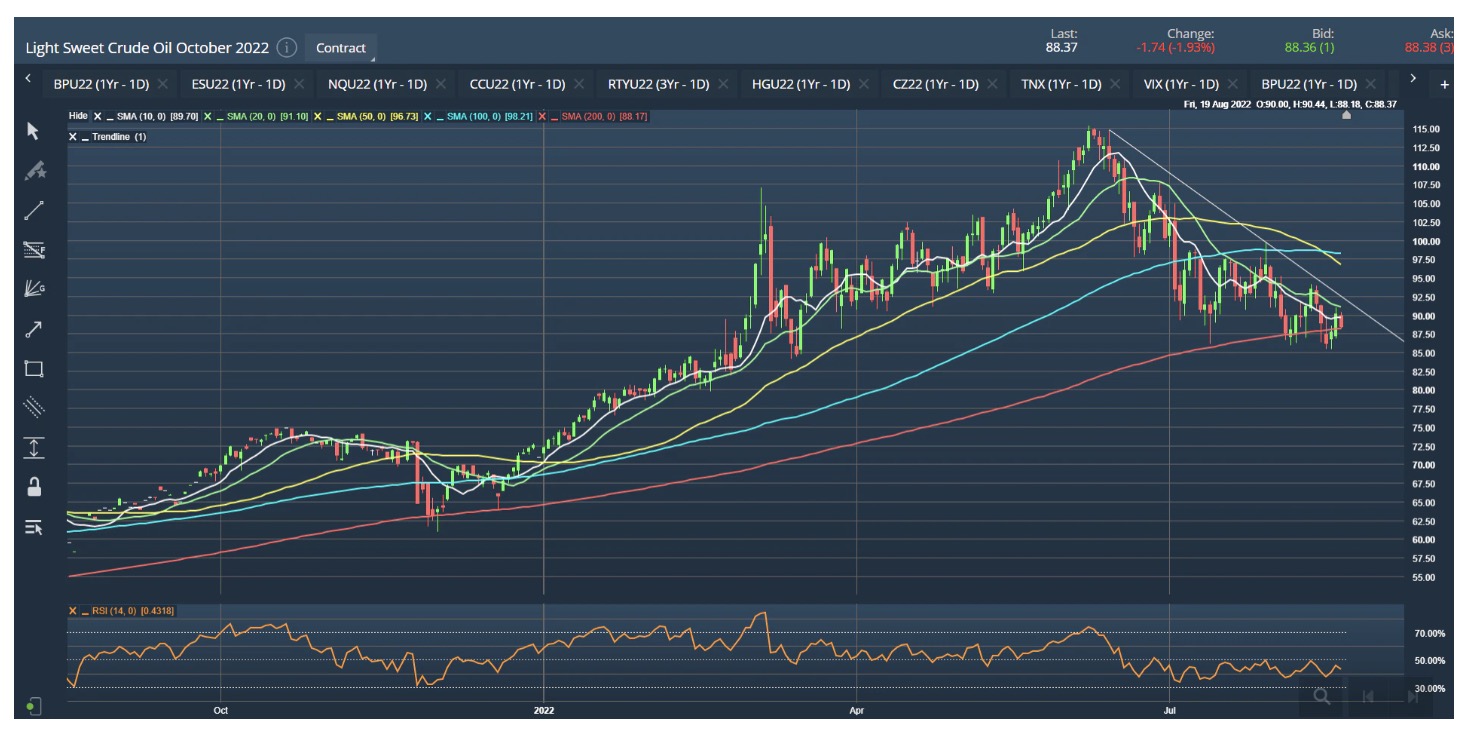
Oil has been routing since summer after reaching historic highs of over $130 per barrel, but we may see some relief soon as near-term events may trigger a rally.
U.S. stocks are moving higher in pre-market trading, following yesterday's third-straight 75-basis point rate hike from the Fed.
U.S. stocks are declining in pre-market trading as the markets await the Fed’s highly anticipated monetary policy decision tomorrow.
U.S. equities are modestly higher in afternoon action on the heels of yesterday's sharp drop that came as consumer price inflation surprisingly came in hot.
Silver rallied to start the week as all contract months were up four percent or more.
U.S. stocks are starting the week in positive territory, extending last week's advance that snapped a three-week losing streak.
U.S. stocks are continuing to trade higher in the final session of the week and are on pace to end a three-week losing streak.
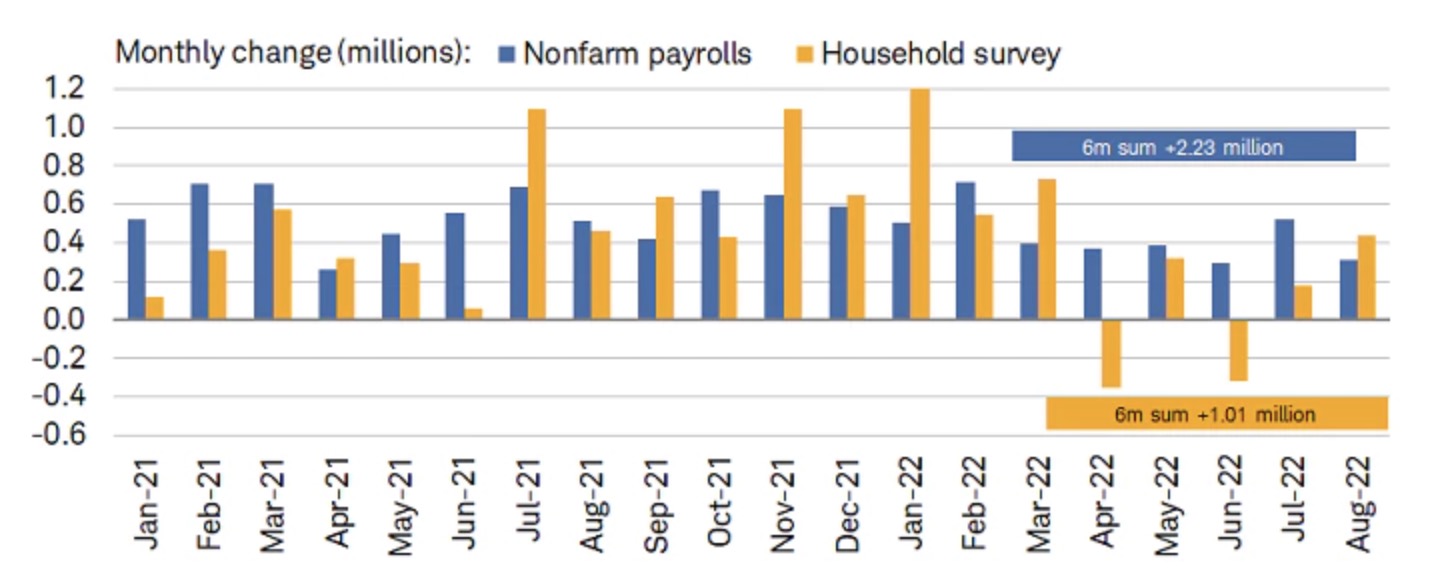
The August jobs report delivered something for both economic bulls and bears, but what matters more in the near term is the Fed's focus on seeing a continued easing in labor demand.
Federal Reserve Chair Jerome Powell’s hawkish comments dominated the markets on Friday, with the major indices all seeing a drop of over 3%.
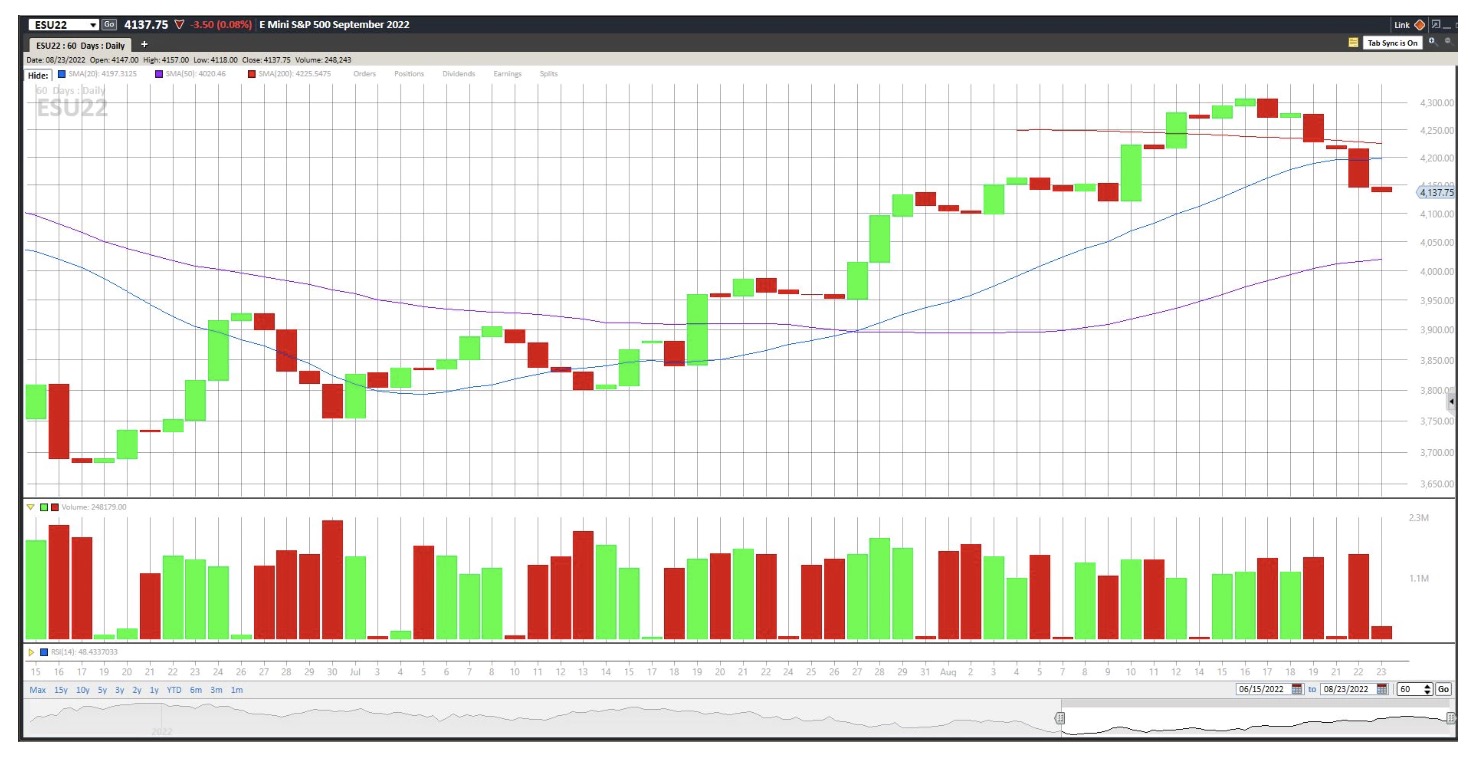
U.S. stocks ended the day in the red, continuing last week's sharp drop following comments from Fed Chairman Jerome Powell last Friday that heightened inflationary concerns.
Equity markets plunged to start the week based on increased FOMC pressure to raise rates to combat inflation.
Crude oil futures ended higher, reversing losses earlier in the week after news that U.S. crude inventories fell sharply.
U.S. stocks are subdued following yesterday’s release of the minutes from the Fed’s July monetary policy meeting.
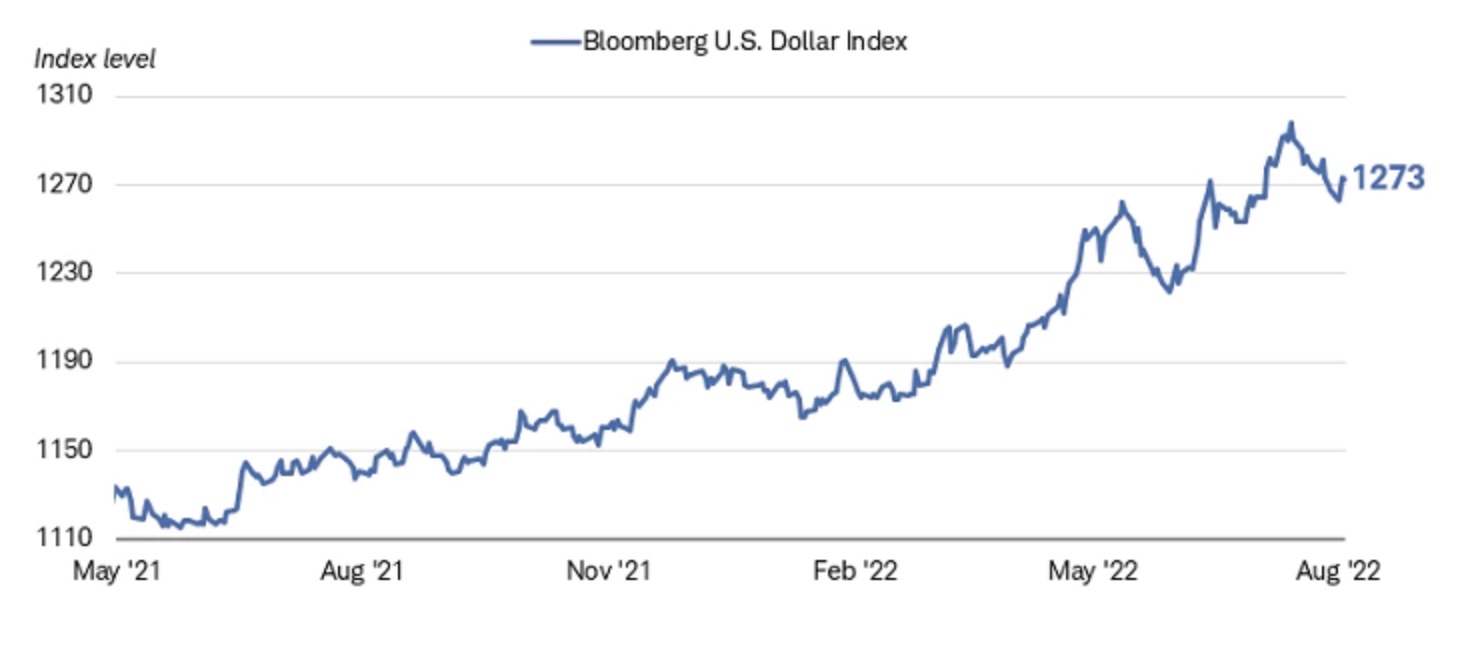
Crude oil prices dropped substantially to start the week after the dollar rallied.
U.S. stocks have come off the worst levels of the day and are threatening a move into positive territory.
U.S. stocks are moving upward, continuing yesterday's rally, as the markets digest the release of the Producer Price Index.
U.S. stocks are trading mixed in pre-market action, with the markets anticipating tomorrow's start of a flood of July inflation data.
A trifecta of factors support the dollar, including the relatively strong performance of the U.S. economy, tightening monetary policy by the Federal Reserve, and safe-haven buying.
U.S. equities finished mixed in choppy trading amid a host of data, events and cautious Fedspeak driving sentiment.
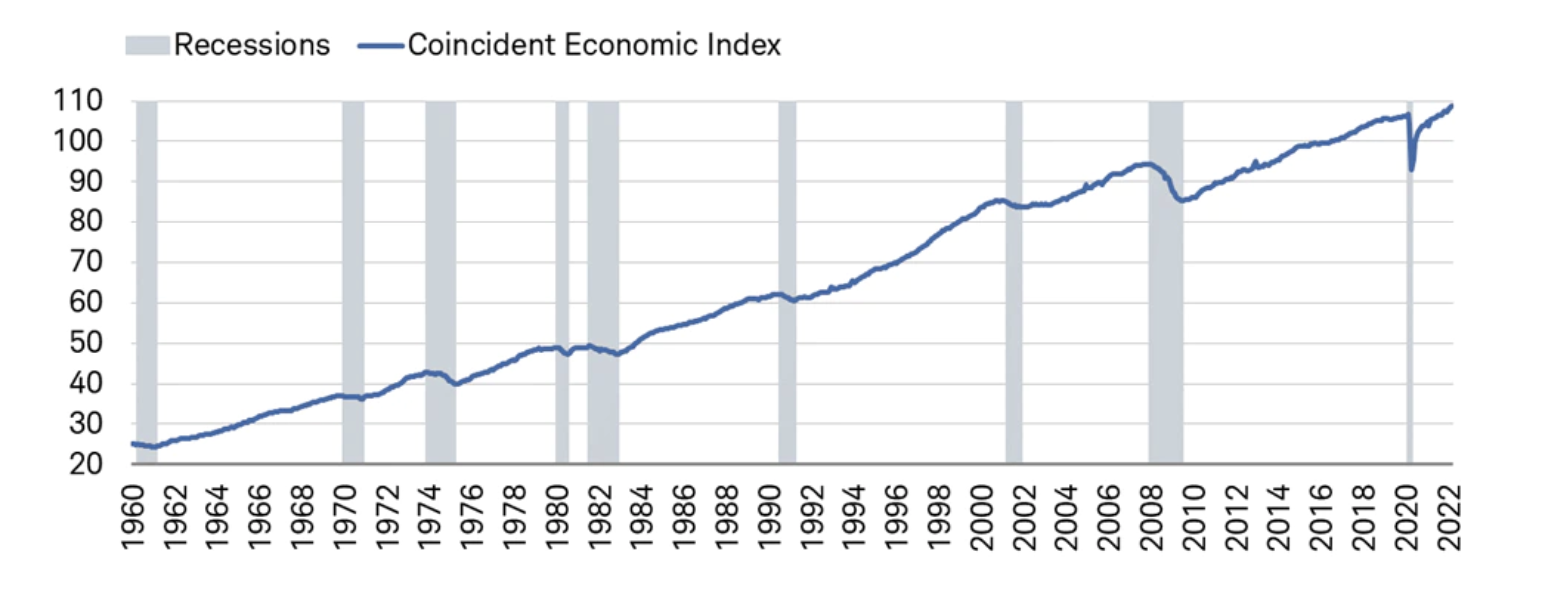
The U.S. has experienced another quarter of reduced output, in the face of high inflation and rising interest rates.
U.S. stocks are trading higher as the Street is reacting positively to softer-than-expected earnings results from some key companies.
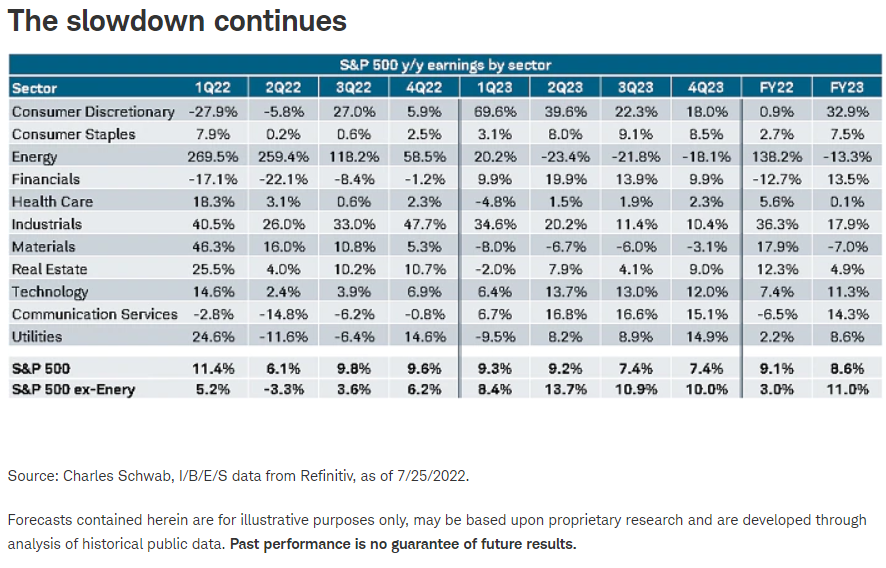
Second-quarter earnings growth will mark an expected deceleration in profits, but focus will likely continue to shift to the pace at which outlooks are downgraded.
U.S. stocks are mixed in a subdued session to close out the week, but remain on target for a sharp weekly advance.
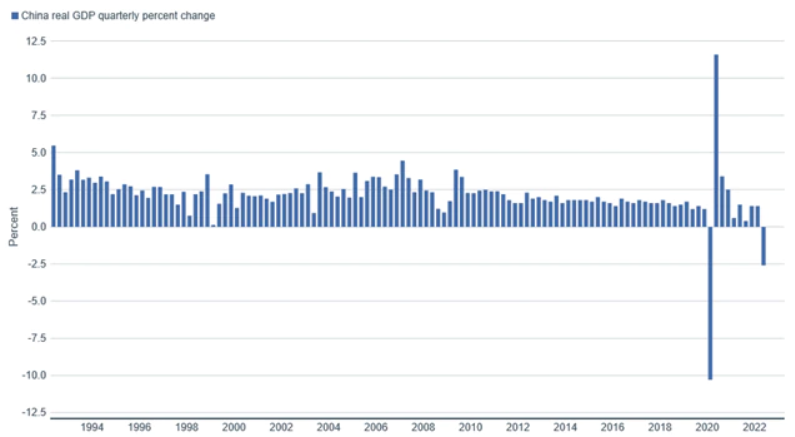
Although an economic rebound in China is underway according to government and private sector data, its economy and stock market may remain volatile.
U.S. equities are seeing solid gains, as the bulls look to sustain the rise today after failing to do so yesterday.
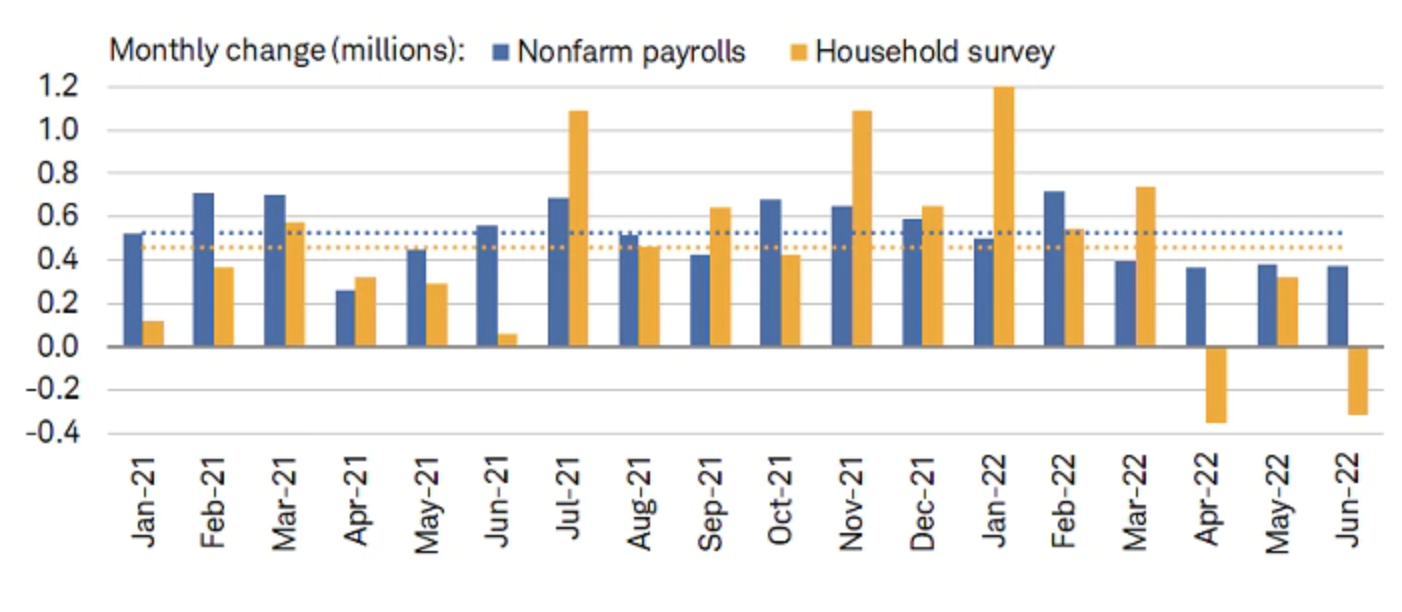
The June jobs report was cheered by economic bulls given its strength in level terms, but rates of change among leading indicators don't favor a soft-landing outcome for the economy.
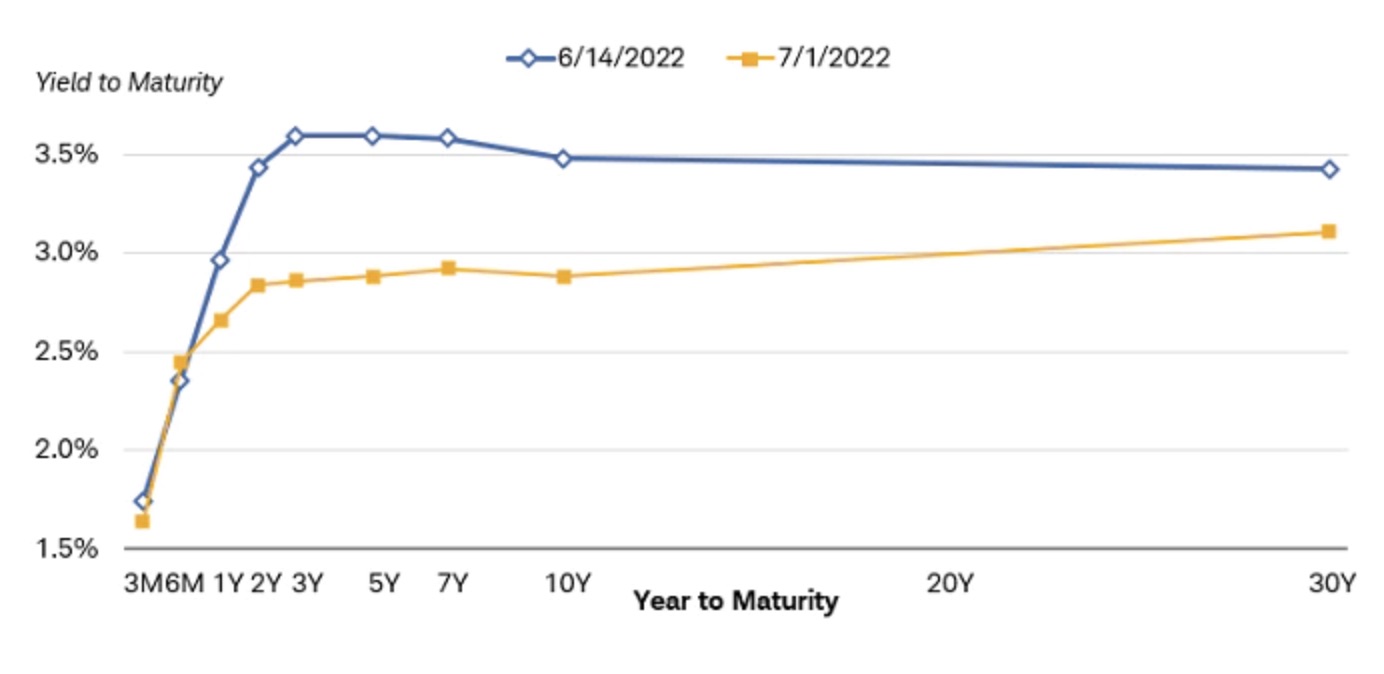
The Federal Reserve's pledge to curb inflation appears to have resonated with the market.
U.S. stocks are seeing pressure in early action following the long holiday weekend, with global recession concerns weighing on sentiment.
The crypto investing front has taken another barrage of body blows, pushing Bitcoin to test the $19,000 per coin level once again.
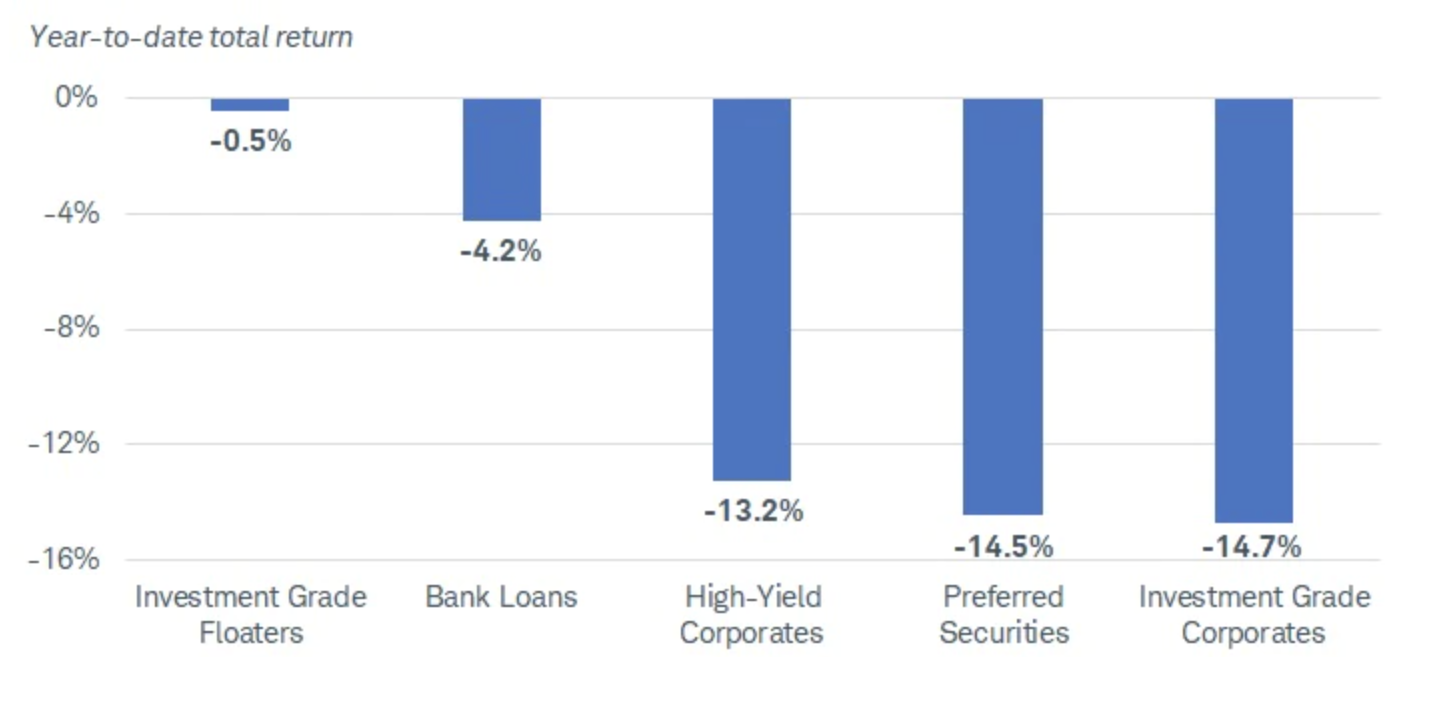
After the steep drop in prices during the first half of this year, yields on many corporate bond investments are at or near 12-year highs.
U.S. stocks are extending weekly gains, rebounding from yesterday afternoon's slide as the markets remain choppy amid lingering global recession concerns that have been bolstered by monetary policy tightening efforts around the globe aimed at getting high inflation under control.
Rising inflation, rate hikes, supply-chain problems and the Russia-Ukraine war have contributed to growing recession fears.
Stocks modestly lower ahead of tomorrow’s inflation report.
U.S. equities are lower as the recent volatility continues despite yesterday's gains.
Sharp, countertrend rallies may continue this year, but aggressive Fed policy, the turning of the liquidity tide, and slower economic growth will likely keep pressure on stocks.
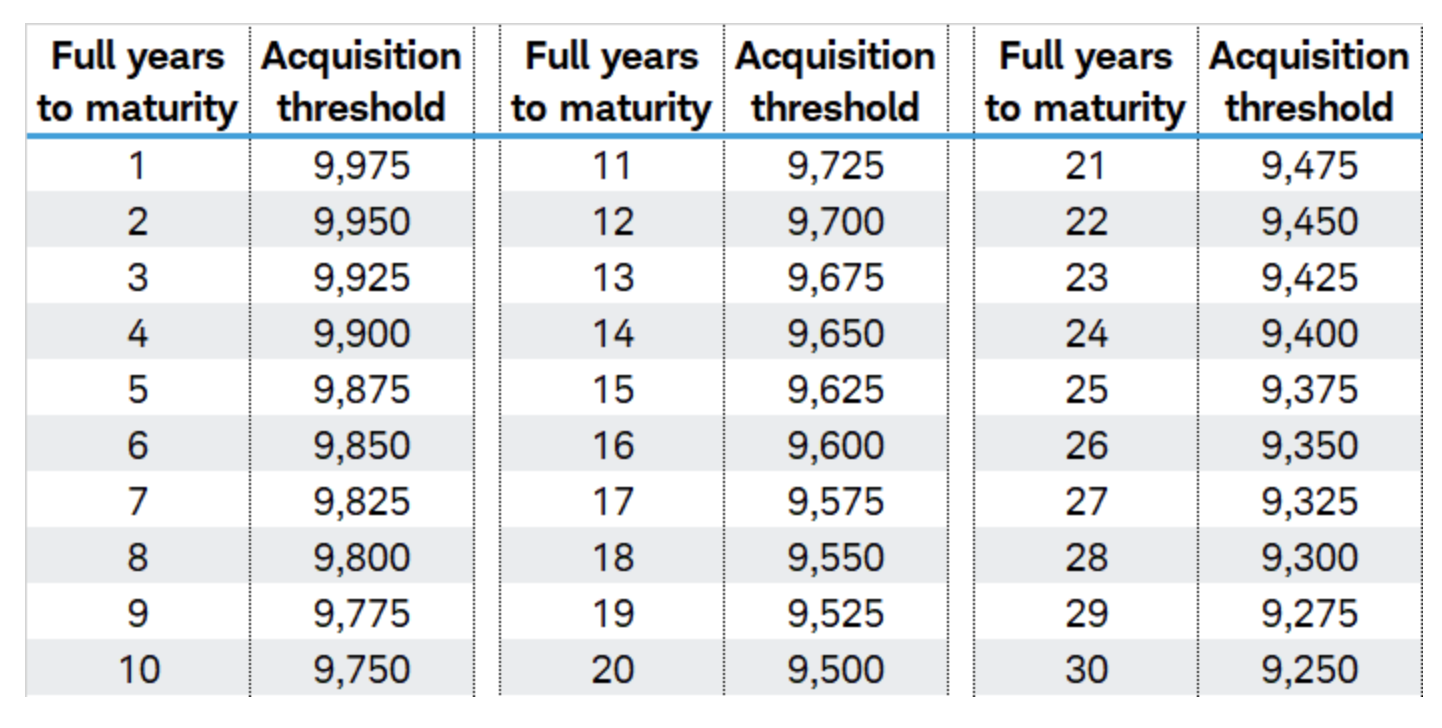
Municipal bonds acquired at too deep a discount could be subject to an additional tax, known as the de minimis tax, which would take a bite out of the after-tax return.
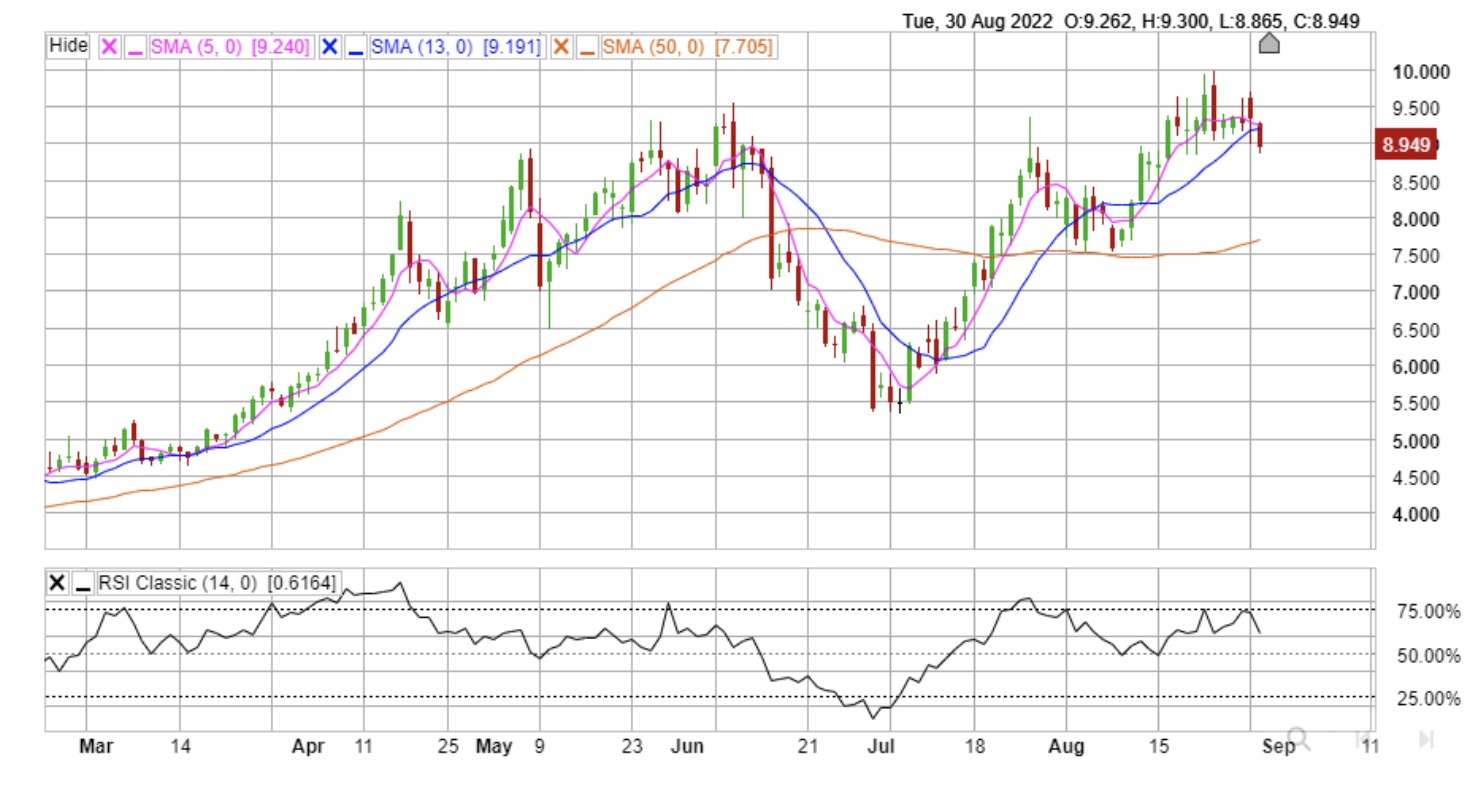
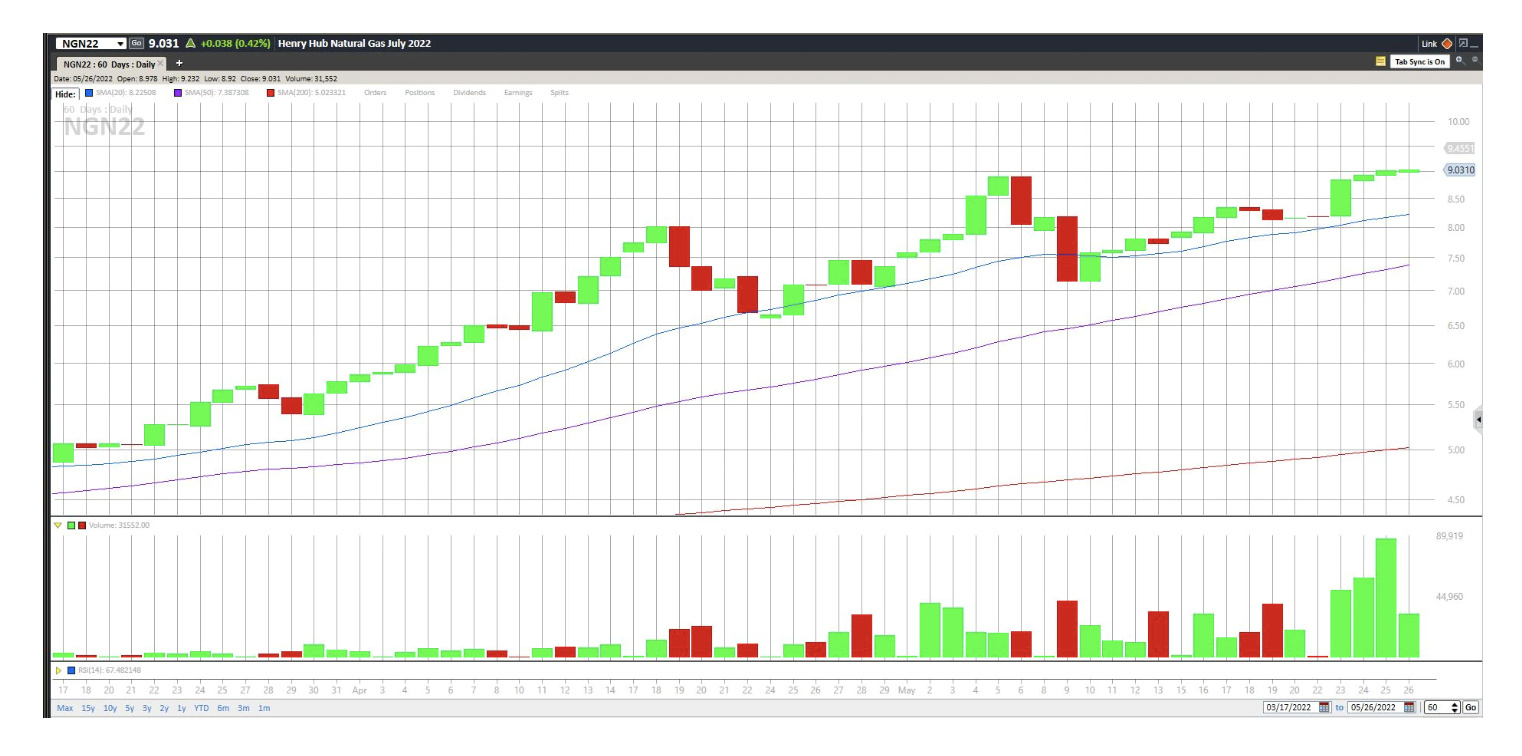
Low inventories drove natural gas prices to their highest level since 2008, while above normal temperatures are putting additional stress on natural gas supply.
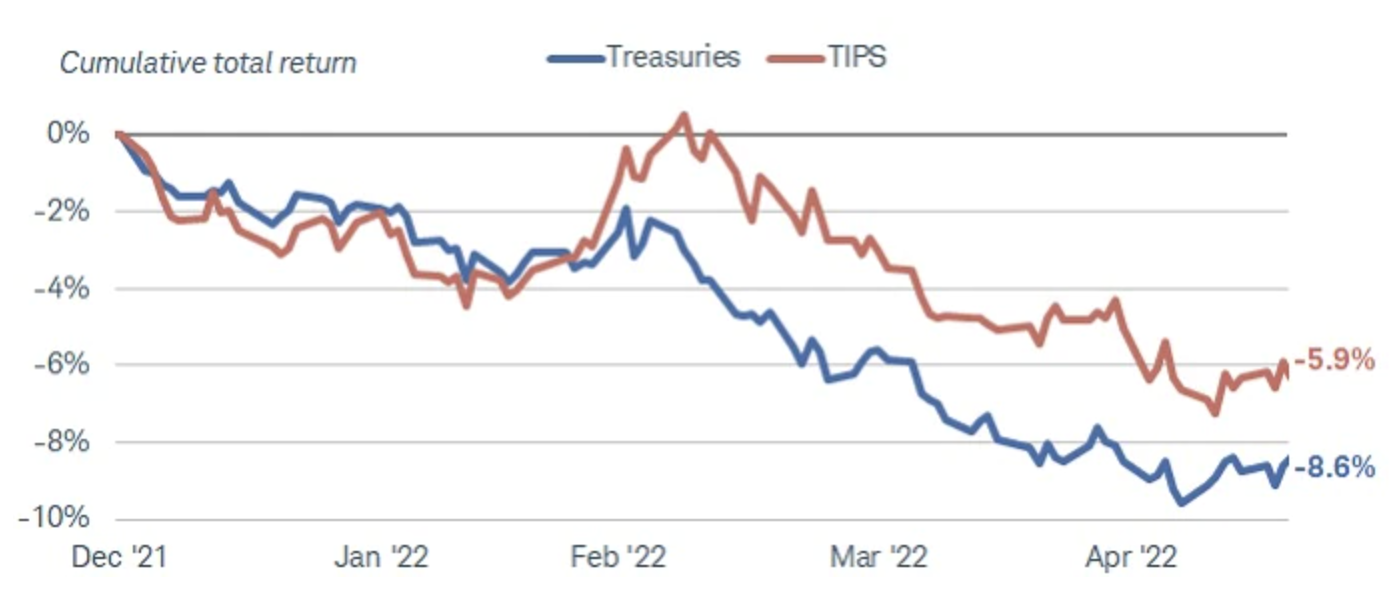
Treasury Inflation-Protected Securities, or TIPS, can help protect against inflation over the long run, but in the short term their performance may be dictated more by price declines in the secondary market.
U.S. equities are trading lower in afternoon action with the markets unable to extend yesterday's solid gains.
Stocks start the week higher following recent bearishness.
U.S. equities plunged, finishing near the lows of the day, following disappointing quarterly results from Target Corporation and Lowe's Companies, with both retailers warning of rising cost pressures.
Natural gas prices traded higher to start the week after forecasts show hotter than average temperatures in the United States.
U.S. stocks are trading lower as another week begins on the heels of six-straight weekly losses for the S&P 500.
Charles Schwab May 2022 Market Snapshot with Liz Ann Sonders.
U.S. stocks suffered another day of losses Monday, as the market continued to weigh the risk that the Federal Reserve’s aggressive anti-inflation campaign could push the economy into recession.
As expected, the Federal Open Market Committee (FOMC) raised the fed funds rate by 50 basis points, to a range of 0.75% to 1.0%.