BlackRock Inc.’s Global Infrastructure Partners LP and EQT AB are in advanced talks to acquire power company AES Corp., according to people familiar with the matter.
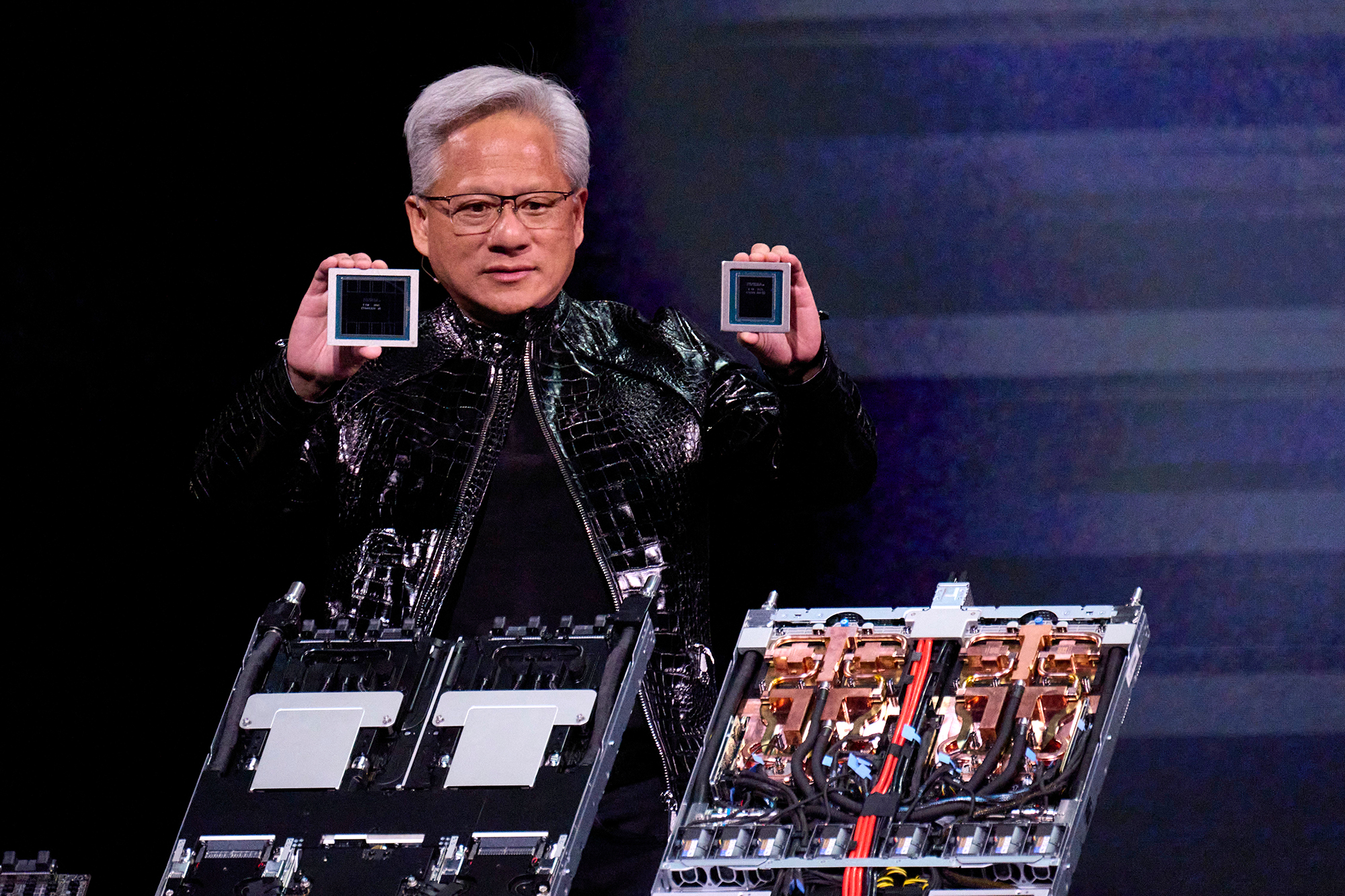
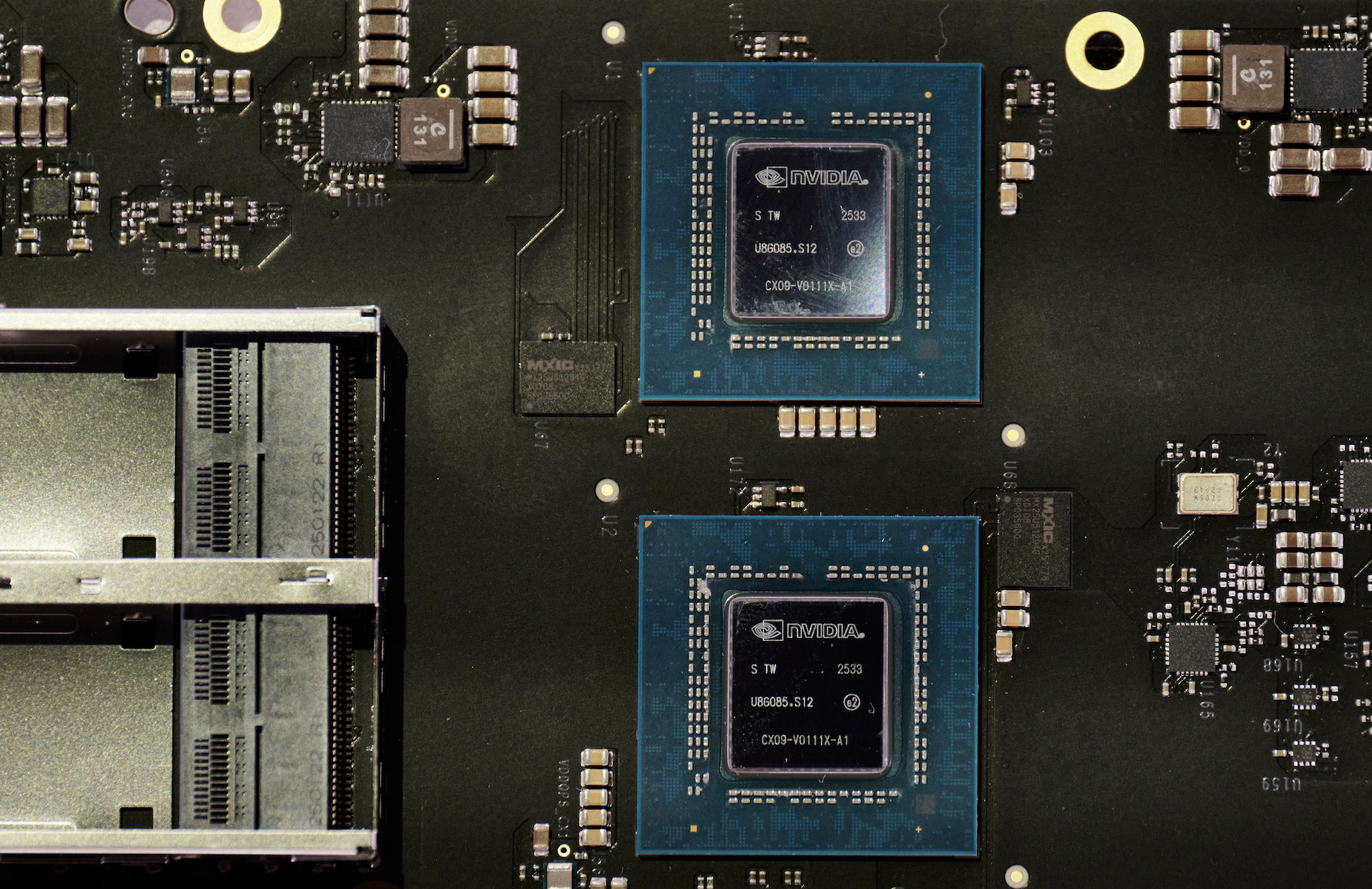
Nvidia Corp.’s latest sales forecast drew a lukewarm response from investors, signaling that concerns over a potential bubble continue to weigh on the dominant maker of artificial intelligence processors.
The frontier AI companies are building exactly the kind of cost structure Christensen warned about at a scale he could never have imagined. No companies in the history of capitalism have ever paid their employees like this.
Global asset managers who collectively oversee more than $20 trillion of assets have grown more bullish across emerging-market equities, currencies, domestic bonds and credit, potentially offering fresh momentum to the sector’s record-busting rally.
The S&P 500 has been stuck in a range for the better part of four months, and investors are paying up to protect against the possibility that the next big move is down. To a growing number of strategists, that pessimism is cause to expect the opposite.
A bidding war for Janus Henderson Group Plc broke out Thursday as Victory Capital Holdings Inc. offered to buy the money manager for $57.04 a share, in a move that topped a previous offer from Nelson Peltz’s Trian Fund Management.
Thanks to Nvidia Corp.’s practice of reporting earnings outside of the typical cycle for technology companies, the question of whether the almost $5 trillion company will record strong demand in 2026 had already been safely answered well before its latest announcement on Wednesday.
As investors digest the potential impact of artificial intelligence and debate whether this new technology will help or destroy existing businesses, a sharp divergence is occurring in global equities.
While most ultra-wealthy people may think they’re like everyone else, they’re not. They have unique financial needs and challenges. At some point — often after making avoidable financial errors — they recognize that they need assistance managing the complexities of their everyday lives.
Our team at The Collaborative lost one of our long-time coaches this week to cancer. Cathy Manning was not only an amazing coach, she was a dear friend of mine from the time we worked at John Hancock together in Investment Marketing decades ago. This column is dedicated to some of the Cathy-isms I learned over the years watching her adeptly coach our clients.
When advisors shift from being prepared with answers to being present with questions, the conversation becomes more alive. Clients feel that there is room for them, not just space for information. That sense of room keeps clients engaged.
US mortgage rates slipped last week to the lowest level since 2022, generating more refinancing activity.
JPMorgan Chase & Co. and Bank of America strategists are urging clients to buy Venezuelan global bonds with large piles of unpaid interest, betting they could outperform ahead of a potential debt restructuring.
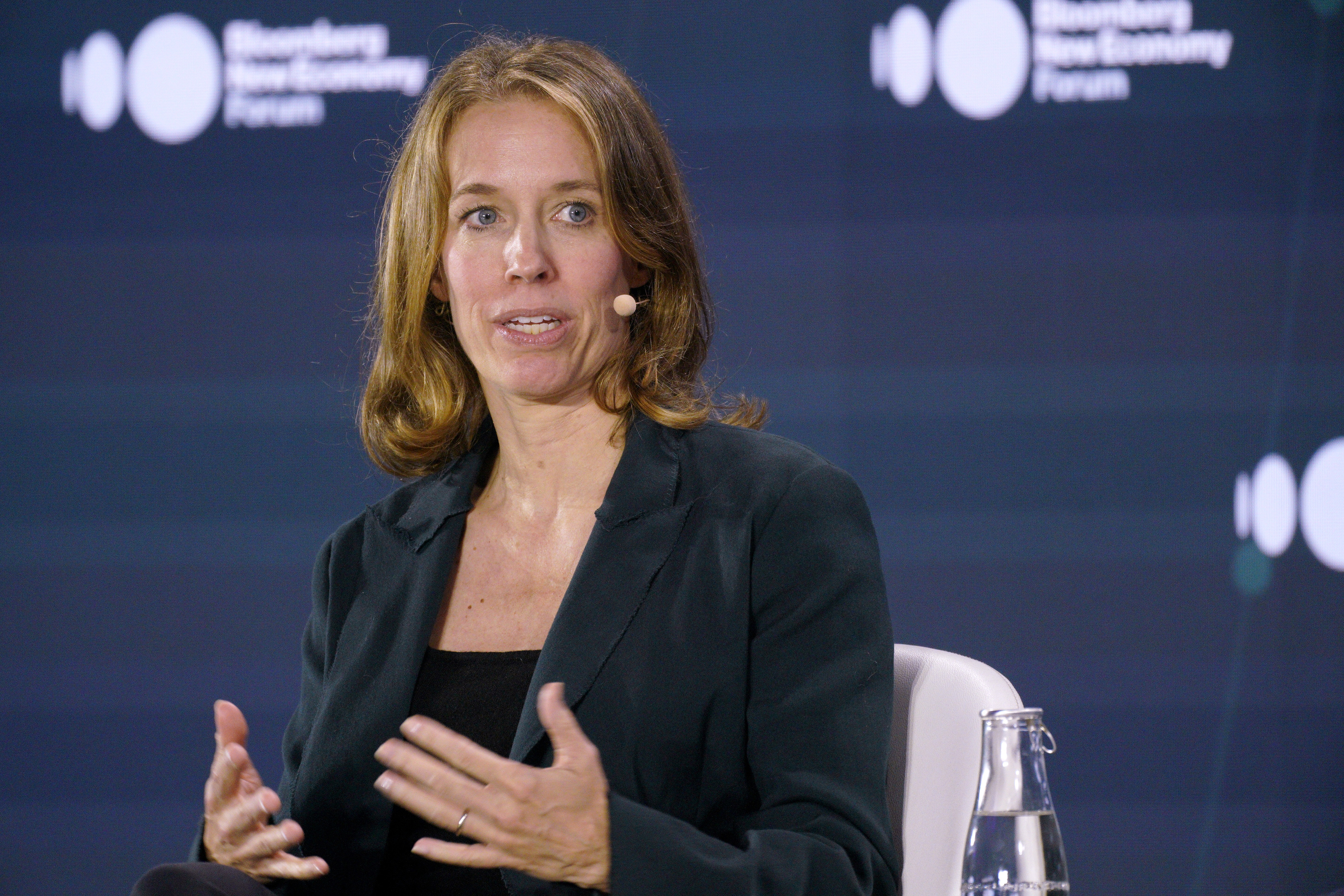
The threat to software-backed businesses from artificial intelligence should prompt investors to shift focus from technology to companies that toil in the physical world, like miners, power producers and industrial firms, according to Ulrike Hoffmann-Burchardi, global head of equities and chief investment officer for the Americas at UBS Wealth Management.
Nvidia Corp.’s earnings report on Wednesday afternoon comes at a critical time for the US stock market with investors increasingly nervous about the outlook for artificial intelligence.
Stripped to its essentials, finance is a race against time. What lies ahead of us is unknown, and the vast industry of banking and finance has developed to manage the risks that come with making commitments now that depend on an uncertain future.
Advising clients through divorce requires both a deep dive into assets as well as a command of the softer skills — supporting them through the emotional ups and downs ahead and their financial plan post breakup.
Advisors who focus exclusively on public markets risk missing meaningful exposure to the infrastructure build-out powering AI and the broader digital economy. Now is the time for advisors to understand this landscape and help clients participate in a long-duration trend that is fundamentally reshaping how the world works.
Corporate bonds are exposed to abrupt downside as liquidity providers are increasingly replaced by liquidity takers.
Day after day, Wall Street investors fret that artificial intelligence could disrupt white-collar industries by turning expert human judgment into code.
Both financial and emotional growth are about healing and integrating the past instead of erasing it. When our money decisions become Self-led rather than fear-led, we gain both greater financial flexibility and a deeper sense of internal safety.
The captains of artificial intelligence are an impatient lot. There’s good reason for the existence of the Silicon Valley cliché “move fast and break things.” They are certainly moving fast on the buildout of AI infrastructure, rolling out eye-popping spending budgets to buy computer chips and construct data centers to house them.
An unintended consequence of the brutal bear market in Bitcoin has been to focus the blockchain industry’s attention where it is most needed: real-world assets.
It’s been a wild few months for software and other “middleman” stocks. First, there was “SaaSpocalypse,” in which investors dumped enterprise software purveyors that help companies manage accounts and internal workflows.
Given the divergence between the calm market surface and the volatility of its underlying stocks' returns, let's get a better grip on the market’s undercurrent and decipher what it may be trying to tell us.
One underused alternative sits quietly in the options market: the short box spread. When used correctly, it allows advisors to treat borrowing as a fixed, collateralized financing decision, rather than an improvised margin advance.
Until I read Hannah Ritchie’s new book, “Clearing the Air: A Hopeful Guide to Solving Climate Change in 50 Questions and Answers,” I was inclined to believe the view of Mark Mills, a former senior fellow at the Manhattan Institute, that a transition away from society’s dependence on hydrocarbons “is not feasible in any meaningful time frame.” But Ritchie changed my mind.
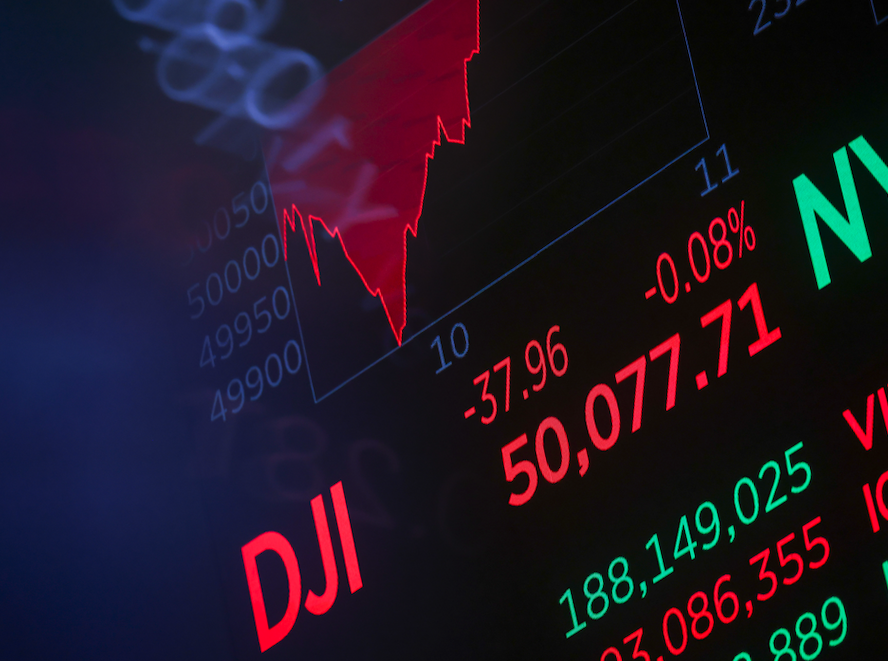
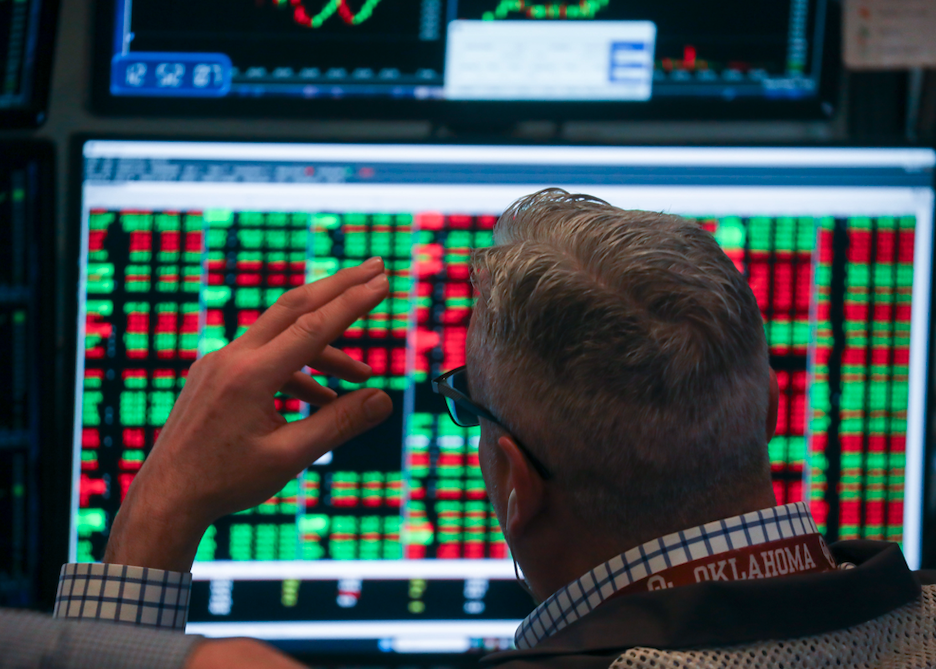
The placid surface of an equity market that’s treaded water for months is masking dramatic swings underneath, as stock moves whipsaw traders and threaten more turbulence ahead.
Pay for top bosses at the biggest US banks has reached new records in the past couple of years, surpassing even what chief executive officers got in the pre-crisis peak of 2007. Someday these vast rewards might run dry. After all, in the age of artificial intelligence, what is a CEO even for?
With his move to impose new global tariffs, US President Donald Trump isn’t just trying to repair a trade policy dismantled by a Supreme Court rebuke. He’s also declaring the world’s largest economy is facing a profound balance-of-payments crisis.
A tweak here, a twiddle there, and now possibly a 3% sweetener on the price. It’s all progress. But the billionaire Ellison family has yet to make an offer for Warner Bros Discovery Inc. that clearly beats the studio’s December deal with Netflix Inc.
Since the dawn of retail, merchants’ primary job has been to tempt human shoppers to part with their cash. Now they have a new customer to woo: the bots.
The US Supreme Court struck down President Donald Trump’s sweeping global tariffs, undercutting his signature economic policy and delivering his biggest legal defeat since he returned to the White House.
For years, loading up on the biggest US technology stocks delivered a steady stream of riches — and avoiding them was a surefire ticket to the unemployment rolls. In 2026, the opposite has been true.
Goldman Sachs Group Inc. has boosted its investment-grade bond sale forecasts for the US and Europe after a strong start to the year for issuance and on expectations of a stronger economic outlook.
Maybe we really are headed into a future in which technological change reduces the demand for skilled labor rather than increasing it. But the job market hasn’t been turned upside down just yet.
California, like a careless heir who squanders a fortune, keeps menacing its top taxpayers. Unless lawmakers start showing some restraint, the state’s many economic strengths are likely to further erode.
A new class of digital money is reshaping how Americans move and store dollars — and Wall Street is racing to get a piece of it.
US equities rose Wednesday as a batch of reports confirming the strength of the American economy and a number of developments at the Big Tech giants reignited Wall Street’s excitement for the group.
Last week’s release of the Congressional Budget Office’s long-term budget projections prompted the merest murmur of concern. That’s America’s fiscal problem in a nutshell: It greets detailed and impeccably nonpartisan projections of looming financial catastrophe with a shrug. Tell us something we didn’t know. We’re busy right now.
It is hard to say if there is much economic benefit or cost to increased bank profits. On the one hand, it may allow banks to issue more credit to lower-income borrowers with worse credit.
If orbital space is the 21st century’s high seas, China looks to be preparing an armada. Government plans submitted late last year to the United Nations’ International Telecommunications Union, or ITU, promise a fleet of 203,000 satellites to be deployed by the mid-2030s.
Strategic succession planning executed well in advance can dramatically enhance your practice's worth while protecting both client relationships and your financial future. Let’s explore key moves for maximizing your valuation and ensuring a lasting legacy.
AI is evolving too quickly for static governance. Most firms today are still in a reactive posture. The goal is to move toward proactive management and ultimately predictive governance. The firms that learn to govern shadow AI will be the ones who turn today’s risk into tomorrow’s advantage.
As long as I have been writing this column and working in this business, I’ve learned there is still a first time for everything — and this is the first time I have ever heard this dilemma from an advisor.
It’s no surprise, then, that the majority of your marketing efforts are probably geared toward digital viewers. Here’s why print marketing is still worth your time and attention in a digital world, along with six print pieces to focus on first.
Years after Cathie Wood became the face of pandemic-era investing euphoria, her flagship fund is marking a difficult milestone.
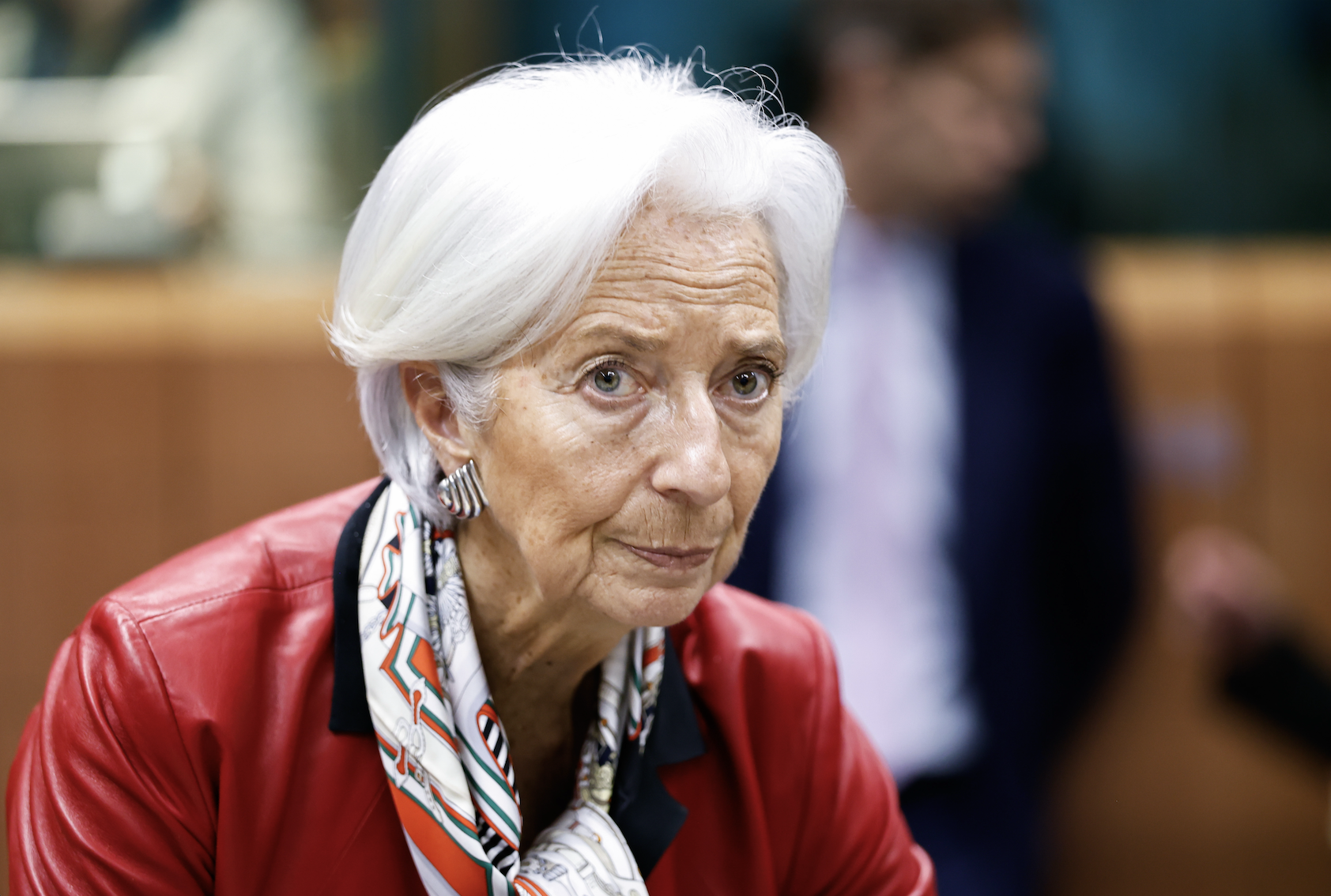
An early departure by Christine Lagarde could narrow the field of candidates vying to succeed her as European Central Bank president.
Artificial intelligence fears have ripped through stock and bond markets, but investors in loans and private credit are still playing catch-up.
If inquisitive investors wanted to measure the demand for AI with some actual numbers, one place they might look on the balance sheet is the line reading “remaining performance obligations,” known more simply as the backlog.