Four months after Donald Trump shocked the world and roiled markets by unveiling a placard full of tariff rates at the White House Rose Garden, his revisions unveiled Thursday generated a more subdued response among investors.
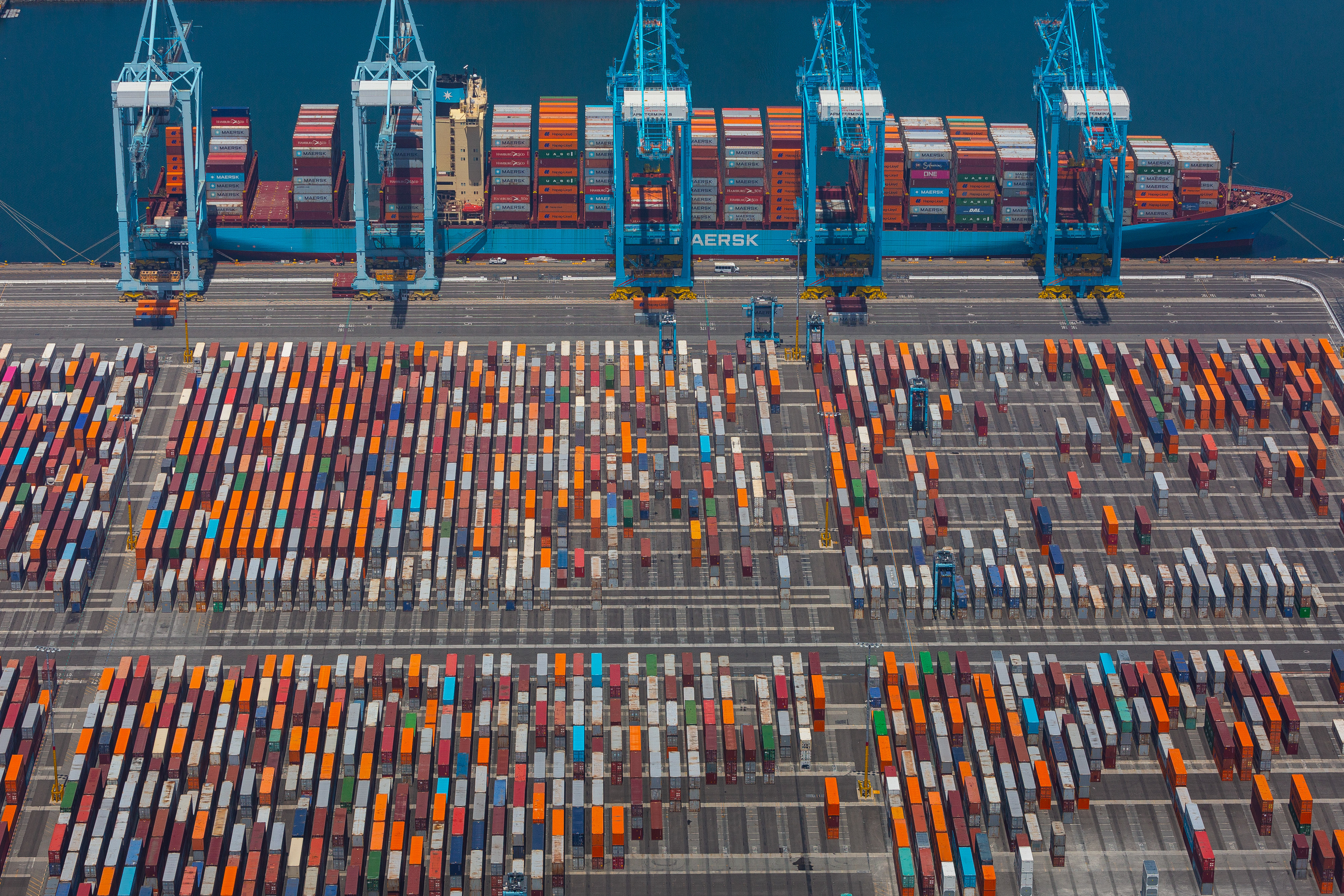
Two of Wall Street’s top investment banks cautioned that the impact of a court ruling striking down many of President Donald Trump’s tariff measures may prove limited, given that the administration has other avenues to impose import duties.
Federal Reserve Bank of New York President John Williams said that while inflation has cooled recently toward the Fed’s 2% target, policymakers are still some distance from their goal.
A small cadre of Wall Street economists who’ve been surprised by the economy’s resilience in 2023 are doubling down on expecting pain for American households and businesses in the new year.
Even before the Federal Reserve has begun cutting interest rates, the mere anticipation of such moves is already thawing the US housing market.
The head of President Joe Biden’s Council of Economic Advisers expressed confidence that high inflation will fade in 2022 as supply bottlenecks ease and more Americans return to work, even as the price spike has proved more persistent than many economists had been expecting.
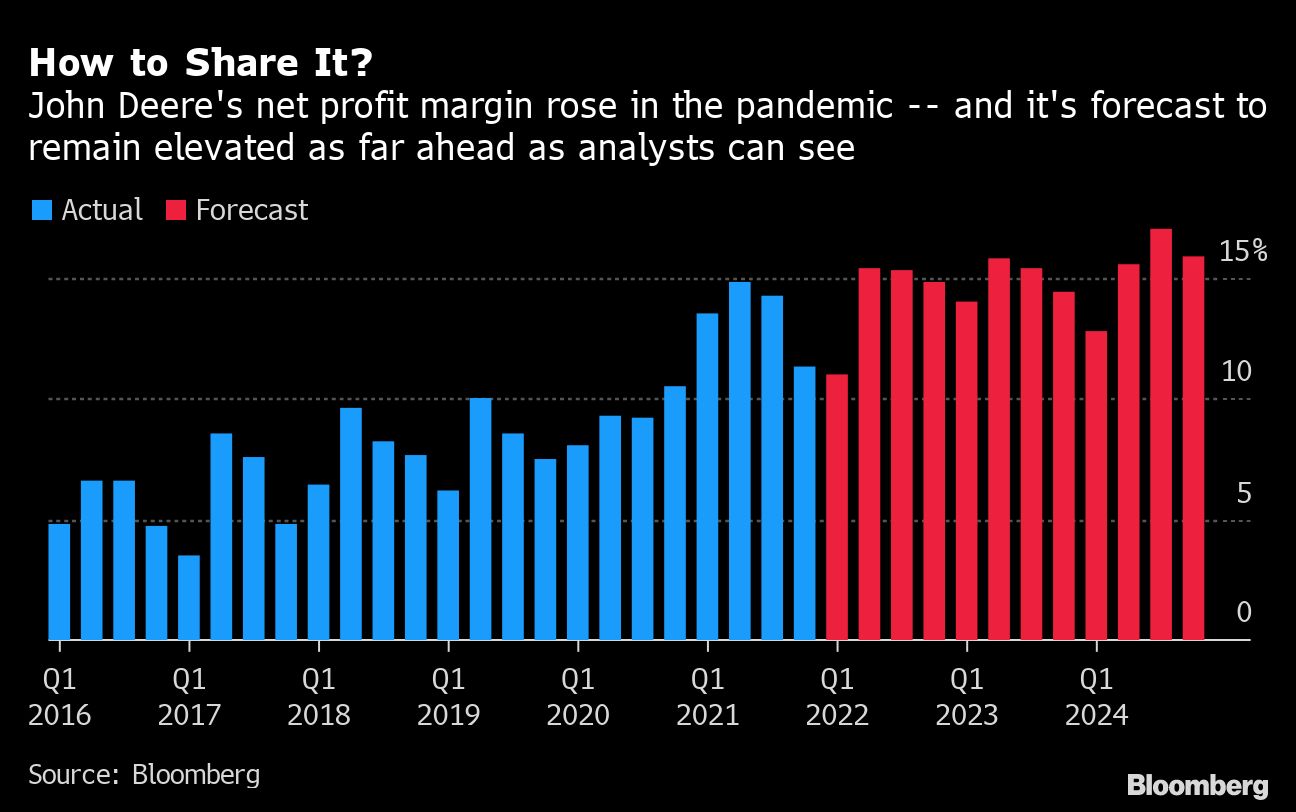
In the second year of a pandemic that began by wiping out 20 million jobs, American workers are doing surprisingly well. It’s just that American business is doing even better.
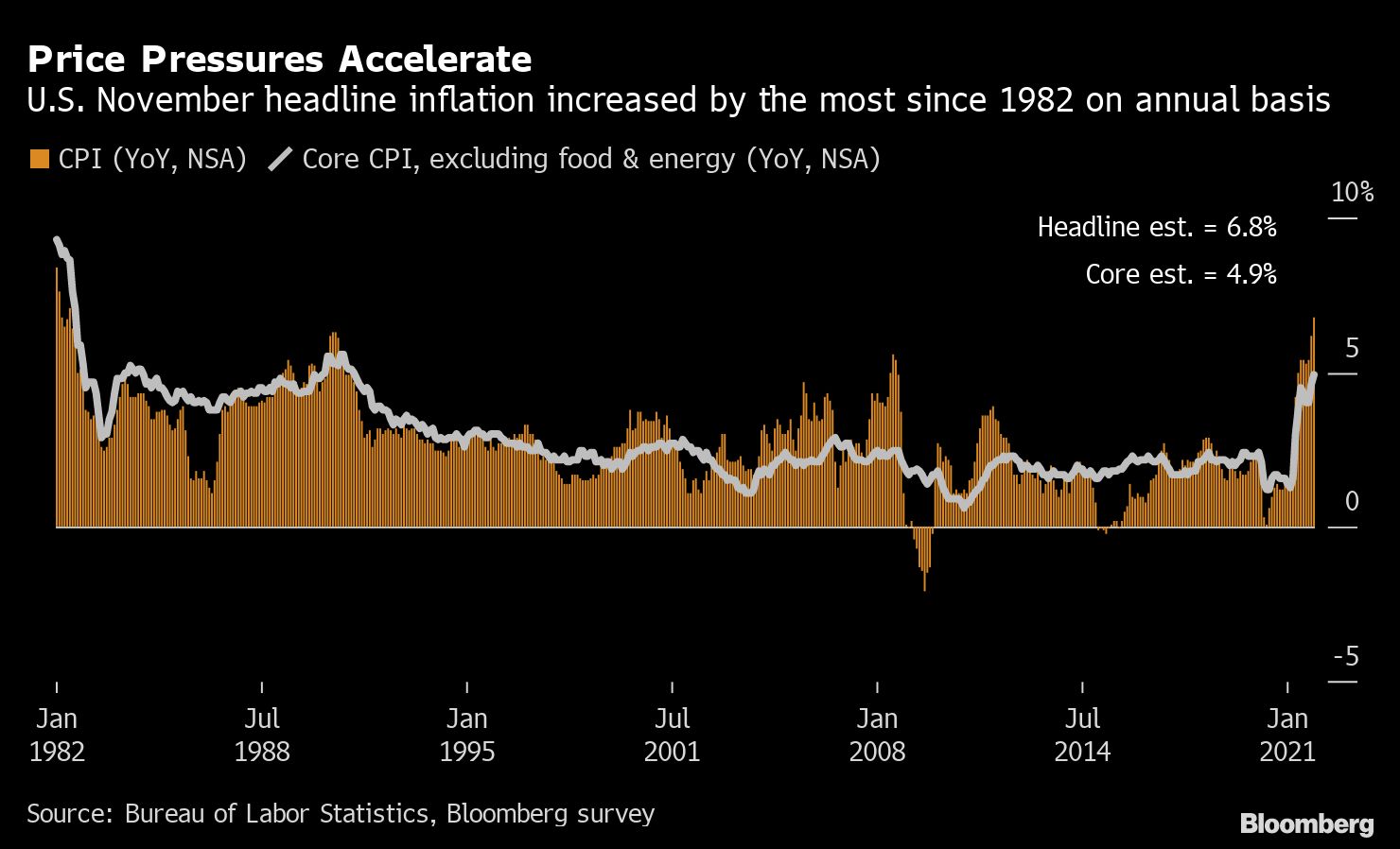
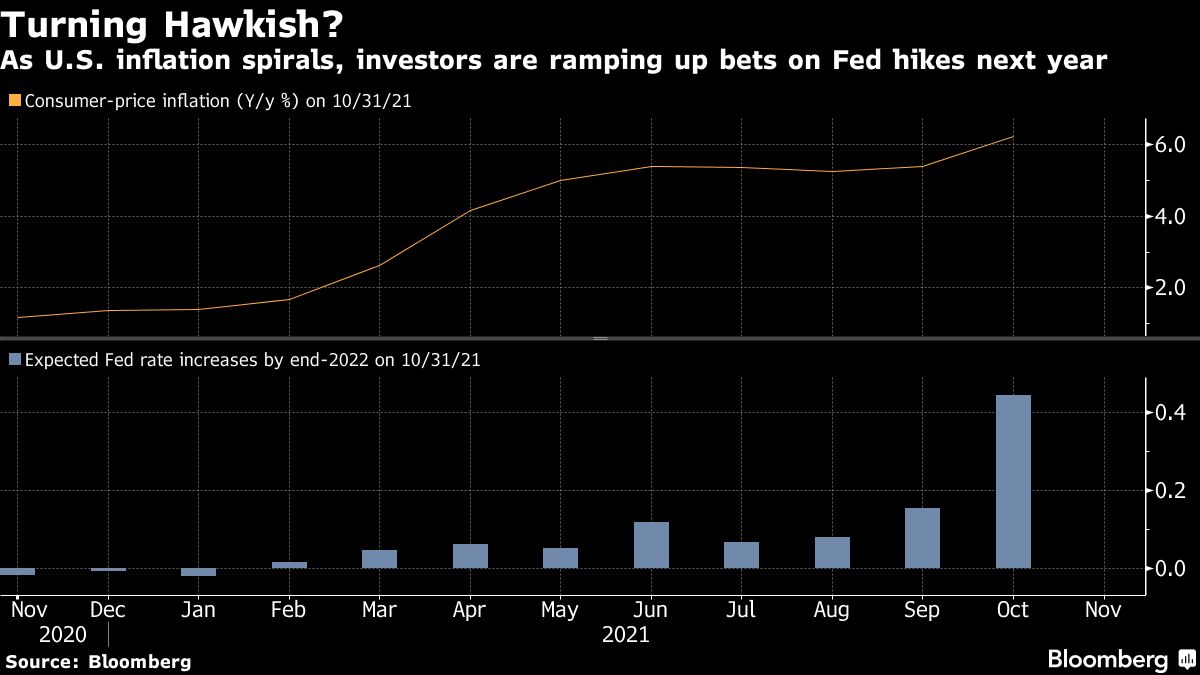
After U.S. prices climbed by the most in three decades, there’s even worse news ahead for households and policy makers: Inflation likely has further to rise before it peaks.
Emergency unemployment benefits in the U.S. expired two weeks ago, but employers who expected an increase in job applications are still largely waiting for them to roll in.
In the U.S., a four-year degree is increasingly a “talisman” against deaths related to suicide and economic hardship, according to a new research paper that offers a stark verdict on the current economy.
U.S. retirees may see bigger-than-usual income bumps next year, maintaining upward pressure on inflation that’s already proving more persistent than economists were expecting.
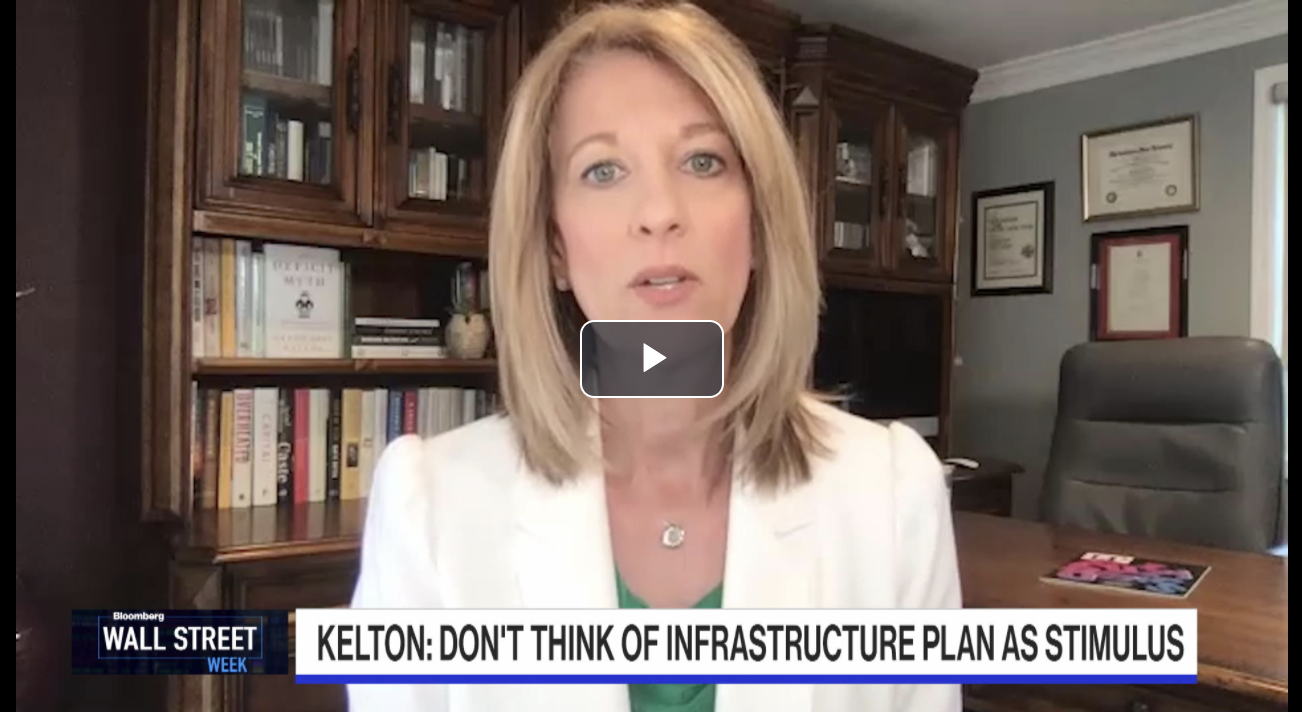
High inflation rates in the U.S. won’t last for long even though the economy is undergoing an unprecedented experiment with fiscal policy, according to a top proponent of Modern Monetary Theory.
The U.S. federal budget deficit widened in January to about five times the year-earlier level, reflecting spending on pandemic relief payments approved by Congress during the prior month.
Joe Biden’s administration has dedicated its first few weeks in office to spending more money on pandemic relief -- and shrugged off warnings that the economy may overheat as a result.
President Joe Biden faces an economic dilemma as his $1.9 trillion stimulus plan runs into congressional opposition: keep his promise to deliver $2,000 payments to help a battered economy, or target funds to jobless and low-income Americans.
They’re still in the minority, but investors and economists who think America is in for a bout of inflation -- perhaps a serious one -- start the year with some fresh ammunition for their arguments.
The industries almost entirely shut down by the virus are disproportionately staffed by women.