Key Takeaways
- At the October Fed meeting, the FOMC held the fed funds target range at 3.75% to 4.00%, as markets widely expected.
- Inflation remains the Fed’s main policy concern, with September CPI and PPI both coming in hotter than expected.
- If growth stays firm and inflation remains sticky, the Fed could reverse one or two more of its rate cuts from fall 2025.
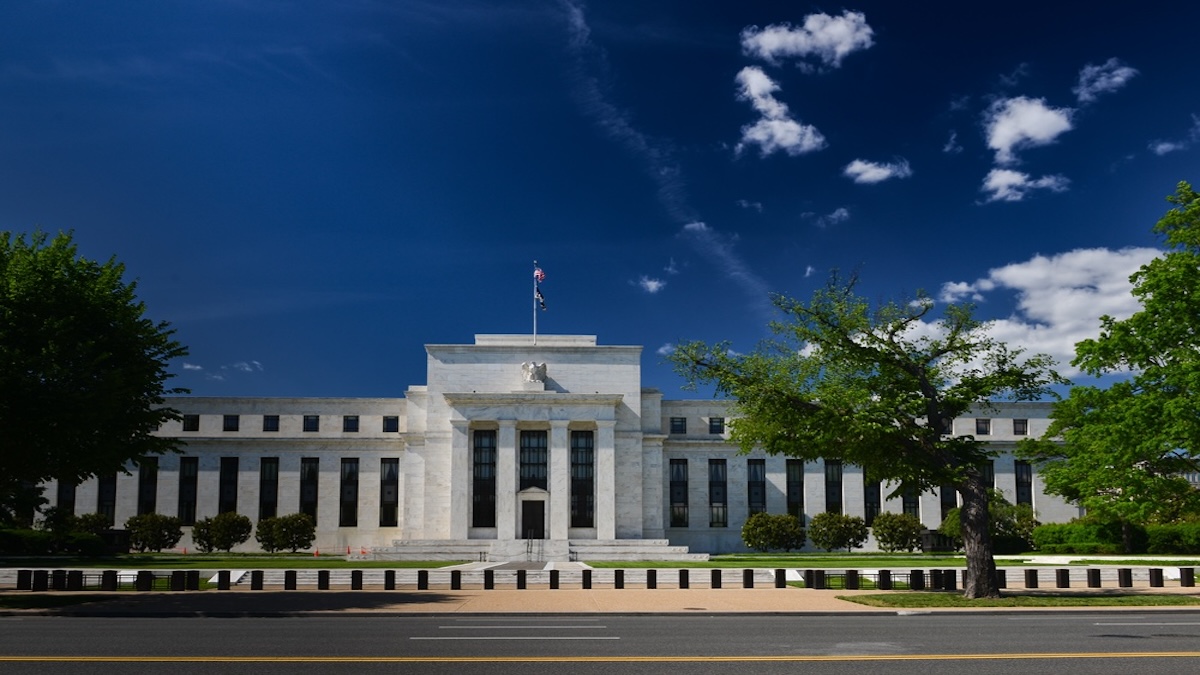
The Federal Open Market Committee (FOMC) decided to keep rates unchanged, maintaining the fed funds trading range at 3.75% to 4.00%. After some early back and forth on the chances for a rate hike at this gathering, this result was largely expected. In fact, fed funds futures were pricing in more than a 90% chance that the fed funds target would remain unchanged. Now the focus has quickly shifted to the December FOMC meeting, where, data permitting, Warsh & Co. could implement another rate increase.
Interestingly, Chairman Warsh is still adhering to his “no forward guidance” mantra. However, that doesn’t mean there is no forward guidance, as Fed governors and regional bank presidents are still expressing their views. A relatively recent development, though, has been the public appearances of Vice Chair Jefferson and New York Fed President Williams. For those not familiar with Fed-speak, the chair, vice chair and New York Fed president have historically made up the Fed’s “Big Three,” the policymakers who typically speak on behalf of the U.S. central bank rather than simply expressing their personal opinions. In recent remarks, one got the sense that there was no urgency to raise rates, with Williams stating that he sees one more rate increase this year and no need for a hike in 2027.
In our opinion, the Fed believes it can afford a more deliberate, wait-and-see approach to monetary policy. In other words, let the data, especially on inflation, come to them. Against this backdrop, both the September Consumer Price Index (CPI) and Producer Price Index (PPI) reports didn’t do the policymakers any favors. To be sure, each of these inflation gauges came in somewhat hotter than expected, but given where the bar was for an October rate hike, the threshold was not met.
See more: Year-End Charitable Giving: Understanding the New Tax Rules
That doesn’t mean the policymakers aren’t focused on inflation. They are. In fact, one can argue that, in terms of the Fed’s dual mandate of employment and inflation, the latter is definitely job No. 1, an emphasis that even Chairman Warsh tends to acknowledge in public appearances with his commitment to “deliver price stability.”
As far as the U.S. Treasury (UST) market is concerned, further rate hikes following this pause are still anticipated. While UST yields fell noticeably over the last week or so, this rally was due to a safe-haven bid from the AI and technology-related equity sell-off, which was exacerbated by short covering. The forces that drove longer-dated Treasury yields higher in the first place have not gone away.
The Bottom Line
Now the question becomes: What next? If upcoming data continues to show solid growth and above-target, sticky inflation, we don’t necessarily see the beginning of a new tightening cycle, but rather just the removal of some of the rate cuts that occurred during the September–December period of last year. For the record, there were three rate cuts in the fall of 2025, and the Fed already reversed one of them. If our assessment comes to fruition, the FOMC could implement one or two more rate hikes in this cycle, with a December increase actively “in play.”
Kevin Flanagan, Head of Investment and Fixed Income Strategy
Investors should carefully consider the investment objectives, risks, charges and expenses of the Funds before investing. U.S. investors only: To obtain a prospectus containing this and other important information, please call 866.909.9473, or click here to view or download a prospectus online. Read the prospectus carefully before you invest. There are risks involved with investing, including the possible loss of principal. Past performance does not guarantee future results.
You cannot invest directly in an index.
Foreign investing involves currency, political and economic risk. Funds focusing on a single country, sector and/or funds that emphasize investments in smaller companies may experience greater price volatility. Investments in emerging markets, real estate, currency, fixed income and alternative investments include additional risks. Due to the investment strategy of certain Funds, they may make higher capital gain distributions than other ETFs. Please see prospectus for discussion of risks.
WisdomTree Funds are distributed by Foreside Fund Services, LLC, in the U.S.
© 2026 WisdomTree, Inc. All Rights Reserved.
A message from Advisor Perspectives and VettaFi: Discover something new! Click here to register for our upcoming webcasts.
© WisdomTree, Inc.
More Artificial Intelligence Topics >