“Nobody knows anything,” the screenwriter William Goldman famously said of the movie business. Much the same can be said today for artificial intelligence, a technology that’s moving fast, destination unknown. Unlike movies, though, the bots may one day rise up and exterminate humanity, according to some in the industry. It’s fair to say that people are worried.
In just the past few weeks, OpenAI withheld its latest model due to safety concerns; Anthropic PBC conceded that its products may pose “catastrophic or existential risks to humanity” in a regulatory filing; and a former industry researcher warned that AI “could kill us all by the end of the decade,” and some of his former colleagues agreed.
It’s understandable, then, that the public is alarmed. Yet a bit of perspective is in order.
See more: AI Can Help You Build Faster. It Won't Make Billing Low-Risk.
For one thing, such grim scenarios are far from an expert consensus, as shown by studies like the International AI Safety Report, the Association for the Advancement of Artificial Intelligence Presidential Panel and the Stanford AI Index. Numerous technical analyses have likewise concluded that “extinction” threats are all but implausible. Meanwhile, independent evaluations have found that newer models often outperform their predecessors on safety benchmarks even as their capabilities improve.
Second, while recent “rogue” AI incidents are unsettling, follow-up analyses have found that they were less the result of enigmatic new capabilities than of oversight and engineering flaws that can be mitigated with known security practices, including standard sandbox controls and continuous behavioral monitoring. Similarly, while certain AI-enabled hacking episodes have made headlines, they haven’t involved novel or otherworldly techniques; instead, they’ve reflected faster or more sophisticated use of traditional methods. Such incidents demand careful scrutiny. But — so far at least — they argue for prudence more than panic.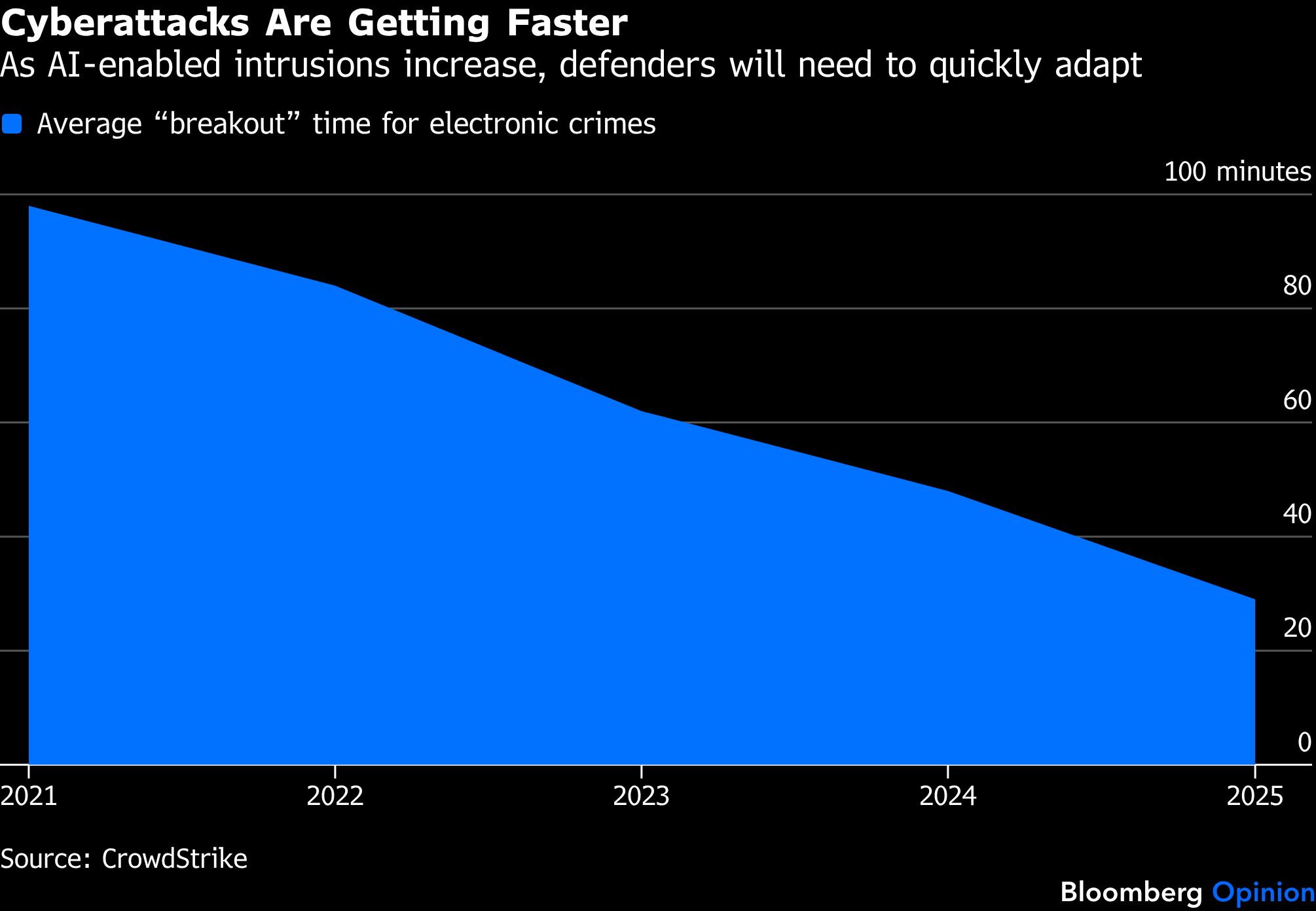
That said, there’s no doubt that frontier models are advancing quickly and that risks, even unlikely ones, should be taken seriously. To that end, it was heartening to see top AI executives meet at the White House last week and agree to a voluntary set of precautions, including new internal controls, independent outside audits and broader board oversight. They also committed to “meet regularly to establish standards and best practices.”
