Kevin Warsh’s inauspicious start as chairman of the Federal Reserve has guaranteed that his speech on Friday at the central bank’s annual Jackson Hole conference will command rapt attention. He might wish it were otherwise: Investors demanding clear answers to their many questions are almost certain to come away disappointed.
Warsh can and should try to dispel some of the doubts that have arisen since his appointment began in May. But it’ll be a while before he can provide a definitive account of his preferred approach to monetary policy. Having commissioned five task forces of eminent experts to offer advice, he has little choice but to wait until they’ve reported back and he and his colleagues have discussed the findings.
The best he can do this week is tell investors he understands the concerns his reluctance to explain the Fed’s reasoning has aroused and will strive to address them. Together with affirming his commitment to low inflation and underlining the importance of central-bank independence, this should ease their anxieties even if it doesn’t eliminate them.
From the outset, Warsh’s job has been harder than necessary because of the circumstances surrounding his appointment. The White House had been pushing to cut interest rates even though inflation continued, year after year, to outrun the central bank’s 2% target. It tried to intimidate Warsh’s predecessor, Jerome Powell, over his management of a construction project and accused another governor, Lisa Cook, of fraud. Investors could surely be forgiven for wondering how Warsh might handle similar pressure.
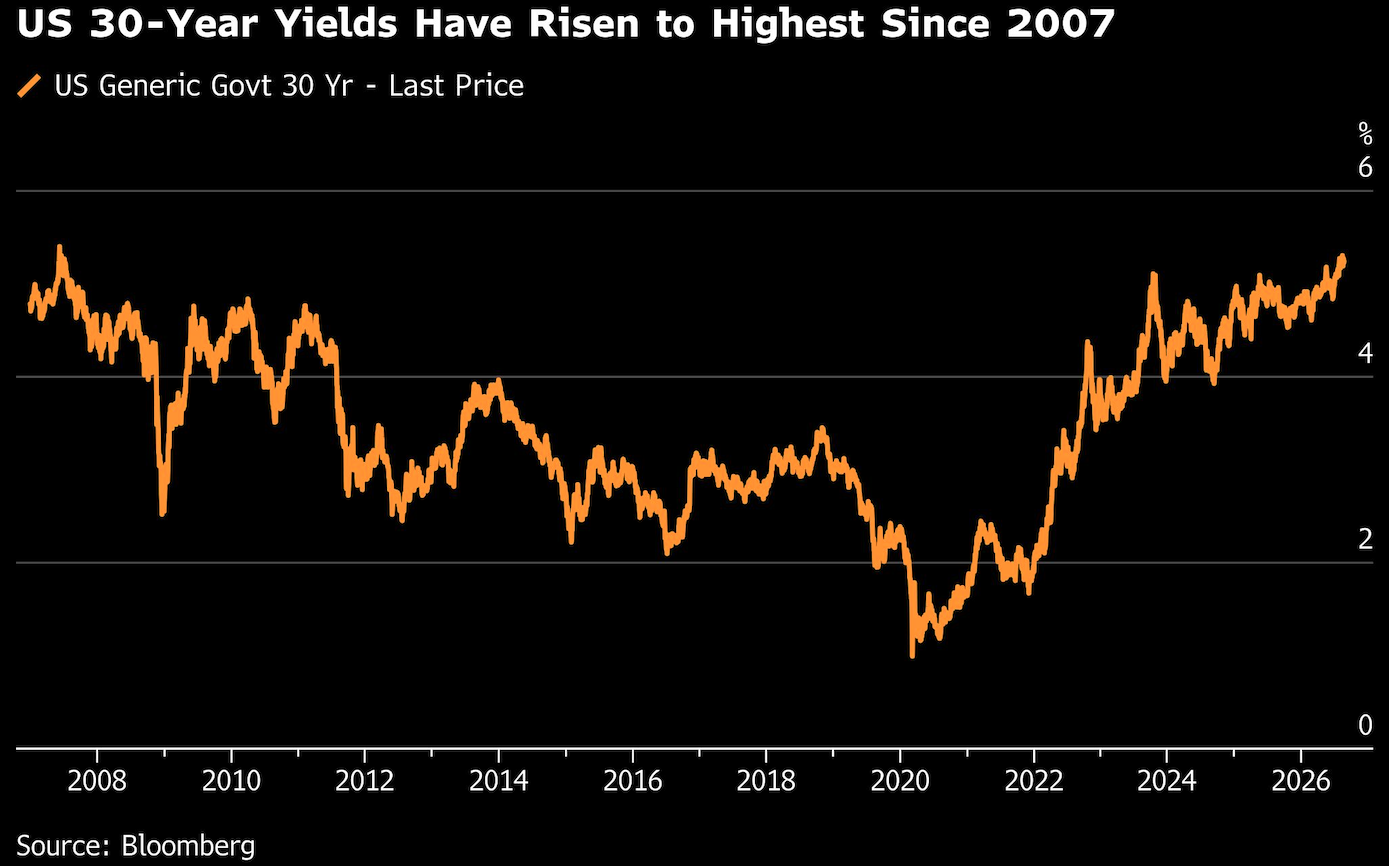
Meantime, fiscal excess has continued to spur demand. The administration’s dedication to tariffs, followed by its reckless war against Iran, put further upward pressure on prices. And most recently, Treasury Secretary Scott Bessent’s efforts to restrain rising long-term yields by buying long-dated government bonds are blurring the line between monetary and fiscal policy.
Given all this, it’s little short of remarkable that Warsh’s history as a committed hawk has been enough to keep investors’ inflation expectations anchored. The new chairman would be foolish to take this for granted. He needs to make clear this week that, much as the White House will object, the Fed won’t cut its policy rate until the economy allows.
The credibility of that promise depends, in turn, on a clear understanding of the factors guiding the Fed’s decisions. This is where Warsh’s July press conference went so wrong. Again and again he refused to say why the Fed had chosen to leave its policy rate unchanged. Crucially, this has nothing to do with the “forward guidance” that Warsh plausibly says has outlived its usefulness. What the Fed will choose to do in the future should depend on the data then available; explaining why it just acted as it did depends on information available here and now. Declining to discuss what the Fed already knows leaves investors confused and in due course could call the central bank’s commitment to low inflation into question.
The rest, not least the delicate question of Treasury-Fed relations, must await the task forces. As well as addressing the central bank’s holdings of government debt, these inquiries have been told to look at communications, data, jobs and productivity, and (most broadly) the Fed’s chosen “inflation frameworks.” It’s a demanding agenda, to put it mildly, and potentially very valuable. There’s no need to rush it.
What can’t wait, though, is a commitment to investors that the Fed will freely explain the rationale for its actions going forward. To put it more bluntly, Warsh needs to say: “Message received.”