Industrials are supported by increased capital spending in electricity capacity, construction around the artificial intelligence-related (AI) infrastructure buildout, defense, and energy, although higher costs and possible delays in data center construction could temper growth.
Markets await a possible Fed rate hike as Congress weighs Trump's dividend proposal, a limited fall session, and a Senate vote on crypto regulation.
Globalization is being reorganized around security and resilience, creating uneven risks and opportunities across markets.
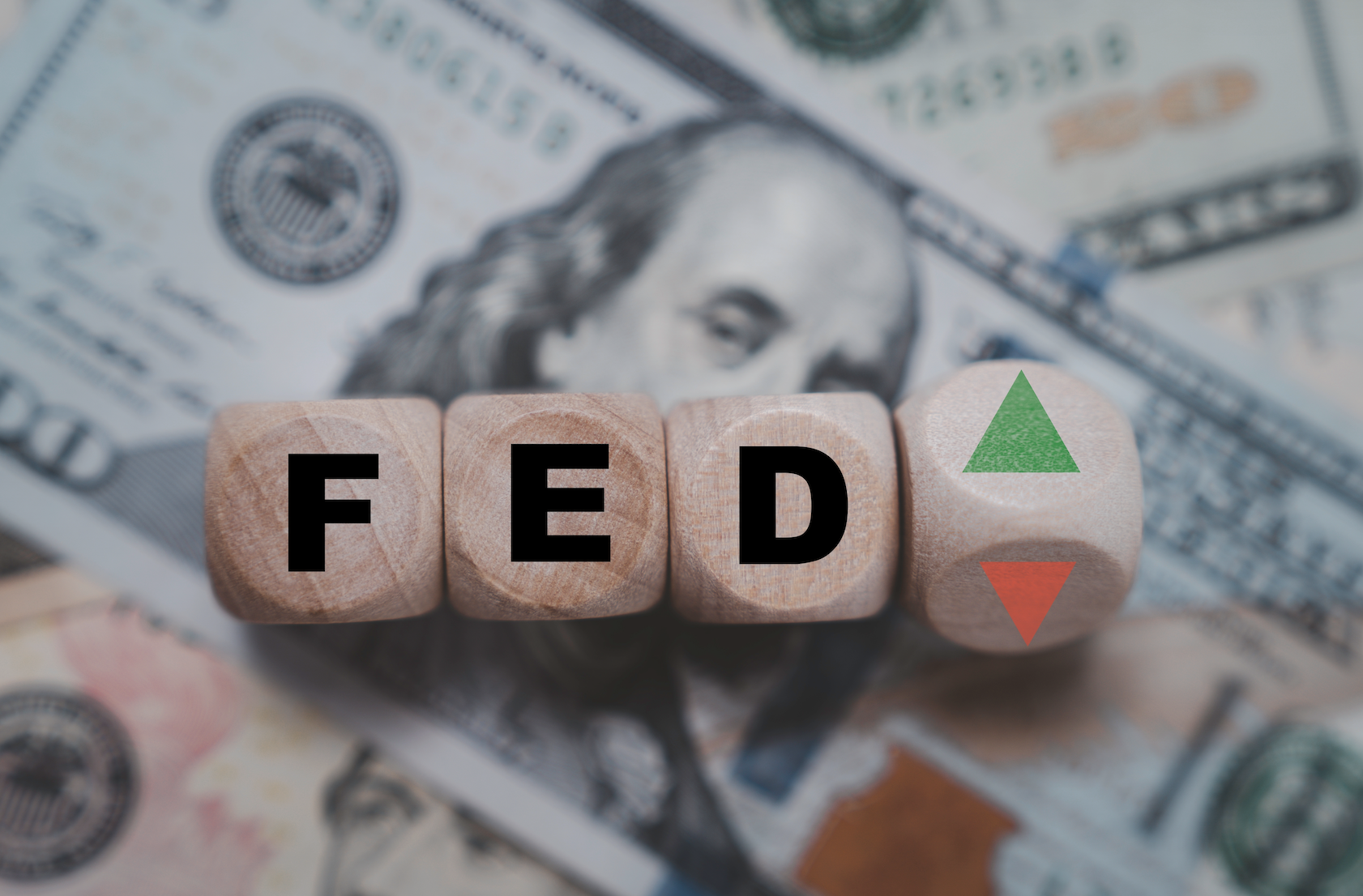
The Federal Reserve hiked rates, and we expect there are more to come. With a hawkish Fed and a resilient economy, long-term yields may stay elevated.
This month, our experts discuss how Federal Reserve tightening has historically affected the markets; whether European stocks might be worth a second look; and the news from the most recent Federal Open Market Committee (FOMC) meeting. We provide the supporting documentation for all claims summarized below in the linked articles.
Municipal bonds might still offer attractive tax-advantaged income and relatively stable credit quality for investors who understand the risks.
Fed policymakers unanimously voted to raise rates 25 basis points, the first hike since 2023, and vowed to fight inflation. Another hike is seen this year, but 2027 is in question.
History suggests slower Fed tightening tends to support stronger market returns and firmer economic growth, while faster hikes typically deepen drawdowns.
It's been 40 years since I began my career on Wall Street and the lessons I learned along the way from some all-time investment greats always hold true.
Famous market bubbles share some characteristics, but it's nearly impossible to predict how big a bubble might get and when one is about to burst.
House poised to pass bill to avoid government shutdown, two new members set to join the House, Fed chair speech boosts rate hike possibility, and national debt hits $40 trillion.
U.S. labor force participation is declining due to an aging population, slowing immigration, and other factors. This could impact economic growth and earnings moving forward.
U.S. debt may not be at an immediate breaking point, but persistent deficits, higher rates, and rising interest costs are narrowing fiscal space and market tolerance.
High-yield municipal bonds are one of the best performing asset classes this year but that doesn't mean we think all investors should consider adding them to their portfolio.
The 2026 midterms could reshape control of Congress, raising the odds of divided government and near-term market volatility, but investors should stay focused on long-term goals.
Discounted municipal bonds could expose you to unexpected taxes. Here's what to know before you buy.
There is no one-size-fits-all approach to choosing between individual bonds and bond funds. The choice depends on an investor’s goals, time horizon, risk tolerance, need for predictable income, and available assets.
Investors are remaining cautious about the markets, according to our U.S. stocks and economy report this month. Our report notes that while investors have continued to pile into the market via strong ETF flows and high margin debt balances, they've done so reluctantly with more subdued attitudes.
For most high-net-worth investors, the bond sleeve of a portfolio isn't there to generate eye-popping returns or provide cocktail party fodder. Its job is much more mainstream: support a targeted lifestyle, cover tax bills, dampen equity market volatility, and provide "dry powder" when the world turns sideways.
The risks of a rate hike have increased lately, but we don't believe we're there just yet. If the data changes—specifically if inflation comes in hotter-than-expected over the next few months—we'll likely change our view.
Tech and AI are driving a greater share of global equity market returns and earnings growth, raising concentration risks and the need for broader diversification.
Investors remain cautious despite bullish positioning, as rotations curb speculation while record margin debt and high equity allocations raise longer-term risks.
Kevin Warsh considers fewer Fed meetings, the Fed holds rates steady, the Senate moves to avert a shutdown, a new BLS chief is confirmed, and midterms near.
Schwab Sector Views is our six- to 12-month outlook for stock sectors, which represent broad sectors of the economy. The Schwab Center for Financial Research (SCFR) combines a factor-based approach with a market and economic assessment to determine the ratings.
Health care stocks came alive in the second quarter, benefiting from relatively low valuations and a late rotation away from some high-flying tech names. The sector returned 9.5% for the period, good enough to tie for fourth among the S&P 500® Index's 11 sectors.
Making his first appearance on Capitol Hill since becoming Fed Chair in May, Kevin Warsh delivered the chair's semi-annual testimony on monetary policy and the state of the economy to the U.S. House Committee on Financial Services on July 14 and the Senate Banking Committee on July 15.
It seems to be the end of the Great Moderation Era for the U.S. economy. The Great Moderation Era—which marked most of the two decades leading up to the COVID-19 pandemic—is drifting away into what we call the new Temperamental Era.
A hawkish pivot by the Federal Reserve and resilient U.S. growth could keep the dollar strong, but its gains could be limited by any narrowing of the U.S. interest rate advantage.
The Fed's recent shift into a more hawkish mode creates concern about banking profits later this year, but second-quarter results are seen strong thanks to IPOs, mergers.
The Great Moderation has given way to a more volatile era, where inflation shocks and market dispersion favor flexibility and diversification.
Congress is in recess from June 30 through July 13 for the annual July 4 break, so it's relatively quiet in the nation's capital. But there is still plenty worth paying attention to.
During this time of year, we like to take stock of what happened in the first half of the year and compare it with the expectations we had at the beginning of the year when we published our full-year outlooks.
The Senate passed $70 billion immigration enforcement funding bill, Capitol Hill struggles to find consensus on how to regulate AI, and the Trump Accounts app is live.
Equity markets should remain supported by strong earnings and capital investment trends through 2026, but market concentration and macro risks leave less room for error.
Our broad message for the second half of 2026 is this: Income still matters, but investors should be selective. Despite the recent rise in Treasury yields, we suggest investors favor a below-benchmark average duration with their bond holdings, favoring short- and intermediate-term maturities.
Learn what's in store for the remainder of 2026 and the challenges that lie ahead in our mid-year outlook for U.S. stocks and the economy.
Kevin Warsh was officially sworn in as 17th Federal Reserve chair on May 22. Warsh is likely to build consensus at the Fed rather than push for aggressive action to cut rates.
The "four horsemen" of the labor market are the unemployment rate, hiring rate, layoff rate, and vacancy rate. Analyzing them together may sharpen investors' read on the economy.
As Kevin Warsh takes over as Federal Reserve chair with his own goals, he may face challenges even beyond rate policy, from inflation to independence to a bulbous balance sheet.
First quarter 2026 earnings were stronger than expected and we think that there might be continued strength in the second quarter, unless there is a major macro shift.
Yields for preferred securities have generally risen more than corporate bond and long-term Treasury yields over the past few months, making them more attractive to investors.
Kevin Warsh set to be confirmed as the next Fed chair, Senate committee meets to consider the CLARITY Act, President Trump heads to China, and the gerrymandering wars heat up.
Emerging market stocks have rebounded to new highs following their correction at the onset of the Iran war. The recent rally has been concentrated around AI. Can this continue?
Though the U.S. drills far more oil than in the past and relies less on supplies from the war-torn Persian Gulf, U.S. consumers see there's no escaping global price realities.
S&P 500 first quarter 2026 earnings are tracking at nearly 28% year-over-year, with rising profit margins suggesting the strong run could persist.
As widely expected amid rising oil, rates will remain 3.5% to 3.75%. However, four policymakers dissented. And Fed Chair Powell will stay as governor after his chairmanship ends.
Treasury Inflation-Protected Securities, or TIPS, can help buffer a portfolio against inflation. However, it's important to understand their unique characteristics and complex nature.
The Department of Justice drops probe into Fed Chair Jerome Powell, Kevin Warsh's confirmation moves forward, and Department of Homeland Security funding is back in the spotlight.
Higher oil prices have both positive and negative effects on the municipal bond market. Investors may want to evaluate their concentration risk.
Iran war-related headlines continue to cause volatility in the markets and oil prices to rise, but our experts remind readers that uncertain times might also present opportunities.