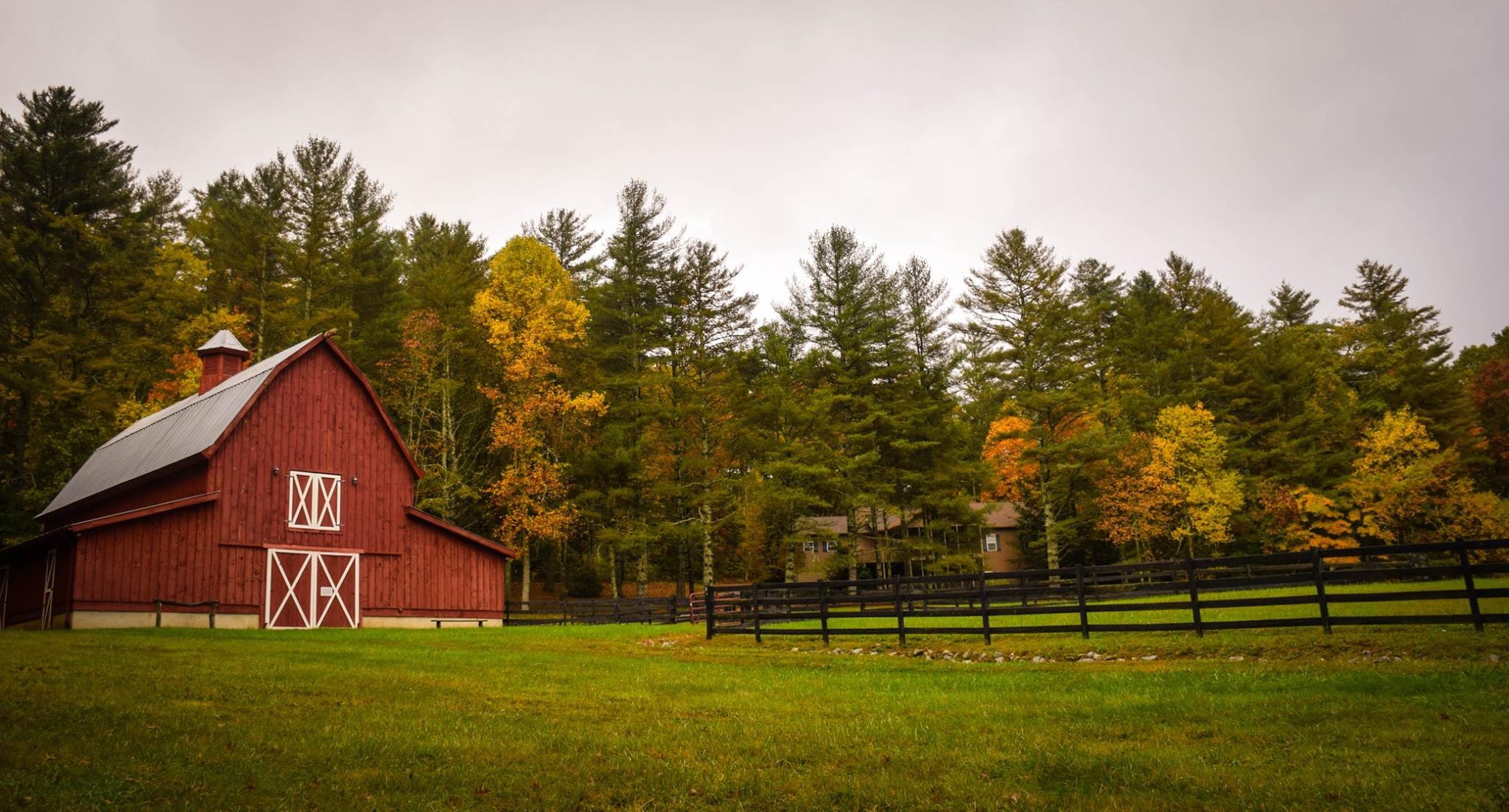
Buying a plot of land in rural America has never been so expensive. And that’s even with soaring interest rates.
Economists like to strip food and energy out of their inflation calculations. They’re too volatile to be meaningful, they say. But for everyday Americans coping with exploding prices, those items are pretty much all they care about right now.
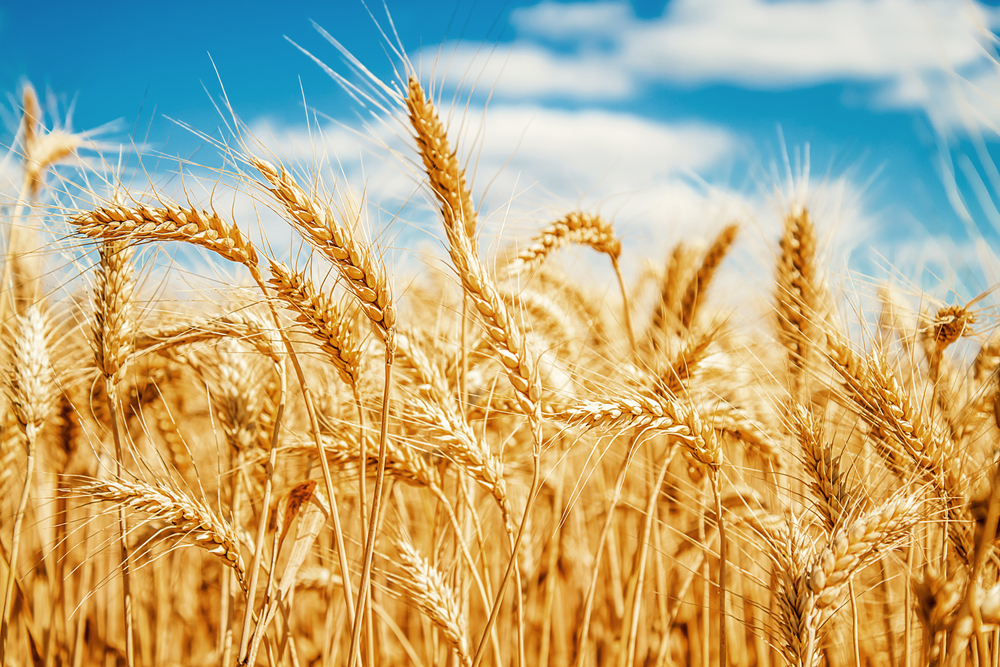
Lunar New Year treats like sponge cakes and pineapple tarts are more costly to make than ever after drought in the U.S. slashed harvests of a specialty wheat that’s a key ingredient.
With the pandemic igniting a collective reassessment of work, imagine posting openings for low-wage jobs that could require standing for 12-hour shifts, working six-day weeks and repeatedly lifting 70-pound objects in conditions that range from steaming hot to bloody and ice cold. And on top of all that, your industry recently made headlines for Covid-19 outbreaks that killed workers.
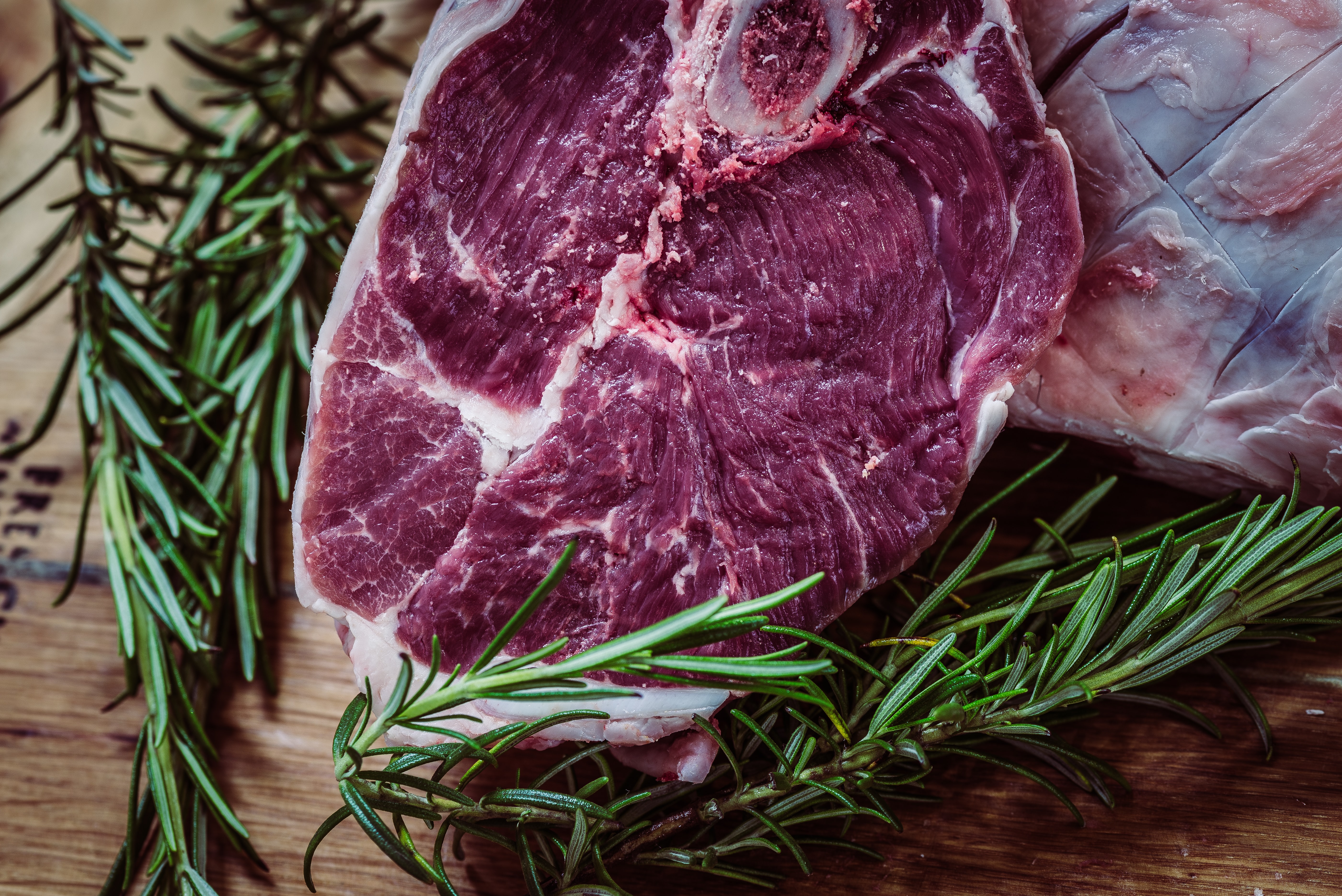
Meatpackers are in the crosshairs of U.S. lawmakers including traditional allies as ranchers complain that beef processors are abusing market power to gain out-sized margins at their expense.
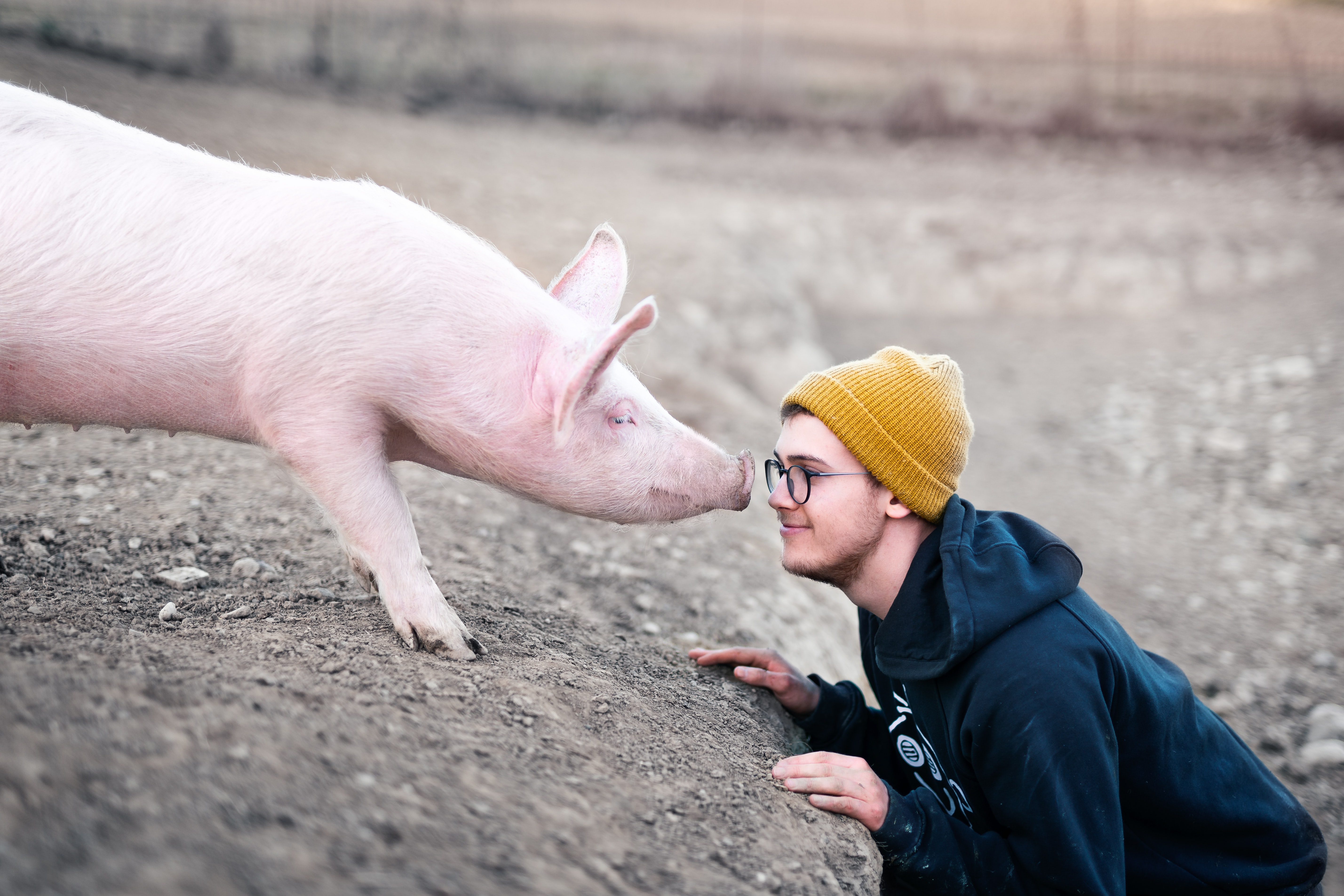
U.S. pork plants are slowing down, threatening to derail the biggest rally pig farmers have seen in years and potentially raising costs for meat giants such as JBS SA.
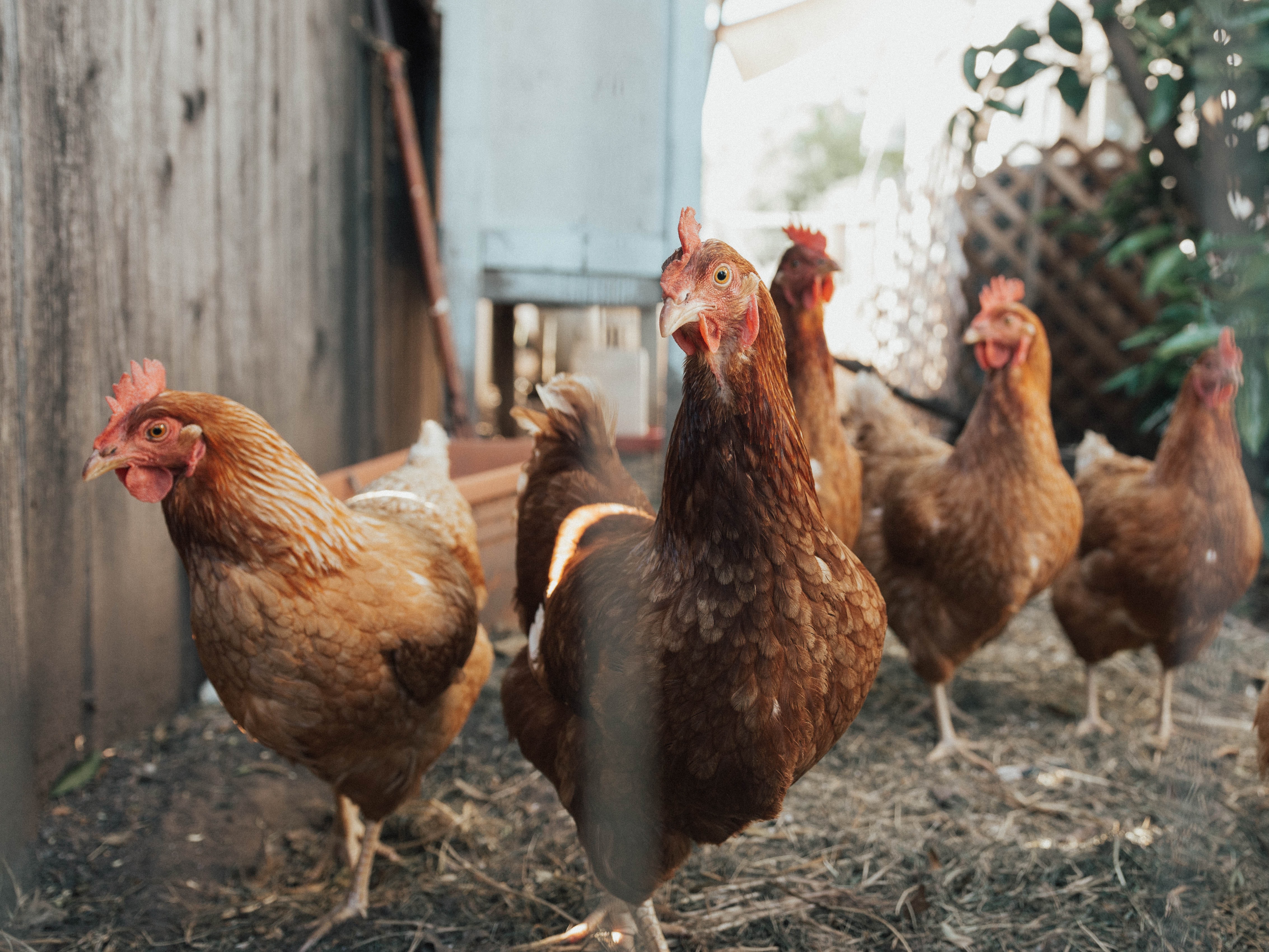
Chicken-sandwich fever means poultry is pacing U.S. food inflation in the meat case.
A cyberattack on JBS SA, the largest meat producer globally, forced the shutdown of all its U.S. beef plants, wiping out output from facilities that supply almost a quarter of American supplies.
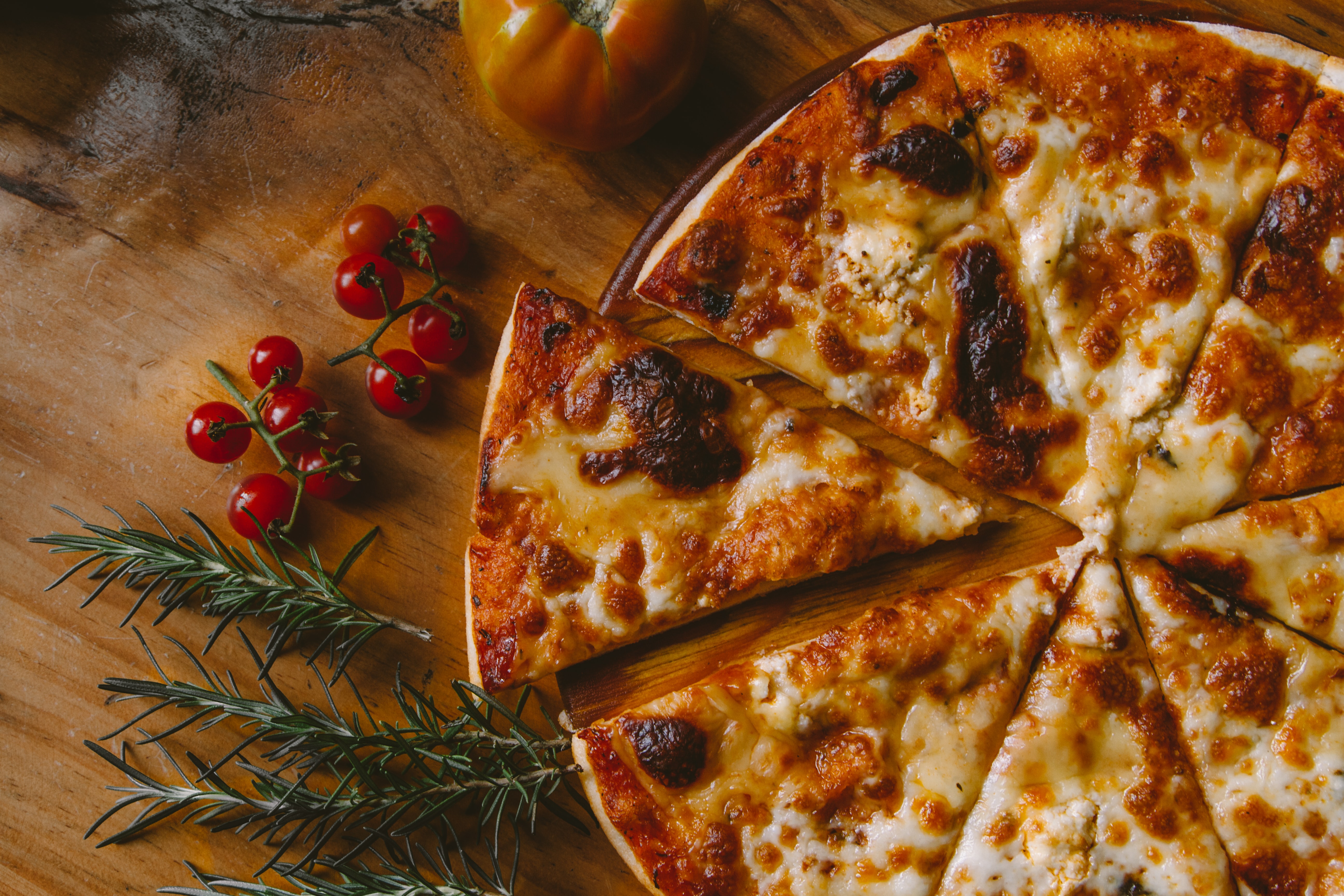
A boost in pizza prices in the U.S. may be on the horizon, if weather and planting estimates are any indication.
There are signs that the food inflation that’s gripped the world over the past year, raising prices of everything from shredded cheese to peanut butter, is about to get worse.
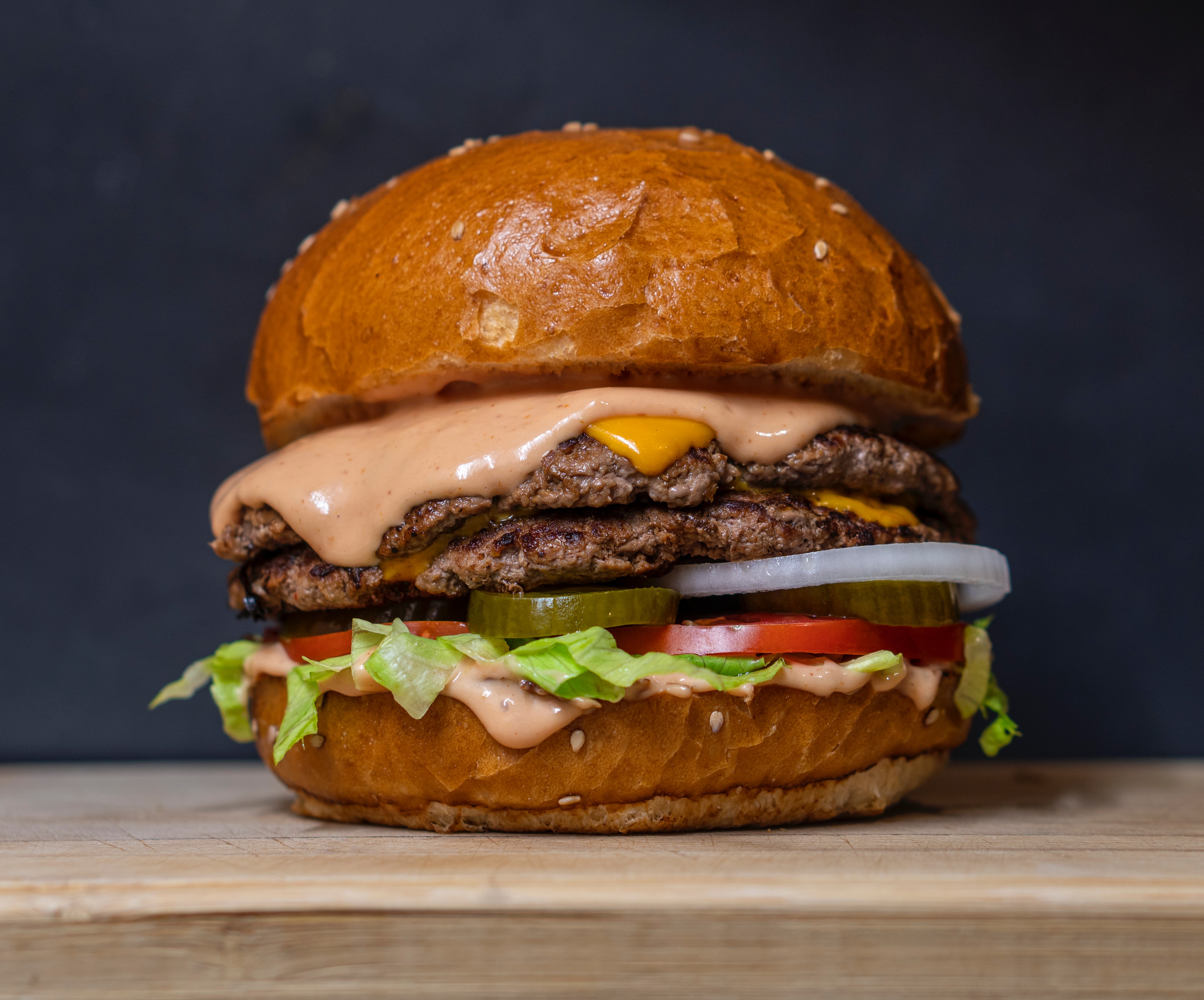
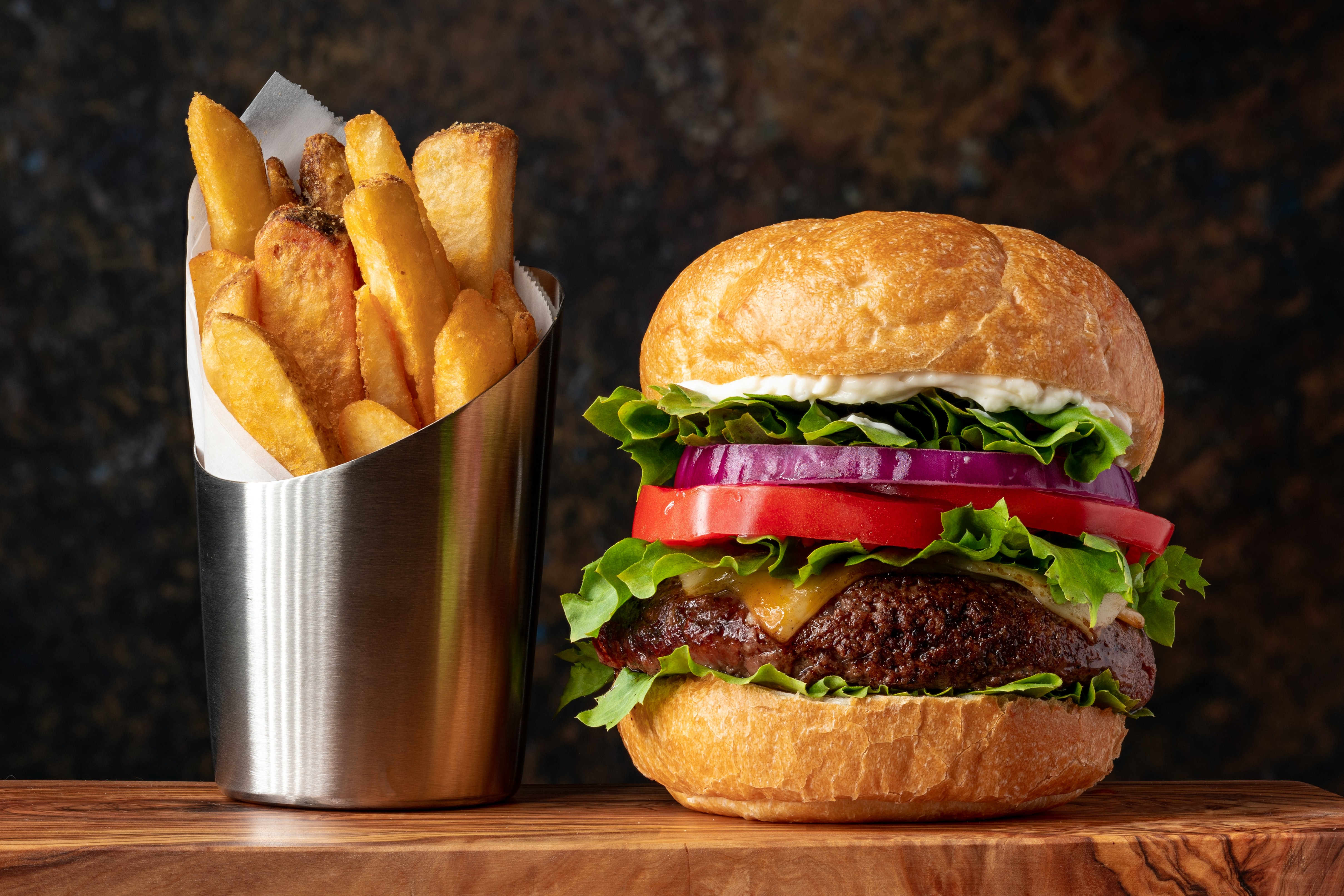
Pricey burgers are coming to a store near you.
The meat industry is starting to get squeezed from both sides.
Covid-19 outbreaks at slaughterhouses have led to the largest pig culling effort the U.S. has ever seen.
Shortages may come to grocery stores while farmers may likely have to cull millions of animals and bury them in mass graves.