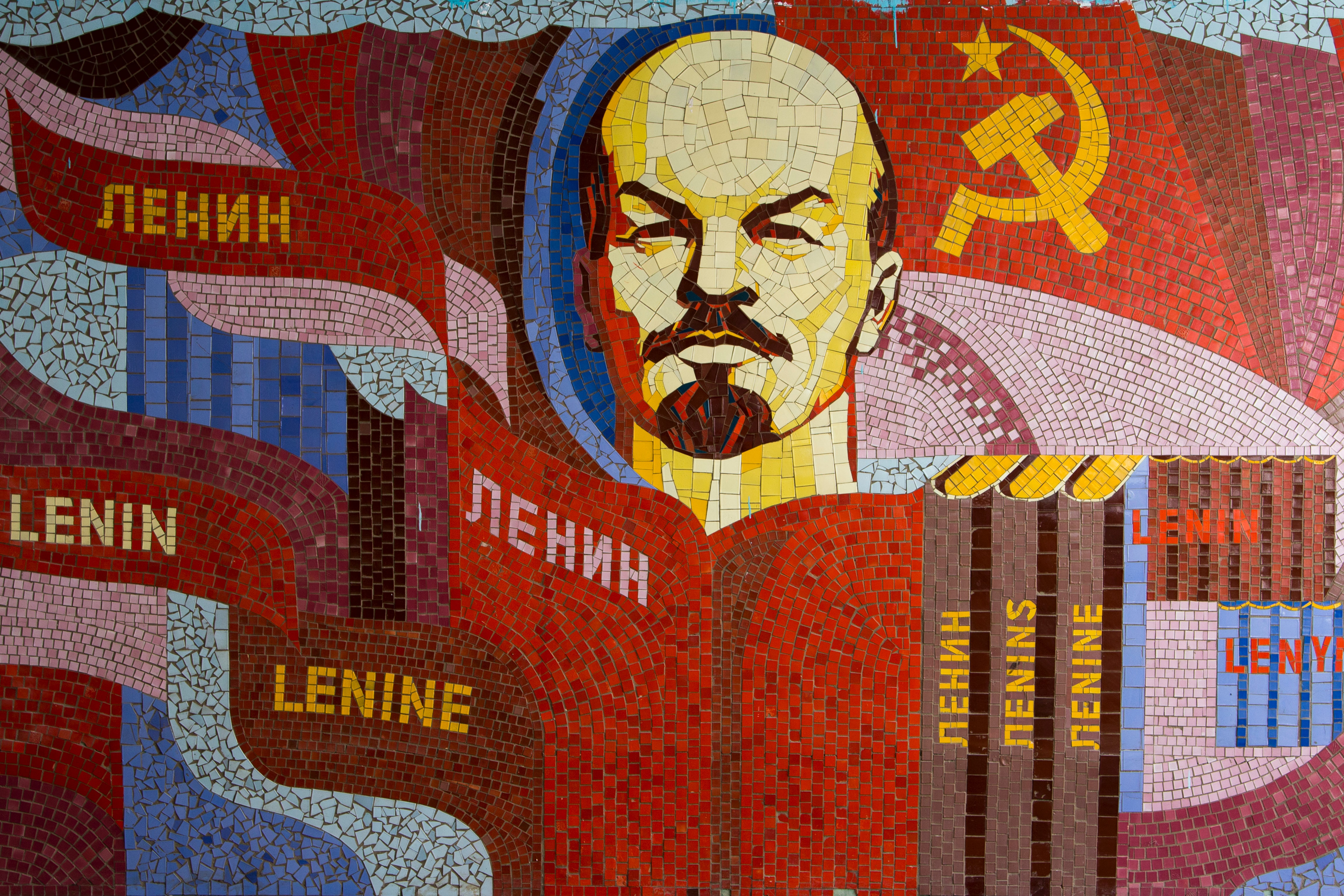
The reason that few predicted Soviet collapse was that the Soviet Union outwardly appeared to be a mighty military power with an extensive security apparatus. Few observers understood just how little legitimacy the system possessed; that it was eaten away on the inside by the rot of corruption, by the loss of faith in ideology, by the dismal standards of living, and, lastly, by elite in-fighting.
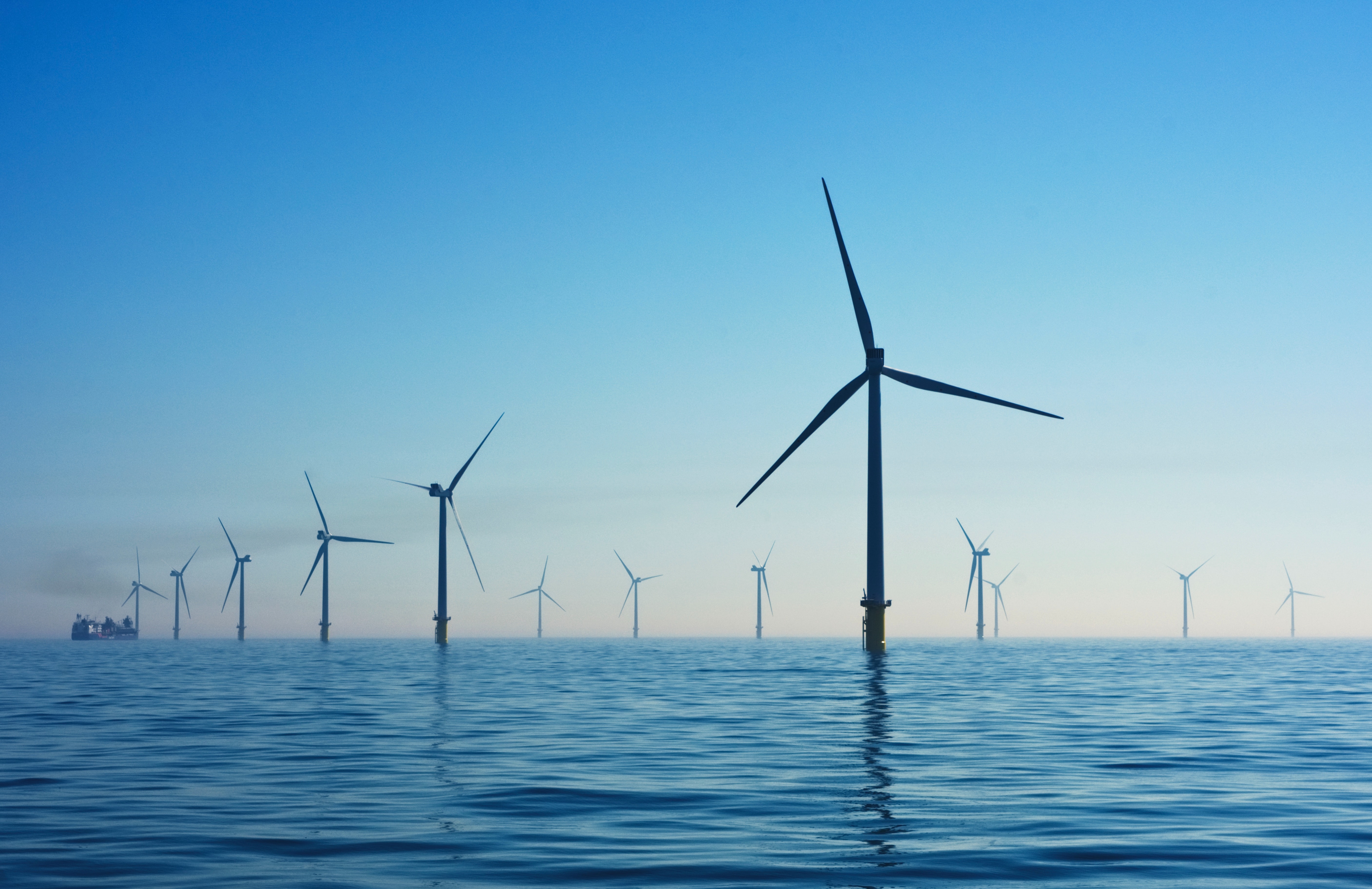
Vast sums are now pointed in the direction of reaching net-zero emissions by 2050. That’s good news: We require somewhere between $100 to $150 trillion in climate investment over the next three decades, and ignoring global warming would prove a costly and potentially irreversible cataclysm.
What happens to environmental, social and governance-oriented investment in a market shock? We’re about to find out.