The United States government rests on the principle of checks and balances. But some laws can still allow for unchecked executive actions.
Section 301 of the Trade Act of 1974 grants the Office of the United States Trade Representative (USTR) authority to impose measures like tariffs to respond to foreign trade practices. USTR must investigate and determine whether a trade practice “burdens or restricts U.S. commerce.” To date, this law's use was well-targeted, such as for tariffs in response to China's protective policies.
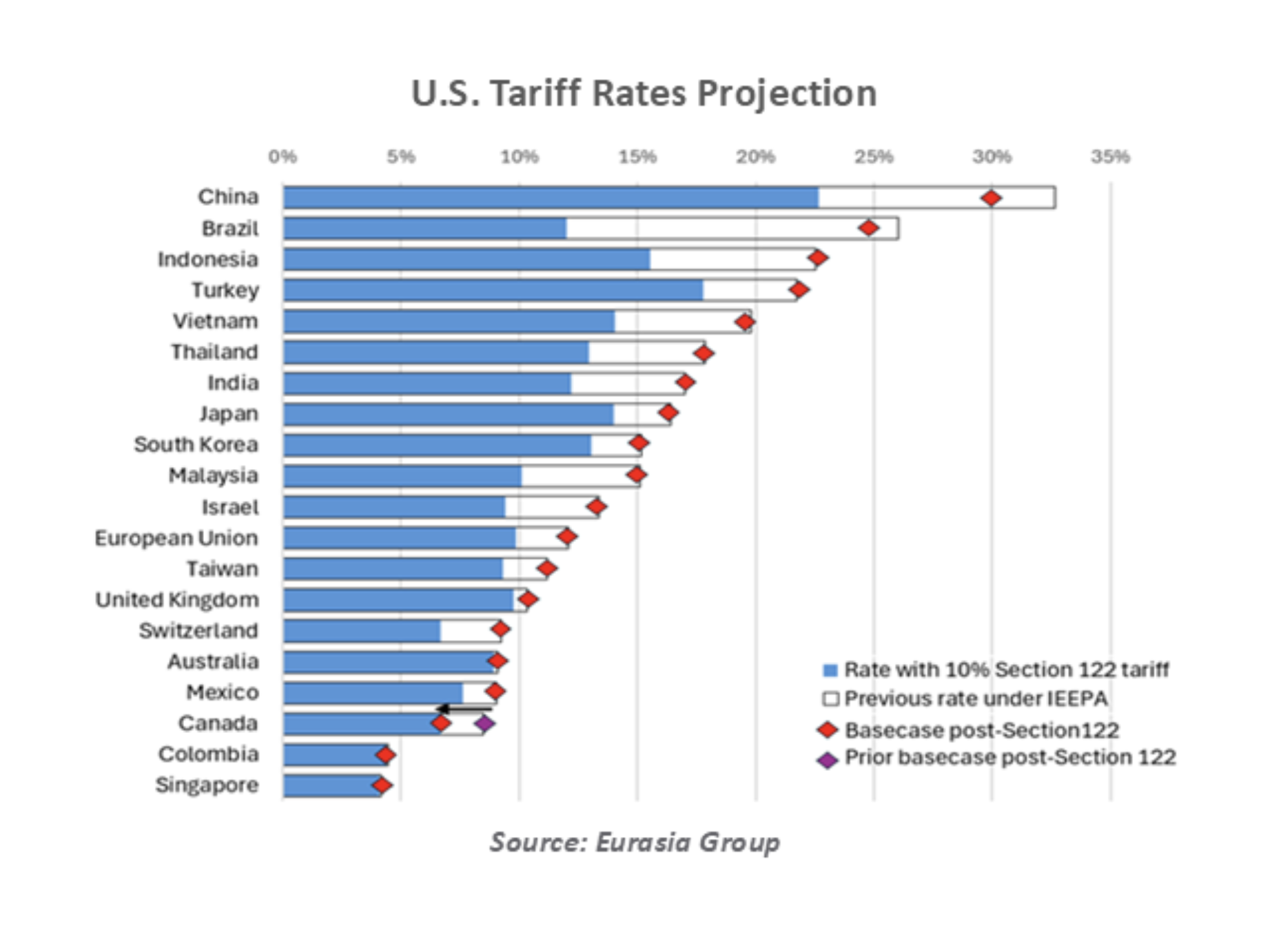
Now, Section 301 is being applied in a much broader manner to bring about a new set of tariffs. USTR has announced new levies of up to 12.5% against 60 nations alleged to have failed to control the importation of goods produced with forced labor.
A challenge to the new tariffs will be easy to argue, but difficult to find a fair hearing. The timing of the investigation, following the dismissal of emergency tariffs, suggests a pretext. The scope of the tariffs is similar to the set that was overturned. While a worthy cause, reducing forced labor has not been a foreign policy priority of the U.S. until now.
However, the USTR’s investigation complied with the law, which does not specify an appeal process. A challenge to the new tariffs will forge new legal ground, never a quick undertaking.

Read more: Fertilizer and Food
Further tariffs are in sight from a section 301 investigation into industrial overcapacity. Sixteen nations, all major exporters, may be found to impair trade by producing more goods than global demand can absorb. This will create a rationale to apply targeted tariffs and effectively rebuild the tariff structure that was in place under emergency measures. China, the U.S.’ largest trading partner, is in scope for additional levies from both of these investigations, on top of its existing tariffs; too many tariffs could invite retaliation.
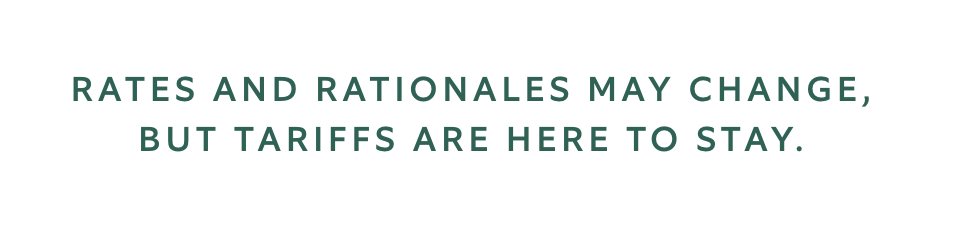
A future act of Congress could nullify these tariffs, but much like a legal case, that will be no small undertaking. For the foreseeable future, tariffs will be a cost of doing business with the United States. We will monitor other checks and balances: Tariff checks will be paid, and time will tell if they alter the trade balance.
Ryan James Boyle is the Chief U.S. Economist within the Global Risk Management division of Northern Trust.
Information is not intended to be and should not be construed as an offer, solicitation or recommendation with respect to any transaction and should not be treated as legal advice, investment advice or tax advice. Under no circumstances should you rely upon this information as a substitute for obtaining specific legal or tax advice from your own professional legal or tax advisors. Information is subject to change based on market or other conditions and is not intended to influence your investment decisions.
© 2026 Northern Trust Corporation. Head Office: 50 South La Salle Street, Chicago, Illinois 60603 U.S.A. Incorporated with limited liability in the U.S. Products and services provided by subsidiaries of Northern Trust Corporation may vary in different markets and are offered in accordance with local regulation. For legal and regulatory information about individual market offices, visit northerntrust.com/terms-and-conditions.
A message from Advisor Perspectives and VettaFi: Discover something new! Click here to register for our upcoming webcasts.
© Northern Trust
More Asian/European Markets Topics >