 Advisor Perspectives welcomes guest contributions. The views presented here do not necessarily represent those of Advisor Perspectives.
It is hard not to highlight portfolio growth during client meetings in an environment that has brought many investors double-digit returns. By highlight, I mean rejoice loudly. In addition, some clients had earnings that exceeded one year's worth of their salary during their working years – a tremendous success and one as advisors we want to draw a client's attention to.
The problem is, I can't help but hear my father's voice – an investment advisor for over 40 years and an industry giant in his own right – say over and over, "Live by the returns, die by the returns."
Don't get me wrong; I will take all the double-digit returns that the markets give us. But I do not want clients to feel the same sense of euphoria that many had in the late 1990s, when they could not go wrong investing before the dot-com crash double-destroyed the day traders and humbled many financial professionals who were not prepared for a sharp correction.
It is not a matter of if the markets will correct but a matter of when. That is why I set the stage for corrections during my client meetings, by sharing what I plan to do when we have one.
The Perfect RIA has a bucket report that allows advisors to set the stage for these conversations and answer follow-up questions about what action you plan to take during times of market volatility.
During my fall surge of appointments, I had this conversation:
Financial advisor: "Bob and Sue, I love that your portfolio has done so well. I don't want to steal away the euphoria of this moment for you, but I wouldn't be a good financial advisor if I did not caution you that at some point, the markets will correct and there could be years we experience losses instead of gains."
Client: "What are you doing to prepare us for a market correction?"
Financial advisor: "I can no more predict the markets that you can. What I can do is ensure that we are disciplined and that during moments like this, we both know what our financial plan will be during a correction."
I leaned forward and presented the buckets report to clients, which incorporates the portfolio guardrails derived from the work discussed in the Decision Rules and Maximum Initial Withdrawal Rates by Jonathan T. Guyton, CFP®, and William J. Klinger.
Here, we start with simple questions and work through guided discovery,
Financial advisor: "Bob and Sue, remind me what your monthly expenses are?"
Client: "About $5,000 a month comfortably from our investments. The rest is covered through pensions and Social Security."
Financial Advisor: "Great, that means to ensure that we maintain your standard of living in retirement, we need $60,000 in cash each year available for distributions? Because we can't predict markets, I want to ensure that you have five years of withdrawals in a 'cash' bucket. This bucket does not take significant risk and allows us to continually send you $5,000 a month during times of market volatility. Can you recall a time in history in which the markets were down for five years consecutively? I can't. I can remember a couple of years that were devastating, like in 2008 during the global financial crisis, but even then we went from 2008, 2009, 2010, 2011 to by 2021 things were relatively getting better, right?"
During the global financial crisis of 2008, most retirees or pre-retirees witnessed co-workers, friends, and family members have their portfolio decimated from a market decline that they did not know how to respond to. These people made emotional, financially catastrophic decisions. This is also a perfect time to remind clients that not only do I not want this to happen to them, but I do not want it to happen to anyone that they know, so if they know someone who needs help making a financial plan, I am happy to visit with them.
The buckets and guardrail report, one single page of the paper, allows clients to visualize how their portfolio will be allocated and be a proactive part of the planning process for when markets decline. What I want to avoid, at all costs, is a client making an emotional, financial decision during periods of uncertainty (cough… cough… COVID...March 2020….)
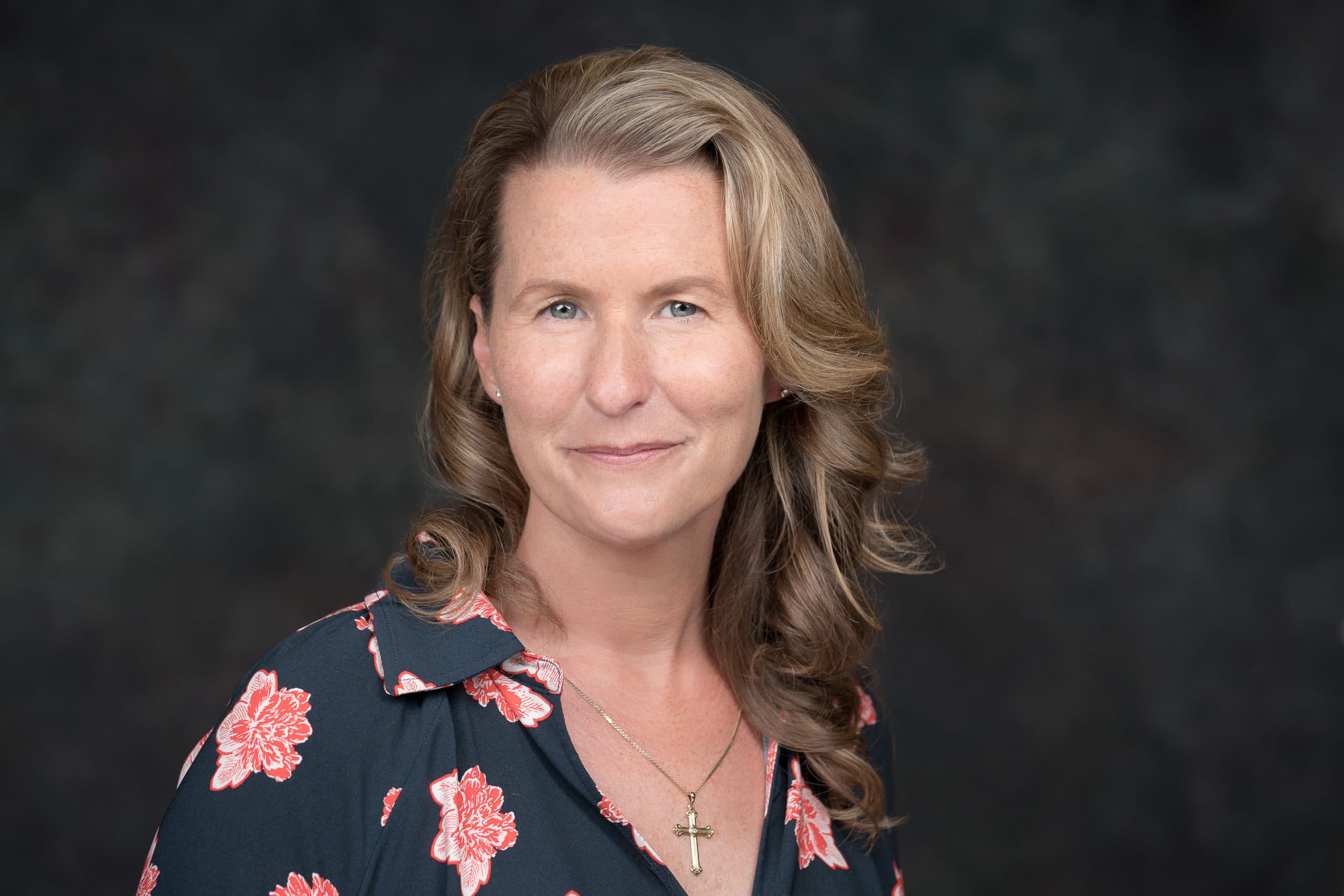
Jamie Shilanski is an advisor with Shilanski & Associates, Inc., based in Anchorage, AK.
Read more articles by Jamie Shilanski
 Advisor Perspectives welcomes guest contributions. The views presented here do not necessarily represent those of Advisor Perspectives.












