 Advisor Perspectives welcomes guest contributions. The views presented here do not necessarily represent those of Advisor Perspectives.
There is a general understanding in the special needs community that a close eye on estate planning will be needed for clients or family members who have disabilities. However, be aware that your client’s situation is unique. A special needs trust is not necessary or recommended for all our clients or their families.
1. The biggest reason why I would not recommend a special needs trust is if the person is capable of handling their own money. If someone can pay their bills, manage a rental property, manage a business, or is working and is living mostly independently, a special needs trust may not be in their best interest. The deciding factor as to whether it is necessary is what benefits they rely on. Are they going to be dependent on the Medicaid waiver support systems through the state? Or are they just on SSDI where there’s no limitations of what assets they have in their name?
If SSDI is all they are using to support themselves, there is no reason for them to have a special needs trust. At that point, a different type of trust – where they can be their own trustee – can be set up where they have control of decisions made within the accounts.
Of course, looking at the person’s future needs are important. If your client anticipates needing benefits in the future, a plan would be helpful to understand how to make that happen in the least restrictive way possible. At the point that is needed, they may still be able to do the planning for themselves.
2. The second reason is if the person is not on benefits with an asset limitation, they can receive inheritance outside of a special needs trust. If they don’t understand money or how to manage it for themselves, what’s important is whether they have the support they need to manage the funds. Do they have family that can support them if they need support? Do they have a system where people are making sure that they are getting all that they need, that they’re investing and spending their money wisely, and as they need it? A trustee is not necessarily required to do that. All they would need is a trusted and dedicated supportive person or a community to make sure that they have what they need. You as an advisor would be part of that community.
Why is a special needs trust not required in the situation? The better question is what a special needs trust does. The function of the special needs, or supplemental needs, trust is to remove the ability for the person to be in control of or access their money independently. This person will not be able to choose how money comes out of their account independently and will always have to ask permission from a trustee to say it’s okay to spend money.
A special needs trust is not always required to build the structure of supportive financial management. Supportive friendships, family members and professionals can be there to support a healthy relationship with money. If your client is the only person trusted to manage the outcomes of their loved one’s spending, encourage them to find more people and to build their community support network, don’t just encourage them to remove the access that their loved one might have to their financial future.
Encourage your client to get their loved one involved in their own financial life. Are they included in the proses of going to the bank? Do they have their own budget? Do they spend and save their own money? Make sure they have a credit history and that it is being monitored. Do they pay their own bills or even receive them in their home? Doing these things for the person with the disability can be more disabling than supportive. What support is necessary? What reminders need to be put in place to make sure that deadlines are not being missed? All this can be done outside of a trust with the right support network. An advisor can be an important relationship in this process.
There are definite reasons to pursue a special needs trust for a client that include being on programs that are valuable to keep, including Medicaid waiver support programs and SSI when there’s no future expected SSDI (which is the case for some people who have late acquired disabilities without a work history). These government programs are more valuable than others. Make sure to do a gut check on what you are protecting by recommending a special needs trust. Other reasons to make sure a SNT is in place is to help support someone who may do harm to themselves if they had access to a large amount of money.
In many cases with intellectual and developmental disabilities, there is not that much risk of people over-spending their resources. There’s often more of a risk of people not spending enough: not asking for support when needed, not asking for discretionary spending, not building friendships, not going to the movies, not going out because they’re afraid to spend money because they don’t understand it. They may internalize the stress and be cautious to do anything special for themselves. Supports need to be in place to understand what they have, what they’re able to spend, and how to do that in a way that leads them to a life that they want. Working with a financial planner who understands all of the above gives the person the opportunity to envision what is possible for them and to stay on track with their own financial goals.
One of the ways I try to put power back into the hands of clients with disabilities is to empower them to have more control of their financial lives. Give them tools to be empowered, just as you do with your other clients.
I am not an attorney. I work very closely with attorneys to clarify an individual’s financial plan and estate planning needs. A special needs trust is a very important tool to many individuals, but it should never be a blanket recommendation.
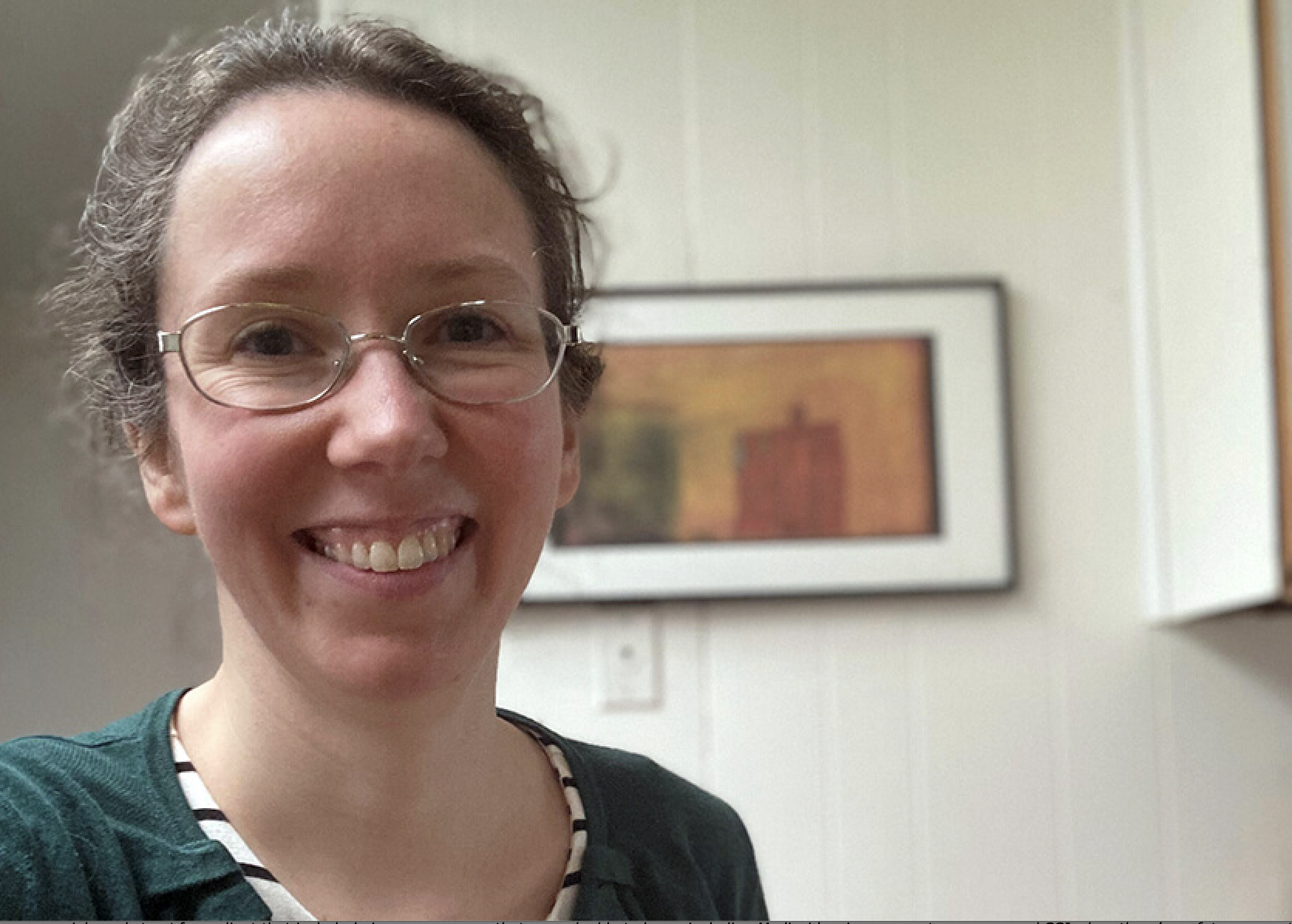
Elizabeth Wolleben Yoder, CFP®, is Director of Financial Planning, at Planning Across the Spectrum, a Farmington, CT-based wealth manager, planning for clients across the country.
 Advisor Perspectives welcomes guest contributions. The views presented here do not necessarily represent those of Advisor Perspectives.









