Advisor Perspectives welcomes guest contributions. The views presented here do not necessarily represent those of Advisor Perspectives.
Let’s imagine a typical foundation started by successful businesspeople to make charitable contributions each year to a small constellation of non-profits in their community.
Fast-forward a couple of decades and the founders have achieved more financial success than they ever expected. While undertaking their estate planning, they have ascertained that even after they take care of their children and grandchildren, there will be a substantial amount left from their holdings to donate to the foundation. In fact, the founders anticipate that upon their death the foundation’s assets will increase from $3 million (current value) to approximately $40 million. The founders realize that this eventual windfall merits advanced planning to best meet the opportunities that come with such a large increase.
If, as in this hypothetical example, your clients find themselves confronting an almost-overnight jump in their foundations’ assets, what should they do?
How can you help them plan for such an event in a way that is consistent with their wealth management objectives and carry their foundations into the future?
The challenge of growth
One of the immediate outcomes of explosive growth is a dramatic increase in a foundation’s 5% minimum distribution requirement (MDR). The MDR is based on the average value of foundation assets in the previous year, so as assets grow, foundations are required to increase their charitable activities accordingly. Although the increased MDR won’t impact the foundation immediately, a major infusion of capital provides ample reason for it to develop a plan for programmatic growth alongside its financial growth.
Let’s go back to our example above. The foundation had an average of $3 million in assets throughout 2020. Therefore, it has an MDR of $150,000 for 2021. If the foundation were to receive a contribution of $37 million early in 2021, bringing total assets up to $40 million, the MDR would become $2 million for 2022. And though your client would have until December 31, 2022 to distribute that $2 million, doing so thoughtfully requires significantly more planning.
Gearing up grantmaking
Here are five questions to guide the development of an intentional and strategic plan to ramp up grant distributions:
1. What does the foundation want to accomplish?
This is an ideal moment for board members to consider the foundation’s history and explore the increased opportunities that accompany financial growth. With additional financial assets, the programmatic possibilities open up to tremendous innovation, creativity, and potential impact.
2. What non-monetary resources does the foundation have to make a difference?
When it comes to achieving impact, dollars aren’t the only important asset. As board members contemplate the foundation’s future, this is an ideal time to take stock of the entirety of resources that the family and its network of contacts might be able to command. Specifically, the board might ask:
- What expertise, skills, and special talents do we bring to the table?
- How much time and energy do we have to devote to our cause?
- What important contacts and connections do we have that can help us?
- What’s our name recognition/credibility/ reputation?
- What level of assets can we afford to commit?
3. Should the foundation expand its scope?
With increased assets, some foundations choose to continue supporting their existing areas of interest but expand their geographic region. So, instead of restricting funding to their hometown, they move to a statewide or even national agenda. Other foundations have opted instead to widen the scope of their areas of funding. For example, in addition to funding a program that provides meals for homeless individuals, a foundation may now choose to start fighting homelessness itself by funding research and advocacy, thereby increasing the opportunity for impact.
4. Where can the foundation achieve the greatest impact?
As a foundation ramps up its grantmaking, devoting resources to research and analysis would be money well spent. If your clients want to build on their foundations’ previous work and expand locally, they might invite local funders or community leaders to help identify unmet regional needs. If they want to pursue an entirely new area of interest, they will want to know who else has been working on the problem, what’s already been done, and what impact that work has had. In that case, they could hire an outside expert to undertake a “field scan” detailing what other philanthropists and nonprofits have accomplished on that issue to date, whether their efforts have met with success, and where their foundations might achieve the most impact going forward. Not only will this avoid directing funds toward ineffective approaches or duplication of other efforts, but it might reveal new partners and allies. Because the IRS recognizes that private foundations incur expenses in the pursuit of their charitable purposes, tax law allows foundations to count such expenditures toward fulfilling their minimum distribution requirement.
5. Can the foundation fund things that fall outside its mission?
With growth, a foundation can allocate assets for grantmaking outside of its stated mission. This would enable the foundation to fund exciting programs that either present themselves or are uncovered in the course of executing its planned grantmaking strategy. Setting aside a portion of funds can also serve as a laboratory, enabling the foundation to experiment with promising programs before making a more significant or enduring commitment.
A new way of operating
Growth in assets provides clients with a unique opportunity to deepen their commitment to the funding priorities they have previously championed through their foundations. But this moment also creates an opportunity to break with the past and chart a new course. Regardless of the path your clients choose, they would be well served to assess whether this moment necessitates a new approach to foundation operations, including:
Guidelines and applications
To attract more targeted and relevant grant requests and to meet an increased MDR, they may want to solicit proposals from more nonprofits. They also might want to develop funding guidelines and a grant application form (if they do not currently have those).
Detailed budgeting
If their growing foundations launch new funding areas, implement grantmaking strategies, and incur new expenses, an ad hoc approach to budgeting may no longer suit their needs. With increased size and complexity, it will likely become harder for their foundations to simply make grants until their MDRs are fulfilled. At this point, they may want to create an annual budget, allocating specific dollar amounts to key funding areas, ongoing historical interests, and administrative costs. And, for asset managers, this type of planning can be very helpful in anticipating when funds will be needed throughout the grantmaking cycle.
Ultimately, a windfall in foundation funding provides an exciting opportunity to deepen and expand your clients’ philanthropic agendas, and establishing clear objectives and taking the time to plan will help them and you successfully meet that opportunity.
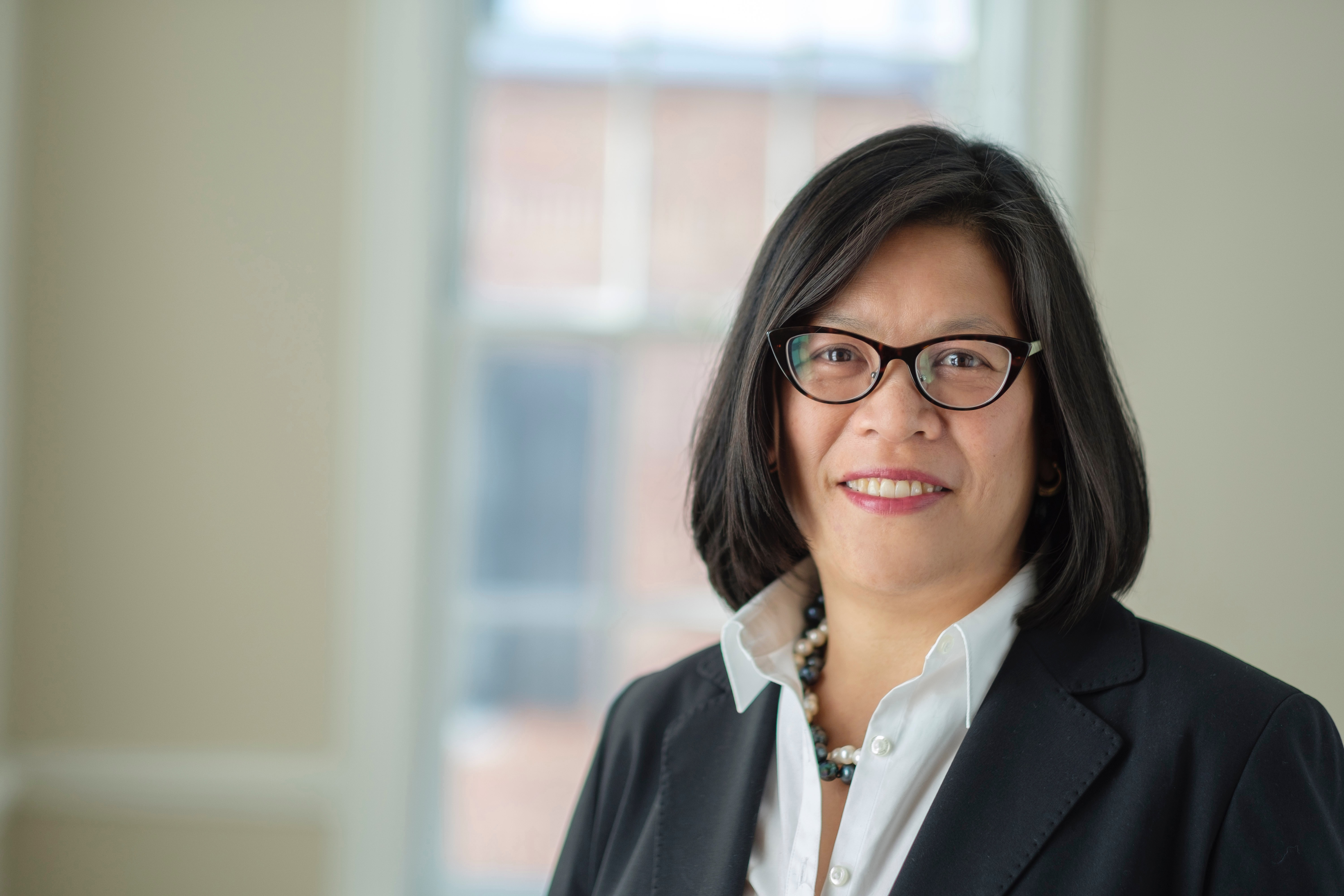
Elizabeth Wong is national director of philanthropic advisory services at Foundation Source, which provides comprehensive support services for private foundations. The firm works in partnership with financial and legal advisors as well as directly with individuals and families.
Foundation Source is the nation’s largest provider of comprehensive support services for private foundations. Our complete outsourced solution includes foundation creation (as needed), administrative support, active compliance monitoring, philanthropic advisory, tax and legal expertise, and online foundation management tools.
Now in its third decade, Foundation Source provides its services to nearly 2,000 family, corporate, and professionally staffed foundations, of all sizes, nationwide. We work in partnership with wealth management firms, law firms, accounting firms, and family offices as well as directly with individuals and families. Foundation Source is headquartered in Fairfield, Connecticut.
Read more articles by Elizabeth Wong
 Advisor Perspectives welcomes guest contributions. The views presented here do not necessarily represent those of Advisor Perspectives.